Easy Alfredo Sauce Without Cream (Butter, Milk, and Parmesan)
A lighter stovetop Alfredo that skips heavy cream but stays rich and silky by using butter, milk, and freshly grated Parmesan. Ready in about 15 minutes, it clings to pasta beautifully and is easy to adjust with reserved pasta water for a glossy, silky finish.
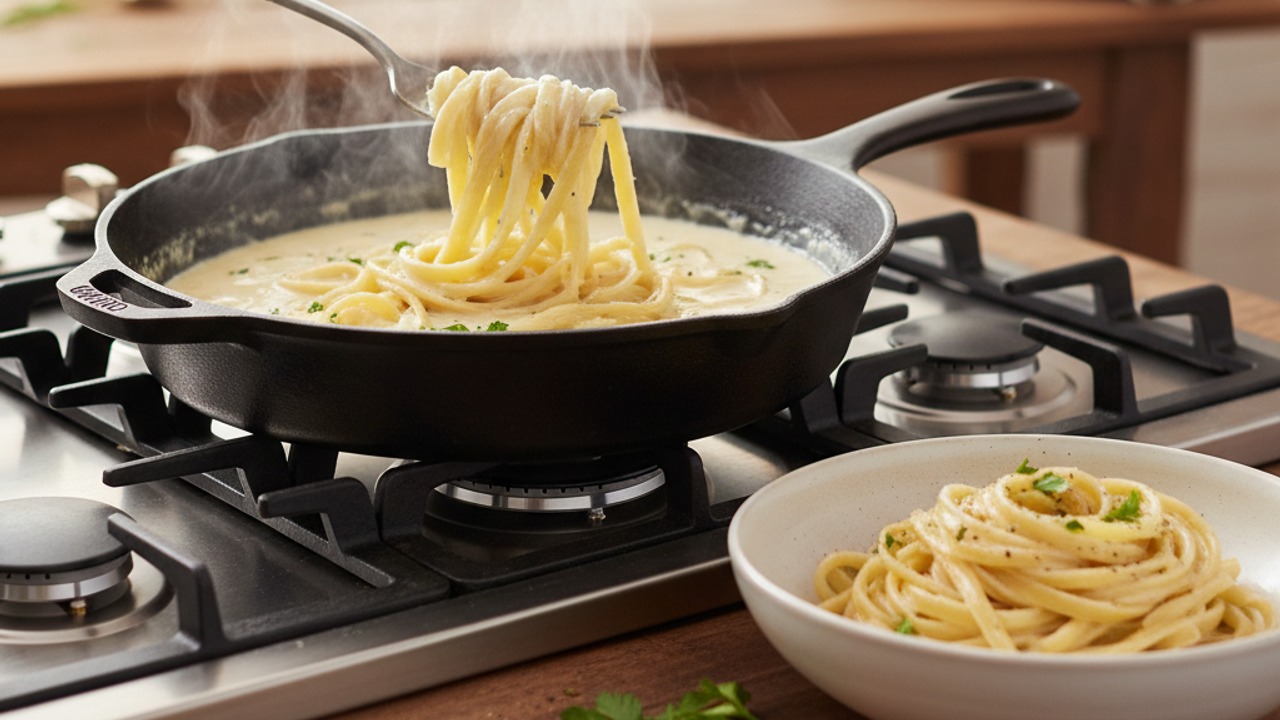
About This Recipe
This is Alfredo in its most practical, weeknight-friendly form: all the richness you expect from a cream sauce but built from butter, milk and freshly grated Parmesan instead of heavy cream. The secret is a garlic-butter roux that gives body without grease, and a little starchy pasta water that brings a glossy, clingy finish so the sauce hugs every strand of pasta. Expect a nutty, savory profile from the cheese, a faint garlic perfume, and a sauce that feels silky rather than heavy on the palate.
What makes this version work is technique more than ingredients: cook the flour just long enough to lose its raw edge, add milk slowly to avoid lumps, and melt the cheese gently over low heat so it emulsifies instead of seizing. Freshly grated Parmesan and carefully dosed pasta water are small steps with big payoff; they control salt and texture so you can easily customize — richer with whole milk or lighter with 2% — and finish in about 15 minutes. It’s for cooks who want a reliable, tunable Alfredo base that’s fast, forgiving, and excellent as a platform for vegetables, chicken, or a pile of perfectly cooked fettuccine.
Ingredients for Easy Alfredo Sauce Without Cream (Butter, Milk, and Parmesan)
- 2 tbsp Unsalted butter
- 2 cloves Garlic, minced
- 2 tbsp All-purpose flour
- 1 1/2 cups Milk (2% or your choice)
- 1 cup Freshly grated Parmesan
- 1/4 cup Reserved pasta cooking water
- 1/2 tsp Kosher salt
- 1/4 tsp Freshly ground black pepper
How to Make Easy Alfredo Sauce Without Cream (Butter, Milk, and Parmesan)
Step 1: Make a garlic-butter roux
Warm a medium skillet over medium heat and add the butter. When it melts, add the minced garlic and cook, stirring, until fragrant, about 30–60 seconds. Sprinkle in the flour and whisk continuously for 1–2 minutes to cook the raw flour taste and form a smooth paste.For this step
- 2 tbspUnsalted butter
- 2 clovesGarlic, minced
- 2 tbspAll-purpose flour
Step 2: Add milk and thicken
Slowly pour in the milk in a thin stream while whisking constantly to prevent lumps and create a smooth sauce. Bring the mixture to a gentle simmer, then cook, whisking occasionally, for 3–4 minutes until the sauce thickens and coats the back of a spoon.For this step
- 1 1/2 cupsMilk (2% or your choice)
Step 3: Incorporate the Parmesan
Reduce the heat to low. Add the grated Parmesan in small handfuls, stirring after each addition until fully melted and the sauce is silky. Keep the pan just below a simmer to avoid the cheese separating or becoming grainy.For this step
- 1 cupFreshly grated Parmesan
Step 4: Adjust texture and season
Whisk in the reserved pasta cooking water a tablespoon at a time until you reach the desired consistency and sheen. Season to taste with kosher salt and freshly ground black pepper, tasting and adjusting as needed.For this step
- 1/4 cupReserved pasta cooking water
- 1/2 tspKosher salt
- 1/4 tspFreshly ground black pepper
Step 5: Toss with pasta and serve
Remove the sauce from the heat and immediately toss with hot, drained pasta so the noodles absorb and cling to the sauce. If the sauce needs loosening, add another splash of pasta water. Serve right away.


- Warm a medium skillet over medium heat and add the butter. When it melts, add the minced garlic and cook, stirring, until fragrant, about 30–60 seconds. Sprinkle in the flour and whisk continuously for 1–2 minutes to cook the raw flour taste and form a smooth paste.
- Slowly pour in the milk in a thin stream while whisking constantly to prevent lumps and create a smooth sauce. Bring the mixture to a gentle simmer, then cook, whisking occasionally, for 3–4 minutes until the sauce thickens and coats the back of a spoon.
- Reduce the heat to low. Add the grated Parmesan in small handfuls, stirring after each addition until fully melted and the sauce is silky. Keep the pan just below a simmer to avoid the cheese separating or becoming grainy.
- Whisk in the reserved pasta cooking water a tablespoon at a time until you reach the desired consistency and sheen. Season to taste with kosher salt and freshly ground black pepper, tasting and adjusting as needed.
- Remove the sauce from the heat and immediately toss with hot, drained pasta so the noodles absorb and cling to the sauce. If the sauce needs loosening, add another splash of pasta water. Serve right away.
Easy Alfredo Sauce Without Cream (Butter, Milk, and Parmesan) Tips
Grate Parmesan Fresh
Pre-grate a wedge of Parmesan from the block right before using; pre-shredded cheese contains anti-caking agents that can make the sauce grainy and prevent smooth melting.
Whisk Milk Slowly
Pour the milk in a thin stream while whisking to prevent lumps and ensure the roux dissolves evenly for a smooth, homogenous sauce.
Keep Heat Very Low
Once you add the Parmesan, hold the pan just below a simmer so the cheese melts into the sauce without separating or becoming gritty.
Reserve Starchy Water
Save about 1/4–1/2 cup of pasta water and add it tablespoon by tablespoon to achieve a glossy, clingy finish that helps the sauce stick to noodles.
Taste Before Salting
Parmesan is salty, so wait until the cheese is incorporated before seasoning; you can always add more salt but you can’t take it out.
Easy Alfredo Sauce Without Cream (Butter, Milk, and Parmesan) Variations and Substitutions
Half‑and‑Half for Silkier
Swap milk for half‑and‑half (or use a 50/50 blend of milk and cream) for a richer, creamier texture while keeping the same method and cook time.
Oat Milk Dairy‑Free
Use unsweetened barista‑style oat milk and replace Parmesan with a vegan hard‑style cheese for a dairy‑free version; a small cornstarch slurry will help the sauce thicken and emulate the mouthfeel.
Lemon & Herb Brightness
Stir in 1–2 teaspoons of lemon juice and a tablespoon of chopped parsley or basil at the end to lift the sauce and cut through the richness.
Add Protein and Veg
Fold in sautéed mushrooms, peas, spinach, or grilled chicken for a complete meal; add delicate greens off heat so they wilt gently into the sauce.
How to Store and Make Easy Alfredo Sauce Without Cream (Butter, Milk, and Parmesan) Ahead
Refrigerate leftover sauce in an airtight container for up to 3 days. The sauce will thicken as it cools; gently rewarm over low heat with a splash of milk or reserved pasta water, whisking until glossy and smooth. Freezing is not recommended because the dairy can separate and become grainy when thawed.
What to Serve With Easy Alfredo Sauce Without Cream (Butter, Milk, and Parmesan)
Toss this sauce with fresh fettuccine, pappardelle, or even gnocchi so the broad noodles catch the sauce; finish with a final grind of black pepper and a dusting of extra Parm. Serve alongside a crisp green salad and a bright white wine such as Pinot Grigio or an unoaked Chardonnay to balance the sauce’s richness.
Easy Alfredo Sauce Without Cream (Butter, Milk, and Parmesan) FAQs
Can I use pre-shredded Parmesan?
Pre-shredded cheese often contains anti-caking agents that inhibit smooth melting and can make the sauce grainy; for best results use freshly grated Parmesan from a block.
Why did my sauce turn grainy or separate?
That usually means the heat was too high when the cheese was added or the cheese melted too quickly; reduce heat and add cheese in small amounts, stirring gently to form a stable emulsion.
Can I make this without flour?
Yes — substitute the roux by whisking 1 tablespoon cornstarch into the milk before heating, or use an egg yolk tempered with hot milk for a silkier binder, but be careful with temperatures to avoid curdling.
How much pasta water should I reserve?
Reserve about 1/4 to 1/2 cup; add it tablespoon by tablespoon to loosen the sauce until it attains a glossy, clingy consistency without becoming soupy.
What milk is best for this recipe?
2% milk is a great balance of flavor and texture, whole milk will yield a richer sauce and skim will be thinner and may require a bit more roux to thicken satisfactorily.
Can I double the recipe?
Yes — double the ingredients but use a wider pan to keep the sauce shallow and give you room to whisk; watch heat carefully since larger volumes hold heat and are more prone to overheating the cheese.
About the author
Jake WoodsHello, I'm Jake. I started this recipe site with the idea that I hated recipe websites that overwhelm you with long stories and ads just to see plain content that's not helpful. My goal is to provide you with quality recipes, simple ideas and a fun cooking experience. There's lots of fun things to cook, and I think as you browse the site you'll find that TopShelf.Recipes is the place for quality recipes on the web.
See all recipes by Jake Woods →Ratings & Reviews
Did you make this recipe?
Be the first to share your experience.
Nutrition Facts
Per serving: 1 serving
Nutrition values are estimated from USDA ingredient data and may vary based on preparation, brands, and portion sizes. Values are provided for informational purposes only.
Keep Reading
Guides & articles for this recipe
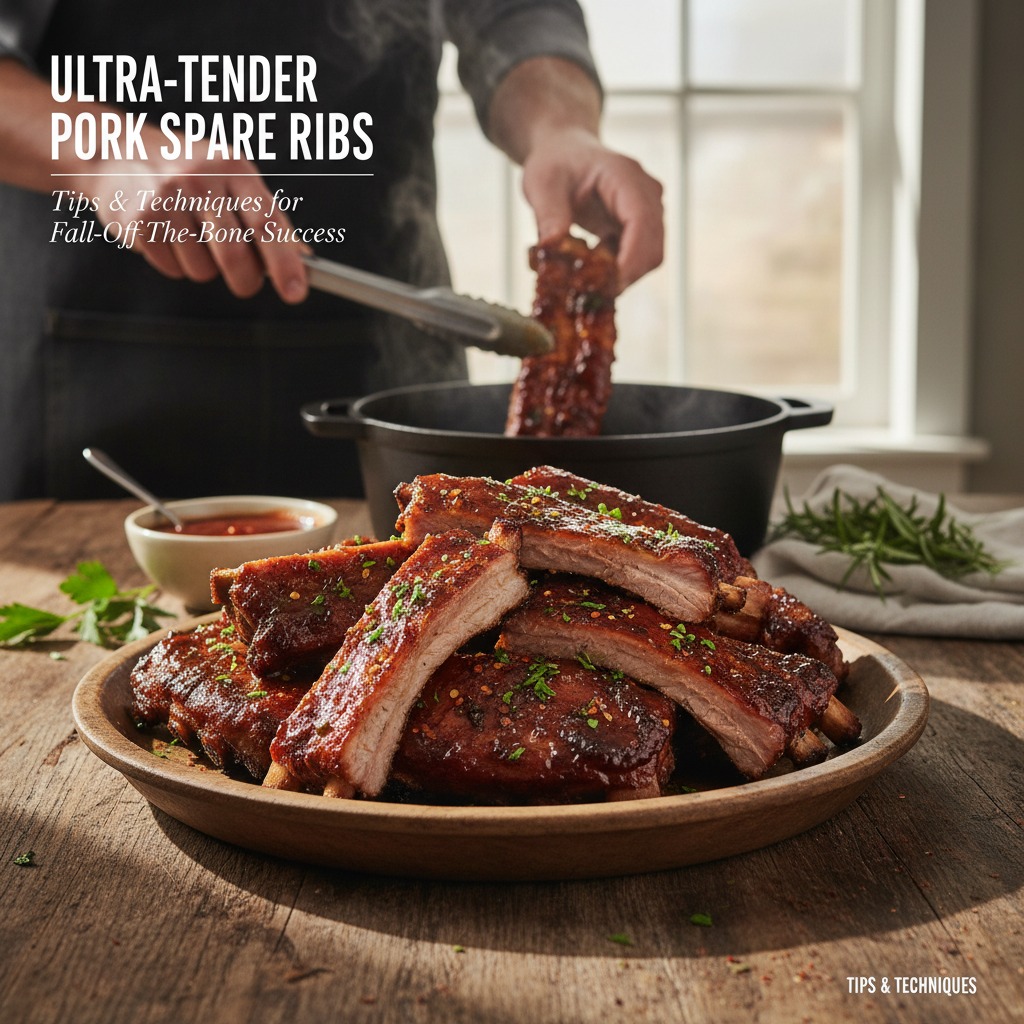
Tips & Techniques
Ultra-Tender Pork Spare Ribs: Tips & Techniques for Fall-Off-the-Bone Success
Master the craft of ultra-tender pork spare ribs with practical, no-nonsense techniques for selecting, prepping, smoking, and finishing. This guide focuses on what matters—temperature control, testing for doneness, wrapping choices, and common fixes—so your next rack comes out juicy, tender, and perfectly sauced.

Recipes
Top 10 Halloween Recipes
Ten easy, showy Halloween recipes to feed a crowd or level up trick-or-treat night. From spooky appetizers to eerie desserts and a punch that stains the rim, these picks balance dramatic presentation with home-kitchen simplicity.

Healthy Eating
Gluten-Free Weeknight Grilling Plan
A 7-day gluten-free weeknight grilling plan with quick, family-friendly recipes, prep-ahead timelines, and a printable shopping list that spotlights late-summer produce and pantry staples. Includes clear cross-contamination safety tips and simple swaps to keep dinners fast and crowd-pleasing.
More from Stovetop
View all Stovetop recipes →
Frank's Red Hot Buffalo Street Corn Dip

Classic Marinara Sauce from Scratch

Rotisserie Chicken and Wild Rice Soup

Korean Ground Beef Bowl

Plant-Based Jackfruit Carnitas Tacos with Avocado Crema (Stovetop)

Classic Chicken Noodle Soup from Scratch

Mushroom Garlic Butter Pasta

One-Pot Beef Bolognese

Grilled S'mores Skewers with Spiced Chocolate
Ask me anything about this recipe — substitutions, scaling, techniques, timing.
Powered by AI · 6 questions per 5 minutes, 30 per day