Fresh Squeezed Lemonade
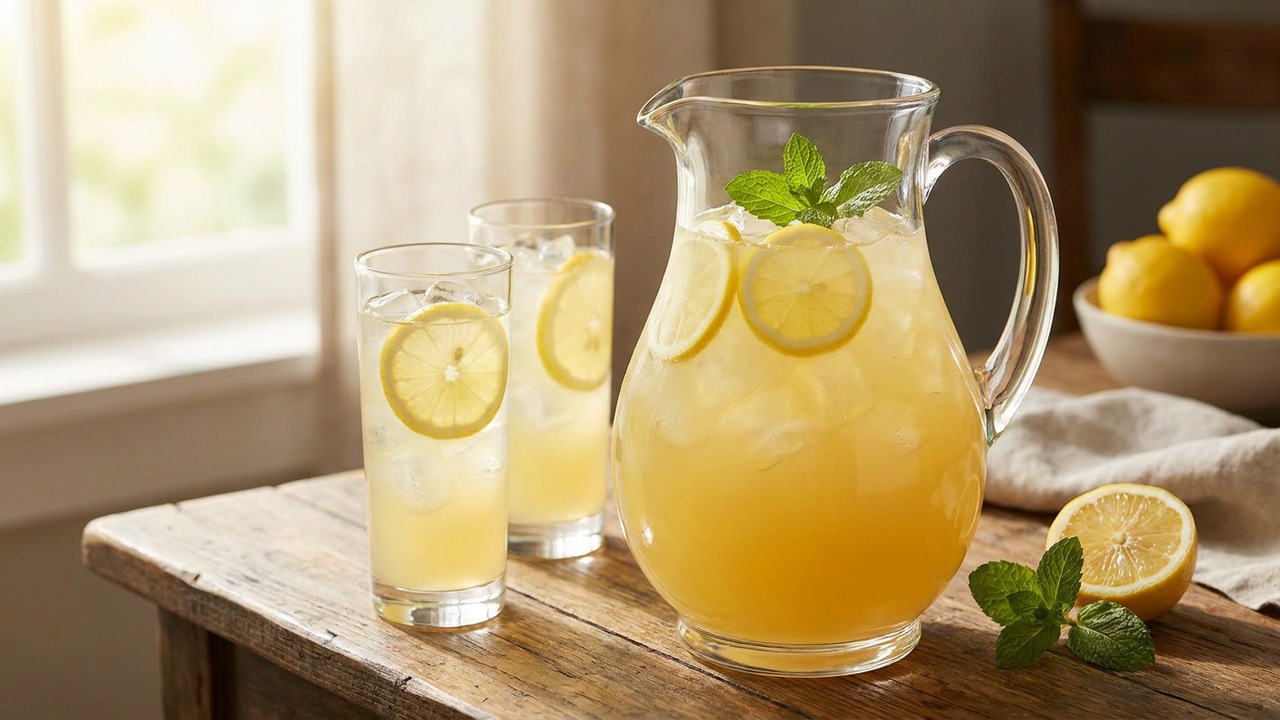
Bright, classic fresh-squeezed lemonade made with real lemon juice and a simple syrup for smooth sweetness. Ready in about 15 minutes, it’s refreshing on its own or easily adjusted with sparkling water or herbs for a seasonal twist.
About This Recipe
This is the lemonade I reach for when I want clean, precise citrus without the fuss. Using a hot simple syrup rather than stirring granulated sugar directly into cold water gives a silky, evenly sweetened mouthfeel—no grit, no undissolved grains. Straining the juice through a fine mesh removes stubborn seeds and most pulp so the drink pours clear, but if you like a more rustic texture you can skip or reserve the pulp for a zingy marmalade or freezer cubes for iced tea.
It’s a flexible recipe: the ratio of lemon juice, syrup, and water creates a bright backbone that handles variations well—sparkling water for a spritz, muddled strawberries for seasonal sweetness, or ginger and mint for depth. Because the flavors are raw and immediate, taste as you go: different lemons vary widely in acidity and juice yield, so this method lets you dial the balance to suit kids, cocktails, or a backyard barbecue crowd. Make a pitcher in 15 minutes and keep extras chilled for effortless refreshment all week.
Ingredients for Fresh Squeezed Lemonade
- 6 medium Fresh lemons (medium)
- 1 cup Granulated sugar
- 1 cup Hot water (for simple syrup)
- 4 cups Cold water (to dilute)
- 2 cups Ice cubes
- 8 sprigs Fresh mint sprigs (optional)
- 8 slices Lemon slices (for garnish)
How to Make Fresh Squeezed Lemonade
Step 1: Juice the lemons
Roll the lemons on the counter to loosen the juices, then cut in half and juice until you have about 1 to 1 1/4 cups (240–300 ml) of fresh lemon juice. Strain the juice through a fine-mesh sieve into a measuring cup or pitcher to remove seeds and most pulp for a smooth lemonade.For this step
- 6 mediumFresh lemons (medium)
Step 2: Make simple syrup
Combine the granulated sugar and 1 cup (240 ml) hot water in a heatproof measuring cup or small saucepan and stir until the sugar is completely dissolved. Let the syrup cool briefly; using syrup ensures the sugar blends evenly into cold lemonade without graininess.For this step
- 1 cupGranulated sugar
- 1 cupHot water (for simple syrup)
Step 3: Mix and taste
In a pitcher, combine the strained lemon juice and the cooled simple syrup, then add 4 cups (960 ml) cold water and stir to combine. Taste and adjust: add a little more water if too tart or a tablespoon of syrup if you prefer sweeter lemonade.For this step
- 4 cupsCold water (to dilute)
Step 4: Chill and serve
Fill a pitcher or individual glasses with ice and pour the lemonade over the ice to chill immediately. Stir briefly and serve cold; keep any extra lemonade refrigerated for up to 3 days.For this step
- 2 cupsIce cubes
Step 5: Garnish and variations
Garnish each glass with a lemon slice and a sprig of mint for a fresh presentation. For a sparkling version, replace up to half of the cold water with chilled sparkling water just before serving, or infuse with berries or fresh herbs to vary the flavor.For this step
- 8 sprigsFresh mint sprigs (optional)
- 8 slicesLemon slices (for garnish)


- Roll the lemons on the counter to loosen the juices, then cut in half and juice until you have about 1 to 1 1/4 cups (240–300 ml) of fresh lemon juice. Strain the juice through a fine-mesh sieve into a measuring cup or pitcher to remove seeds and most pulp for a smooth lemonade.
- Combine the granulated sugar and 1 cup (240 ml) hot water in a heatproof measuring cup or small saucepan and stir until the sugar is completely dissolved. Let the syrup cool briefly; using syrup ensures the sugar blends evenly into cold lemonade without graininess.
- In a pitcher, combine the strained lemon juice and the cooled simple syrup, then add 4 cups (960 ml) cold water and stir to combine. Taste and adjust: add a little more water if too tart or a tablespoon of syrup if you prefer sweeter lemonade.
- Fill a pitcher or individual glasses with ice and pour the lemonade over the ice to chill immediately. Stir briefly and serve cold; keep any extra lemonade refrigerated for up to 3 days.
- Garnish each glass with a lemon slice and a sprig of mint for a fresh presentation. For a sparkling version, replace up to half of the cold water with chilled sparkling water just before serving, or infuse with berries or fresh herbs to vary the flavor.
Fresh Squeezed Lemonade Tips
Roll lemons before juicing
Firmly rolling each lemon on the counter breaks down membranes and increases juice yield, so you get the most juice from 6 medium lemons.
Strain for smooth texture
Use a fine-mesh sieve to remove seeds and most pulp for a clear pour; reserve any pulp if you want a more rustic, fiber-rich version.
Make hot simple syrup
Dissolving sugar in hot water guarantees no graininess and also mellows the sharp edges of raw lemon oil when added to the juice.
Adjust sweetness incrementally
Start with the recipe ratio, then add syrup a tablespoon at a time—lemons vary in tartness, so tasting and small adjustments prevent over-sweetening.
Add sparkling at service
If making a sparkling version, replace up to half the cold water with chilled sparkling water right before serving to preserve effervescence.
Fresh Squeezed Lemonade Variations and Substitutions
Honey or agave swap
Replace granulated sugar with equal parts honey or agave in the hot water to make a smoother, slightly floral syrup—warm the honey gently to help it dissolve fully.
Sparkling lemonade
Substitute up to half of the cold water with chilled sparkling water just before serving for a lively, fizzy refresher that pairs well with brunch.
Strawberry-lemon twist
Muddle 1 cup hulled strawberries and strain before combining with the lemon and syrup, or blend and pass through a sieve for a pink, fruity version.
Herb-infused versions
Steep bruised mint, basil, or thyme in the hot simple syrup as it cools for 10–15 minutes, then strain to add a savory herbal note without bitter over-extraction.
How to Store and Make Fresh Squeezed Lemonade Ahead
Store leftover lemonade covered in the refrigerator for up to 3 days; the flavors will mellow but remain bright. If separation occurs, simply give the pitcher a good stir before serving. For longer storage, freeze in ice cube trays and add cubes directly to drinks or defrost in the fridge overnight.
What to Serve With Fresh Squeezed Lemonade
Serve over plenty of ice with a lemon wheel and a mint sprig for contrast; thin glassware or mason jars both work depending on the occasion. Pair glasses of this lemonade with grilled chicken, fish tacos, or a fresh green salad—its acidity cuts through rich, smoky flavors and refreshes the palate. For an adult twist, offer a tray of spirits—vodka, gin, or tequila—so guests can spike their own glasses.
Fresh Squeezed Lemonade FAQs
My lemonade is too tart—how do I fix it?
Add the cooled simple syrup a tablespoon at a time and taste after each addition until balanced; if you prefer, add a pinch of salt to round out the acidity without making it sweeter.
Can I use bottled lemon juice instead of fresh lemons?
You can in a pinch, but bottled juice lacks fresh lemon oil and brightness; if using bottled, start with less and adjust since acidity and flavor concentration vary.
Why did my sugar crystallize or sink to the bottom?
That happens when granulated sugar isn't fully dissolved—always make a hot simple syrup and cool it before mixing into cold liquids to prevent graininess or settling.
How can I make this ahead for a party?
Prepare the lemon juice and simple syrup separately and refrigerate; combine with cold water and ice just before guests arrive so the lemonade stays icy and bright.
Can I freeze the lemonade?
Yes—pour into ice cube trays or freezer-safe containers and freeze for up to 3 months; thaw in the refrigerator and stir well before serving, or use frozen cubes to chill cocktails.
About the author
Jake WoodsHello, I'm Jake. I started this recipe site with the idea that I hated recipe websites that overwhelm you with long stories and ads just to see plain content that's not helpful. My goal is to provide you with quality recipes, simple ideas and a fun cooking experience. There's lots of fun things to cook, and I think as you browse the site you'll find that TopShelf.Recipes is the place for quality recipes on the web.
See all recipes by Jake Woods →Ratings & Reviews
Did you make this recipe?
Be the first to share your experience.
Nutrition Facts
Per serving: about 13 fl oz
Nutrition values are estimated from USDA ingredient data and may vary based on preparation, brands, and portion sizes. Values are provided for informational purposes only.
Keep Reading
Guides & articles for this recipe
Guides
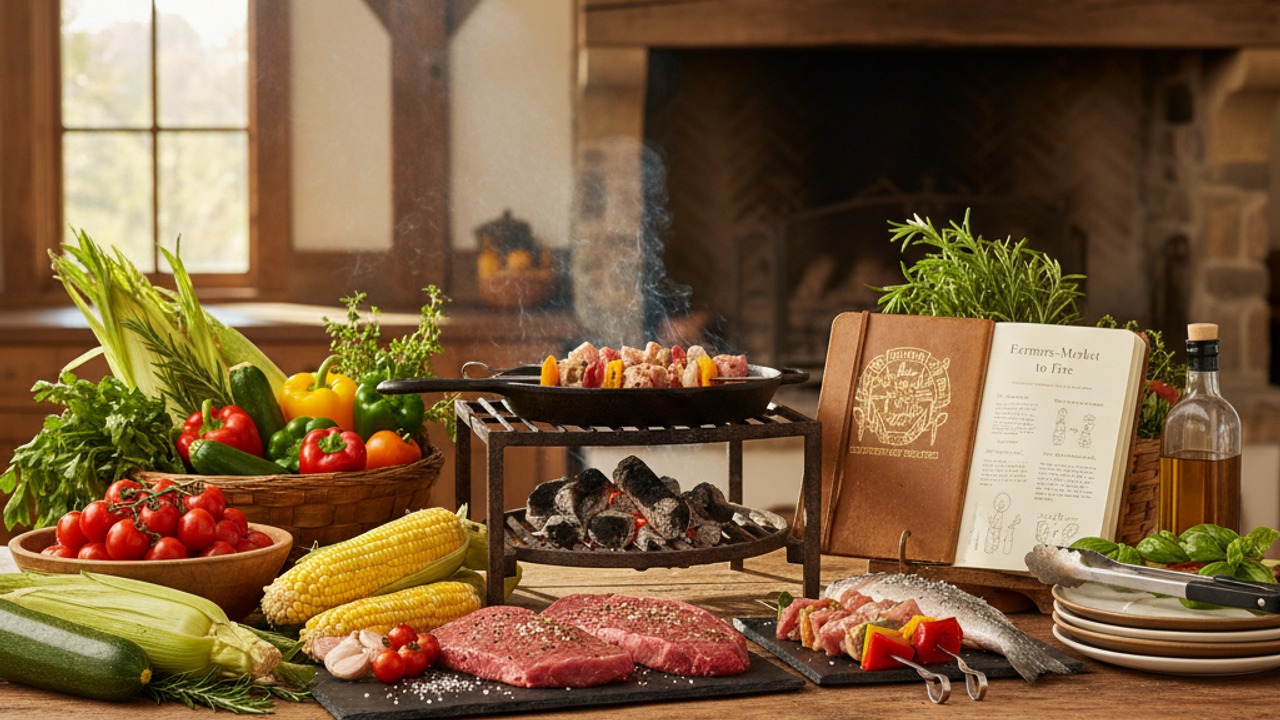
Farmers‑Market to Fire: 20 Seasonal Grill & Campfire Recipes Built Around What's Fresh This Week
Shop the weekly farmers‑market with confidence and turn peak‑fresh produce into crowd‑pleasing grill and campfire meals. This practical guide pairs 20 recipes with seasonal market picks, plus swap lists, prep timelines, and packing tips for outdoor cooks.
Guides
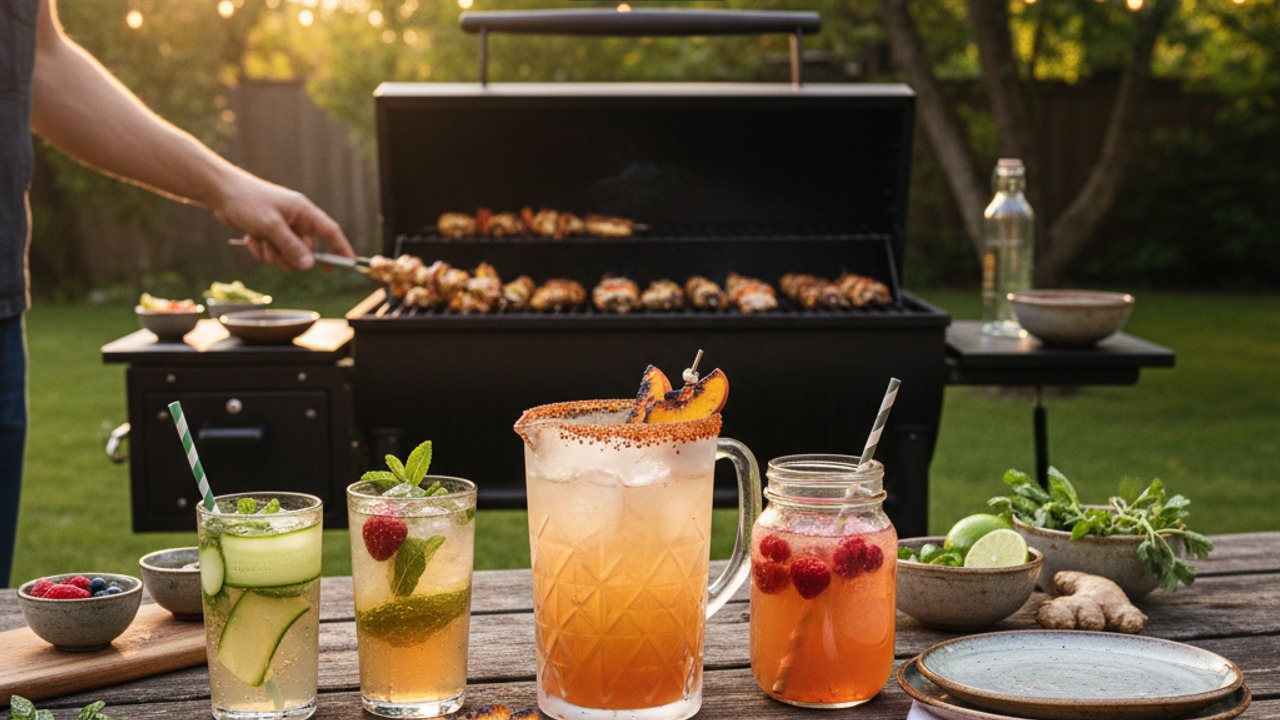
Trending Grillside Drinks for 2026: Cocktails, Low‑ABV Sippers, and Non‑Alcoholic Pairings to Elevate Backyard BBQ
Discover the hottest drinks to serve alongside summer grilling in 2026 — from smoked‑syrup cocktails and barrel‑aged RTDs to low‑ABV spritzes, shrubs, kombuchas, and tea blends. Includes batch-making tips, safety notes, and pairing suggestions for common grilled proteins and sides.
Recipes
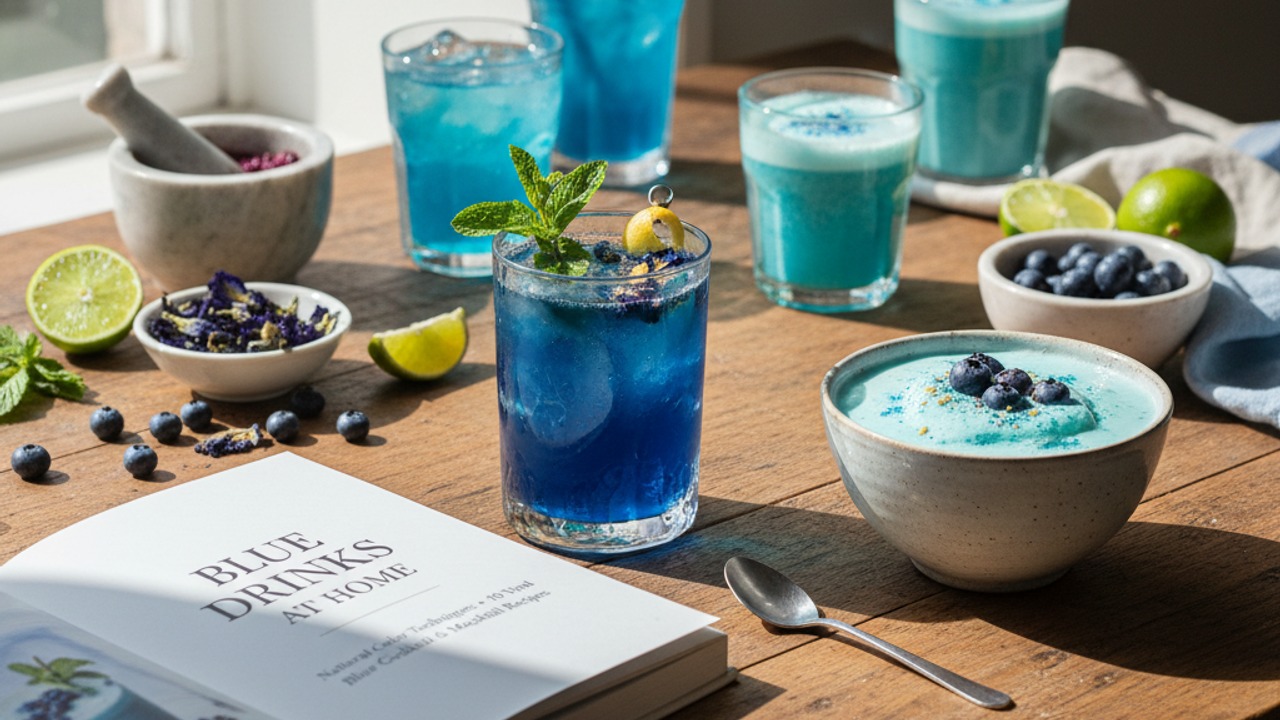
Blue Drinks at Home: Natural Color Techniques + 10 Viral Blue Cocktail & Mocktail Recipes
Discover how to make stunning blue drinks at home using natural ingredients like butterfly pea and blue spirulina. This guide includes practical techniques, storage tips, and 10 viral cocktail and mocktail recipes — many with grilled-garnish ideas for backyard entertaining.
More from Drinks
View all Drinks recipes →
Brown Butter Dalgona

Mushroom Mocha Latte

Hibiscus Cold Brew Fizz

Boozy Red White Blue Popsicles (Vodka Ice Pops for Adults)

Hibiscus Simple Syrup

Affogato with Caramel

Bourbon Canned Peaches

Labor Day Grilled-Pineapple Rum Punch (Large-Batch, Grill-Ready)

Homemade Eggnog
Ask me anything about this recipe — substitutions, scaling, techniques, timing.
Powered by AI · 6 questions per 5 minutes, 30 per day