Garlic Butter Scallops
Quick, restaurant-style seared scallops finished with a bright garlic‑butter pan sauce. Crisp golden crusts contrast with a tender interior, and a splash of lemon plus fresh parsley keeps the sauce light and fresh.
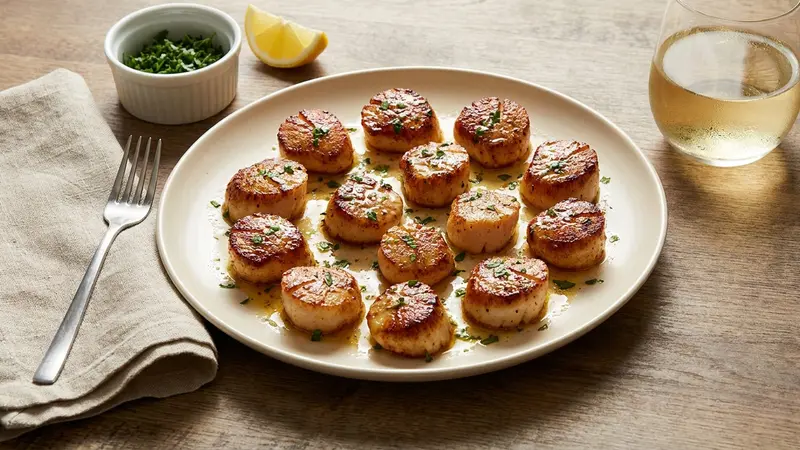
Ingredient Spotlight
Sea scallops (dry), large
The adductor muscle of a large marine bivalve, commonly used in seafood dishes; 'dry' indicates the scallops have not been soaked in phosphates or excessive water at packing. They have a sweet, delicate, slightly briny flavor and a tender, meaty texture that sears to a golden crust when cooked properly. Look for them at good fishmongers, seafood counters, or specialty grocers (often labeled 'dry-packed'); as substitutes use large shrimp or a firm white fish like halibut or sea bass, or smaller bay scallops if you adjust cooking times.
Jake Woods's note
"I recommend using truly dry scallops and patting them paper-dry right before they hit the pan — that’s the single most important step for a golden crust. Watch the butter: once it foams, add the garlic and reduce heat so it perfumes the sauce without browning and turning bitter."
About This Recipe
This Garlic Butter Scallops recipe is built around one straightforward idea: a very hot pan for a quick, color-first sear, then a luscious, brightened butter sauce that doesn’t overpower the delicate sea flavor. Using dry scallops (not those soaked in phosphates) and getting them bone-dry before searing produces the crisp, deeply caramelized crust that contrasts with the tender, just-opaque interior. A splash of fresh lemon and chopped parsley keeps the sauce from feeling heavy, and a pinch of red pepper flakes introduces a subtle lift if you like heat.
Because the cook time is measured in minutes, this is a great dinner-party starter or a fast main when paired with a starch. The method is forgiving in one way — scallops are quick to finish — but strict in another: heat and timing control. The result is restaurant-style scallops with a buttery, garlicky pan sauce that feels elevated without extra fuss, and it’s easy to scale or adapt with small ingredient swaps while keeping the essential technique intact.
Plan your timing
Ingredients for Garlic Butter Scallops
- 12 pieces Sea scallops (dry), large
- 1 tsp Kosher salt
- 1/2 tsp Freshly ground black pepper
- 1 tbsp Olive oil
- 3 tbsp Unsalted butter
- 3 cloves Garlic, minced
- 1 tbsp Fresh lemon juice
- 2 tbsp Fresh parsley, chopped
- a pinch Red pepper flakes (optional)
How to Make Garlic Butter Scallops
Step 1: Prepare scallops
Active 8 min
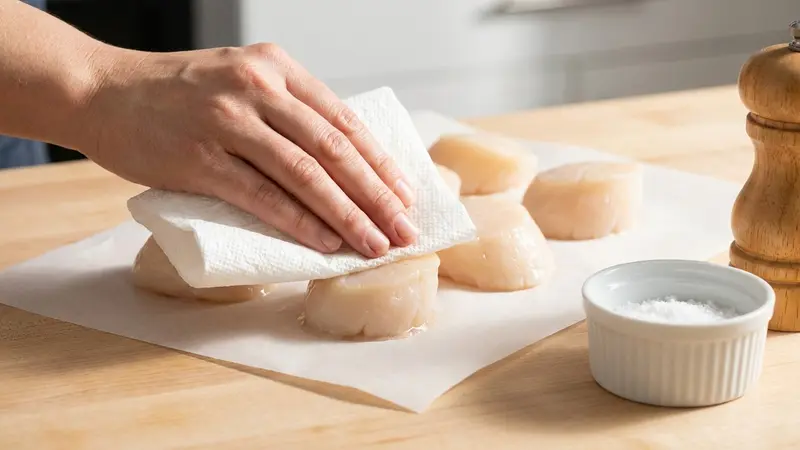
If frozen, thaw Sea scallops (dry), large in the refrigerator overnight. Pat the Sea scallops (dry), large thoroughly dry with paper towels and remove/discard the small side muscle if present. Season both sides of the Sea scallops (dry), large evenly with Kosher salt and Freshly ground black pepper.For this step
- 12 piecesSea scallops (dry), large
- 1 tspKosher salt
- 1/2 tspFreshly ground black pepper
Step 2: Heat skillet and sear scallops
Active 6 min
Heat a 10–12‑inch heavy skillet over medium‑high heat until very hot. Add Olive oil and swirl to coat. Arrange the Sea scallops (dry), large in a single layer without crowding—sear in 1–2 batches if your pan won't hold them all. Cook undisturbed 1½–2 minutes per side (large scallops), until a deep golden crust forms; flip once and sear the second side 1½–2 minutes until the center is just opaque. Transfer scallops to a warm plate and tent loosely.For this step
- 1 tbspOlive oil
Step 3: Make garlic‑butter sauce and finish
Active 4 min
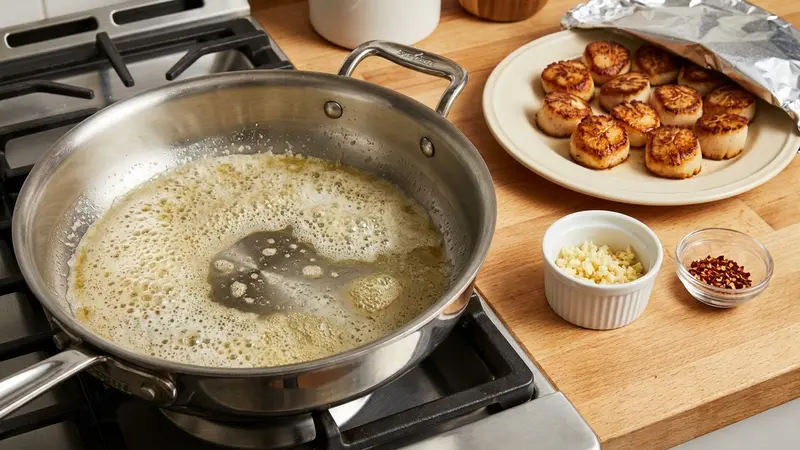
Reduce heat to medium and add Unsalted butter to the hot pan. When the Unsalted butter melts and begins to foam, add Garlic, minced and Red pepper flakes (optional) and cook, stirring, 20–30 seconds until fragrant but not browned. Stir in Fresh lemon juice, return the Sea scallops (dry), large to the pan, and spoon the foaming garlic‑butter over them for 20–30 seconds to warm through. Sprinkle with Fresh parsley, chopped just before plating.For this step
- 3 tbspUnsalted butter
- 3 clovesGarlic, minced
- 1 tbspFresh lemon juice
- 2 tbspFresh parsley, chopped
- a pinchRed pepper flakes (optional)
Step 4: Plate and serve
Active 2 min
Arrange the Sea scallops (dry), large on warmed plates, spoon the garlic‑butter sauce and parsley over them, and serve immediately. Makes 12 finished seared scallops; serve 3 scallops per serving (serves 4).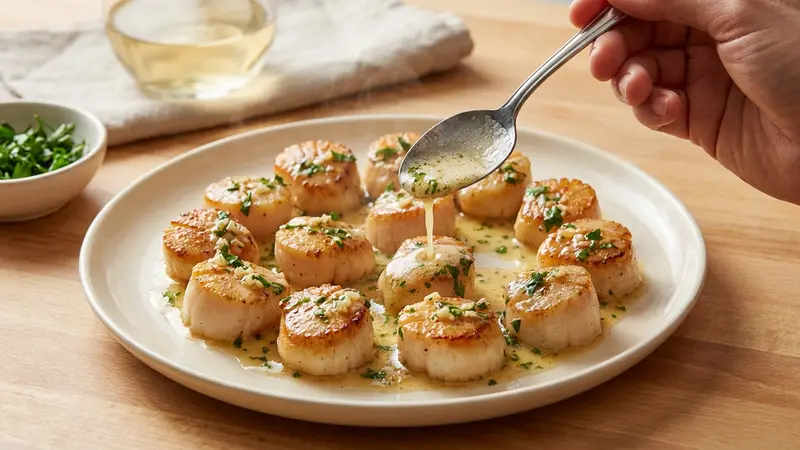
- If frozen, thaw Sea scallops (dry), large in the refrigerator overnight. Pat the Sea scallops (dry), large thoroughly dry with paper towels and remove/discard the small side muscle if present. Season both sides of the Sea scallops (dry), large evenly with Kosher salt and Freshly ground black pepper.
- Heat a 10–12‑inch heavy skillet over medium‑high heat until very hot. Add Olive oil and swirl to coat. Arrange the Sea scallops (dry), large in a single layer without crowding—sear in 1–2 batches if your pan won't hold them all. Cook undisturbed 1½–2 minutes per side (large scallops), until a deep golden crust forms; flip once and sear the second side 1½–2 minutes until the center is just opaque. Transfer scallops to a warm plate and tent loosely.
- Reduce heat to medium and add Unsalted butter to the hot pan. When the Unsalted butter melts and begins to foam, add Garlic, minced and Red pepper flakes (optional) and cook, stirring, 20–30 seconds until fragrant but not browned. Stir in Fresh lemon juice, return the Sea scallops (dry), large to the pan, and spoon the foaming garlic‑butter over them for 20–30 seconds to warm through. Sprinkle with Fresh parsley, chopped just before plating.
- Arrange the Sea scallops (dry), large on warmed plates, spoon the garlic‑butter sauce and parsley over them, and serve immediately. Makes 12 finished seared scallops; serve 3 scallops per serving (serves 4).
Garlic Butter Scallops Tips
Choose dry scallops
Buy “dry” or label-free scallops rather than “wet”/soaked ones so they sear instead of steaming; if unsure, press one — wet scallops feel damp and release liquid.
Pat completely dry
Use several layers of paper towel and finish just before seasoning; any surface moisture prevents proper browning.
Don’t overcrowd the pan
A 10–12-inch skillet will usually fit 6–8 large scallops comfortably; sear in 1–2 batches so each scallop touches the pan without crowding.
Control the garlic
Add minced garlic once the butter foams and lower the heat, stirring for only 20–30 seconds to avoid bitterness.
Use a visual doneness cue
Large scallops need about 1½–2 minutes per side; they’re done when the exterior is golden and the center is just opaque and springy.
Garlic Butter Scallops Variations and Substitutions
Brown-butter and thyme
Finish with browned butter and a teaspoon of chopped fresh thyme instead of plain butter for a nuttier, herbaceous note; add lemon at the end to brighten.
White wine and shallot
After removing scallops, sauté 1 small minced shallot in the butter, deglaze with 2 tablespoons dry white wine, reduce slightly, then add lemon and parsley for a more complex pan sauce.
Spicy chili-garlic
Increase the red pepper flakes to 1/4 tsp and add 1/2 teaspoon chili-garlic sauce or sambal for a bolder, Asian-leaning finish.
Citrus-herb twist
Replace half the lemon juice with 1 teaspoon orange zest and fold in chopped chives for a brighter citrus profile that pairs well with a light salad.
How to Store and Make Garlic Butter Scallops Ahead
Refrigerate leftovers within two hours in a shallow, airtight container and use within 3–4 days. Reheating scallops quickly can toughen them, so gently warm in a skillet over low heat with a teaspoon of butter and a splash of water or serve cold tossed into a salad or pasta; if reheating, bring to 165°F/74°C for safety.
What to Serve With Garlic Butter Scallops
Serve three scallops per person over lemon-parsley butter drizzled on a bed of creamy risotto, cauliflower purée, or simple buttered pasta to catch the sauce. Pair with quick sautéed greens or roasted fingerlings and a crisp, unoaked white wine such as Vermentino or Sauvignon Blanc to complement the lemony butter.
Garlic Butter Scallops FAQs
What are "dry" scallops and why do they matter?
"Dry" scallops are not treated with phosphate solutions and retain less surface moisture, which allows them to brown properly; they produce a superior crust compared with "wet" scallops that tend to steam.
How can I tell when scallops are fully cooked?
Look for a deep golden crust and an interior that is just opaque and firm to the touch; for safety, fish should reach 145°F/63°C, but visual and tactile cues are commonly used for scallops.
Can I use olive oil instead of butter?
Use olive oil to get the pan hot for searing, as in the recipe, but finish with butter for the sauce — clarified butter is an option if you want higher heat without the milk solids burning.
Can I cook scallops from frozen?
Thaw frozen scallops overnight in the refrigerator, then pat completely dry before seasoning and searing; cooking from frozen risks uneven cooking and excess moisture.
Why did my scallops stick to the pan?
Sticking usually means the pan wasn’t hot enough or the scallops were damp; heat the skillet until very hot, add oil, then place dry scallops and leave them undisturbed until a golden crust forms.
About the author
Jake WoodsHello, I'm Jake. I started this recipe site with the idea that I hated recipe websites that overwhelm you with long stories and ads just to see plain content that's not helpful. My goal is to provide you with quality recipes, simple ideas and a fun cooking experience. There's lots of fun things to cook, and I think as you browse the site you'll find that TopShelf.Recipes is the place for quality recipes on the web.
See all recipes by Jake Woods →Ratings & Reviews
Did you make this recipe?
Be the first to share your experience.
Nutrition Facts
Per serving: 1 serving
Nutrition values are estimated from USDA ingredient data and may vary based on preparation, brands, and portion sizes. Values are provided for informational purposes only.
Keep Reading
Guides & articles for this recipe
Seasonal
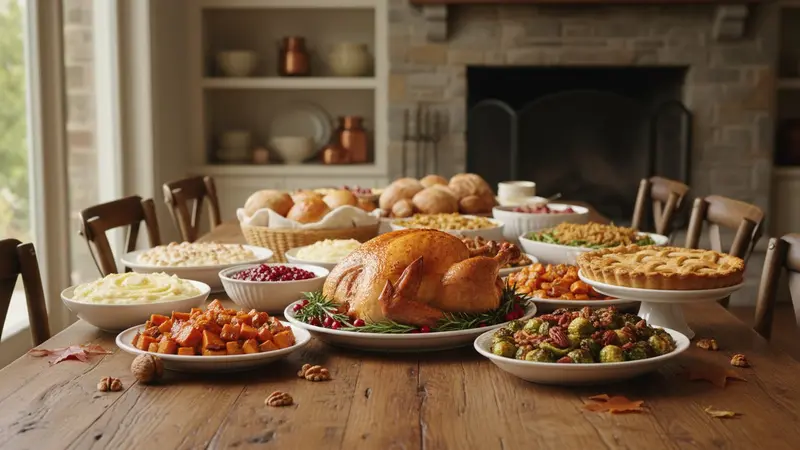
Mastering Thanksgiving Sides
A practical roundup of Thanksgiving side dishes that balance make-ahead ease with crowd-pleasing flavor. Find vegetable roasts, creamy potatoes, classic casseroles, and breads to round out your holiday table.
Tips & Techniques
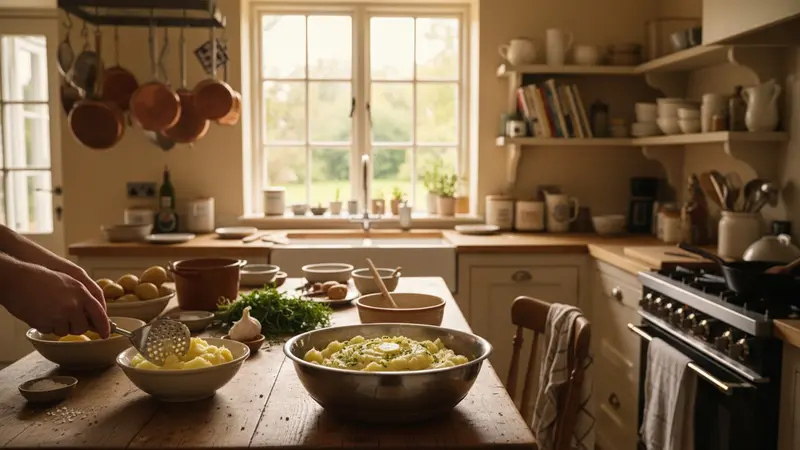
Make the Best Mashed Potatoes
A clear, practical guide to choosing the right potato and dialing texture for fluffy, creamy, or chunky mashed potatoes. Covers store-bought potato types (Russet, Yukon, Red), tools and step-by-step technique, and how to avoid common pitfalls.
Tips & Techniques
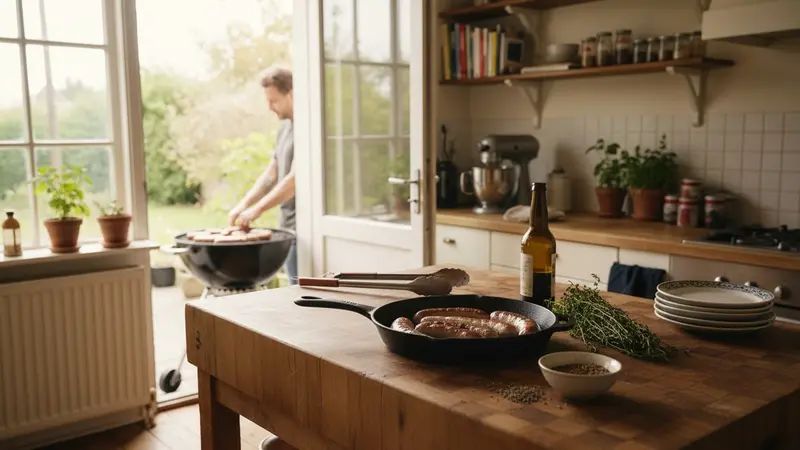
Grilling Brats: Tender, Juicy Results
Practical, cookable guidance for grilling bratwurst so they stay tender and juicy from first bite to last. Covers choosing the right sausage, gentle prep and par-cooking, grill heat management, finishing without drying, and serving traditions.
More from Stovetop
View all Stovetop recipes →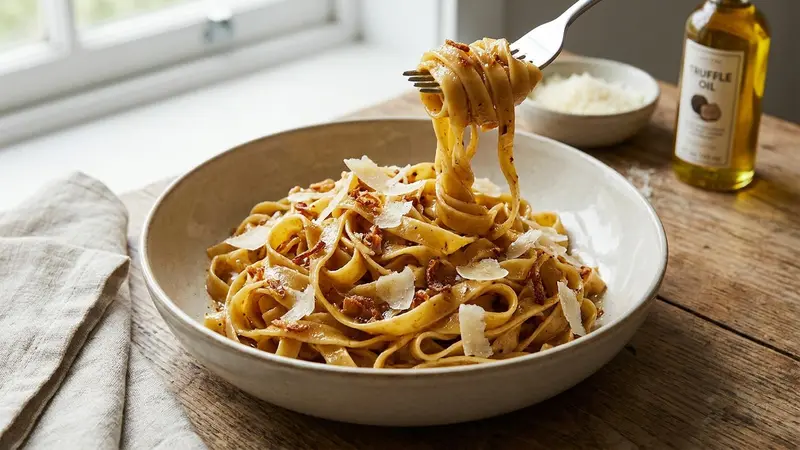
Truffle Tagliatelle with Brown Butter, Crispy Shallots and Parmigiano
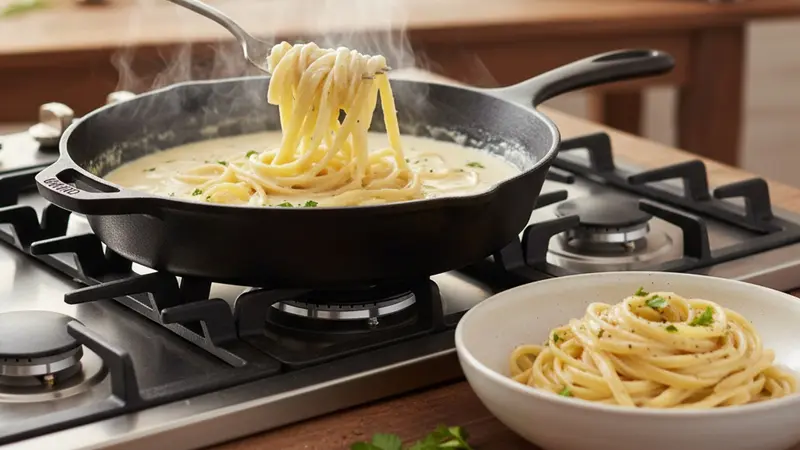
Easy Alfredo Sauce Without Cream (Butter, Milk, and Parmesan)
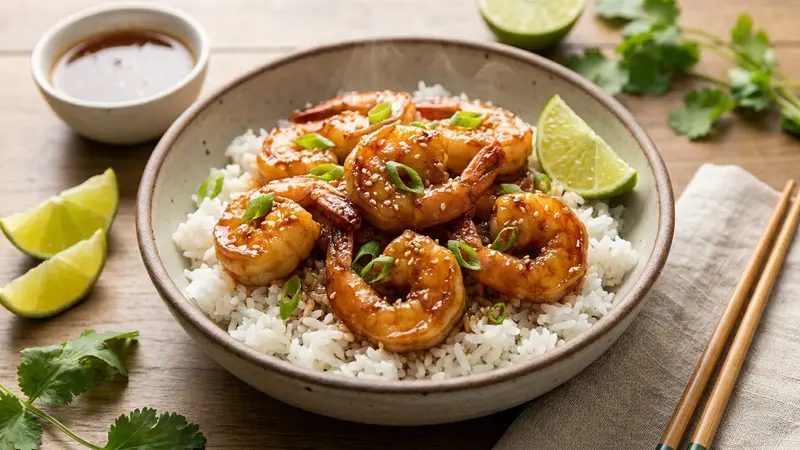
Honey Garlic Shrimp Rice Bowl (15-Minute Stovetop Dinner)
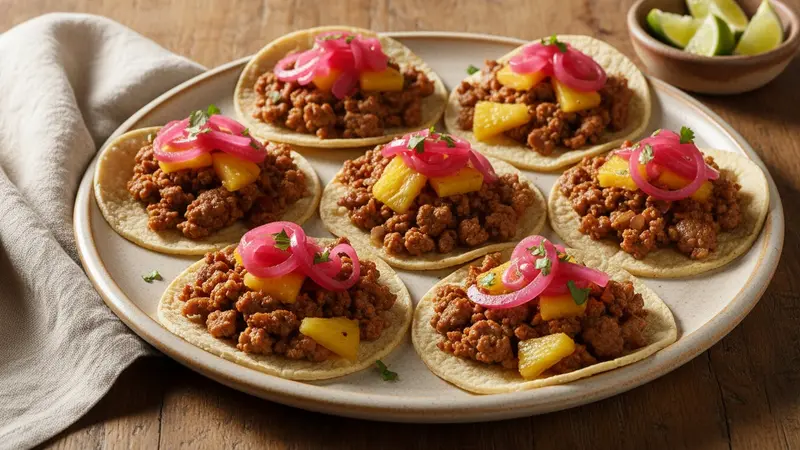
Citrus Pineapple Ground Pork Tacos with Quick Pickled Onions
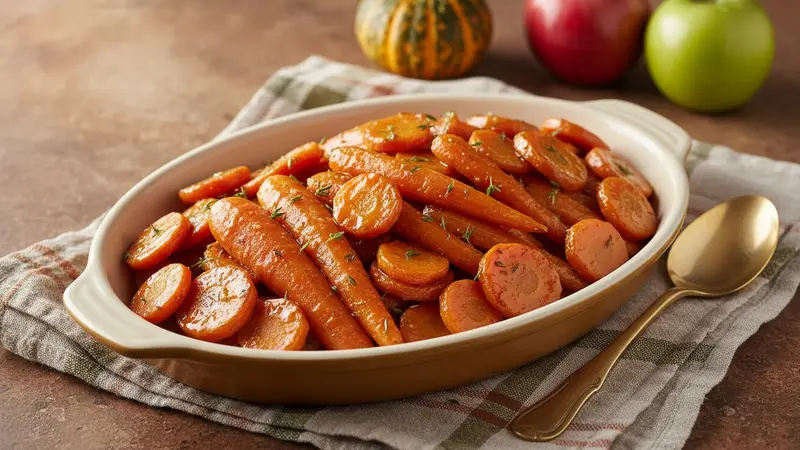
Maple Glazed Carrots
Grilled S'mores Skewers with Spiced Chocolate
Frank's Red Hot Buffalo Street Corn Dip
Easy Beef and Broccoli Stir-Fry with Hoisin-Style Sauce (25 Minutes)
White Chicken Chili
Ask me anything about this recipe — substitutions, scaling, techniques, timing.
Powered by AI · 6 questions per 5 minutes, 30 per day