Hibiscus Iced Tea (Agua de Jamaica) with Lime and Honey
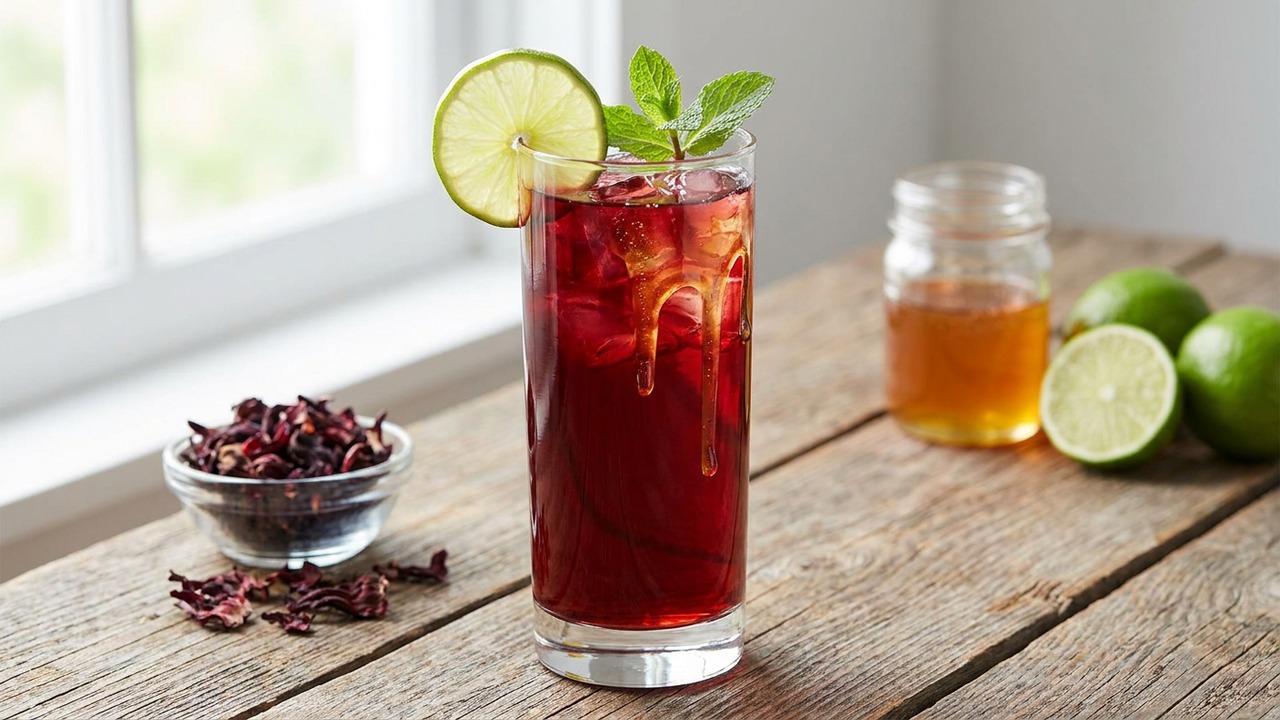
A bright, ruby-red hibiscus iced tea (Agua de Jamaica) sweetened with honey and lifted with fresh lime for a balanced, refreshing summer drink. Simple to make, this recipe includes guidance to tweak sweetness and acidity so you can tailor it to your taste.
About This Recipe
Agua de Jamaica is the sort of summer drink that wears its color before its flavor: an electric ruby-red infusion with a tart, hibiscus-forward bite that finishes floral and clean. In this version I trade the traditional granulated sugar for honey, which rounds the edges of the hibiscus’ bright tartness and adds a subtle floral sweetness that plays nicely against fresh lime. A tiny pinch of salt is the sort of chef trick that makes all the flavors pop—the honey tastes sweeter, the lime tastes brighter, and the whole pitcher reads as balanced rather than cloying.
This recipe is built to be flexible. Steep shorter for a gentler, more perfumed tea or longer for a robust tartness that stands up to carbonation or spirit-forward cocktails. Use the warm infusion moment to dissolve the honey fully and taste carefully before chilling so you can dial in sweetness and acidity precisely. The result is a kid-friendly, caffeine-free refresher that also makes an effortless mixer for tequila or rum when you want to graduate from pitcher to party.
Ingredients for Hibiscus Iced Tea (Agua de Jamaica) with Lime and Honey
- 1 cup Dried hibiscus (agua de Jamaica / flor de jamaica)
- 8 cups Water
- 1/3 cup Honey
- a pinch Fine salt
- 1/4 cup Fresh lime juice
- 1 lime Lime, thinly sliced (for garnish)
- 4 cups Ice cubes
- 1 stick cinnamon stick (optional)
How to Make Hibiscus Iced Tea (Agua de Jamaica) with Lime and Honey
Step 1: Bring hibiscus to a boil and steep
Combine the dried hibiscus and water in a medium saucepan and bring to a gentle boil over medium-high heat. Once boiling, remove from the heat, cover, and let steep for 10–15 minutes until the liquid is deep ruby and fragrant. Steeping time controls intensity—shorter for lighter flavor, longer for a more tart, floral brew.For this step
- 1 cupDried hibiscus (agua de Jamaica / flor de jamaica)
- 8 cupsWater
- 1 stickcinnamon stick (optional)
Step 2: Strain and sweeten while warm
Strain the hot infusion through a fine-mesh sieve into a heatproof pitcher, pressing gently on the solids to extract the last bit of liquid and discarding the solids. While the tea is still warm, stir in the honey and a pinch of salt until fully dissolved so the sweetness distributes evenly. Taste and adjust sweetness now if you prefer it less or more sweet.For this step
- 1/3 cupHoney
- a pinchFine salt
Step 3: Add lime for brightness
Stir in fresh lime juice to the warm tea to add bright acidity that balances the hibiscus tartness and honey sweetness. Start with the recipe amount, then taste and add up to 1–2 tablespoons more if you want a more pronounced citrus bite. Lime also rounds the flavors and enhances the color.For this step
- 1/4 cupFresh lime juice
Step 4: Adjust sweetness and acidity (simple guide)
If the tea is too tart, sweeten gradually with additional honey (1 teaspoon at a time) and stir until dissolved; if too sweet, add more fresh lime juice or dilute with a little cold water. For a lighter fizzy variation, dilute up to 1 part tea to 1 part sparkling water when serving. Keep notes on your preferred balance so you can replicate it next time.Step 5: Chill and serve over ice
Allow the tea to cool to room temperature, then refrigerate until well chilled, about 45–60 minutes, or speed up by placing the pitcher in an ice bath. To serve, fill glasses with ice, pour the chilled hibiscus tea, garnish with lime slices, and serve immediately for best refreshment.For this step
- 1 limeLime, thinly sliced (for garnish)
- 4 cupsIce cubes
Step 6: Storage and variations
Store leftovers in a sealed pitcher or bottle in the refrigerator for up to 5 days and stir or shake before serving. Variations: add a cinnamon stick while steeping for warm spice, substitute maple syrup for honey for a different sweetness profile, or spike individual servings with tequila or rum for a cocktail version.


- Combine the dried hibiscus and water in a medium saucepan and bring to a gentle boil over medium-high heat. Once boiling, remove from the heat, cover, and let steep for 10–15 minutes until the liquid is deep ruby and fragrant. Steeping time controls intensity—shorter for lighter flavor, longer for a more tart, floral brew.
- Strain the hot infusion through a fine-mesh sieve into a heatproof pitcher, pressing gently on the solids to extract the last bit of liquid and discarding the solids. While the tea is still warm, stir in the honey and a pinch of salt until fully dissolved so the sweetness distributes evenly. Taste and adjust sweetness now if you prefer it less or more sweet.
- Stir in fresh lime juice to the warm tea to add bright acidity that balances the hibiscus tartness and honey sweetness. Start with the recipe amount, then taste and add up to 1–2 tablespoons more if you want a more pronounced citrus bite. Lime also rounds the flavors and enhances the color.
- If the tea is too tart, sweeten gradually with additional honey (1 teaspoon at a time) and stir until dissolved; if too sweet, add more fresh lime juice or dilute with a little cold water. For a lighter fizzy variation, dilute up to 1 part tea to 1 part sparkling water when serving. Keep notes on your preferred balance so you can replicate it next time.
- Allow the tea to cool to room temperature, then refrigerate until well chilled, about 45–60 minutes, or speed up by placing the pitcher in an ice bath. To serve, fill glasses with ice, pour the chilled hibiscus tea, garnish with lime slices, and serve immediately for best refreshment.
- Store leftovers in a sealed pitcher or bottle in the refrigerator for up to 5 days and stir or shake before serving. Variations: add a cinnamon stick while steeping for warm spice, substitute maple syrup for honey for a different sweetness profile, or spike individual servings with tequila or rum for a cocktail version.
Hibiscus Iced Tea (Agua de Jamaica) with Lime and Honey Tips
Rinse the hibiscus
Give the dried calyces a quick rinse to remove dust and tiny fragments; this keeps the infusion clear and reduces gritty bits in the bottom of the pitcher.
Watch the steep time
Steep 10 minutes for a bright, floral cup and up to 15 for pronounced tartness; longer than that risks astringency as tannins release.
Sweeten while warm
Dissolve honey into the hot tea so it incorporates evenly; if using a thicker sweetener like maple, warm it slightly to help it blend.
Use a pinch salt
Salt heightens the perceived sweetness and reduces bitterness—start with an eighth teaspoon and only add more if flavors feel flat.
Cool fast in ice bath
To preserve the fresh lime flavor and brilliant color, place the pitcher in an ice bath to chill quickly before refrigerating.
Hibiscus Iced Tea (Agua de Jamaica) with Lime and Honey Variations and Substitutions
Cinnamon-Spiced Hibiscus
Add a single cinnamon stick to the pot while the tea heats and steep together for a warm, autumnal note that pairs well with roasted meats.
Ginger-Lime Twist
Slice a 2-inch knob of fresh ginger and simmer it with the hibiscus for a peppery lift; strain and finish with lime as directed for a zesty kick.
Maple or Agave Swap
Use equal volume maple syrup or agave nectar instead of honey for a different sweetness profile—maple adds smoky depth while agave keeps the flavor neutral.
Sparkling Hibiscus Cooler
Make the concentrate as written, then serve one part tea to one part chilled sparkling water for an effervescent, lower-sugar version ideal for brunch.
How to Store and Make Hibiscus Iced Tea (Agua de Jamaica) with Lime and Honey Ahead
Keep leftover hibiscus tea in a sealed pitcher or bottle in the refrigerator for up to 5 days, shaking or stirring before serving to redistribute settled particles. If you make a concentrate, refrigerate for up to 7 days and dilute to taste when serving. Avoid freezing in glass; if you must freeze, use a plastic container and expect a slight change in aroma on thawing.
What to Serve With Hibiscus Iced Tea (Agua de Jamaica) with Lime and Honey
Serve over plenty of ice with thin lime wheels and a sprig of fresh mint for contrast; the bright acidity pairs beautifully with grilled chicken tacos, ceviche, or a cheese board featuring manchego and aged cheddar. For a boozy option, offer tequila blanco or silver rum on the side so guests can spike individual glasses to taste.
Hibiscus Iced Tea (Agua de Jamaica) with Lime and Honey FAQs
Can I use fresh hibiscus instead of dried?
Fresh hibiscus flowers can work but are harder to source; if you have them, use roughly double the weight of dried and reduce steeping time slightly, tasting as you go to avoid over-extraction.
Why is my tea bitter or astringent?
Over-steeping or boiling aggressively releases tannins that cause bitterness; keep to a gentle boil, remove from heat, and stick within the 10–15 minute steep window.
How can I make this less sweet without losing flavor?
First add more lime juice to increase perceived brightness, then dilute with a little cold water or sparkling water; the pinch of salt will help flavors read fuller even with less sweetness.
Is honey the best sweetener for this drink?
Honey adds floral complexity that complements hibiscus, but cane sugar, agave, or maple syrup are all fine substitutes—adjust quantities by taste since sweetness intensity varies.
Can I make this into a cocktail base?
Yes—treat the chilled tea as a mixer: a 2:1 tea to tequila ratio makes a refreshing low-ABV cocktail, or use equal parts tea and sparkling water with a shot of rum for a lighter spritz.
About the author
Jake WoodsHello, I'm Jake. I started this recipe site with the idea that I hated recipe websites that overwhelm you with long stories and ads just to see plain content that's not helpful. My goal is to provide you with quality recipes, simple ideas and a fun cooking experience. There's lots of fun things to cook, and I think as you browse the site you'll find that TopShelf.Recipes is the place for quality recipes on the web.
See all recipes by Jake Woods →Ratings & Reviews
Did you make this recipe?
Be the first to share your experience.
Nutrition Facts
Per serving: about 10 fl oz
Nutrition values are estimated from USDA ingredient data and may vary based on preparation, brands, and portion sizes. Values are provided for informational purposes only.
Keep Reading
Guides & articles for this recipe
Guides
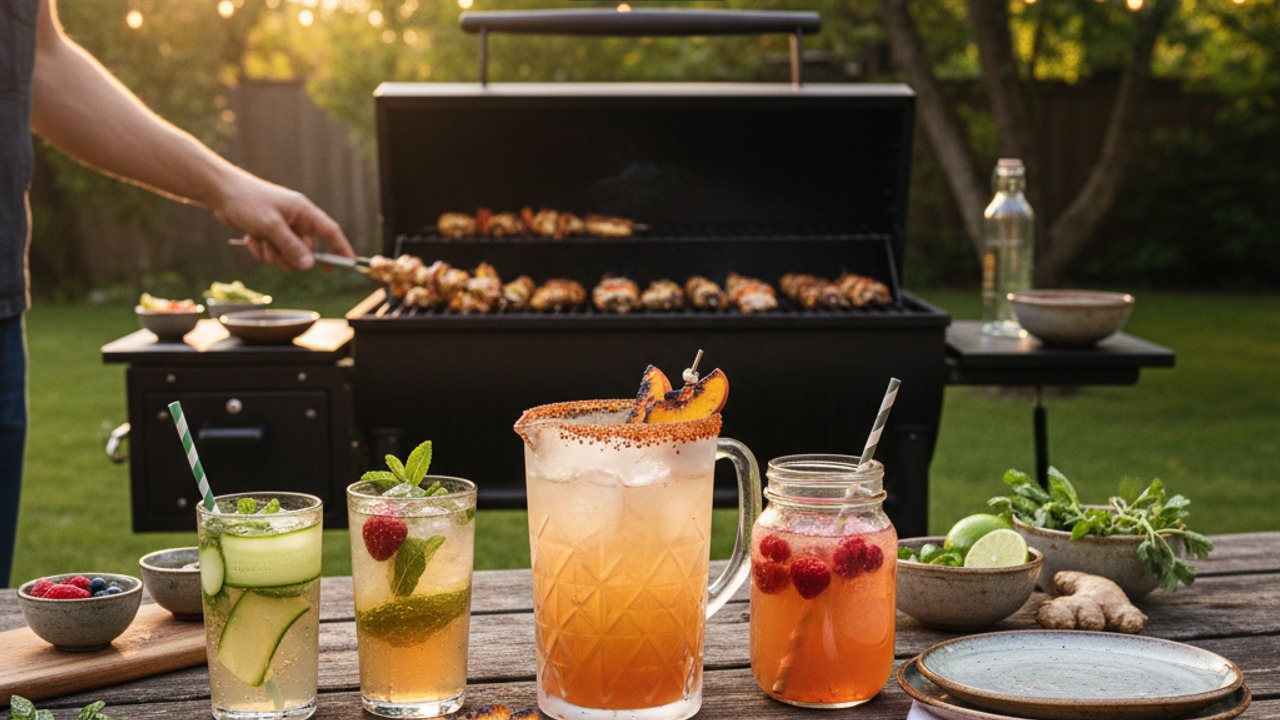
Trending Grillside Drinks for 2026: Cocktails, Low‑ABV Sippers, and Non‑Alcoholic Pairings to Elevate Backyard BBQ
Discover the hottest drinks to serve alongside summer grilling in 2026 — from smoked‑syrup cocktails and barrel‑aged RTDs to low‑ABV spritzes, shrubs, kombuchas, and tea blends. Includes batch-making tips, safety notes, and pairing suggestions for common grilled proteins and sides.
Recipes
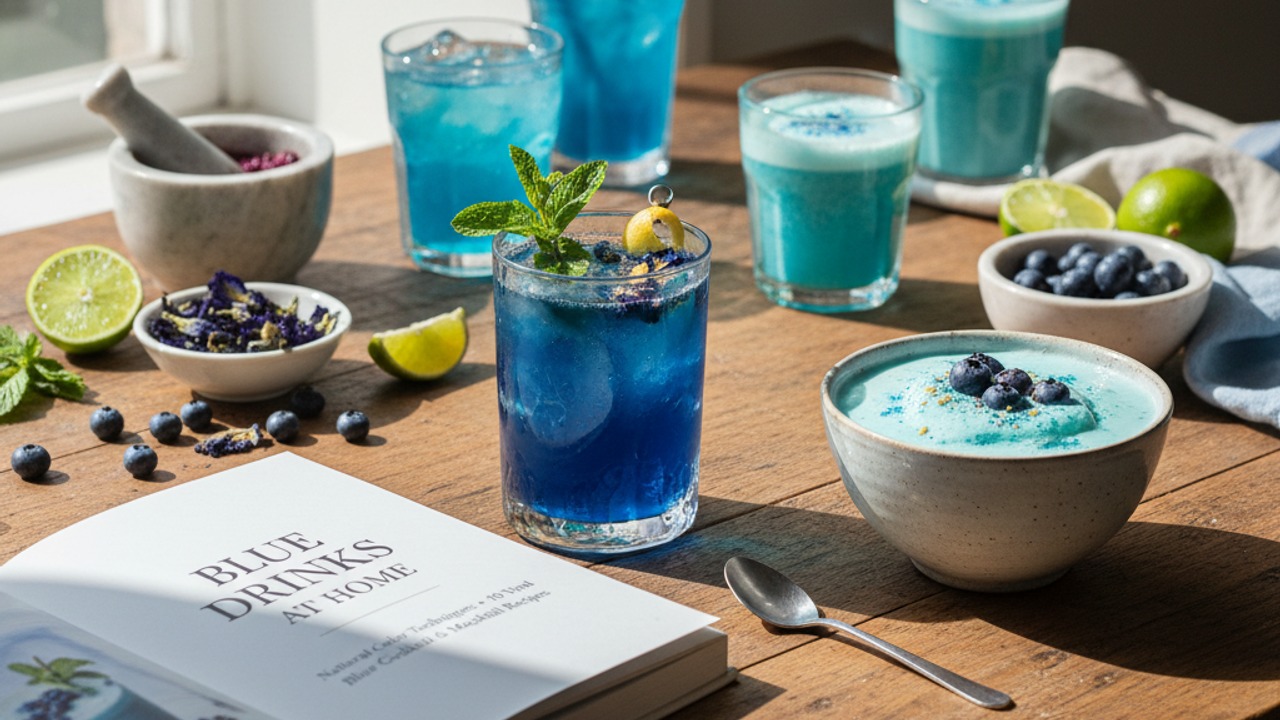
Blue Drinks at Home: Natural Color Techniques + 10 Viral Blue Cocktail & Mocktail Recipes
Discover how to make stunning blue drinks at home using natural ingredients like butterfly pea and blue spirulina. This guide includes practical techniques, storage tips, and 10 viral cocktail and mocktail recipes — many with grilled-garnish ideas for backyard entertaining.

Healthy Eating
Gluten-Free Weeknight Grilling Plan
A 7-day gluten-free weeknight grilling plan with quick, family-friendly recipes, prep-ahead timelines, and a printable shopping list that spotlights late-summer produce and pantry staples. Includes clear cross-contamination safety tips and simple swaps to keep dinners fast and crowd-pleasing.
More from Drinks
View all Drinks recipes →
Non Alcoholic Manhattan

Cadillac Margarita Pitcher

Garibaldi Cocktail

Watermelon Agua Fresca (Easy Blender Recipe)

Bellini Cocktail

Maple Hot Toddy

Low-Sugar Old Fashioned

Classic Manhattan Cocktail

Blueberry Lavender Vodka
Ask me anything about this recipe — substitutions, scaling, techniques, timing.
Powered by AI · 6 questions per 5 minutes, 30 per day