Homemade Limoncello
Bright, aromatic homemade limoncello made with just lemons, neutral spirit, and simple syrup. This classic Italian digestif is easy to make ahead and rewards patience with a silky, intensely lemony liqueur perfect for after-dinner sipping or gifting.
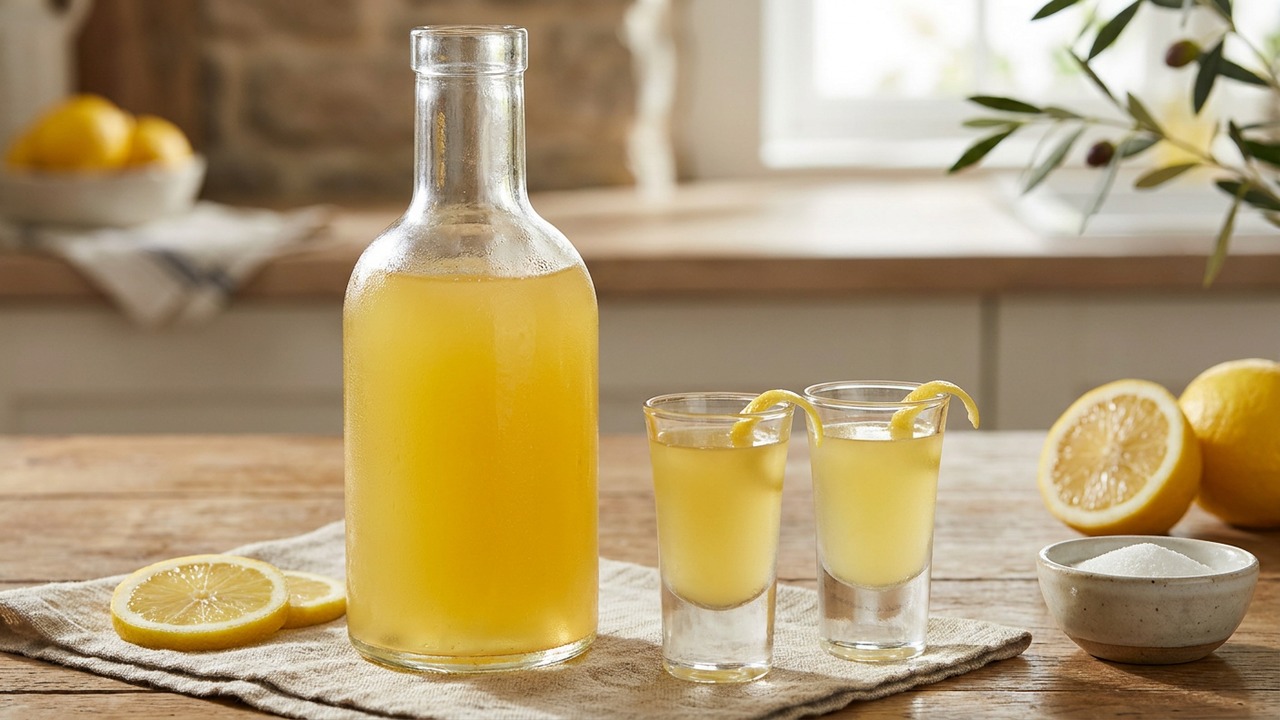
Ingredient Spotlight
Neutral grain alcohol or high-proof vodka
A very high-proof, nearly flavorless distilled spirit (often sold as “neutral grain spirit” or brands like Everclear) used to extract oils and make liqueurs and tinctures. It isn’t tied to a single cuisine but is commonly used in European liqueur-making (for example, limoncello) and in preservation/extraction techniques. It tastes of intense alcohol heat with little other aroma; because of its strength it’s regulated in some U.S. states. You can usually find it at larger liquor stores where sold; if unavailable, substitute a high-proof vodka (100–151 proof) or, more safely, regular vodka (80–100 proof) while extending infusion time or using a bit more, but be aware of flavor/alcohol differences and local legal limits.
Jake Woods's note
"This limoncello shines when made with unwaxed organic lemons and given time to mellow — it’s ideal for celebrations or as a handcrafted gift. Home cooks will love how a few simple ingredients turn into a fragrant, silky liqueur with minimal hands-on work."
About This Recipe
Homemade limoncello is one of those projects that rewards a little patience with intensely bright, fragrant rewards — think lemon oil concentrated into a silky, slightly viscous liqueur that coats the tongue with clean citrus, then sweetens into a warming finish. This version keeps the ingredient list deliberately short: just lemon zest, a neutral high-proof spirit or vodka, and a classic 1:1 simple syrup. Using ten organic lemons gives the infusion a true, essential-oil aroma rather than a generic citrus note, while a restrained sugar level preserves brightness so the lemon remains the star.
What makes this recipe work is attention to technique more than exotic ingredients: only remove the yellow zest to avoid bitterness, agitate the jar daily so the alcohol extracts evenly, and always cool your syrup before marrying it with the alcohol to protect volatile aromatics. Let the bottled limoncello rest in the fridge or freezer for at least a week to let the edges round off; after that it’s at home as a chilled digestif, a spooned flourish on gelato, or a lively addition to a Prosecco spritz. It’s for people who love clean citrus intensity, like to make gifts, and enjoy a project that’s more hands-off than it feels.
Ingredients for Homemade Limoncello
- 10 count Organic lemons (zest only)
- 25 fl oz Neutral grain alcohol or high-proof vodka
- 2 cups Granulated sugar
- 2 cups Water
- 8 slices Lemon slices (optional, for serving)
- 1 cup Ice (optional, for serving)
- 8 sprigs Fresh mint sprigs (optional garnish)
How to Make Homemade Limoncello
Step 1: Prepare and zest the lemons
Wash the lemons thoroughly (preferably organic) and dry. Using a vegetable peeler or microplane, remove only the yellow zest from the lemons, avoiding the bitter white pith. Place the zests in a clean, large glass jar with a tight-fitting lid.For this step
- 10 countOrganic lemons (zest only)
Step 2: Combine zest and alcohol to infuse
Pour the neutral grain alcohol or high-proof vodka over the lemon zest so the peels are fully submerged. Seal the jar and store it in a cool, dark place for 7–10 days (or up to 2 weeks) to extract the oils, shaking the jar gently once a day to agitate the peels.For this step
- 25 fl ozNeutral grain alcohol or high-proof vodka
Step 3: Make the simple syrup
When the infusion has developed a strong lemon aroma and deep color, make a simple syrup by heating the water and granulated sugar in a saucepan until the sugar dissolves; you do not need to boil vigorously. Allow the syrup to cool to room temperature before using.For this step
- 2 cupsGranulated sugar
- 2 cupsWater
Step 4: Strain and combine
Strain the lemon-infused alcohol through a fine-mesh sieve lined with cheesecloth into a large bowl or pitcher to remove zest and sediment. Discard the peels, then slowly add the cooled simple syrup to the infused alcohol, tasting and adjusting sweetness if desired.Step 5: Bottle and age
Using a funnel, transfer the blended limoncello into clean glass bottles and seal tightly. For the best flavor, let the bottled limoncello rest in the refrigerator or freezer for at least 1–2 weeks to round and marry the flavors — longer aging yields a smoother liqueur.Step 6: Chill and serve
Serve limoncello well chilled in small chilled glasses (about 1.5 fl oz / 45 ml per pour). Garnish with a thin lemon slice and a mint sprig if desired, and serve over ice if you prefer a slightly diluted, refreshing drink.For this step
- 8 slicesLemon slices (optional, for serving)
- 1 cupIce (optional, for serving)
- 8 sprigsFresh mint sprigs (optional garnish)


- Wash the lemons thoroughly (preferably organic) and dry. Using a vegetable peeler or microplane, remove only the yellow zest from the lemons, avoiding the bitter white pith. Place the zests in a clean, large glass jar with a tight-fitting lid.
- Pour the neutral grain alcohol or high-proof vodka over the lemon zest so the peels are fully submerged. Seal the jar and store it in a cool, dark place for 7–10 days (or up to 2 weeks) to extract the oils, shaking the jar gently once a day to agitate the peels.
- When the infusion has developed a strong lemon aroma and deep color, make a simple syrup by heating the water and granulated sugar in a saucepan until the sugar dissolves; you do not need to boil vigorously. Allow the syrup to cool to room temperature before using.
- Strain the lemon-infused alcohol through a fine-mesh sieve lined with cheesecloth into a large bowl or pitcher to remove zest and sediment. Discard the peels, then slowly add the cooled simple syrup to the infused alcohol, tasting and adjusting sweetness if desired.
- Using a funnel, transfer the blended limoncello into clean glass bottles and seal tightly. For the best flavor, let the bottled limoncello rest in the refrigerator or freezer for at least 1–2 weeks to round and marry the flavors — longer aging yields a smoother liqueur.
- Serve limoncello well chilled in small chilled glasses (about 1.5 fl oz / 45 ml per pour). Garnish with a thin lemon slice and a mint sprig if desired, and serve over ice if you prefer a slightly diluted, refreshing drink.
Homemade Limoncello Tips
Avoid the bitter pith
When zesting, take only the thin yellow layer — using a microplane or a sharp peeler helps you control depth and avoid the white pith that makes limoncello harsh.
Choose higher-proof spirit
A neutral grain alcohol or 100+ proof vodka extracts and preserves essential oils better than low-proof spirits, giving brighter flavor and longer shelf life.
Agitate the jar daily
Gently shaking the infusion once a day speeds extraction and helps evenly distribute oils without bruising the peels.
Cool syrup fully
Always let your simple syrup reach room temperature before combining it with the alcohol to avoid evaporating aromatics or shocking the extract.
Filter for clarity
Strain first through a fine mesh then through cheesecloth or a coffee filter to remove tiny particles that cloud the liqueur and can accelerate off-flavors.
Homemade Limoncello Variations and Substitutions
Lavender-Lemon Limoncello
Add 1 teaspoon of dried culinary lavender to the jar with the zests for the last 48 hours of infusion for a floral accent; strain thoroughly to avoid bitterness.
Bergamot or Orange Twist
Substitute 2–3 bergamot or blood orange zests for part of the lemons to create a more complex, perfumed liqueur with deeper citrus notes.
Lower-Alcohol Version
Use 80–90 proof vodka and reduce the simple syrup slightly if you prefer a gentler, less boozy sip — expect a slightly less intense aroma but a smoother mouthfeel.
Less-Sugar Option
Make a 2:3 sugar-to-water syrup (2 cups water to 1⅓ cups sugar) for brighter, tarter limoncello; keep in mind lower sugar shortens perceived shelf life and mouth-coating richness.
How to Store and Make Homemade Limoncello Ahead
Store limoncello in tightly sealed glass bottles in the refrigerator or freezer; the high sugar and alcohol content means it will stay drinkable for many months. For peak flavor, consume within 6–12 months, as the bright lemon oils slowly mellow over time. If you notice any off smells or cloudiness beyond the expected louche, discard the batch.
What to Serve With Homemade Limoncello
Serve very cold in small chilled shot glasses (about 1–1.5 fl oz) as an after-dinner digestif with almond biscotti or a small wedge of aged pecorino to balance the sugar. Use it in cocktails — a splash in Prosecco makes a bright spritz, or drizzle over vanilla gelato or ricotta pancakes for an easy dessert finish.
Homemade Limoncello FAQs
Can I use non-organic lemons?
Yes, but scrub them very well and consider peeling a bit more thinly to avoid residual wax or pesticide residue; organic is preferred because you’re using the zest.
How long should I infuse the zest?
7–10 days usually produces a strong lemon aroma and color, though some prefer up to 2 weeks for extra intensity — stop when the alcohol smells sharply of lemon and tastes vibrant when sampled.
Why did my limoncello turn cloudy?
Clouding (louching) is normal when water-based syrup is added to an alcohol extract of citrus oils; the oils form tiny droplets that scatter light, yielding that classic silky appearance.
Can I adjust sweetness after bottling?
You can, but it’s easier to adjust before bottling; if too sweet, increase the ratio of alcohol when serving, and if too tart, add a small amount of simple syrup to a decanted bottle and mix thoroughly.
Do I have to freeze limoncello?
No, but freezing makes it silky and viscous and is a traditional way to serve it; keep bottles tightly sealed in the freezer to maintain aroma and texture.
About the author
Jake WoodsHello, I'm Jake. I started this recipe site with the idea that I hated recipe websites that overwhelm you with long stories and ads just to see plain content that's not helpful. My goal is to provide you with quality recipes, simple ideas and a fun cooking experience. There's lots of fun things to cook, and I think as you browse the site you'll find that TopShelf.Recipes is the place for quality recipes on the web.
See all recipes by Jake Woods →Ratings & Reviews
Did you make this recipe?
Be the first to share your experience.
Nutrition Facts
Per serving: 1 serving (approx. 387g)
Nutrition values are estimated from USDA ingredient data and may vary based on preparation, brands, and portion sizes. Values are provided for informational purposes only.
Keep Reading
Guides & articles for this recipe
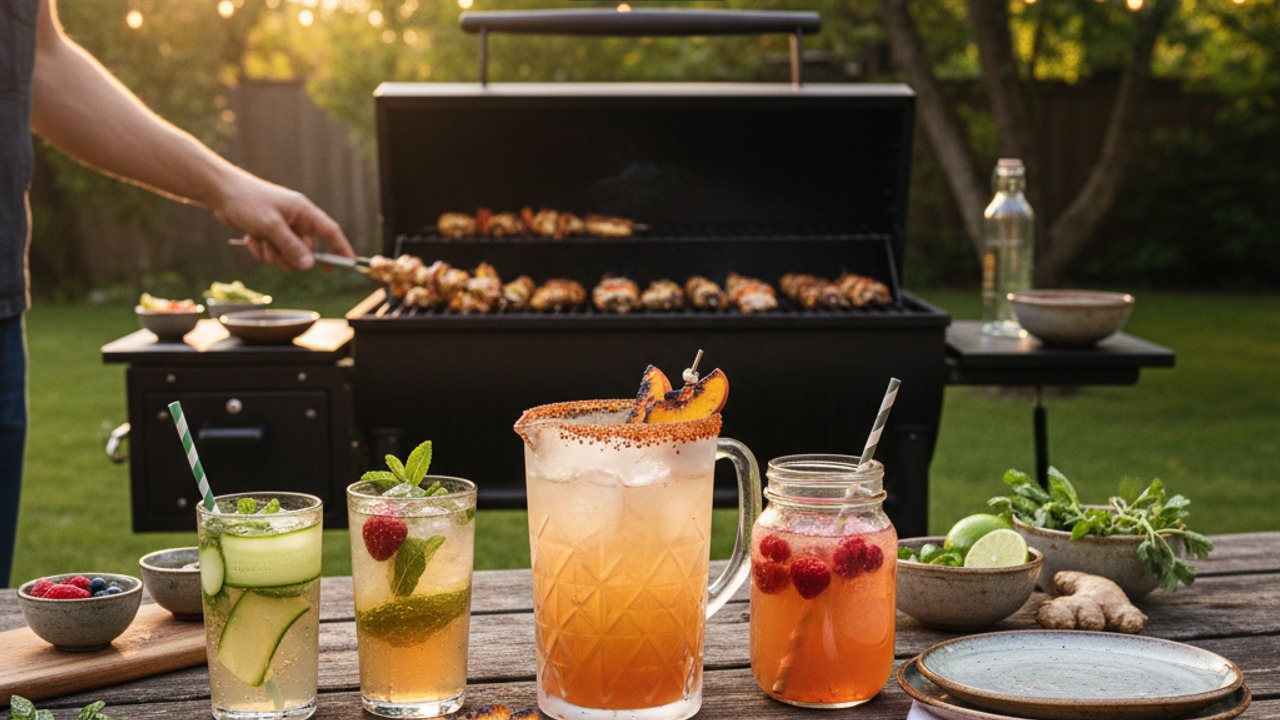
Guides
Trending Grillside Drinks for 2026: Cocktails, Low‑ABV Sippers, and Non‑Alcoholic Pairings to Elevate Backyard BBQ
Discover the hottest drinks to serve alongside summer grilling in 2026 — from smoked‑syrup cocktails and barrel‑aged RTDs to low‑ABV spritzes, shrubs, kombuchas, and tea blends. Includes batch-making tips, safety notes, and pairing suggestions for common grilled proteins and sides.
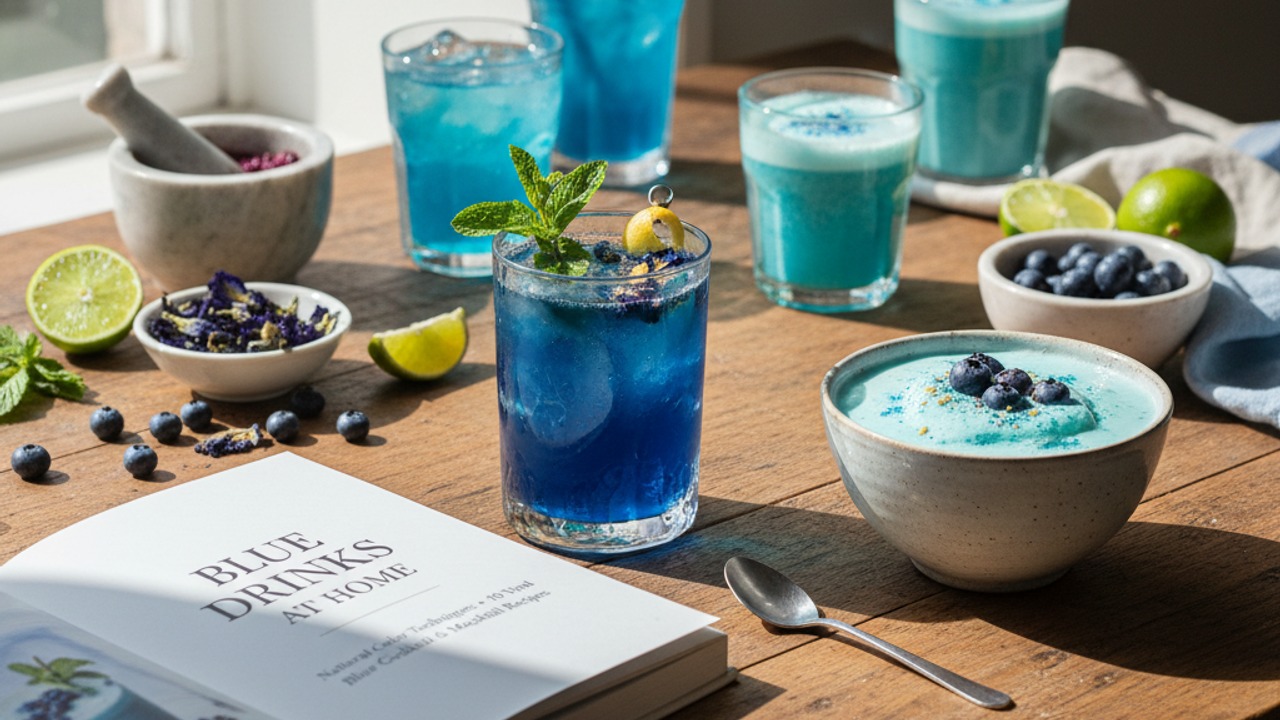
Recipes
Blue Drinks at Home: Natural Color Techniques + 10 Viral Blue Cocktail & Mocktail Recipes
Discover how to make stunning blue drinks at home using natural ingredients like butterfly pea and blue spirulina. This guide includes practical techniques, storage tips, and 10 viral cocktail and mocktail recipes — many with grilled-garnish ideas for backyard entertaining.

Healthy Eating
Gluten-Free Weeknight Grilling Plan
A 7-day gluten-free weeknight grilling plan with quick, family-friendly recipes, prep-ahead timelines, and a printable shopping list that spotlights late-summer produce and pantry staples. Includes clear cross-contamination safety tips and simple swaps to keep dinners fast and crowd-pleasing.
More from Drinks
View all Drinks recipes →
Grilled Lime Margarita

Lillet Spritz

Watermelon Agua Fresca (Easy Blender Recipe)

Hemingway Daiquiri

Chartreuse Sour

Savory French Spritz

Brown Butter Dalgona

Mushroom Mocha Latte

Hibiscus Cold Brew Fizz
Ask me anything about this recipe — substitutions, scaling, techniques, timing.
Powered by AI · 6 questions per 5 minutes, 30 per day