Karaage Fried Chicken
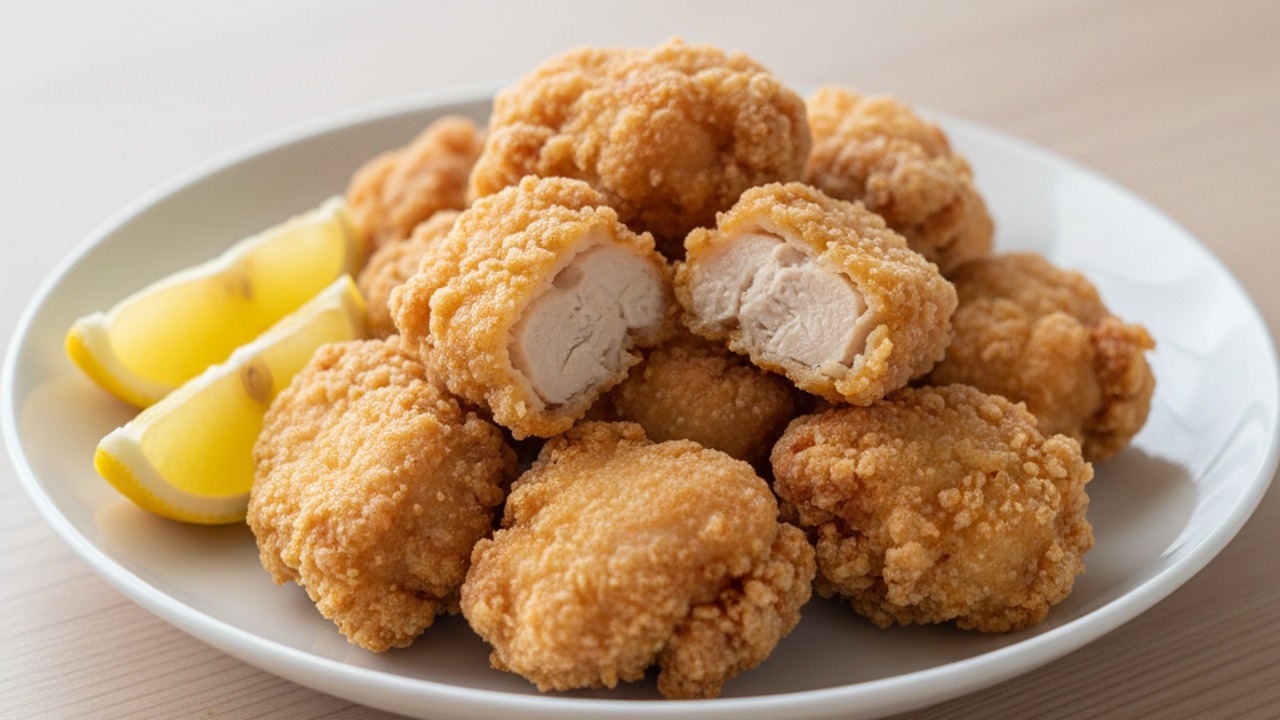
Crispy, deeply flavored Japanese karaage made easy in the air fryer — all the authentic marinade notes of soy, sake and ginger with a light, addictive crunch from potato starch. Perfect as a snack, lunchbox protein, or weeknight main when you want true flavor without deep-frying.
Ingredient Spotlight
Sake (cooking rice wine)
Sake is a Japanese rice wine used both as a beverage and a cooking wine; the cooking variety is formulated for culinary use. It has a mild, slightly sweet and umami-rich rice aroma rather than harsh alcohol notes, and it adds depth and a subtle sweetness to sauces and marinades. Find it in Asian groceries, many supermarkets, or liquor stores. Good substitutes are dry sherry or Chinese Shaoxing wine; in a pinch use a dry white wine with a teaspoon of sugar per tablespoon to mimic the sweetness.
Ingredient Spotlight
Mirin
Mirin is a sweet Japanese rice wine/condiment used to add sweetness, gloss, and umami to sauces and glazes. It tastes syrupy-sweet with a light rice aroma and low perceived alcohol, and it helps balance salty soy-based sauces. Look for it in the Asian aisle or at Asian markets (there are cooking-grade ‘mirin-fu’ versions as well). Substitute with sake or dry white wine plus sugar (about 1 tsp sugar per tablespoon) or use a sweet cooking wine like sweet marsala if needed.
Ingredient Spotlight
Potato starch (katakuriko) for coating
Katakuriko is a Japanese-branded potato starch commonly used for light, ultra-crispy coatings and glossy sauce-thickening. It is flavor-neutral and produces a crisper, more translucent finish than wheat flour when frying. You can find it at Asian groceries or in the starch/ baking aisle labeled as potato starch or katakuriko. Good substitutes are cornstarch or tapioca starch—use the same amount, though cornstarch may be slightly more opaque and tapioca gives a bit more chew.
Kenji Tanaka's note
"Konnichiwa — this is my quick, authentic karaage adapted for the air fryer so you can enjoy that classic crunchy crust without a vat of oil. It shines at potlucks, bento boxes, and busy weeknights — bright lemon and ginger lift the rich soy-sake marinade."
About This Recipe
Karaage is Japan's shorthand for comfort: bite-sized, well-seasoned pieces of chicken with a craggy, almost airy crust and a juicy interior. This air-fryer version captures the classic trio of soy, sake and mirin, backed by a bright shove of grated ginger and a whisper of sesame oil, while potato starch (katakuriko) creates that signature light, glassy crunch that deep-frying usually produces. Using boneless thighs keeps the meat forgiving under high heat — they stay succulent even when you cook quickly in batches, and their darker meat carries the marinade flavor better than breast.
What makes this recipe work is restraint: a short, bold marinade, careful drying so the starch adheres, and a high-temperature air-fry to puff the coating without stewing the chicken. It’s the kind of dish that can be a party snack, a bento protein, or a weeknight main when you want real flavor without oil splatter. Finish with a lemon squeeze to lift the fat and a little Japanese mayo if you want richer dipping — both paths are authentic and delicious.
Ingredients for Karaage Fried Chicken
- 1 lb Boneless chicken thighs, cut into bite-sized pieces (about 3–4 cm)
- 2 tbsp Soy sauce
- 1 tbsp Sake (cooking rice wine)
- 1 tbsp Mirin
- 1 tbsp Fresh ginger, finely grated
- 1 clove Garlic, finely grated (about 1 small clove)
- 1 tsp Sesame oil
- 1/2 cup Potato starch (katakuriko) for coating
- 1 tbsp Neutral oil for spraying or brushing (vegetable or canola)
- 1 whole Lemon wedges, to serve (optional)
How to Make Karaage Fried Chicken
Step 1: Make the marinade and combine
In a bowl mix soy sauce, sake, mirin, grated ginger, grated garlic and sesame oil. Add the bite-sized chicken pieces, toss so every piece is coated, cover and refrigerate at least 20–30 minutes (up to 2 hours for deeper flavor). I keep the marinade simple and bold — this is the soul of karaage, so don't skip the sake and ginger.For this step
- 1 lbBoneless chicken thighs, cut into bite-sized pieces (about 3–4 cm)
- 2 tbspSoy sauce
- 1 tbspSake (cooking rice wine)
- 1 tbspMirin
- 1 tbspFresh ginger, finely grated
- 1 cloveGarlic, finely grated (about 1 small clove)
- 1 tspSesame oil
Step 2: Drain and dry the chicken
Remove the chicken from the marinade and let excess drip off; spread pieces on a plate and pat lightly with paper towel. Removing extra wetness helps the starch stick and gives you a crisp exterior when air-frying.Step 3: Coat with potato starch
Place the potato starch in a shallow bowl or zip-top bag and toss the chicken pieces until evenly coated in a thin, even layer. Shake off any excess — you want a light dusting that will puff and crisp in the air fryer, not a thick batter.For this step
- 1/2 cupPotato starch (katakuriko) for coating
Step 4: Air-fry until golden and crisp
Preheat the air fryer to 400°F (200°C) for 3 minutes. Lightly brush or spray a little neutral oil on the basket (and a light mist over the chicken) to promote browning; arrange pieces in a single layer with space between — work in batches if needed. Cook for 10–12 minutes, turning once halfway, until the exterior is golden and juices run clear — internal temperature should reach 165°F (74°C).For this step
- 1 tbspNeutral oil for spraying or brushing (vegetable or canola)
Step 5: Rest and serve
Let the karaage rest 2 minutes so the crust sets, then serve hot with lemon wedges (squeeze just before eating). This recipe yields about 12 bite-sized pieces — serve as 3 pieces per person for a snack or 6 pieces per person as a main.For this step
- 1 wholeLemon wedges, to serve (optional)


- In a bowl mix soy sauce, sake, mirin, grated ginger, grated garlic and sesame oil. Add the bite-sized chicken pieces, toss so every piece is coated, cover and refrigerate at least 20–30 minutes (up to 2 hours for deeper flavor). I keep the marinade simple and bold — this is the soul of karaage, so don't skip the sake and ginger.
- Remove the chicken from the marinade and let excess drip off; spread pieces on a plate and pat lightly with paper towel. Removing extra wetness helps the starch stick and gives you a crisp exterior when air-frying.
- Place the potato starch in a shallow bowl or zip-top bag and toss the chicken pieces until evenly coated in a thin, even layer. Shake off any excess — you want a light dusting that will puff and crisp in the air fryer, not a thick batter.
- Preheat the air fryer to 400°F (200°C) for 3 minutes. Lightly brush or spray a little neutral oil on the basket (and a light mist over the chicken) to promote browning; arrange pieces in a single layer with space between — work in batches if needed. Cook for 10–12 minutes, turning once halfway, until the exterior is golden and juices run clear — internal temperature should reach 165°F (74°C).
- Let the karaage rest 2 minutes so the crust sets, then serve hot with lemon wedges (squeeze just before eating). This recipe yields about 12 bite-sized pieces — serve as 3 pieces per person for a snack or 6 pieces per person as a main.
Karaage Fried Chicken Tips
Cut for even pieces
Trim and cut the thighs into uniform 3–4 cm bites so they cook at the same rate and finish together in the air fryer.
Pat chicken very dry
After marinating, let excess liquid drip off and pat each piece with paper towel so the potato starch sticks and crisps rather than steams.
Use potato starch
Potato starch puffs into a translucent, delicate crust in high heat; if you must swap, expect a slightly different texture with cornstarch or a heavier crust with flour.
Don’t overcrowd the basket
Arrange pieces in a single layer with space between them and cook in batches; crowding traps steam and prevents browning.
Light oil for browning
A light spray or brush of neutral oil on the chicken and basket encourages caramelization without turning this into deep-fried food.
Flip once midway
Turn the pieces halfway through cooking so all sides get the hot, dry air required to develop an even, golden crust.
Karaage Fried Chicken Variations and Substitutions
Spicy shichimi karaage
Add 1–2 teaspoons of shichimi togarashi or chili powder to the starch for heat, and fold a small pinch into the marinade to echo the spice throughout.
Miso-ginger twist
Whisk 1 tablespoon white miso into the marinade for umami depth; thin with a splash of water if it feels too thick before adding the chicken.
Gluten-free swap
Use tamari or a gluten-free soy alternative with potato starch to keep the recipe gluten-free while preserving the original flavors.
Crispier double-coat
For an extra-crunchy texture, dust the marinated pieces with a light first coat, let sit 5 minutes, then apply a second thin coat of potato starch before air-frying.
How to Store and Make Karaage Fried Chicken Ahead
Store leftover cooked karaage in an airtight container in the refrigerator for up to 3 days; place paper towel under the chicken to absorb excess moisture. To reheat, use the air fryer at 350°F (175°C) for 4–6 minutes until warmed through and re-crisped, or use a hot oven for 8–10 minutes; avoid microwaving, which makes the coating soggy. You can freeze cooked pieces on a tray, then transfer to a bag for up to 2 months and reheat from frozen in the air fryer at 360°F (182°C) for 8–10 minutes.
What to Serve With Karaage Fried Chicken
Serve karaage piled on shredded cabbage or a simple cabbage and carrot slaw dressed with rice vinegar to cut the richness, and offer lemon wedges and kewpie-style Japanese mayo for dipping. For a meal, add steamed rice and quick pickles (cucumber or daikon) and pair with a chilled lager, cold sake, or iced green tea depending on whether you want something bright or mellow alongside the fried flavors.
Karaage Fried Chicken FAQs
Can I use chicken breast instead of thighs?
Yes, but breast can dry out more easily; reduce marinating time slightly and watch the cooking closely — consider brining the breast for 20 minutes first to help it stay juicy.
Why is potato starch preferred?
Potato starch puffs into a light, nearly translucent crust that crisps without becoming heavy, giving karaage its distinctive delicate crunch that cornstarch or flour approaches but doesn't exactly replicate.
What if I don’t have sake?
You can substitute dry sherry or mirin plus a splash of water; the alcohol tenderizes and adds depth, so replace with a mild rice wine if possible rather than omitting entirely.
How long should I marinate the chicken?
20–30 minutes is enough for good flavor; up to 2 hours deepens the taste, but avoid much longer because the soy will begin to overly salt the meat.
Do I need to spray oil in the air fryer?
A light spray or brush of oil promotes browning and gives the starch something to crisp against; too much oil will make the coating greasy, so use sparingly.
Can I make karaage ahead for a party?
Yes — cook and cool completely, then reheat in the air fryer for a few minutes just before serving to restore crispness, or par-cook and finish just before guests arrive for the freshest texture.
About the author
Kenji TanakaKonnichiwa! I'm Chef Kenji Tanaka. After over 30 years in professional Japanese kitchens, I've added to my true passion: writing! I love making authentic, delicious Japanese meals accessible to everyone. My philosophy is simple: great food doesn't have to be complicated. I curate recipes that focus on quality ingredients, traditional techniques made easy, and minimal preparation time. My goal is to guide you in creating quick, comforting, and absolutely authentic Japanese dishes at home, so you can bring a taste of Japan to your table, everyday.
See all recipes by Kenji Tanaka →Ratings & Reviews
Did you make this recipe?
Be the first to share your experience.
Nutrition Facts
Per serving: 3 pieces
Nutrition values are estimated from USDA ingredient data and may vary based on preparation, brands, and portion sizes. Values are provided for informational purposes only.
Keep Reading
Guides & articles for this recipe
Equipment
Air Fryer Trends 2026: 15 Viral Recipes — Birria Tacos, Honey Toast & Beyond
Air fryers continue to dominate search trends in 2026. This roundup pulls together 15 viral air fryer recipes — from quesabirria to Japanese honey toast — with practical temps, times, and equipment tips to help you recreate them at home.

Recipes
DIY Edible Monster Eyes Candy
Make safe, fun edible monster eyes for cupcakes, cookies, and candy trays. Step-by-step recipes show baking-soda balls, chocolate and fondant eyes, wafer-print options, plus assembly, storage, and kid-friendly safety tips.

Recipes
No-Bake Funny Halloween Treats: 15 Quick Recipes
15 no-bake, funny Halloween treats that busy hosts can assemble in minutes — kid-friendly sweets, savory bites, and easy cocktails that don’t need an oven. Built for last-minute parties, with pantry-staple shortcuts and quick decoration ideas.
More from Air Fryer
View all Air Fryer recipes →
Nashville Hot Air Fryer Chicken Strips with Honey Slaw

Air Fryer Stuffed Portobellos

Air Fryer Lemon Bars

Air Fryer Caramelized Pears

Air Fryer Cod Nuggets

Air Fryer Pasta Chips

Air Fryer Spiced Roasted Chickpeas and Edamame Snack Mix

Air Fryer Chicken Nuggets

How to Make Frozen French Fries Extra Crispy in the Air Fryer
Ask me anything about this recipe — substitutions, scaling, techniques, timing.
Powered by AI · 6 questions per 5 minutes, 30 per day