Kir Royale & Kir
Two classic French apéritifs: the Kir (dry white wine brightened with blackcurrant liqueur) and the celebration-ready Kir Royale (Champagne plus a touch of crème de cassis). Both are quick to make, elegant to serve, and perfect for before-dinner gatherings or brunches.
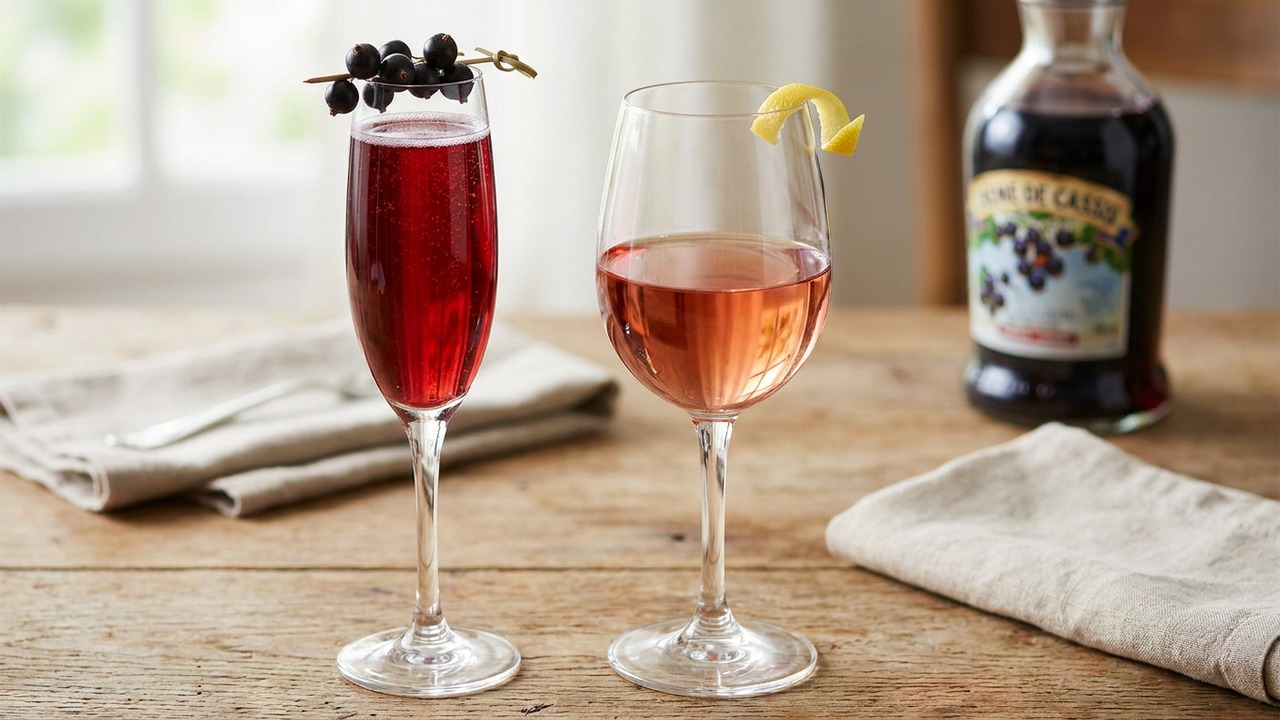
Ingredient Spotlight
Crème de cassis (blackcurrant liqueur)
A sweet, deeply colored liqueur made by macerating blackcurrants (cassis), originally from Burgundy, France. It tastes very fruity, syrupy and tart with concentrated blackcurrant notes and noticeable sweetness, commonly used in drinks like the Kir and Kir Royale. You’ll find it in most well‑stocked liquor stores or supermarket liquor sections; if unavailable, substitute crème de mûre (blackberry liqueur), Chambord (raspberry liqueur) for a berry-forward replacement, or a nonalcoholic blackcurrant syrup adjusted to taste.
Ingredient Spotlight
Aligoté (dry white wine)
Aligoté is a lesser-known white grape from Burgundy that makes a lean, high‑acid dry wine traditionally paired with crème de cassis in a Kir. It typically shows green apple, citrus and mineral notes with brisk acidity, and many U.S. home cooks may be unfamiliar with the variety. Look for it at specialty wine shops or well‑stocked grocery wine sections; good substitutes are Sauvignon Blanc, Muscadet, or an unoaked Pinot Grigio/unoaked Chardonnay for a similar bright, acidic profile.
Jake Woods's note
"These two variations showcase how a single liqueur—crème de cassis—can transform basic bubbles or white wine into a festive apéritif. Home hosts will love how fast they are to assemble and how well they pair with light hors d'oeuvres."
About This Recipe
Kir and Kir Royale are shorthand for two tidy, quintessentially French apéritifs that ask for very little skill but deliver a lot of charm. The classic Kir marries crème de cassis—an intensely flavored blackcurrant liqueur—with a dry white wine, lending a deep fruity sweetness and a satin texture; the Kir Royale swaps still wine for Champagne or a dry brut, where effervescence lifts the cassis into a brighter, more celebratory sip. In both versions the balance of fruit, acid, and bubbles is what keeps the drink from tasting cloying.
This recipe favors simple, replicable ratios (roughly 1:5 cassis to wine for a Kir; a tablespoon of cassis per flute for a Royale) so you can batch drinks for brunch or make single pours without fuss. Small technique choices—pouring the cassis first, using well-chilled glassware, and topping a Royale slowly down the side of the flute—preserve aroma and effervescence. Choose an Aligoté or crisp Sauvignon Blanc if you want citrus and mineral notes, or a bone-dry Brut if you want the berries to sing, and garnish with a citrus twist or a single blackberry for a neat, elegant finish.
Ingredients for Kir Royale & Kir
- 1/2 cup Crème de cassis (blackcurrant liqueur)
- 2 1/2 cups Dry white wine (Aligoté or Sauvignon Blanc), chilled
- 2 cups Chilled Champagne or dry sparkling wine (Brut)
- 2 cups Ice (for chilling glasses or shaker), optional
- 4 twists Lemon twists or orange twists (for garnish)
- 8 pieces Fresh blackberries (optional garnish)
- 2 tablespoons Granulated sugar (optional — for a sugared rim or extra sweetness)
How to Make Kir Royale & Kir
Step 1: Chill glassware
Place flutes or white-wine glasses in the refrigerator or briefly fill them with ice and cold water while you prepare ingredients. If using ice, drain glasses just before pouring. Chilled glassware keeps the drinks crisp and prevents rapid loss of effervescence.For this step
- 2 cupsIce (for chilling glasses or shaker), optional
Step 2: Make a classic Kir (white wine)
For each Kir, pour about 5 fl oz (150 ml) chilled dry white wine into a chilled wine glass. Add 2 tablespoons (30 ml) crème de cassis (about a 1:5 ratio of cassis to wine) and stir gently once to combine. Taste and adjust — add a little more cassis for sweetness or less for a drier finish.For this step
- 1/2 cupCrème de cassis (blackcurrant liqueur)
- 2 1/2 cupsDry white wine (Aligoté or Sauvignon Blanc), chilled
Step 3: Make a Kir Royale (sparkling)
For each Kir Royale, place 1 tablespoon (15 ml) crème de cassis in the bottom of a chilled flute. Gently top with about 4 fl oz (120 ml) chilled Champagne or brut sparkling wine, pouring slowly to preserve bubbles. Do not stir vigorously; a gentle swirl is enough to lift the cassis into the wine.For this step
- 2 cupsChilled Champagne or dry sparkling wine (Brut)
Step 4: Garnish
Finish each drink with a lemon or orange twist or drop 1–2 fresh blackberries into the glass for a pretty accent. If you like a sugared rim, rub the glass edge with a citrus twist, dip briefly in granulated sugar before pouring, and proceed with the recipe. Serve immediately to enjoy the best aroma and effervescence.For this step
- 4 twistsLemon twists or orange twists (for garnish)
- 8 piecesFresh blackberries (optional garnish)
- 2 tablespoonsGranulated sugar (optional — for a sugared rim or extra sweetness)
Step 5: Serve and store notes
Offer both versions so guests can choose: Kir for a relaxed, wine-forward option and Kir Royale for a sparkling celebration. Leftover crème de cassis keeps well in the refrigerator for months—use it to flavor other cocktails, drizzle on desserts, or add to sparkling water.


- Place flutes or white-wine glasses in the refrigerator or briefly fill them with ice and cold water while you prepare ingredients. If using ice, drain glasses just before pouring. Chilled glassware keeps the drinks crisp and prevents rapid loss of effervescence.
- For each Kir, pour about 5 fl oz (150 ml) chilled dry white wine into a chilled wine glass. Add 2 tablespoons (30 ml) crème de cassis (about a 1:5 ratio of cassis to wine) and stir gently once to combine. Taste and adjust — add a little more cassis for sweetness or less for a drier finish.
- For each Kir Royale, place 1 tablespoon (15 ml) crème de cassis in the bottom of a chilled flute. Gently top with about 4 fl oz (120 ml) chilled Champagne or brut sparkling wine, pouring slowly to preserve bubbles. Do not stir vigorously; a gentle swirl is enough to lift the cassis into the wine.
- Finish each drink with a lemon or orange twist or drop 1–2 fresh blackberries into the glass for a pretty accent. If you like a sugared rim, rub the glass edge with a citrus twist, dip briefly in granulated sugar before pouring, and proceed with the recipe. Serve immediately to enjoy the best aroma and effervescence.
- Offer both versions so guests can choose: Kir for a relaxed, wine-forward option and Kir Royale for a sparkling celebration. Leftover crème de cassis keeps well in the refrigerator for months—use it to flavor other cocktails, drizzle on desserts, or add to sparkling water.
Kir Royale & Kir Tips
Chill glassware well
Keep flutes or white-wine glasses very cold—either in the refrigerator or briefly with ice and water—to slow bubble loss and keep the flavors crisp.
Cassis first, then wine
Pour the crème de cassis into the glass before adding wine or Champagne so you control color and sweetness, and so the heavier liqueur sinks gently rather than splashing.
Top gently to preserve
When making a Kir Royale, pour the sparkling wine slowly down the side of the flute to protect carbonation and avoid an overfoamy pour.
Taste and adjust
Start with the stated ratios and add cassis by half-teaspoon increments if you want sweeter, or thin with a touch more wine for a drier profile.
Use dry sparkling wine
Choose a Brut or extra dry sparkling to counterbalance the cassis sweetness—otherwise the cocktail can quickly become overly sugary.
Kir Royale & Kir Variations and Substitutions
Lower-Alcohol Kir
Substitute half the white wine with chilled soda water to make a lighter, more sessionable Kir that still shows off the cassis.
Berry-Forward Kir
Swap crème de cassis for a high-quality raspberry liqueur (like Chambord) and garnish with raspberries for a fruitier, more floral expression.
Herbal Cassis Twist
Add a small sprig of fresh thyme or rosemary as a garnish so its oils mingle with the cassis aroma—press the sprig on the rim first to release scent.
Non-Alcoholic Kir
Use blackcurrant syrup or a non-alcoholic cassis alternative with chilled fermented grape juice or alcohol-free sparkling wine for a faithful zero-proof version.
How to Store and Make Kir Royale & Kir Ahead
Store leftover crème de cassis tightly sealed in the refrigerator where it will keep for many months because of its sugar content. Do not premix Kir Royale ahead of time, as sparkling wine will lose carbonation; you can premeasure cassis into glasses and chill wines in advance to speed service. If you must store a mixed Kir (with still wine), keep it refrigerated and consume within a day; never attempt to reheat these drinks.
What to Serve With Kir Royale & Kir
Serve Kir with light, salty canapés—gougères, smoked salmon blinis, or a platter of rillettes and cornichons work particularly well—so the drink's sweetness balances savory bites. For Kir Royale, choose delicate finger foods like cucumber sandwiches, soft chèvre with honey, or oysters on the half shell to let the bubbles and cassis lift the palate.
Kir Royale & Kir FAQs
What's the main difference between Kir and Kir Royale?
Kir uses still dry white wine with crème de cassis; Kir Royale replaces the still wine with Champagne or a dry sparkling wine, giving a lighter, effervescent result.
Can I use any white wine for Kir?
Yes, but choose a dry, crisp white like Aligoté, Sauvignon Blanc, or an unoaked Chardonnay; sweeter whites can make the cocktail overly sugary when combined with cassis.
How much crème de cassis is too much?
Start with the recipe ratios and increase by small amounts; more than about 1:4 cassis to wine tends to overwhelm the wine’s acidity and can make the drink cloying.
Why shouldn’t I stir a Kir Royale vigorously?
Stirring vigorously will dissipate the carbonation and flatten the wine; a gentle swirl or no stirring at all preserves the bubbles and the wine's aromatics.
Can I make a batch for a crowd?
Batch the still-wine Kir easily, keeping the combined mixture chilled and stirring gently before serving, but hold off on adding sparkling wine until guests are ready since carbonation will be lost in advance.
About the author
Jake WoodsHello, I'm Jake. I started this recipe site with the idea that I hated recipe websites that overwhelm you with long stories and ads just to see plain content that's not helpful. My goal is to provide you with quality recipes, simple ideas and a fun cooking experience. There's lots of fun things to cook, and I think as you browse the site you'll find that TopShelf.Recipes is the place for quality recipes on the web.
See all recipes by Jake Woods →Ratings & Reviews
Did you make this recipe?
Be the first to share your experience.
Nutrition Facts
Per serving: 1 cocktail
Nutrition values are estimated from USDA ingredient data and may vary based on preparation, brands, and portion sizes. Values are provided for informational purposes only.
Keep Reading
Guides & articles for this recipe
Guides
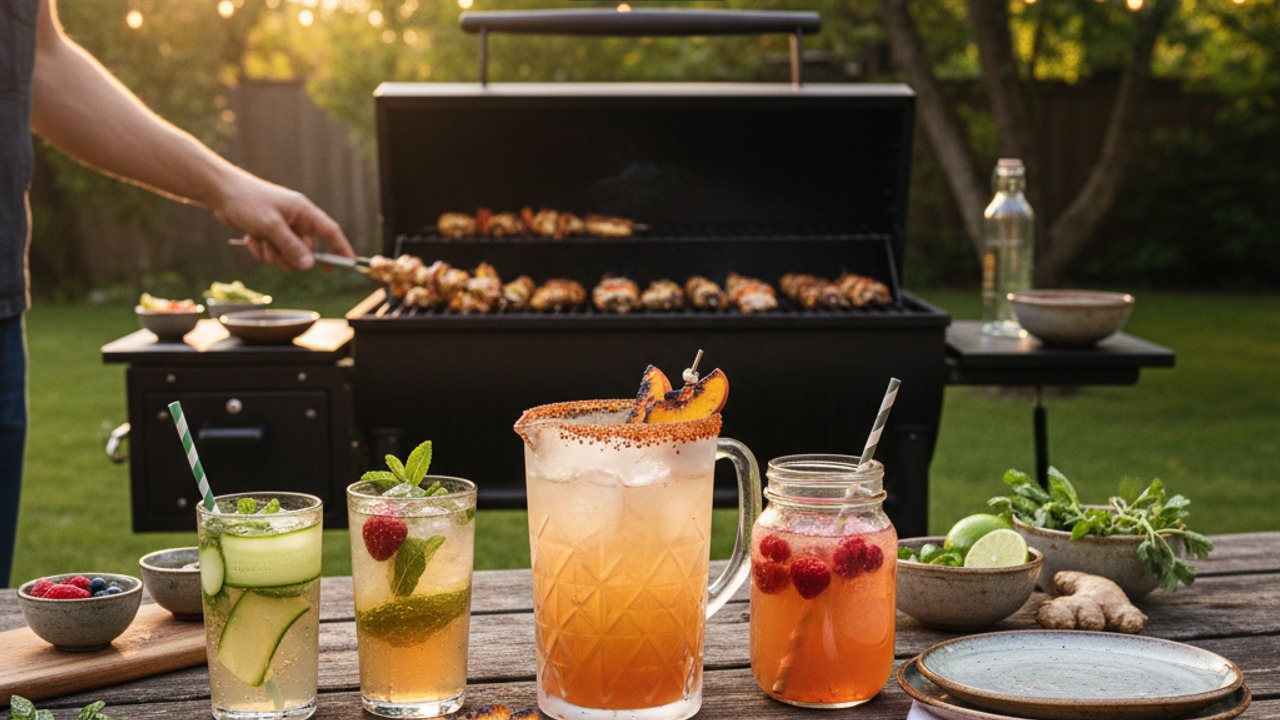
Trending Grillside Drinks for 2026: Cocktails, Low‑ABV Sippers, and Non‑Alcoholic Pairings to Elevate Backyard BBQ
Discover the hottest drinks to serve alongside summer grilling in 2026 — from smoked‑syrup cocktails and barrel‑aged RTDs to low‑ABV spritzes, shrubs, kombuchas, and tea blends. Includes batch-making tips, safety notes, and pairing suggestions for common grilled proteins and sides.
Recipes
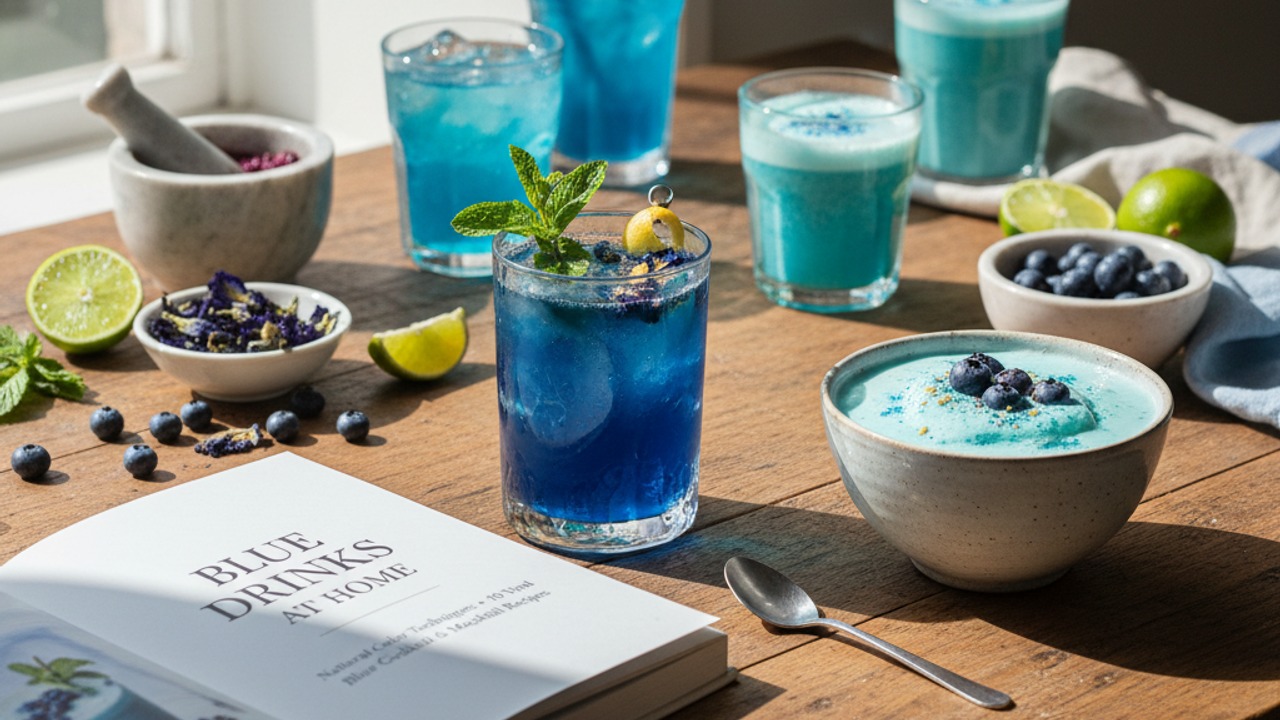
Blue Drinks at Home: Natural Color Techniques + 10 Viral Blue Cocktail & Mocktail Recipes
Discover how to make stunning blue drinks at home using natural ingredients like butterfly pea and blue spirulina. This guide includes practical techniques, storage tips, and 10 viral cocktail and mocktail recipes — many with grilled-garnish ideas for backyard entertaining.

Healthy Eating
Gluten-Free Weeknight Grilling Plan
A 7-day gluten-free weeknight grilling plan with quick, family-friendly recipes, prep-ahead timelines, and a printable shopping list that spotlights late-summer produce and pantry staples. Includes clear cross-contamination safety tips and simple swaps to keep dinners fast and crowd-pleasing.
More from Drinks
View all Drinks recipes →
Watermelon Agua Fresca (Easy Blender Recipe)

Brown Butter Dalgona

Mushroom Mocha Latte

Hibiscus Cold Brew Fizz

Boozy Red White Blue Popsicles (Vodka Ice Pops for Adults)

Hibiscus Simple Syrup

Affogato with Caramel

Bourbon Canned Peaches

Labor Day Grilled-Pineapple Rum Punch (Large-Batch, Grill-Ready)
Ask me anything about this recipe — substitutions, scaling, techniques, timing.
Powered by AI · 6 questions per 5 minutes, 30 per day