Korean Galbi Short Ribs
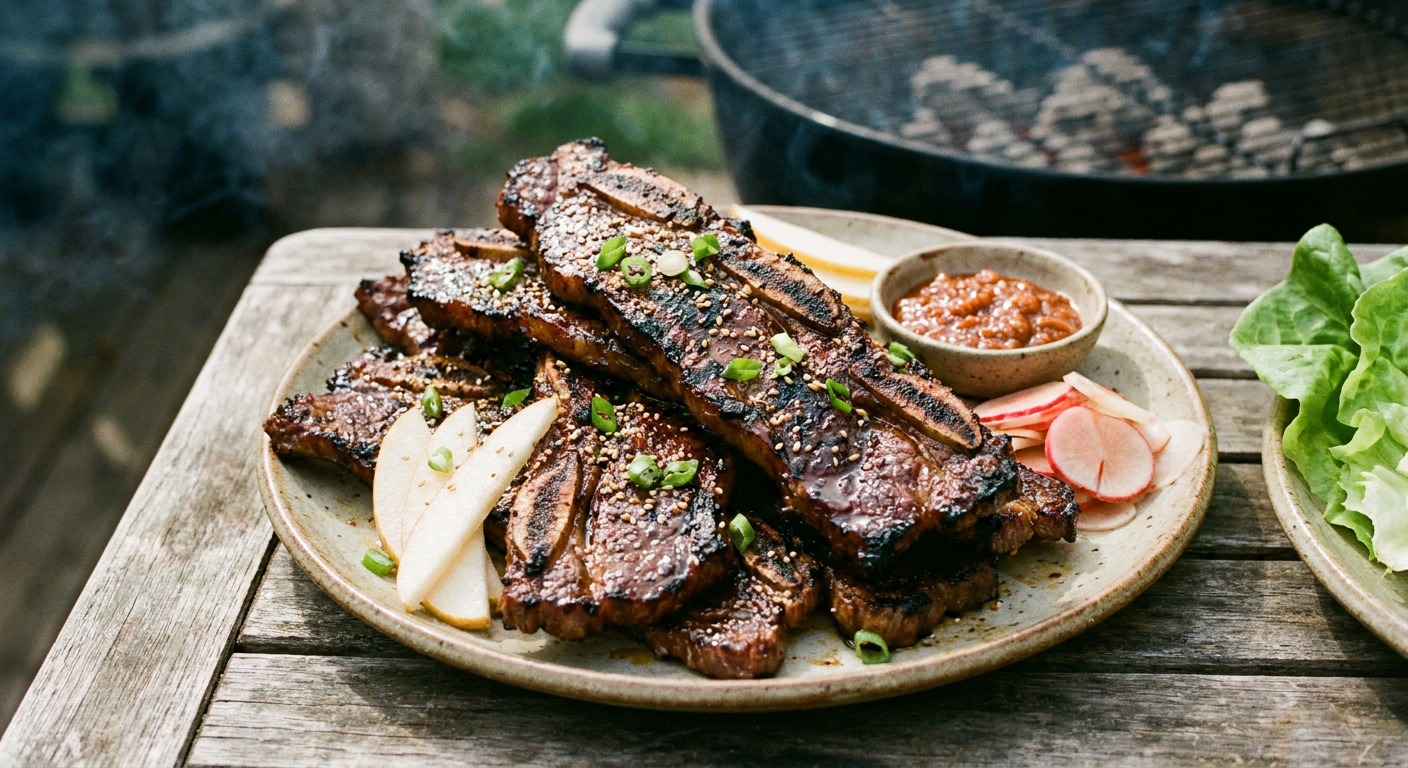
Classic Korean galbi (flanken-style short ribs) marinated in a sweet-savory blend of soy, grated Asian pear, garlic and sesame for deep umami and caramelization on the grill. Perfect for backyard BBQs or weeknight feasts, this recipe delivers authentic flavor and straightforward grilling technique.
Ingredient Spotlight
Flanken-style beef short ribs (cut across the bone)
A flanken cut is short ribs sliced thinly across the bones into strips (often about 1/2" thick) rather than the thicker English-style ribs; it’s commonly used in Korean galbi and other East Asian barbecue. Because it has lots of bone surface and a high meat-to-fat ratio, it soaks up marinades quickly and grills fast. You can find it at Korean or Asian markets, well-stocked butchers, or ask your butcher for “flanken cut” or “cross-cut” short ribs. As a substitute, use English-cut beef short ribs (adjust cooking time) or thinly sliced skirt/plate steak for quick grilling.
Ingredient Spotlight
Asian pear, peeled and grated (or Bosc pear/firm apple)
Asian pear (often called Korean or nashi pear) is a round, crisp, very juicy pear with a mild, floral sweetness and a firm texture; in marinades it adds sweetness and mild enzymatic tenderizing. It’s common in East Asian cooking but may be found at Asian groceries, larger supermarkets, or farmers’ markets. Good substitutes are a Bosc pear or any firm apple grated, though pineapple/kiwi will tenderize more aggressively and can change texture.
Ingredient Spotlight
Mirin (sweet rice wine) or dry sherry
Mirin is a Japanese sweet rice wine used in cooking that lends a subtle sweetness, umami depth, and glossy finish to sauces and marinades. It’s widely used in Japanese and other Asian cuisines and has a lower alcohol content and higher sugar than table wine. Find it in Asian markets or the international aisle; if unavailable, use a dry sherry with a little sugar (or a sweet Marsala) as a practical substitute.
Jake Woods's note
"This galbi marinade balances sweet fruit enzymes and soy for tender, deeply flavored ribs—ideal for a weekend grill or a special dinner. Home cooks will love how a short hands-on prep yields restaurant-quality caramelization and bright finishes."
About This Recipe
Galbi — or Korean-style flanken short ribs — lives at the crossroads of high-heat grilling and patient marinade magic. Each thin, crosscut slab brings a ribbon of bone, a quick caramelizing surface and enough fat to keep the meat rich and glossy; the soy, brown sugar and toasted sesame oil deliver the familiar sweet-savory backbone while grated Asian pear contributes both subtle fruitiness and natural tenderizing enzymes so the meat develops a lacquered crust without requiring hours of slow cooking.
This version leans on technique more than novelty: trim and score the meat so the marinade really kisses the fibers, respect the sugar in the mixture when you hit the flames, and don't shortchange the chill time — 6–12 hours is where flavor and texture meet. It’s ideal for anyone who wants authentic Korean BBQ at home: fast enough for a weekend grill session yet refined enough to serve with ssam, banchan, and cold drinks for company. Small touches — bringing the meat to room temperature, reserving and boiling any leftover marinade for basting, and letting the ribs rest — make the difference between caramelized brilliance and charred disappointment.
Ingredients for Korean Galbi Short Ribs
- 3 lb Flanken-style beef short ribs (cut across the bone)
- 1 cup Low-sodium soy sauce
- 1/4 cup Packed dark brown sugar
- 1 medium (grated ~1 cup) Asian pear, peeled and grated (or Bosc pear/firm apple)
- 6 cloves Garlic, minced
- 4 stalks Green onions, white and light-green parts chopped
- 2 tbsp Toasted sesame oil
- 2 tbsp Mirin (sweet rice wine) or dry sherry
- 1 tsp Freshly ground black pepper
- 1 tbsp Toasted sesame seeds (for finishing)
How to Make Korean Galbi Short Ribs
Step 1: Make the galbi marinade
In a large bowl combine soy sauce, brown sugar, grated Asian pear, minced garlic, chopped green onions, toasted sesame oil, mirin and freshly ground black pepper. Whisk until sugar dissolves and the mixture is homogeneous; the grated pear both sweetens and contains enzymes that tenderize the meat.For this step
- 1 cupLow-sodium soy sauce
- 1/4 cupPacked dark brown sugar
- 1 medium (grated ~1 cup)Asian pear, peeled and grated (or Bosc pear/firm apple)
- 6 clovesGarlic, minced
- 4 stalksGreen onions, white and light-green parts chopped
- 2 tbspToasted sesame oil
- 2 tbspMirin (sweet rice wine) or dry sherry
- 1 tspFreshly ground black pepper
Step 2: Prepare the short ribs
If not already flanken-style, ask your butcher to cut across the bone into 1/4–1/2-inch slices; otherwise trim any excess fat and pat the ribs dry. Lightly score the meat surface between bones (shallow diagonal cuts) so the marinade penetrates and the meat caramelizes evenly.For this step
- 3 lbFlanken-style beef short ribs (cut across the bone)
Step 3: Marinate the ribs
Place the ribs in a large zip-top bag or nonreactive container and pour the marinade over, pressing out air and ensuring each piece is coated. Refrigerate at least 4 hours, ideally 6–12 hours or overnight for best flavor and tenderness; turn once if possible.Step 4: Bring to temperature and preheat the grill
Remove ribs from the refrigerator 30–45 minutes before grilling to come toward room temperature and let excess marinade drip off (reserve marinade if you plan to baste and boil it first). Preheat a grill or grill pan to high (450–550°F / 230–290°C) and oil the grates to prevent sticking.Step 5: Grill the ribs
Place ribs across the hottest part of the grill and cook 3–5 minutes per side, watching for a deep caramelized crust; shorter times for thinner cuts. Move to indirect heat for another 1–2 minutes if larger pieces need more cooking—avoid overcooking so ribs stay juicy.Step 6: Rest and serve
Transfer grilled ribs to a platter and let rest 5 minutes to redistribute juices. Sprinkle toasted sesame seeds (and extra sliced green onions if desired), slice between bones if needed, and serve hot with rice and ssam (lettuce wraps) or banchan.For this step
- 1 tbspToasted sesame seeds (for finishing)


- In a large bowl combine soy sauce, brown sugar, grated Asian pear, minced garlic, chopped green onions, toasted sesame oil, mirin and freshly ground black pepper. Whisk until sugar dissolves and the mixture is homogeneous; the grated pear both sweetens and contains enzymes that tenderize the meat.
- If not already flanken-style, ask your butcher to cut across the bone into 1/4–1/2-inch slices; otherwise trim any excess fat and pat the ribs dry. Lightly score the meat surface between bones (shallow diagonal cuts) so the marinade penetrates and the meat caramelizes evenly.
- Place the ribs in a large zip-top bag or nonreactive container and pour the marinade over, pressing out air and ensuring each piece is coated. Refrigerate at least 4 hours, ideally 6–12 hours or overnight for best flavor and tenderness; turn once if possible.
- Remove ribs from the refrigerator 30–45 minutes before grilling to come toward room temperature and let excess marinade drip off (reserve marinade if you plan to baste and boil it first). Preheat a grill or grill pan to high (450–550°F / 230–290°C) and oil the grates to prevent sticking.
- Place ribs across the hottest part of the grill and cook 3–5 minutes per side, watching for a deep caramelized crust; shorter times for thinner cuts. Move to indirect heat for another 1–2 minutes if larger pieces need more cooking—avoid overcooking so ribs stay juicy.
- Transfer grilled ribs to a platter and let rest 5 minutes to redistribute juices. Sprinkle toasted sesame seeds (and extra sliced green onions if desired), slice between bones if needed, and serve hot with rice and ssam (lettuce wraps) or banchan.
Korean Galbi Short Ribs Tips
Score for Flavor Penetration
Make shallow diagonal cuts between the bones so the marinade seeps into the meat and the surface caramelizes evenly without tearing the fibers.
Don’t Overdo Enzymes
Because Asian pear contains tenderizing enzymes, avoid marinating more than 12–18 hours; beyond that the texture can become mushy instead of tender.
Control Sugar Flare-ups
Pat excess marinade off before grilling and sear over the hottest zone for short bursts; move ribs to indirect heat if flames begin to flare from dripping sugars.
Boil Reserved Marinade
If you want to baste, bring the reserved marinade to a rolling boil for at least 3–5 minutes to eliminate raw-beef bacteria before using it on the grill.
Room Temperature Finish
Take ribs out 30–45 minutes before grilling so they cook evenly and rest 5 minutes after grilling to let juices redistribute and keep slices juicy.
Korean Galbi Short Ribs Variations and Substitutions
Spicy Gochujang Twist
Stir 1–2 tablespoons gochujang into the marinade for a smoky, spicy depth; reduce brown sugar slightly to keep the balance.
Gluten-Free Tamari Swap
Use an equal amount of tamari in place of soy sauce and swap mirin for a splash of rice vinegar plus 1 teaspoon honey for a gluten-free alternative.
Pineapple Caution Substitute
If using pineapple instead of pear, grate it finely and limit the marinade time to 2–4 hours because pineapple’s bromelain is much stronger and can over-tenderize.
Broiler or Cast-Iron Option
Grill marks aren’t mandatory — broil 3–5 minutes per side or sear in a blistering hot cast-iron pan for a comparable caramelized crust.
How to Store and Make Korean Galbi Short Ribs Ahead
Cool leftovers to room temperature (but no more than two hours), then store in an airtight container in the refrigerator for up to 3–4 days. Reheat gently on a low grill or in a 300°F oven to preserve the caramelized exterior; microwaving will tighten the meat and can make it dry. For longer storage, freeze cooked ribs in a vacuum bag or wrapped tightly for up to 3 months and thaw overnight in the fridge before reheating.
What to Serve With Korean Galbi Short Ribs
Serve galbi with short-grain steamed rice, crisp lettuce leaves for ssam, and bright banchan like kimchi and pickled radish to cut the richness. Finish with a scattering of sliced scallions and toasted sesame seeds, and pair with a cold lager, crisp soju cocktail, or a light, fruity red (Grenache or Beaujolais) that won’t overpower the soy-sweet glaze.
Korean Galbi Short Ribs FAQs
How do I know when the ribs are done?
Because flanken ribs are thin, rely on color and feel more than internal temperature: aim for a deep caramelized crust and slightly pink center for juicy results, typically 3–5 minutes per side; thicker pieces may need an extra minute over indirect heat.
Can I skip the Asian pear and use apple?
Yes — a firm apple like Bosc or Fujis is a fine substitute and provides sweetness and some tenderizing enzymes, though pear is milder and less likely to over-soften the meat.
Why should I boil leftover marinade before basting?
Any marinade that’s contacted raw meat contains bacteria; boiling it for several minutes kills pathogens and reduces liquid so it becomes a safe, sticky glaze for basting.
What if my ribs are very fatty?
Trim excessive fat to reduce flare-ups and score the fat cap lightly so rendered fat runs off evenly; manage flare-ups by moving meat to indirect heat until flames subside.
Can I grill these on a gas grill if I don’t have charcoal?
Absolutely — preheat to very high, oil grates well, and use the hottest zone for quick searing followed by indirect heat to finish any thicker pieces, just as you would on charcoal.
About the author
Jake WoodsHello, I'm Jake. I started this recipe site with the idea that I hated recipe websites that overwhelm you with long stories and ads just to see plain content that's not helpful. My goal is to provide you with quality recipes, simple ideas and a fun cooking experience. There's lots of fun things to cook, and I think as you browse the site you'll find that TopShelf.Recipes is the place for quality recipes on the web.
See all recipes by Jake Woods →Ratings & Reviews
Did you make this recipe?
Be the first to share your experience.
Nutrition Facts
Per serving: 1 serving
Nutrition values are estimated from USDA ingredient data and may vary based on preparation, brands, and portion sizes. Values are provided for informational purposes only.
Keep Reading
Guides & articles for this recipe

Guides
Labor Day Cocktail Pairing Playbook
A practical Labor Day guide matching six seasonal cocktails to common grill menus — burgers, ribs, seafood, steaks, veg grills and large-batch punch — with low-ABV and alcohol-free swaps. Includes batching tips, pitcher and cooler service ideas, garnish suggestions, and timing advice so your drinks flow as smoothly as the grill.
Tips & Techniques
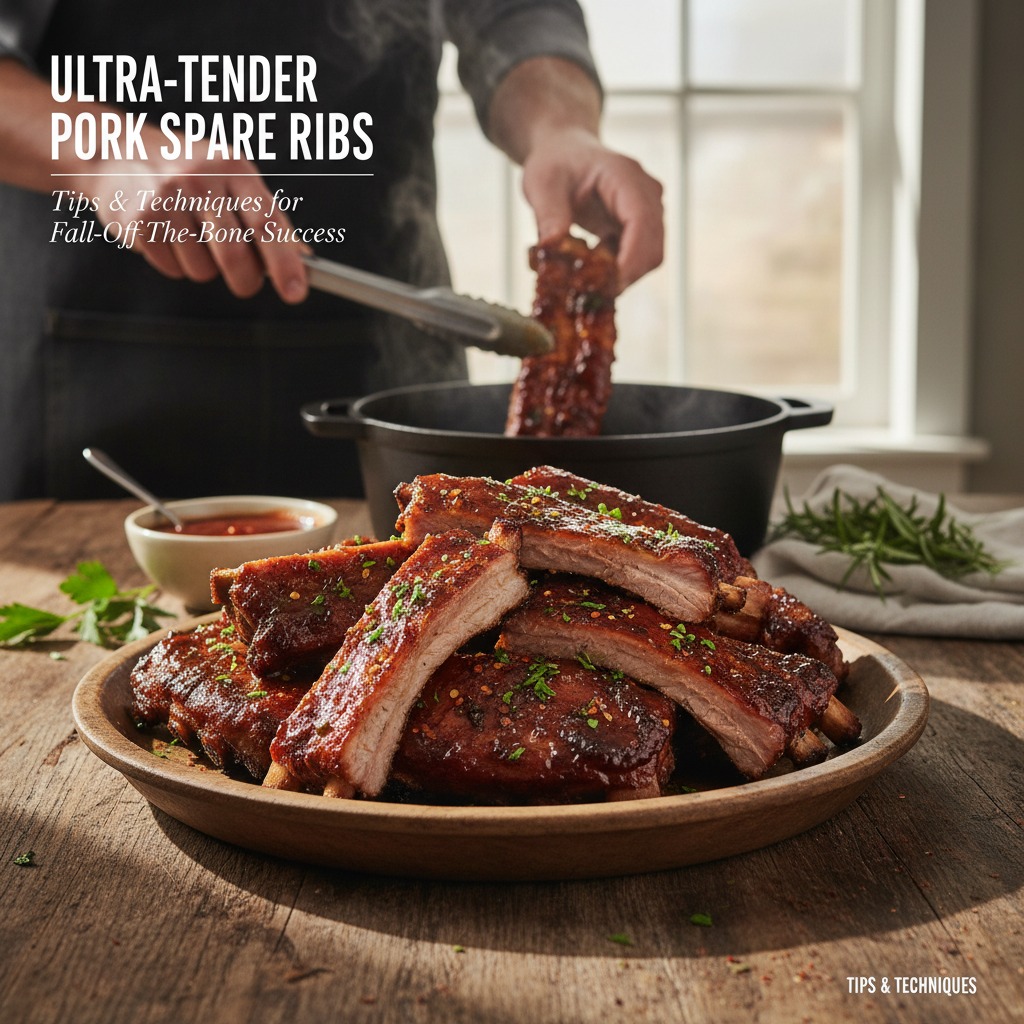
Ultra-Tender Pork Spare Ribs: Tips & Techniques for Fall-Off-the-Bone Success
Master the craft of ultra-tender pork spare ribs with practical, no-nonsense techniques for selecting, prepping, smoking, and finishing. This guide focuses on what matters—temperature control, testing for doneness, wrapping choices, and common fixes—so your next rack comes out juicy, tender, and perfectly sauced.

Healthy Eating
Gluten-Free Weeknight Grilling Plan
A 7-day gluten-free weeknight grilling plan with quick, family-friendly recipes, prep-ahead timelines, and a printable shopping list that spotlights late-summer produce and pantry staples. Includes clear cross-contamination safety tips and simple swaps to keep dinners fast and crowd-pleasing.
More from Grilling
View all Grilling recipes →
Tandoori Yogurt Marinated Grilled Chicken (Tandoori Style on the Grill)

Labor Day Grilled Lobster Rolls with Charred Scallion Brown Butter & Lemon‑Herb Aioli

Bulgogi Smash Burger

Campfire‑Smoked Potato Salad with Mustard‑Bacon Vinaigrette — A Labor Day Grilling Side for Steak

Hanger Steak with Shallot Sauce
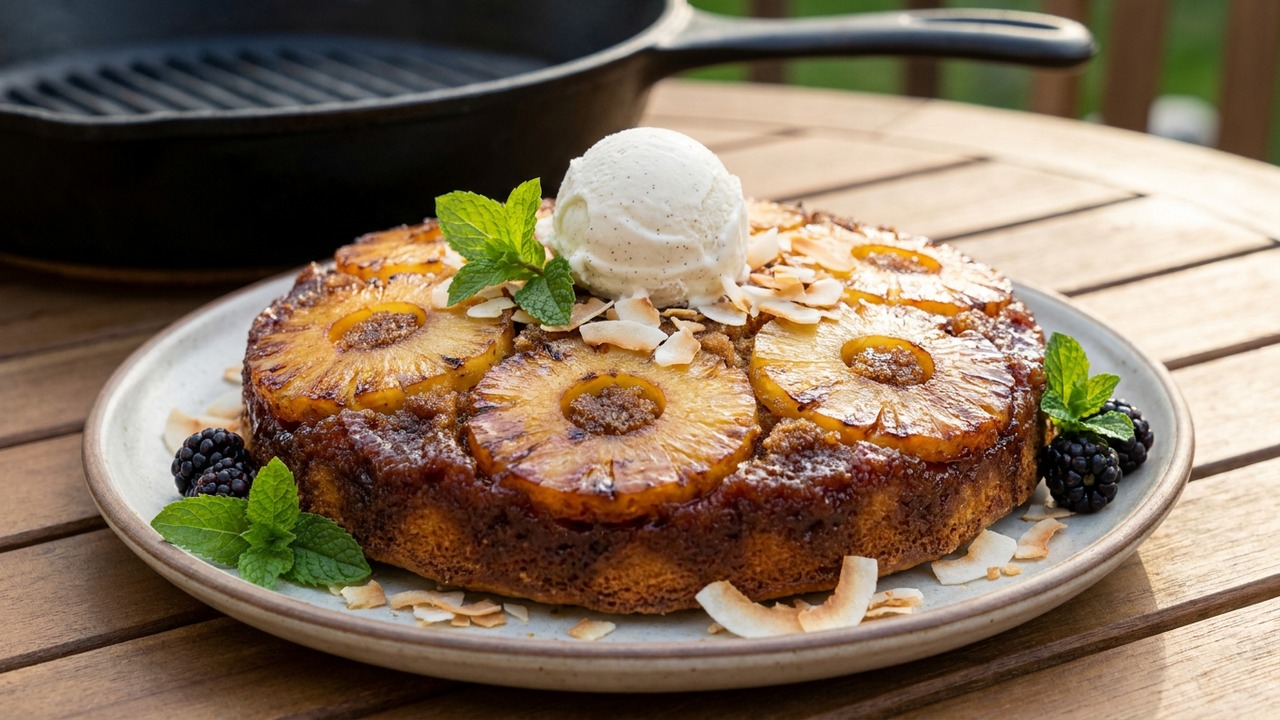
Grilled Pineapple Upside-Down Cake

Spicy Grilled Shrimp Skewers with Garlic Lime Marinade

Honey Garlic Grilled Thin-Sliced Chicken Breasts

Coffee and Porcini Dry-Rub Steaks with RUB PRIME STEAK Finish
Ask me anything about this recipe — substitutions, scaling, techniques, timing.
Powered by AI · 6 questions per 5 minutes, 30 per day