Low-ABV Citrus Spritz
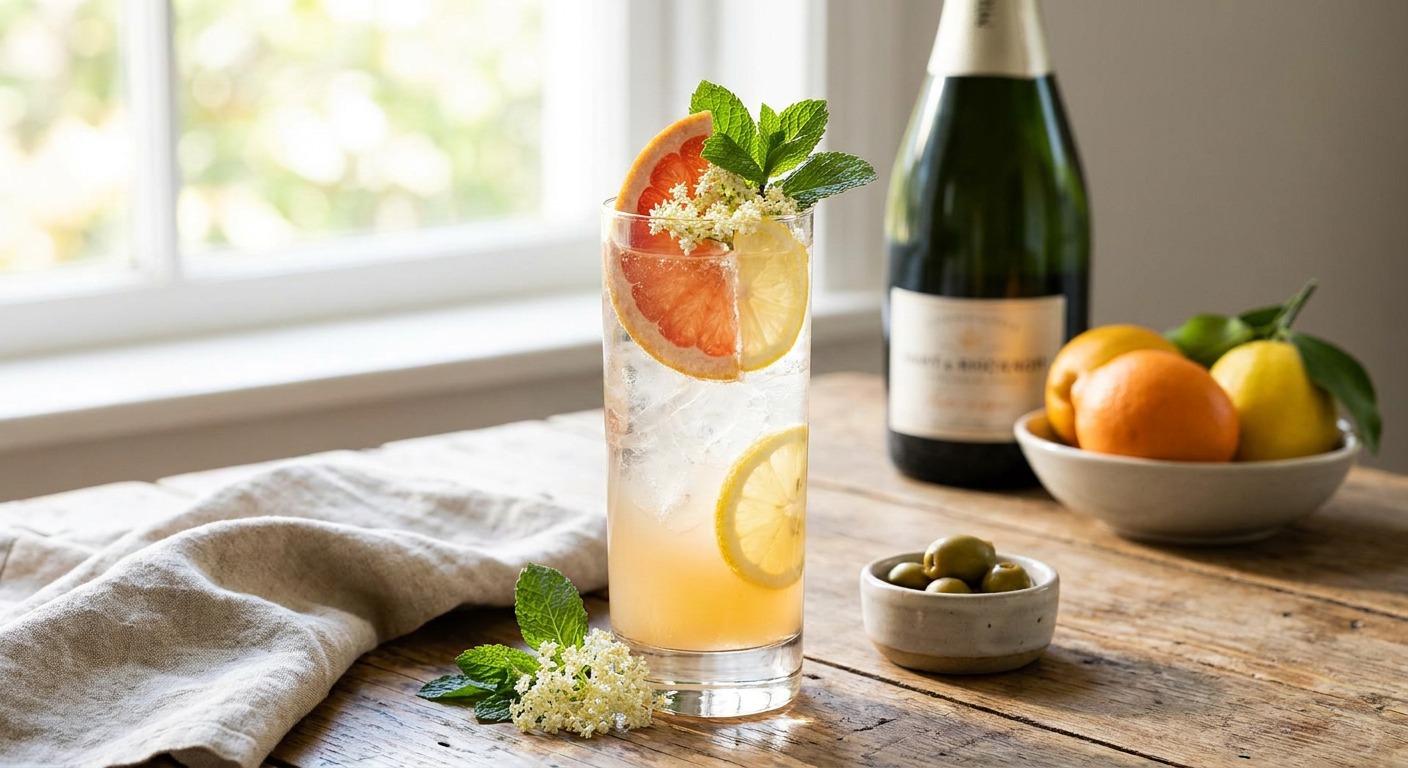
A light, bright spritz made for long summer afternoons — zesty citrus, a kiss of elderflower, and a splash of low-ABV sparkle. It's sessionable, effervescent, and built to sip slowly between conversations.
Ingredient Spotlight
Low-alcohol sparkling wine (4–7% ABV), well chilled
This refers to lightly alcoholic sparkling wines (typically 4–7% ABV) such as Moscato d'Asti or other frizzante styles and some dealcoholized sparklers; they’re made to be low in alcohol and often naturally sweeter and more floral than full-strength sparkling wines. Flavorwise they’re usually light, fruity, perfumed and gently fizzy, making them popular for low‑ABV cocktails and spritzes. Look for them at wine shops, well‑stocked liquor stores, or online under terms like “Moscato d’Asti,” “frizzante,” or “dealcoholized sparkling wine;” if you can’t find one, substitute regular Prosecco or Champagne (for more alcohol) or a non‑alcoholic sparkling wine, or use club soda with a splash of white grape juice for a similar sweetness and effervescence.
Ingredient Spotlight
Elderflower cordial
Elderflower cordial is a sweet, floral syrup made from the tiny white blossoms of the elder tree and is especially common in British and Scandinavian cooking and cocktails. It tastes perfumy and floral with a soft honeyed sweetness that brightens drinks without adding heavy fruit flavor. You can find bottled cordial in specialty or international grocery aisles and many supermarkets, or online; good substitutes are elderflower liqueur (St‑Germain) diluted to taste (note it’s alcoholic) or a homemade cordial made from fresh/dried elderflowers, or in a pinch a lightly floral syrup (simple syrup with a few drops of orange or rose blossom water) to approximate the aroma.
Jake Woods's note
"I love this spritz for sunlit patios and backyard lunches because it tastes celebratory without sending you home early. It's forgiving to scale and easy to tweak—more floral, more bitter, or drier depending on what your guests like."
About This Recipe
This Low-ABV Citrus Spritz is built to be sipped across long summer conversations—bright grapefruit and lemon provide a clean, bitter-edged backbone while elderflower cordial threads a soft floral lift through each glass. A touch of honey syrup rounds the sharper corners of fresh citrus without turning the drink cloying; the finish is more citrus pith than saccharine, and the split between low-alcohol sparkling wine and soda keeps the mouthfeel pleasantly effervescent rather than boozy. Because the wine sits low on alcohol, the spritz feels lighter and more “sessionable” than a classic Campari or Aperol spritz, letting food and company remain the focus.
This version works because it separates the concentrated base (juice, cordial, syrup) from the bubbles, so you get consistent flavor and lively fizz at serving. It’s ideal for brunches, porch afternoons, or casual dinner parties where you want a composed, refreshing cocktail without the weight of a full-strength wine or spirit. Small adjustments—more lemon for brightness, a splash more elderflower for florality, or a dab less honey—are easy and immediate, which makes this recipe both forgiving and flexible for different palates.
Ingredients for Low-ABV Citrus Spritz
- 25 3/8 fl oz Low-alcohol sparkling wine (4–7% ABV), well chilled
- 2 cups Cold sparkling water or club soda
- 1 cup Fresh grapefruit juice
- 2 tbsp Fresh lemon juice
- 1/3 cup Elderflower cordial
- 2 tbsp Light honey syrup or simple syrup (1:1 sugar to water)
- 4 cups Ice (cubes or crushed)
- 4 slices Thin citrus wheels (grapefruit or lemon) for garnish
How to Make Low-ABV Citrus Spritz
Step 1: Make the citrus-elderflower base
In a pitcher, whisk together the fresh grapefruit juice, lemon juice, elderflower cordial, and honey syrup until smooth and bright. Taste and adjust — if you like it sweeter, add a splash more syrup; if you want it tarter, a squeeze more lemon wakes it up.For this step
- 1 cupFresh grapefruit juice
- 2 tbspFresh lemon juice
- 1/3 cupElderflower cordial
- 2 tbspLight honey syrup or simple syrup (1:1 sugar to water)
Step 2: Chill and rest briefly
Pop the base into the fridge for 5–10 minutes if you have time so the flavors marry and everything feels crisp. Meanwhile, make sure your sparkling wine and water are very cold so the spritz stays bubbly longer.Step 3: Prepare glasses
Fill four large wine glasses or Collins glasses with ice until about three-quarters full. I like to use a combination of cubes and a little crushed ice for texture — it keeps the drink cold and pretty.For this step
- 4 cupsIce (cubes or crushed)
Step 4: Build the spritz
Divide the citrus-elderflower base evenly among the glasses (about 3 fl oz / 90 ml per glass). Top each with roughly 2 fl oz (60 ml) low-alcohol sparkling wine and 2 fl oz (60 ml) sparkling water, stir gently once to combine, and float a thin citrus wheel on top for garnish.For this step
- 25 3/8 fl ozLow-alcohol sparkling wine (4–7% ABV), well chilled
- 2 cupsCold sparkling water or club soda
- 4 slicesThin citrus wheels (grapefruit or lemon) for garnish
Step 5: Serve and store leftovers
Serve immediately so the bubbles sing; these are best sipped slowly in good company. If you have leftover base, keep it refrigerated for up to 48 hours and add bubbles only when ready to serve to preserve effervescence.


- In a pitcher, whisk together the fresh grapefruit juice, lemon juice, elderflower cordial, and honey syrup until smooth and bright. Taste and adjust — if you like it sweeter, add a splash more syrup; if you want it tarter, a squeeze more lemon wakes it up.
- Pop the base into the fridge for 5–10 minutes if you have time so the flavors marry and everything feels crisp. Meanwhile, make sure your sparkling wine and water are very cold so the spritz stays bubbly longer.
- Fill four large wine glasses or Collins glasses with ice until about three-quarters full. I like to use a combination of cubes and a little crushed ice for texture — it keeps the drink cold and pretty.
- Divide the citrus-elderflower base evenly among the glasses (about 3 fl oz / 90 ml per glass). Top each with roughly 2 fl oz (60 ml) low-alcohol sparkling wine and 2 fl oz (60 ml) sparkling water, stir gently once to combine, and float a thin citrus wheel on top for garnish.
- Serve immediately so the bubbles sing; these are best sipped slowly in good company. If you have leftover base, keep it refrigerated for up to 48 hours and add bubbles only when ready to serve to preserve effervescence.
Low-ABV Citrus Spritz Tips
Always chill all components
Cold ingredients preserve carbonation longer and keep the spritz from diluting quickly; chill the base, sparkling wine, and soda before assembling.
Make honey syrup correctly
Warm equal parts honey and water just until the honey dissolves, then cool; this prevents graininess and blends seamlessly into the citrus base.
Add bubbles last
Pour the sparkling wine and soda gently down the side of the glass and stir only once to avoid losing effervescence.
Balance by tasting
Start with the recipe ratios but taste the citrus-elderflower base and tweak with small increments of lemon or syrup until it lands where you like it.
Mind your ice choice
A mix of cubes and a little crushed ice keeps the drink visually appealing and cold without watering it down too fast.
Low-ABV Citrus Spritz Variations and Substitutions
Zero-proof spritz
Replace the low-alcohol sparkling wine with an extra 2 fl oz of high-quality flavored soda water (grapefruit or lemon) or a nonalcoholic sparkling wine to keep the structure and bubbles without alcohol.
Herbal twist
Muddle a small sprig of rosemary or thyme into the citrus base before chilling for a savory, aromatic edge that pairs beautifully with elderflower.
Stronger florals
Swap elderflower cordial for 1–2 tsp of St-Germain or a similar elderflower liqueur (reduce the sparkling wine slightly to keep the ABV lower) for a pronounced floral punch.
Different citrus profile
Use blood orange or pink grapefruit for a sweeter, rounder fruit character, and reduce honey slightly if the citrus is naturally sweeter.
How to Store and Make Low-ABV Citrus Spritz Ahead
Keep any unused citrus-elderflower base refrigerated in an airtight container for up to 48 hours; give it a quick stir before using as some separation is normal. Do not pre-mix the sparkling wine and soda with the base if you want to preserve fizz—once carbonated components are combined they begin to flatten and will taste dull after several hours. If a fully assembled spritz sits for more than 6–8 hours it will remain safe but noticeably less effervescent.
What to Serve With Low-ABV Citrus Spritz
Serve alongside light, bright bites such as shrimp ceviche, cucumber and feta crostini, or a fennel–orange salad to echo the citrus notes. For a casual gathering, present a simple grazing board with goat cheese, marinated olives, and toasted sourdough so guests can snack between sips without overpowering the drink's delicate flavors. Use large wine or Collins glasses so ice and garnish sit prettily and the bubbles can gather at the surface.
Low-ABV Citrus Spritz FAQs
Can I use bottled grapefruit juice instead of fresh?
Yes, but choose a high-quality, pulp-free juice and taste the base—bottled juice is often sweeter or less bright than fresh, so you may need to add more lemon or reduce syrup to achieve the right balance.
What if my sparkling wine is higher ABV?
If the wine is above 7% ABV, either reduce the wine portion slightly or substitute some of it with additional soda water to keep the spritz sessionable and preserve the intended balance.
Can I make the base further ahead?
Yes, the citrus-elderflower base can be made up to 48 hours in advance and kept chilled; avoid adding the sparkling elements until ready to serve to maintain effervescence.
How do I keep the drink from tasting too bitter?
Bitterness from grapefruit is natural—temper it by adding a touch more honey syrup or a pinch of salt to the base, which rounds the flavors without masking the citrus character.
Is this safe for pregnant guests?
Because this recipe uses low-alcohol sparkling wine, it is not alcohol-free and therefore not recommended for pregnant guests; offer the zero-proof variation for a safe alternative.
About the author
Jake WoodsHello, I'm Jake. I started this recipe site with the idea that I hated recipe websites that overwhelm you with long stories and ads just to see plain content that's not helpful. My goal is to provide you with quality recipes, simple ideas and a fun cooking experience. There's lots of fun things to cook, and I think as you browse the site you'll find that TopShelf.Recipes is the place for quality recipes on the web.
See all recipes by Jake Woods →Ratings & Reviews
Did you make this recipe?
Be the first to share your experience.
Nutrition Facts
Per serving: about 12 fl oz
Nutrition values are estimated from USDA ingredient data and may vary based on preparation, brands, and portion sizes. Values are provided for informational purposes only.
Keep Reading
Guides & articles for this recipe
Guides
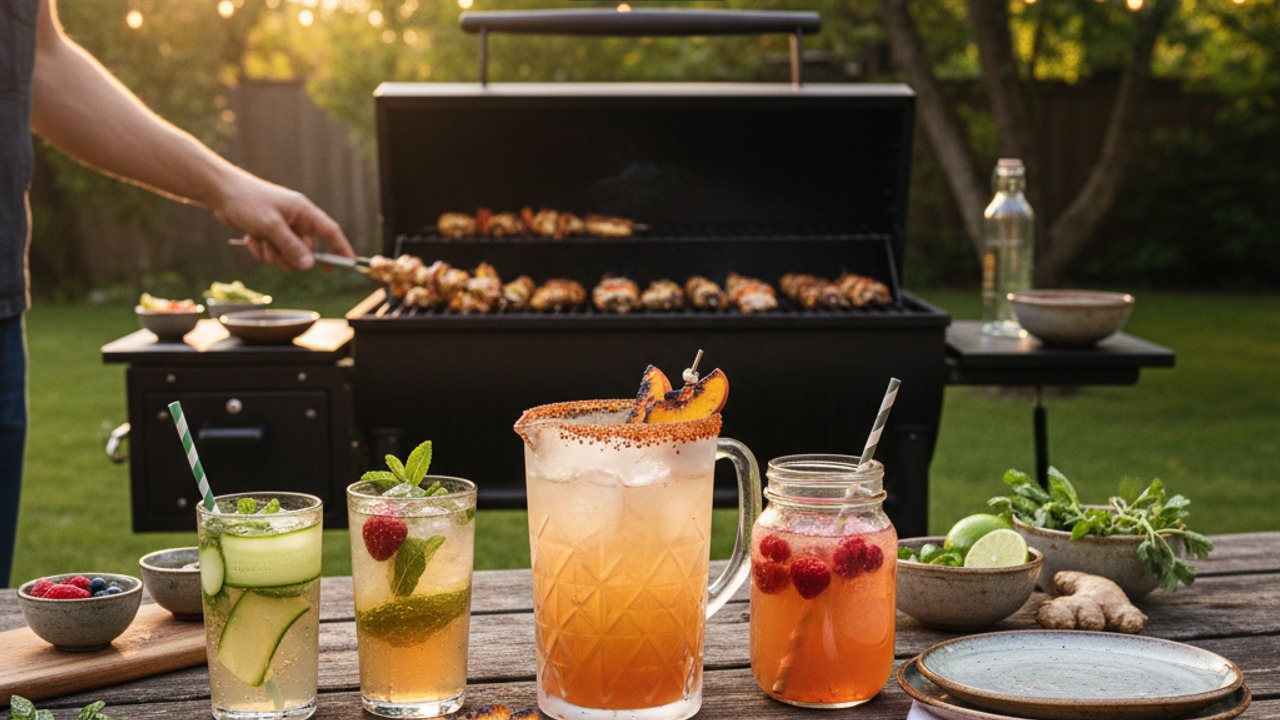
Trending Grillside Drinks for 2026: Cocktails, Low‑ABV Sippers, and Non‑Alcoholic Pairings to Elevate Backyard BBQ
Discover the hottest drinks to serve alongside summer grilling in 2026 — from smoked‑syrup cocktails and barrel‑aged RTDs to low‑ABV spritzes, shrubs, kombuchas, and tea blends. Includes batch-making tips, safety notes, and pairing suggestions for common grilled proteins and sides.
Recipes
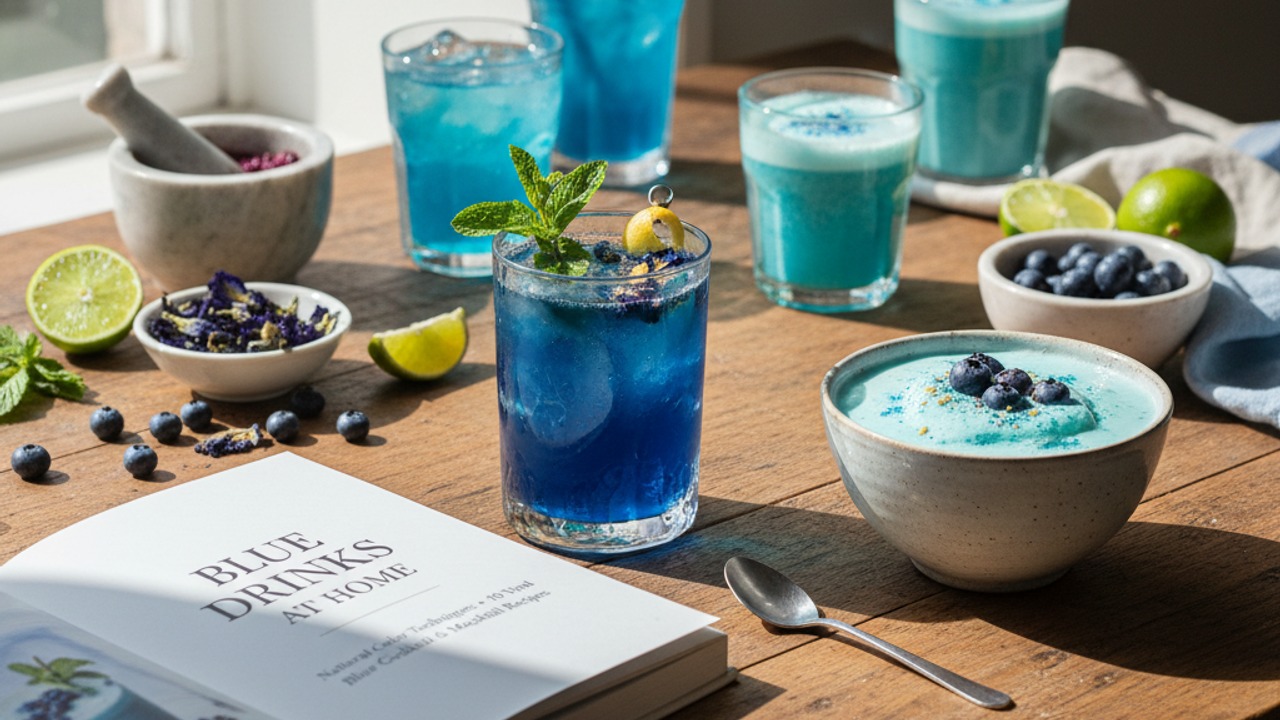
Blue Drinks at Home: Natural Color Techniques + 10 Viral Blue Cocktail & Mocktail Recipes
Discover how to make stunning blue drinks at home using natural ingredients like butterfly pea and blue spirulina. This guide includes practical techniques, storage tips, and 10 viral cocktail and mocktail recipes — many with grilled-garnish ideas for backyard entertaining.

Healthy Eating
Gluten-Free Weeknight Grilling Plan
A 7-day gluten-free weeknight grilling plan with quick, family-friendly recipes, prep-ahead timelines, and a printable shopping list that spotlights late-summer produce and pantry staples. Includes clear cross-contamination safety tips and simple swaps to keep dinners fast and crowd-pleasing.
More from Drinks
View all Drinks recipes →
Watermelon Agua Fresca (Easy Blender Recipe)

Brown Butter Dalgona

Mushroom Mocha Latte

Hibiscus Cold Brew Fizz

Boozy Red White Blue Popsicles (Vodka Ice Pops for Adults)

Hibiscus Simple Syrup

Affogato with Caramel

Bourbon Canned Peaches

Labor Day Grilled-Pineapple Rum Punch (Large-Batch, Grill-Ready)
Ask me anything about this recipe — substitutions, scaling, techniques, timing.
Powered by AI · 6 questions per 5 minutes, 30 per day