Low Sugar Manhattan
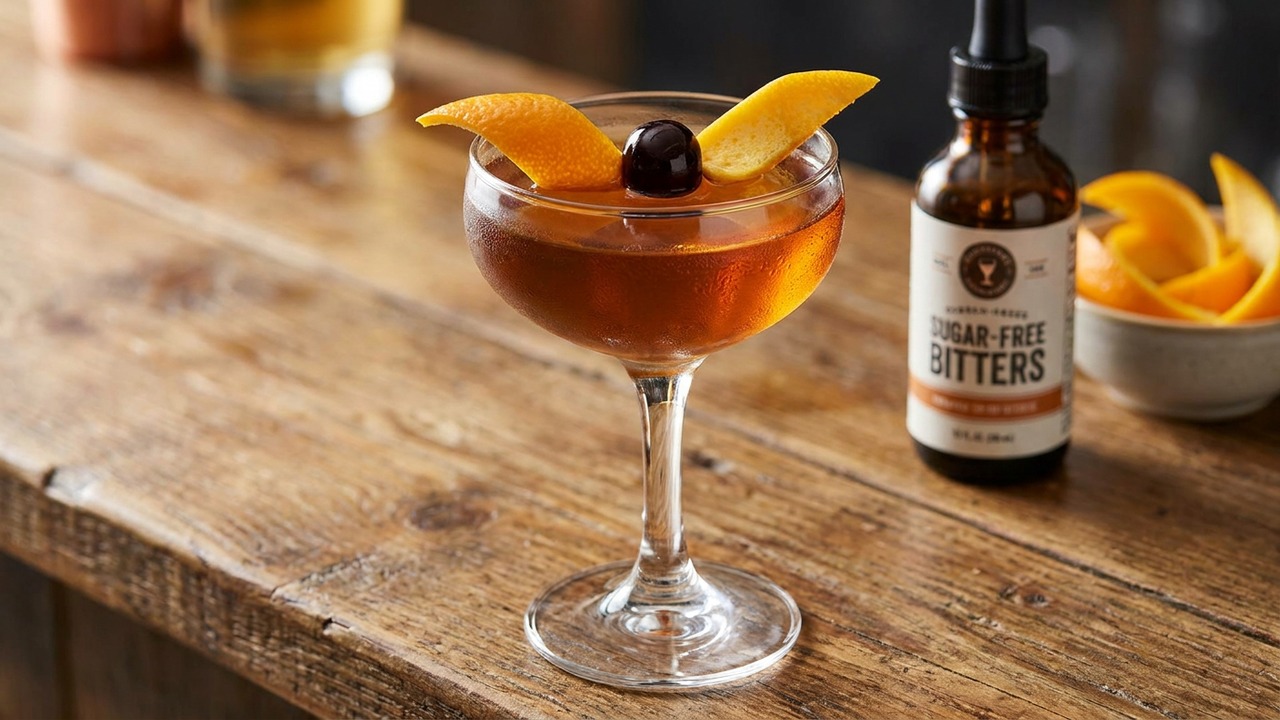
A lower-sugar take on the classic Manhattan that uses a concentrated vermouth reduction and sugar-free bitters to keep the flavor profile rich while cutting unnecessary sweetness. Bright orange oil and an optional sugar-free cherry provide the finishing aromatics without extra sugar.
Ingredient Spotlight
Sweet vermouth (for reduction)
Sweet vermouth is a fortified, aromatized wine flavored with botanicals and sugar; its modern styles come from Italy and France. It tastes sweet, herbal and slightly bitter with floral and spice notes, and reducing it concentrates those flavors into a syrupy glaze. Find it in the wine or liquor aisle; if you don't have it, substitute a sweet fortified wine (like sweet sherry or Marsala) or a mix of dry vermouth plus a little sugar and a dash of aromatic bitters.
Ingredient Spotlight
Sugar-free aromatic bitters (or zero-sugar bitters)
Aromatic bitters are highly concentrated botanical tinctures (cloves, cinnamon, gentian, citrus peel, etc.) used sparingly in cocktails to add depth; sugar-free versions are marketed for low‑carb or diabetic diets. They smell intensely spicy and bitter and are used in drops rather than tablespoons. Look for them at liquor stores, specialty grocery or online; you can substitute regular aromatic bitters (they contain very little sugar) or omit and add a tiny pinch of ground clove plus a bittering agent like gentian if necessary.
Ingredient Spotlight
Sugar-free maraschino cherry (optional)
A sugar-free maraschino cherry is a cocktail garnish made from preserved cherries sweetened with non‑caloric sweeteners instead of syrup. It has the firm, sweet cherry flavor with the characteristic bright color but without the sugar syrup of traditional maraschinos. Available at specialty grocery stores, cocktail shops or online; good non‑sugar substitutes are luxury preserved cherries (Luxardo or brandied cherries) or a fresh cherry for a less sweet garnish.
Jake Woods's note
"This Low Sugar Manhattan keeps the spirit-forward character you expect while trimming added sugars — perfect for a health-conscious evening or a refined after-dinner sip. Home bartenders will appreciate the make-ahead vermouth reduction that stores and concentrates flavor."
About This Recipe
This Low Sugar Manhattan keeps everything you love about the original — the warming rye, the bitters’ spice, and that concentrated cherry-orange perfume — but trims the unnecessary sugar load. By turning sweet vermouth into a reduced, syrupy concentrate you salvage its herbal complexity while using much less volume; the result is still round and aromatic, with a pronounced backbone from the whiskey and just enough sweetness to balance the spirit. The sugar-free bitters and optional no-sugar maraschino keep the drink bright rather than cloying, and the orange oil from the expressed peel ties the aromatics together.
This is a Manhattan for people who like to measure and mind their intake without sacrificing craft: bartenders who batch for low-sugar crowds, home hosts offering a lighter option, or anyone who wants a spirit-forward cocktail that finishes clean. The technique — a gentle reduction and deliberate stirring until proper dilution — is forgiving but purposeful, and rewards attention: a few extra seconds of stirring or a cooler glass will open the flavors in exactly the way a traditional Manhattan does, only leaner and a touch brighter.
Ingredients for Low Sugar Manhattan
- 4 fl oz Sweet vermouth (for reduction)
- 4 fl oz Rye whiskey (or bourbon)
- 4 dash(es) Sugar-free aromatic bitters (or zero-sugar bitters)
- 2 cups Ice (for stirring and chilling)
- 2 twists Orange peel (long twist)
- 2 pieces Sugar-free maraschino cherry (optional)
How to Make Low Sugar Manhattan
Step 1: Make the vermouth reduction
Pour the sweet vermouth into a small saucepan and bring to a gentle simmer over medium-low heat. Reduce by about half (from ~4 fl oz to ~2 fl oz), stirring occasionally, until syrupy — 6–8 minutes — then remove from heat and cool to room temperature; chill in the fridge or an ice bath before using. The reduction concentrates aromatics so you can use less vermouth while preserving flavor, lowering sugar per serving.For this step
- 4 fl ozSweet vermouth (for reduction)
Step 2: Build the cocktails in a mixing glass
In a mixing glass or large chilled glass, add the rye whiskey, 1.0 fl oz (30 ml) of the cooled vermouth reduction (this yields 0.5 fl oz per cocktail), and sugar-free bitters. Fill the mixing glass with plenty of ice to properly chill and dilute the drink during stirring.For this step
- 4 fl ozRye whiskey (or bourbon)
- 4 dash(es)Sugar-free aromatic bitters (or zero-sugar bitters)
- 2 cupsIce (for stirring and chilling)
Step 3: Stir and chill
Stir the mixture briskly for 20–30 seconds (about 20–30 good rotations) until well chilled and slightly diluted. Strain into two chilled coupe or Nick & Nora glasses (or a rocks glass over a large cube, if preferred).Step 4: Garnish and finish
Express an orange peel over each drink by holding it over the glass and giving it a quick twist to release oils, then rim the glass with the peel and drop it in. Add one sugar-free maraschino cherry to each glass if you like a touch of cherry aroma without added sugar.For this step
- 2 twistsOrange peel (long twist)
- 2 piecesSugar-free maraschino cherry (optional)
Step 5: Taste and adjust (optional)
If the cocktail seems too dry, add a tiny splash (1–2 ml) of a sugar-free simple syrup or a touch more vermouth reduction to taste; if too sweet, add an extra dash of bitters. Store any leftover vermouth reduction refrigerated in a sealed jar for up to 10–14 days.


- Pour the sweet vermouth into a small saucepan and bring to a gentle simmer over medium-low heat. Reduce by about half (from ~4 fl oz to ~2 fl oz), stirring occasionally, until syrupy — 6–8 minutes — then remove from heat and cool to room temperature; chill in the fridge or an ice bath before using. The reduction concentrates aromatics so you can use less vermouth while preserving flavor, lowering sugar per serving.
- In a mixing glass or large chilled glass, add the rye whiskey, 1.0 fl oz (30 ml) of the cooled vermouth reduction (this yields 0.5 fl oz per cocktail), and sugar-free bitters. Fill the mixing glass with plenty of ice to properly chill and dilute the drink during stirring.
- Stir the mixture briskly for 20–30 seconds (about 20–30 good rotations) until well chilled and slightly diluted. Strain into two chilled coupe or Nick & Nora glasses (or a rocks glass over a large cube, if preferred).
- Express an orange peel over each drink by holding it over the glass and giving it a quick twist to release oils, then rim the glass with the peel and drop it in. Add one sugar-free maraschino cherry to each glass if you like a touch of cherry aroma without added sugar.
- If the cocktail seems too dry, add a tiny splash (1–2 ml) of a sugar-free simple syrup or a touch more vermouth reduction to taste; if too sweet, add an extra dash of bitters. Store any leftover vermouth reduction refrigerated in a sealed jar for up to 10–14 days.
Low Sugar Manhattan Tips
Watch the simmer closely
Reduce vermouth over medium-low heat and keep it at a gentle simmer so volatile aromatics don’t cook off; aim for a slow transformation to syrup in 6–8 minutes.
Chill everything first
Cold tools—mixing glass, spoon, and serving glasses—help you reach ideal temperature and dilution without over-stirring, preserving the concentrated vermouth’s perfume.
Control dilution precisely
Stir for 20–30 seconds and count rotations; under-diluted tastes hot and sharp, while over-diluted loses body, so use ice volume and stirring time to find balance.
Express the peel properly
Hold the orange peel oils above the drink and give a decisive twist to spray the surface, then rim the glass and drop the peel in to maximize aroma without bitter pith.
Taste, then tweak
Because vermouths and bitters vary, add micro-splashes (1–2 ml) of sugar-free syrup or extra reduction incrementally to hit your preferred sweetness.
Low Sugar Manhattan Variations and Substitutions
Bourbon-forward Manhattan
Swap rye for a full-bodied bourbon to soften the spice and add vanilla notes; cut the reduction slightly if your bourbon is very sweet to keep balance.
Amaro-enriched twist
Replace half the reduction with a low-sugar amaro reduction (briefly reduce an amaro like Averna) for herbal bitterness and citrus-peel complexity without extra sugar.
Smoky Mezcal Variant
Substitute up to 25% of the whiskey with mezcal or give the glass a light mezcal rinse for a smoky Manhattan that still reads as low-sugar.
Bianco/Blanc Swap
Use a bianco vermouth reduced in the same way for a brighter, floral profile that keeps the drink lighter on perceived sweetness while offering fresh aromatics.
How to Store and Make Low Sugar Manhattan Ahead
Store leftover vermouth reduction in a sealed jar in the refrigerator for up to 10–14 days; bring it to room temperature briefly before using so it blends easily into cocktails. Pre-batched cocktail (whiskey plus reduction and bitters, unstirred) can be kept cold and sealed for 24–48 hours and should be stirred with fresh ice immediately before serving; avoid freezing which alters texture and aroma.
What to Serve With Low Sugar Manhattan
Serve these Manhattans with savory, umami-forward nibbles such as aged cheddar, prosciutto, or smoked almonds to echo the cocktail’s warmth, or a plate of olive-stuffed dates for contrast. If offering a tasting flight, pair alongside a citrus-spritzed aperitif or a small glass of hot water to cleanse the palate between sips.
Low Sugar Manhattan FAQs
Does reducing the vermouth remove alcohol?
Yes—some alcohol evaporates during reduction, but most of the aromatics concentrate, so you retain flavor while lowering the liquid volume and sugar contribution; the whiskey still provides the primary alcohol content.
How much sugar am I actually saving?
Savings depend on the vermouth you start with, but because you halve the vermouth volume by reducing and then use only 0.5 fl oz per cocktail, you typically cut the vermouth-derived sugar by roughly 40–60% compared with a classic Manhattan that uses full sweet vermouth.
Can I use regular bitters if I don’t have sugar-free?
Yes—regular aromatic bitters are fine and add complexity, but they may contribute trace sugar; if you’re strictly tracking carbs, stick with a zero-sugar option.
How long can I make the reduction in advance?
You can make the vermouth reduction up to 10–14 days ahead and keep it refrigerated; bringing it to room temperature or giving it a gentle stir before measuring will make it easier to pour.
Is stirring really necessary instead of shaking?
Yes: stirring chills and dilutes without aerating, preserving the silky texture and clear appearance that a Manhattan should have, while shaking would introduce unwanted cloudiness and break the mouthfeel.
About the author
Jake WoodsHello, I'm Jake. I started this recipe site with the idea that I hated recipe websites that overwhelm you with long stories and ads just to see plain content that's not helpful. My goal is to provide you with quality recipes, simple ideas and a fun cooking experience. There's lots of fun things to cook, and I think as you browse the site you'll find that TopShelf.Recipes is the place for quality recipes on the web.
See all recipes by Jake Woods →Ratings & Reviews
Did you make this recipe?
Be the first to share your experience.
Nutrition Facts
Per serving: 1 serving (approx. 347g)
Nutrition values are estimated from USDA ingredient data and may vary based on preparation, brands, and portion sizes. Values are provided for informational purposes only.
Keep Reading
Guides & articles for this recipe
Guides
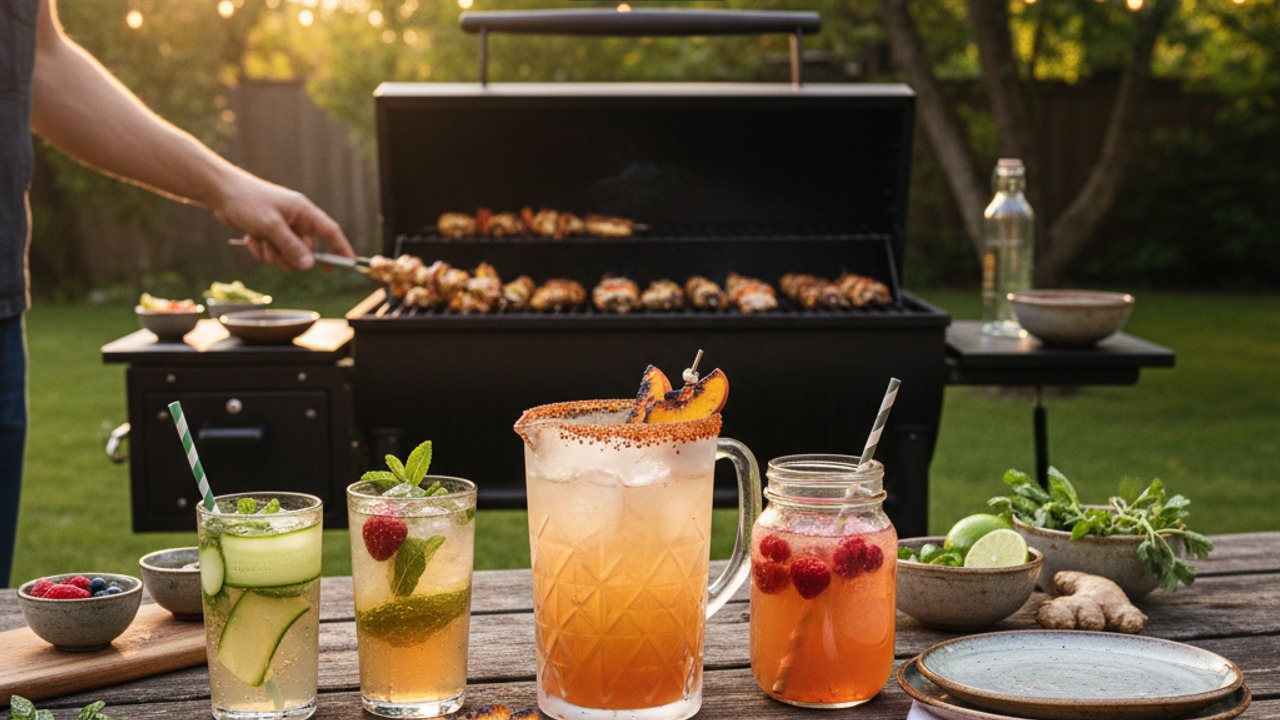
Trending Grillside Drinks for 2026: Cocktails, Low‑ABV Sippers, and Non‑Alcoholic Pairings to Elevate Backyard BBQ
Discover the hottest drinks to serve alongside summer grilling in 2026 — from smoked‑syrup cocktails and barrel‑aged RTDs to low‑ABV spritzes, shrubs, kombuchas, and tea blends. Includes batch-making tips, safety notes, and pairing suggestions for common grilled proteins and sides.
Recipes
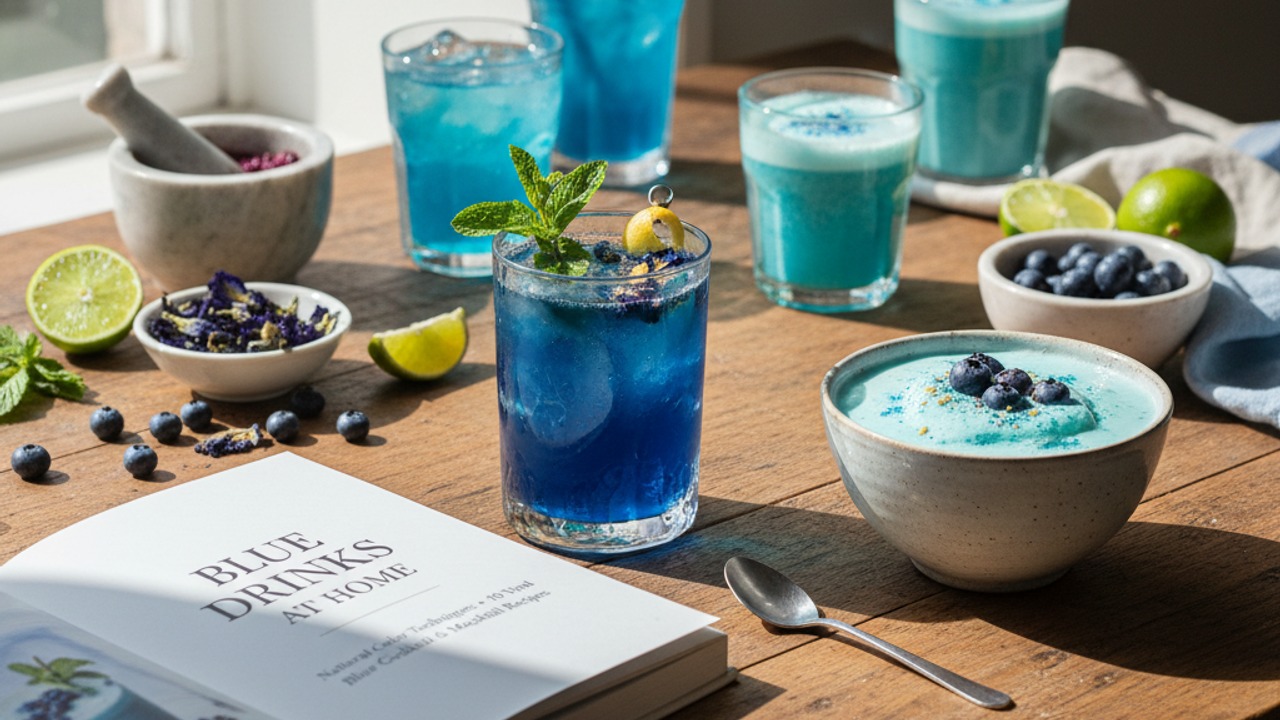
Blue Drinks at Home: Natural Color Techniques + 10 Viral Blue Cocktail & Mocktail Recipes
Discover how to make stunning blue drinks at home using natural ingredients like butterfly pea and blue spirulina. This guide includes practical techniques, storage tips, and 10 viral cocktail and mocktail recipes — many with grilled-garnish ideas for backyard entertaining.

Healthy Eating
Gluten-Free Weeknight Grilling Plan
A 7-day gluten-free weeknight grilling plan with quick, family-friendly recipes, prep-ahead timelines, and a printable shopping list that spotlights late-summer produce and pantry staples. Includes clear cross-contamination safety tips and simple swaps to keep dinners fast and crowd-pleasing.
More from Drinks
View all Drinks recipes →
Grilled Lime Margarita

Lillet Spritz

Watermelon Agua Fresca (Easy Blender Recipe)

Hemingway Daiquiri

Chartreuse Sour

Savory French Spritz

Brown Butter Dalgona

Mushroom Mocha Latte

Hibiscus Cold Brew Fizz
Ask me anything about this recipe — substitutions, scaling, techniques, timing.
Powered by AI · 6 questions per 5 minutes, 30 per day