Mussels in White Wine
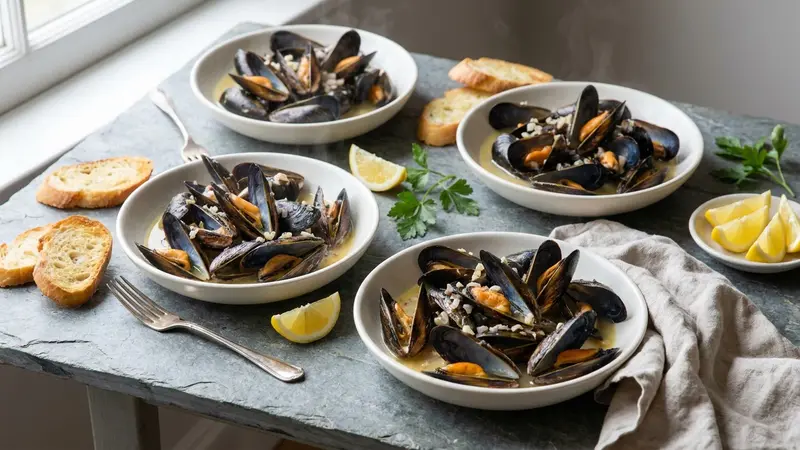
Tender steamed mussels finished in a bright white-wine, garlic and butter broth—ready in under 40 minutes. Serve hot in shallow bowls with crusty bread for dipping the flavorful cooking liquid.
Ingredient Spotlight
live mussels, scrubbed and debearded
Mussels are bivalve shellfish commonly used in European and Asian coastal cuisines; “live” means they should be purchased fresh and cleaned (scrubbed and beards removed) before cooking. They taste briny-sweet and have a tender, slightly chewy texture with a clean ocean aroma. Buy them from a reputable seafood counter or fishmonger—discard any with broken shells or that don’t close when tapped. If live mussels aren’t available, good substitutes are littleneck clams, fresh mussels from the frozen section, or large shrimp for a similar seafood element.
Ingredient Spotlight
medium shallot, finely chopped
A shallot is a small, mild member of the onion family used widely in French and Southeast Asian cooking; it has a sweeter, subtler onion flavor with a hint of garlic. You’ll find shallots in the produce aisle at most supermarkets or at farmers’ markets. Use a small amount in recipes where a gentle, aromatic onion note is desired; as a substitute, use finely minced mild red or yellow onion mixed with a little minced garlic (about 1 small shallot ≈ 2 tablespoons minced onion + a pinch of garlic).
Jake Woods's note
"Work quickly once the mussels hit the steaming liquid—6–8 minutes is plenty and most shells will pop open in that window. Reserve lemon until the end so the citrus lifts the broth without flattening the wine, and discard any mussel that stays tightly closed after cooking."
About This Recipe
This classic stovetop mussel preparation keeps the focus where it belongs: tender shellfish bathed in a bright, aromatic broth you’ll want to mop up with bread. Using a splash of dry white wine, a soft shallot base, garlic, and a knob of butter creates a glossy, balanced cooking liquid—acid from the lemon brightens the richness and keeps the flavors from feeling heavy. The method is quick, forgiving, and designed for 2 pounds of live mussels split across a roomy 4–5‑quart pot so the shells steam rather than pile up and sweat unevenly.
The finished dish is more about texture and timing than complicated technique—mussels should be juicy, not rubbery, and the broth should taste lively with wine, garlic, and a hint of butter. Serve it in shallow bowls so the shells rest partially open and the broth pools for dipping; a single loaf of crusty bread is enough to sop and makes this an easy, convivial meal for four. This version keeps seasonings simple so the natural salinity of the mussels and the quality of the wine show through.
Plan your timing
Ingredients for Mussels in White Wine
- 2 lb live mussels, scrubbed and debearded
- 2 tbsp extra-virgin olive oil
- 1 medium medium shallot, finely chopped
- 3 cloves garlic, minced
- 1 cup dry white wine
- 2 tbsp unsalted butter
- 1 fruit lemon (for juice and wedges)
- 1 tsp kosher salt
- 1/4 tsp freshly ground black pepper
- 1 loaf crusty bread (baguette or similar), sliced
How to Make Mussels in White Wine
Step 1: Inspect and clean the mussels
Active 10 min
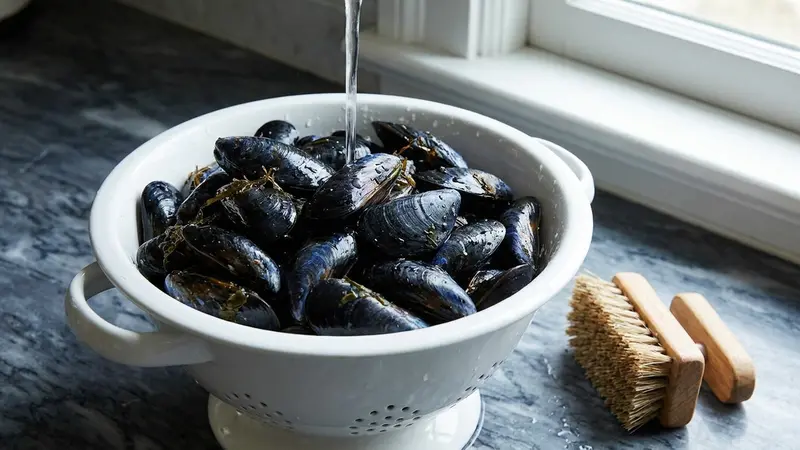
Place the mussels in a colander and rinse them under cold running water. Discard any mussels with cracked shells or that remain open and do not close when tapped. Use a stiff brush to scrub off barnacles and pull the beard (fibrous threads) toward the hinge to remove it.For this step
- 2 lblive mussels, scrubbed and debearded
Step 2: Prep aromatics and bread
Active 6 min
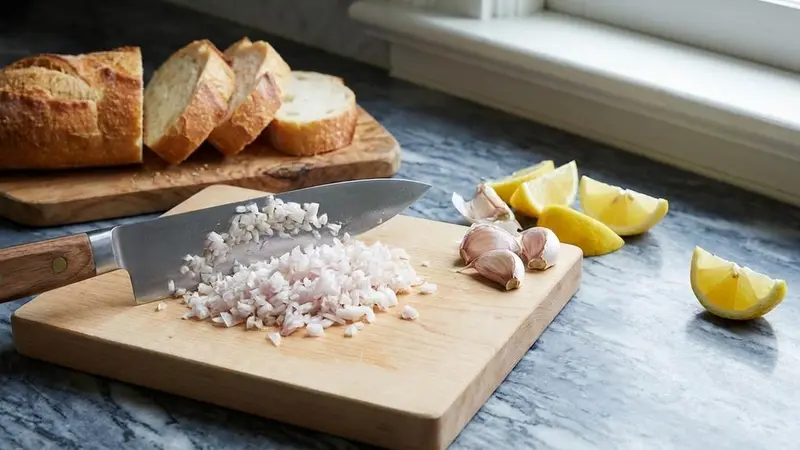
Finely chop the shallot and mince the garlic. Cut the lemon into wedges (reserve 1 wedge for finishing and juice the rest as needed). Slice the crusty bread into 1/2-inch slices for toasting or serving. Set everything near the stove for quick access.For this step
- 1 mediummedium shallot, finely chopped
- 3 clovesgarlic, minced
- 1 fruitlemon (for juice and wedges)
- 1 loafcrusty bread (baguette or similar), sliced
Step 3: Sauté shallot and garlic
Active 4 min
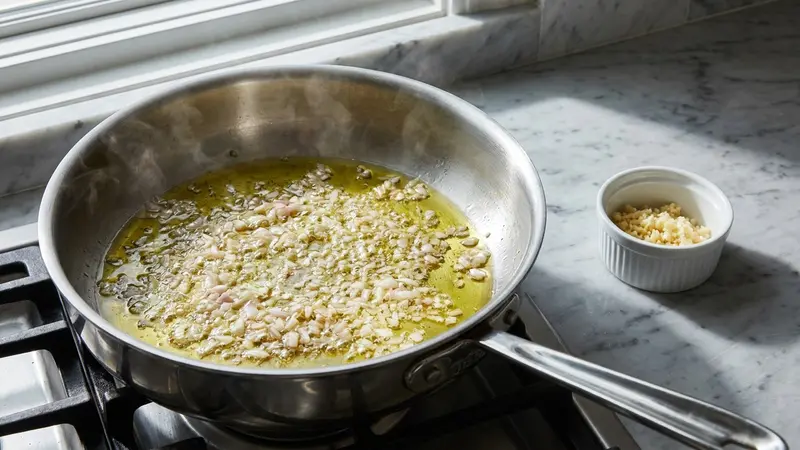
Heat a large, deep skillet or 4–5‑quart Dutch oven over medium heat and add the olive oil. When the oil shimmers, add the chopped shallot and sauté 2–3 minutes until softened and translucent, then add the minced garlic and cook another 30–60 seconds until fragrant—do not let the garlic brown.For this step
- 2 tbspextra-virgin olive oil
- 1 cupdry white wine
Step 4: Add wine and steam the mussels
Active 4 min · Passive 8 min
Pour in the white wine and raise heat to medium-high so the liquid comes to a brisk simmer. Add the prepared mussels, cover the pot with a tight-fitting lid, and steam for 6–8 minutes, shaking the pan once after 3–4 minutes. Check: most shells should be open; discard any mussels that remain tightly closed after cooking.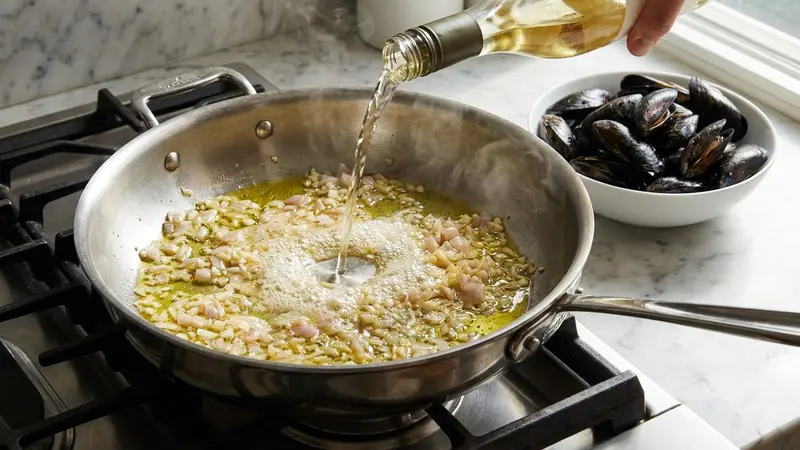
Step 5: Finish the broth and season
Active 3 min
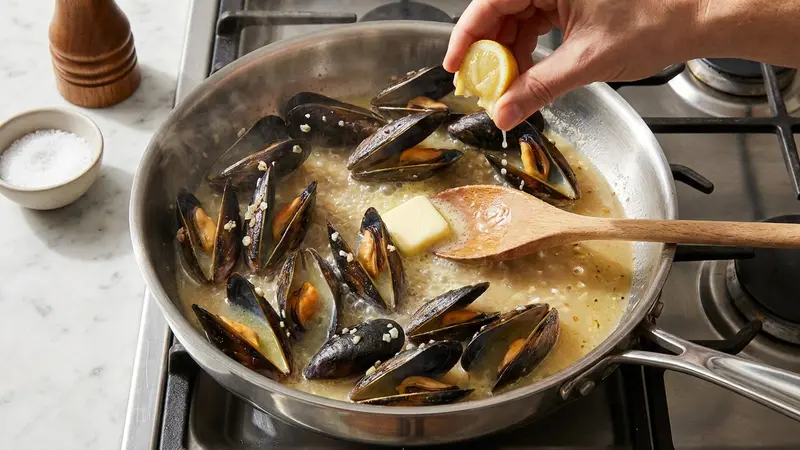
Remove the lid and immediately stir in the butter and a squeeze of lemon juice (start with about 1 tablespoon). Season with the kosher salt and freshly ground black pepper to taste, swirl the pot so the butter melts and the mussels are coated, and let the broth reduce 30–60 seconds if it seems very watery.For this step
- 2 tbspunsalted butter
- 1 tspkosher salt
- 1/4 tspfreshly ground black pepper
Step 6: Serve with bread and safety/leftover notes
Active 3 min
Transfer mussels and broth to shallow bowls so the shells rest slightly open and are easy to eat; serve immediately with the sliced crusty bread for dipping. Refrigerate any leftovers in a shallow container within 2 hours and use within 3–4 days; when reheating bring leftovers to 165°F (74°C). Divide the finished mussels and broth among 4 shallow bowls, about 1½ cups (350g) per bowl (serves 4).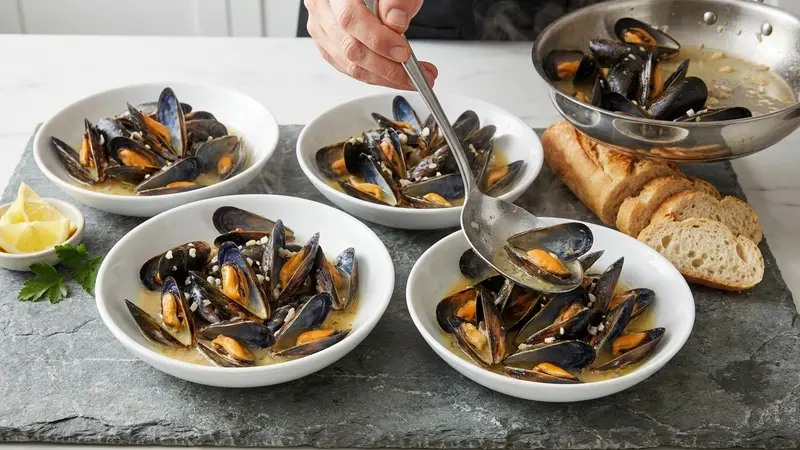
- Place the mussels in a colander and rinse them under cold running water. Discard any mussels with cracked shells or that remain open and do not close when tapped. Use a stiff brush to scrub off barnacles and pull the beard (fibrous threads) toward the hinge to remove it.
- Finely chop the shallot and mince the garlic. Cut the lemon into wedges (reserve 1 wedge for finishing and juice the rest as needed). Slice the crusty bread into 1/2-inch slices for toasting or serving. Set everything near the stove for quick access.
- Heat a large, deep skillet or 4–5‑quart Dutch oven over medium heat and add the olive oil. When the oil shimmers, add the chopped shallot and sauté 2–3 minutes until softened and translucent, then add the minced garlic and cook another 30–60 seconds until fragrant—do not let the garlic brown.
- Pour in the white wine and raise heat to medium-high so the liquid comes to a brisk simmer. Add the prepared mussels, cover the pot with a tight-fitting lid, and steam for 6–8 minutes, shaking the pan once after 3–4 minutes. Check: most shells should be open; discard any mussels that remain tightly closed after cooking.
- Remove the lid and immediately stir in the butter and a squeeze of lemon juice (start with about 1 tablespoon). Season with the kosher salt and freshly ground black pepper to taste, swirl the pot so the butter melts and the mussels are coated, and let the broth reduce 30–60 seconds if it seems very watery.
- Transfer mussels and broth to shallow bowls so the shells rest slightly open and are easy to eat; serve immediately with the sliced crusty bread for dipping. Refrigerate any leftovers in a shallow container within 2 hours and use within 3–4 days; when reheating bring leftovers to 165°F (74°C). Divide the finished mussels and broth among 4 shallow bowls, about 1½ cups (350g) per bowl (serves 4).
Mussels in White Wine Tips
Choose live mussels
Tap any open shells before cooking—if they don’t close, discard them; a live mussel will draw closed when tapped or squeezed gently.
Use the right pot
A 4–5 quart Dutch oven or deep skillet gives the mussels room to steam in a single layer; overcrowding traps steam and lengthens cook time.
Watch the steam time
Start checking after 6 minutes and shake the pot once midway; overcooking toughens mussels, so remove them as soon as most shells open.
Finish with citrus last
Add lemon juice off the heat so the acidity brightens the broth without flattening the wine’s aromatics.
Save the cooking liquid
The broth is flavorful—strain any grit and serve it with the mussels, or freeze portions for seafood-steamed rice or soups.
Mussels in White Wine Variations and Substitutions
Tomato and basil
Add a 14-oz can of diced tomatoes with the wine and finish with a handful of chopped basil for a Provençal twist that pairs well with the crusty bread.
Creamy white wine
Stir in 1/3 cup heavy cream at the end and reduce the wine slightly for a richer sauce; skip the extra salt until after the cream is added.
Spicy chorizo-scented
Brown 3 oz diced Spanish chorizo with the shallot for 3–4 minutes before adding garlic and wine to introduce smoky, spicy notes that stand up to the mussels.
Non-alcoholic swap
Use 1 cup low-sodium chicken or vegetable broth plus 1 tablespoon lemon juice or 1 teaspoon white wine vinegar as a substitute for the wine.
How to Store and Make Mussels in White Wine Ahead
Refrigerate leftovers within 2 hours in a shallow, airtight container and use within 3–4 days. If you plan to save the broth, strain it to remove grit before refrigerating or freeze in airtight containers for up to 2 months. When reheating, bring the mussels and broth to 165°F (74°C); reheat only once and discard any mussels that are already tightly closed after reheating.
What to Serve With Mussels in White Wine
Serve each portion in a shallow bowl so shells are easy to access and the broth collects for dipping; place lemon wedges on the side for extra brightness. Offer plenty of toasted or grilled baguette slices and a simple green salad dressed with a lemon vinaigrette to cut the richness. A crisp, dry white wine such as Muscadet or a light Sauvignon Blanc complements the dish, or try a pilsner-style beer for a casual pairing.
Mussels in White Wine FAQs
How do I tell if mussels are bad before cooking?
Discard any mussels with cracked or broken shells. Tap open shells—if they fail to close within a few seconds they are likely dead and should be discarded.
Should I soak mussels to remove sand?
A short 20–30 minute soak in cold salted water can help purge visible sand, but thorough scrubbing and debearding are usually sufficient; always rinse well before cooking and strain the cooking liquid if needed.
Can I use frozen mussels for this recipe?
Yes—use thawed, pre-cooked frozen mussels added near the end of cooking to warm through; they won’t need the 6–8 minute steam and will overcook if treated like live mussels.
What if many shells stay closed after steaming?
If a few remain closed, discard them—closed shells after cooking indicate the shellfish did not open and are unsafe to eat.
Can I reduce the wine?
Yes—after adding the butter and lemon, simmer 30–60 seconds to concentrate the flavor if the broth tastes too thin, but avoid long reductions that overly concentrate salt and alcohol.
How do I avoid rubbery mussels?
Keep steaming time short and check at 6 minutes; remove mussels as soon as the majority open, since prolonged heat toughens the flesh.
About the author
Jake WoodsHello, I'm Jake. I started this recipe site with the idea that I hated recipe websites that overwhelm you with long stories and ads just to see plain content that's not helpful. My goal is to provide you with quality recipes, simple ideas and a fun cooking experience. There's lots of fun things to cook, and I think as you browse the site you'll find that TopShelf.Recipes is the place for quality recipes on the web.
See all recipes by Jake Woods →Ratings & Reviews
Did you make this recipe?
Be the first to share your experience.
Nutrition Facts
Per serving: 1 serving
Nutrition values are estimated from USDA ingredient data and may vary based on preparation, brands, and portion sizes. Values are provided for informational purposes only.
Keep Reading
Guides & articles for this recipe
Seasonal
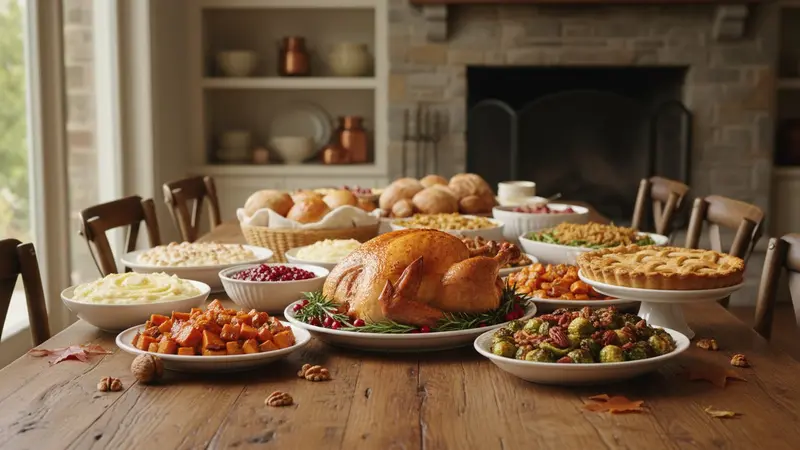
Mastering Thanksgiving Sides
A practical roundup of Thanksgiving side dishes that balance make-ahead ease with crowd-pleasing flavor. Find vegetable roasts, creamy potatoes, classic casseroles, and breads to round out your holiday table.
Tips & Techniques
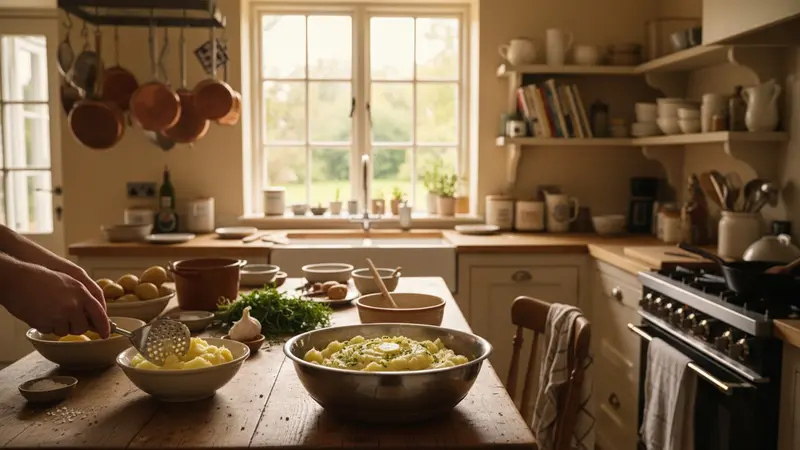
Make the Best Mashed Potatoes
A clear, practical guide to choosing the right potato and dialing texture for fluffy, creamy, or chunky mashed potatoes. Covers store-bought potato types (Russet, Yukon, Red), tools and step-by-step technique, and how to avoid common pitfalls.
Tips & Techniques
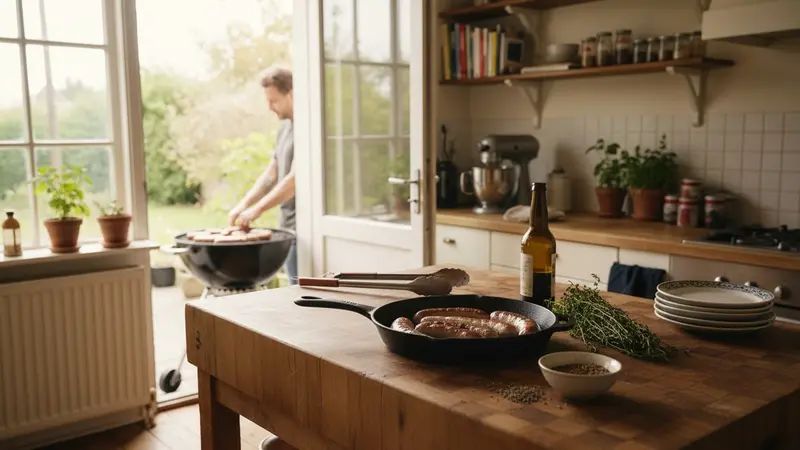
Grilling Brats: Tender, Juicy Results
Practical, cookable guidance for grilling bratwurst so they stay tender and juicy from first bite to last. Covers choosing the right sausage, gentle prep and par-cooking, grill heat management, finishing without drying, and serving traditions.
More from Stovetop
View all Stovetop recipes →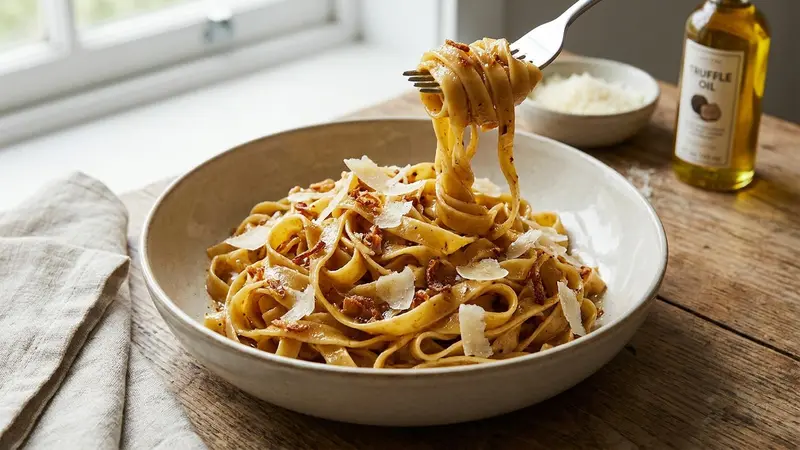
Truffle Tagliatelle with Brown Butter, Crispy Shallots and Parmigiano
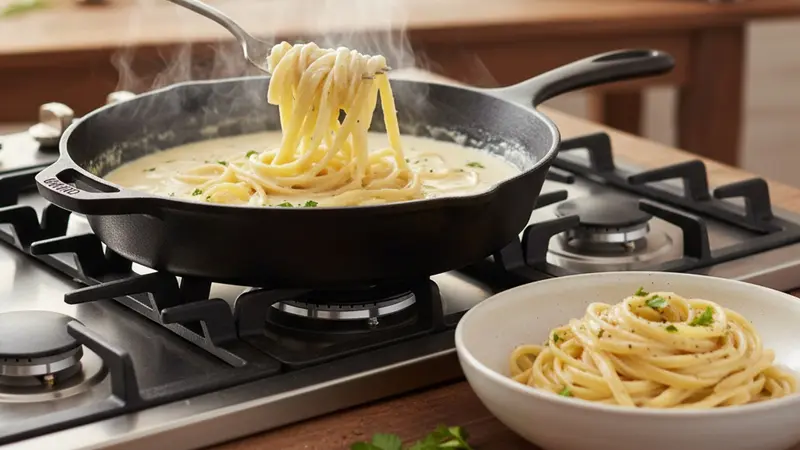
Easy Alfredo Sauce Without Cream (Butter, Milk, and Parmesan)
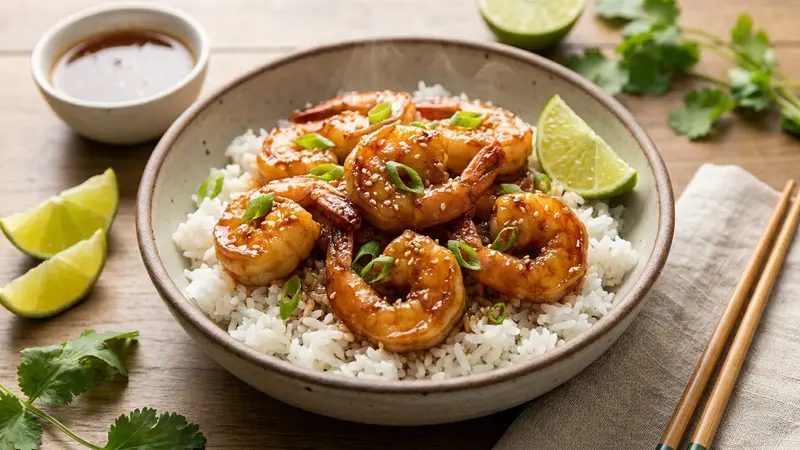
Honey Garlic Shrimp Rice Bowl (15-Minute Stovetop Dinner)

Citrus Pineapple Ground Pork Tacos with Quick Pickled Onions
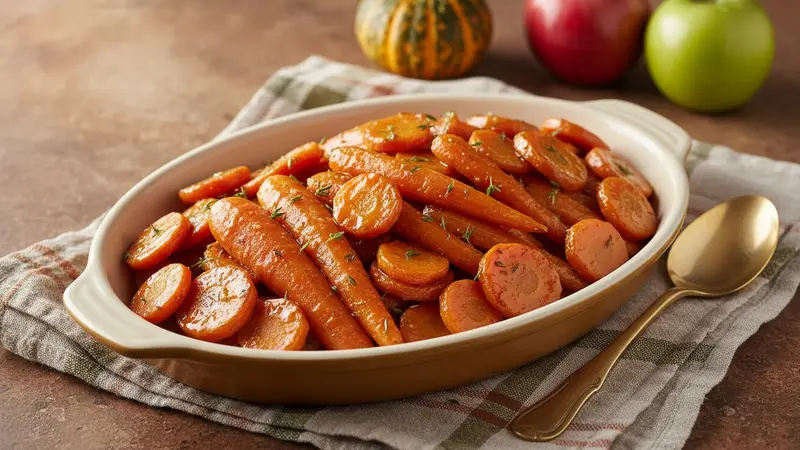
Maple Glazed Carrots

Grilled S'mores Skewers with Spiced Chocolate
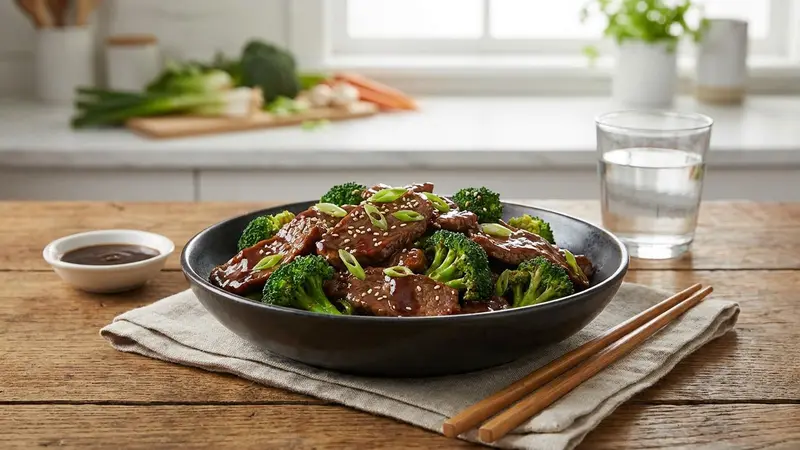
Easy Beef and Broccoli Stir-Fry with Hoisin-Style Sauce (25 Minutes)
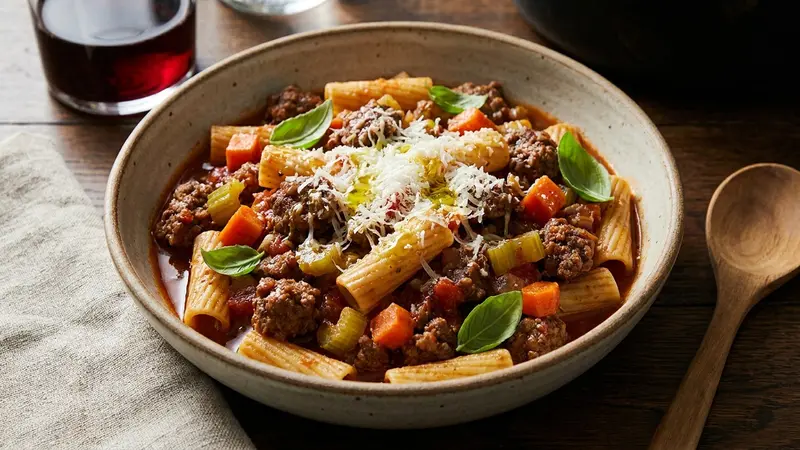
Beef Ragu One-Pot
Honey Soy Glazed Salmon Rice Bowl (30-Minute Oven or Stovetop)
Ask me anything about this recipe — substitutions, scaling, techniques, timing.
Powered by AI · 6 questions per 5 minutes, 30 per day