Perfect Classic Vodka Martini — Stirred or Shaken
A precise, classic vodka martini recipe with notes on ratios, stirring vs shaking, and two garnish options. Simple enough for home bartenders but detailed in technique to deliver a perfectly chilled, balanced martini every time.
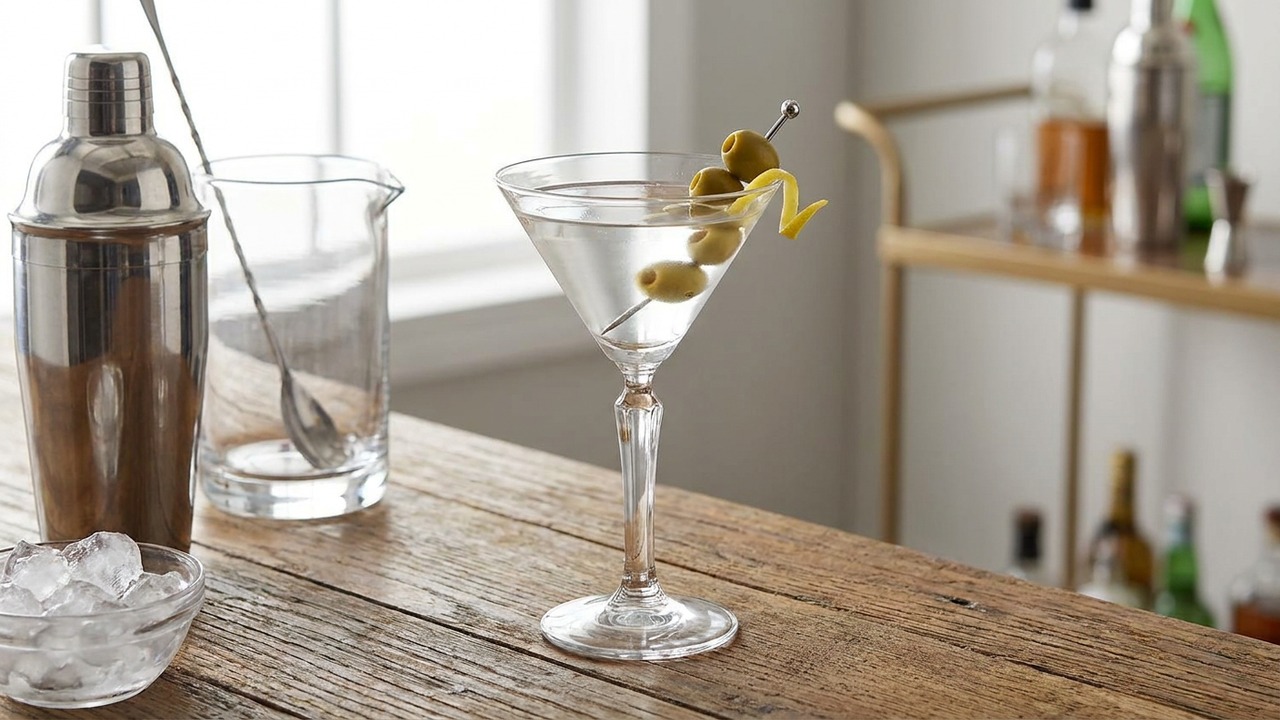
Ingredient Spotlight
Dry vermouth (preferably French or Italian)
A fortified, aromatized white wine flavored with a blend of botanicals used primarily in classic cocktails like the Martini. French (e.g., Noilly Prat) and Italian styles differ somewhat in herbal profile and sweetness but are both pantry staples in cocktail culture. It smells floral and herbal and tastes dry with botanical, slightly bitter notes. Find it at liquor stores or many supermarkets; good substitutes are dry sherry, Lillet Blanc (a bit sweeter), or a dry white wine with a splash of brandy and a pinch of dried herbs.
Ingredient Spotlight
Orange bitters (optional)
Concentrated cocktail bitters made from bitter orange peel and spices, used to add bright citrus-bitter complexity to mixed drinks. They come from classic cocktail traditions and carry intense bitter-citrus aromatics with warm spice undertones. Available at well-stocked liquor stores, cocktail shops, or online. If you can’t find them, mimic the effect with a dash of aromatic bitters (e.g., Angostura) plus a tiny bit of fresh orange zest, or a small splash of orange liqueur combined with a few drops of aromatic bitters.
Jake Woods's note
"This recipe nails the clean, spirit-forward character of a classic vodka martini and offers both stirred and shaken techniques. It’s ideal for date nights or entertaining when you want an elegant, quick cocktail that always feels special."
About This Recipe
This vodka martini is deliberately simple and exacting: a clean 6:1 vodka-to-vermouth ratio, an optional whisper of orange bitters, and a clear choice between stirring or shaking. It’s a recipe for people who want a focused, chilled sip rather than a cocktail that hides behind adornment. The vodka-forward profile lets the spirit’s texture and subtle botanical or grain notes take center stage, while a measured splash of dry vermouth adds floral lift and a barely-there herbal backbone. Use good ice, a very cold glass, and a modest dilution target and you’ll get a silky, almost emissive drink that highlights the spirit rather than masking it.
Where this version really works is at small, intentional gatherings: pre-dinner drinks for two, a minimalist aperitivo, or a quiet nightcap when you want the precision of a classic without a lot of fuss. The instructions walk you through how stirring preserves a crystalline clarity and satin mouthfeel, and how shaking trades some clarity for a colder, aerated texture. Two garnish paths—briny olives or an aromatic lemon twist—give you a sharp choice in direction every time you make it, so you can tailor the same formula to a savory or citrus-forward mood.
Ingredients for Perfect Classic Vodka Martini — Stirred or Shaken
- 6 fl oz Good-quality vodka
- 1 fl oz Dry vermouth (preferably French or Italian)
- 1 1/2 cups Ice (large cubes)
- 2 dash Orange bitters (optional)
- 4 pieces Large green olives, pitted (garnish option)
- 2 pieces Lemon peel, 2 long twists (garnish option)
How to Make Perfect Classic Vodka Martini — Stirred or Shaken
Step 1: Chill glass and prep garnishes
Place two martini or coupe glasses in the freezer for at least 5 minutes or fill them with ice water while you prepare—cold glass keeps the cocktail crisp. If using a lemon twist, cut two long strips of peel, trying to avoid white pith; if using olives, skewer two per glass.Step 2: Measure vodka and vermouth
Pour 6 fl oz (177 ml) vodka and 1 fl oz (29.6 ml) dry vermouth into a mixing glass or cocktail shaker. This 6:1 ratio gives a clean, vodka-forward martini; adjust vermouth by 0.25–0.5 oz per glass if you prefer wetter or drier.For this step
- 6 fl ozGood-quality vodka
- 1 fl ozDry vermouth (preferably French or Italian)
Step 3: Add bitters (optional) and ice, then chill
Add 2 dashes of orange bitters if desired, then fill the mixing glass or shaker with plenty of ice. For a classic, clear martini stir with a long bar spoon for 30–45 seconds until well-chilled and slightly diluted; to shake (colder and slightly cloudy), seal the shaker and shake vigorously for 10–12 seconds.For this step
- 1 1/2 cupsIce (large cubes)
- 2 dashOrange bitters (optional)
Step 4: Strain into chilled glasses
Discard ice or water from the chilled glasses and double-strain the cocktail into each glass using a hawthorne or fine mesh strainer to remove tiny shards of ice (especially important if shaken). The drink should be very cold and silky in texture.Step 5: Garnish and serve
For a savory martini, drop two skewered olives into each glass; for a brighter profile, express a lemon twist over the surface, rub it on the rim, and drop it in. Serve immediately and enjoy—sip slowly to appreciate the balance and chill.For this step
- 4 piecesLarge green olives, pitted (garnish option)
- 2 piecesLemon peel, 2 long twists (garnish option)


- Place two martini or coupe glasses in the freezer for at least 5 minutes or fill them with ice water while you prepare—cold glass keeps the cocktail crisp. If using a lemon twist, cut two long strips of peel, trying to avoid white pith; if using olives, skewer two per glass.
- Pour 6 fl oz (177 ml) vodka and 1 fl oz (29.6 ml) dry vermouth into a mixing glass or cocktail shaker. This 6:1 ratio gives a clean, vodka-forward martini; adjust vermouth by 0.25–0.5 oz per glass if you prefer wetter or drier.
- Add 2 dashes of orange bitters if desired, then fill the mixing glass or shaker with plenty of ice. For a classic, clear martini stir with a long bar spoon for 30–45 seconds until well-chilled and slightly diluted; to shake (colder and slightly cloudy), seal the shaker and shake vigorously for 10–12 seconds.
- Discard ice or water from the chilled glasses and double-strain the cocktail into each glass using a hawthorne or fine mesh strainer to remove tiny shards of ice (especially important if shaken). The drink should be very cold and silky in texture.
- For a savory martini, drop two skewered olives into each glass; for a brighter profile, express a lemon twist over the surface, rub it on the rim, and drop it in. Serve immediately and enjoy—sip slowly to appreciate the balance and chill.
Perfect Classic Vodka Martini — Stirred or Shaken Tips
Chill every component
Place glasses, mixing vessel, and even the vodka in the fridge or freezer briefly so the drink chills faster and needs less dilution for the same temperature.
Measure vermouth precisely
Use a jigger for the 1 fl oz vermouth so the balance remains consistent—small changes in vermouth dramatically alter the martini’s character.
Target dilution time
Stir for 30–45 seconds for 15–20% dilution and a silky mouthfeel; shake 10–12 seconds if you prefer colder temperature and a touch of cloudiness.
Prefer large ice cubes
Big, dense ice melts more slowly and chills without over-diluting, preserving the martini’s texture and flavor clarity.
Express the citrus oils
When using a lemon twist, hold it over the drink and give a firm bend to spray oils across the surface—this adds immediate aroma without extra acidity.
Perfect Classic Vodka Martini — Stirred or Shaken Variations and Substitutions
Dirty Martini
Add 0.5–1 oz of the olive jar brine to the recipe and reduce vermouth slightly for a savory, umami-forward martini that pairs well with the olive garnish.
Vesper-style riff
Swap half the vodka for a dry gin and substitute Lillet Blanc or another aromatized wine for vermouth to create a brighter, slightly sweeter Vesper-inspired drink.
Ultracrisp Extra-Dry
Rinse the glass with a teaspoon of vermouth instead of adding it to the mix, then proceed with the standard vodka; this produces a very dry, vodka-led martini.
Citrus-Forward Martini
Add 1 dash of orange bitters and a longer lemon twist for a zesty, perfumed profile that lifts lighter vodkas or wheat-based spirits.
How to Store and Make Perfect Classic Vodka Martini — Stirred or Shaken Ahead
A mixed martini is best enjoyed immediately; once chilled and strained it loses its texture and aromatic lift quickly. You can batch the spirits and vermouth (without ice) and keep them sealed and chilled in the refrigerator for up to 24 hours, then add ice and stir/ shake just before serving. Do not reheat—serve cold and freshly strained.
What to Serve With Perfect Classic Vodka Martini — Stirred or Shaken
Serve with small, salty bites like marinated olives, smoked almonds, or thinly sliced smoked salmon on crisp toast to mirror the martini’s saline or briny notes. For a lighter pairing, oysters or a simple cucumber canapé complement the cocktail’s chilled clarity. Keep napkins and a small water carafe nearby so guests can cleanse the palate between sips.
Perfect Classic Vodka Martini — Stirred or Shaken FAQs
Should I shake or stir a vodka martini?
Stirring preserves clarity and a silky mouthfeel; shaking yields a colder, slightly aerated and cloudy drink. Choose based on texture preference—stir for tradition, shake for a colder, more aggressive chill.
How dry should the martini be?
This recipe’s 6:1 ratio gives a clean, vodka-forward martini; reduce vermouth by 0.25–0.5 oz per glass for an extra-dry finish, or increase it if you prefer more herbal lift and complexity.
Can I use flavored vodka?
You can, but flavored vodkas will change the martini’s balance and can clash with vermouth; choose subtle citrus or floral vodkas and reduce any added bitters to let the flavor integrate.
Why double-strain the cocktail?
Double-straining removes tiny ice shards and any bits of citrus oil, yielding a silkier texture and cleaner presentation—especially important if you shook the drink.
How do I scale this for a small party?
Multiply the vodka and vermouth proportions and mix them in a chilled pitcher or bottle, then keep it in the fridge; when ready, pour over fresh ice in a mixing glass and stir briefly before straining into chilled glasses.
About the author
Jake WoodsHello, I'm Jake. I started this recipe site with the idea that I hated recipe websites that overwhelm you with long stories and ads just to see plain content that's not helpful. My goal is to provide you with quality recipes, simple ideas and a fun cooking experience. There's lots of fun things to cook, and I think as you browse the site you'll find that TopShelf.Recipes is the place for quality recipes on the web.
See all recipes by Jake Woods →Ratings & Reviews
Did you make this recipe?
Be the first to share your experience.
Nutrition Facts
Per serving: 1 serving (approx. 273g)
Nutrition values are estimated from USDA ingredient data and may vary based on preparation, brands, and portion sizes. Values are provided for informational purposes only.
Keep Reading
Guides & articles for this recipe
Guides
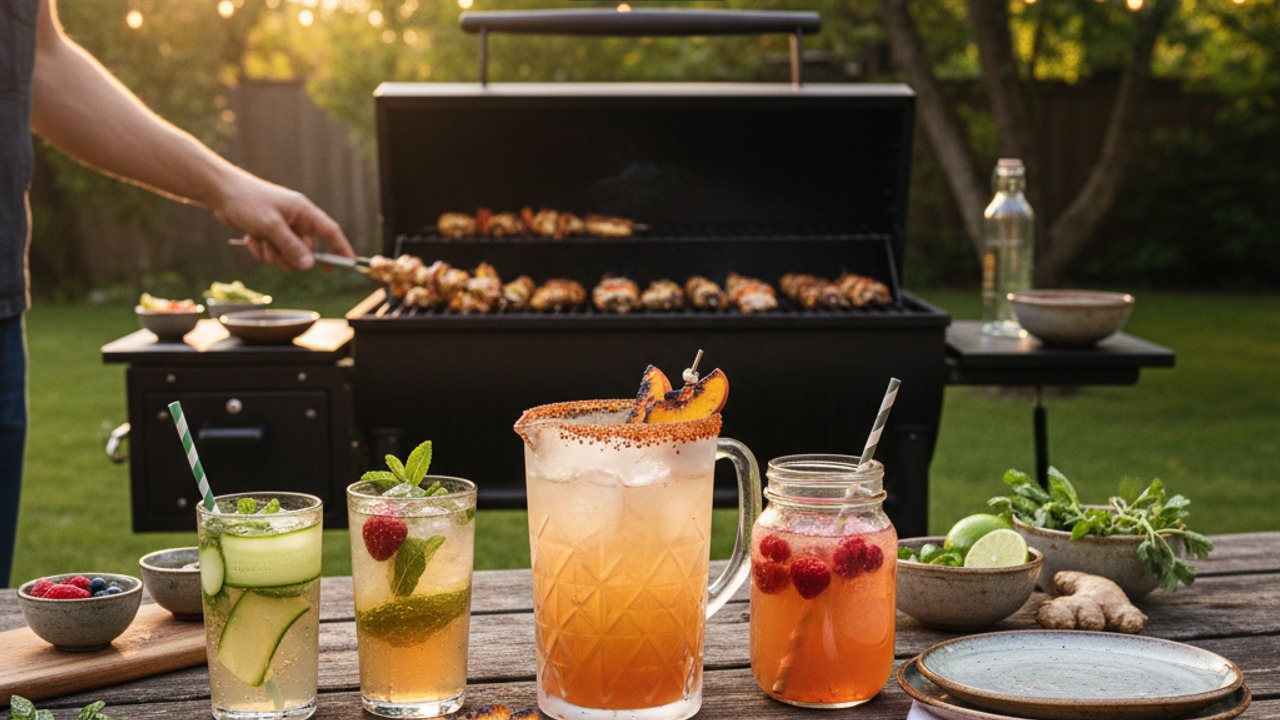
Trending Grillside Drinks for 2026: Cocktails, Low‑ABV Sippers, and Non‑Alcoholic Pairings to Elevate Backyard BBQ
Discover the hottest drinks to serve alongside summer grilling in 2026 — from smoked‑syrup cocktails and barrel‑aged RTDs to low‑ABV spritzes, shrubs, kombuchas, and tea blends. Includes batch-making tips, safety notes, and pairing suggestions for common grilled proteins and sides.
Recipes
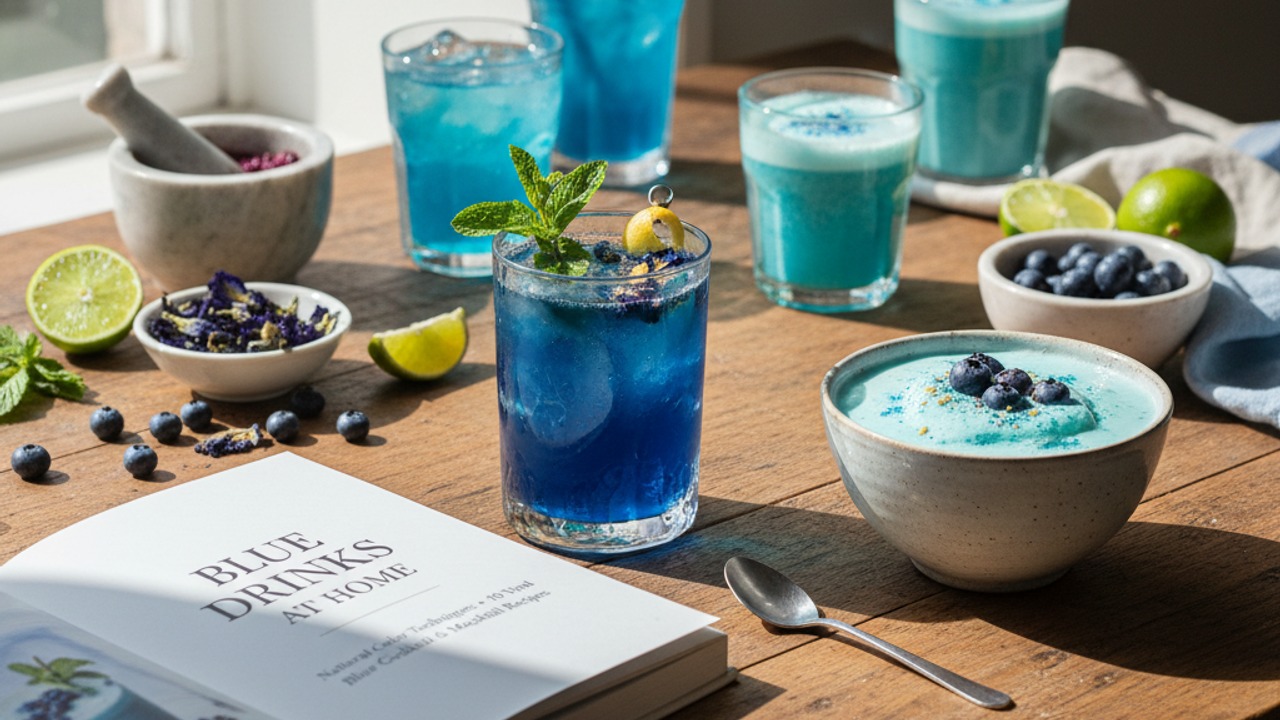
Blue Drinks at Home: Natural Color Techniques + 10 Viral Blue Cocktail & Mocktail Recipes
Discover how to make stunning blue drinks at home using natural ingredients like butterfly pea and blue spirulina. This guide includes practical techniques, storage tips, and 10 viral cocktail and mocktail recipes — many with grilled-garnish ideas for backyard entertaining.

Healthy Eating
Gluten-Free Weeknight Grilling Plan
A 7-day gluten-free weeknight grilling plan with quick, family-friendly recipes, prep-ahead timelines, and a printable shopping list that spotlights late-summer produce and pantry staples. Includes clear cross-contamination safety tips and simple swaps to keep dinners fast and crowd-pleasing.
More from Drinks
View all Drinks recipes →
Grilled Lime Margarita

Lillet Spritz

Watermelon Agua Fresca (Easy Blender Recipe)

Hemingway Daiquiri

Chartreuse Sour

Savory French Spritz

Brown Butter Dalgona

Mushroom Mocha Latte

Hibiscus Cold Brew Fizz
Ask me anything about this recipe — substitutions, scaling, techniques, timing.
Powered by AI · 6 questions per 5 minutes, 30 per day