Shrub Beet Negroni
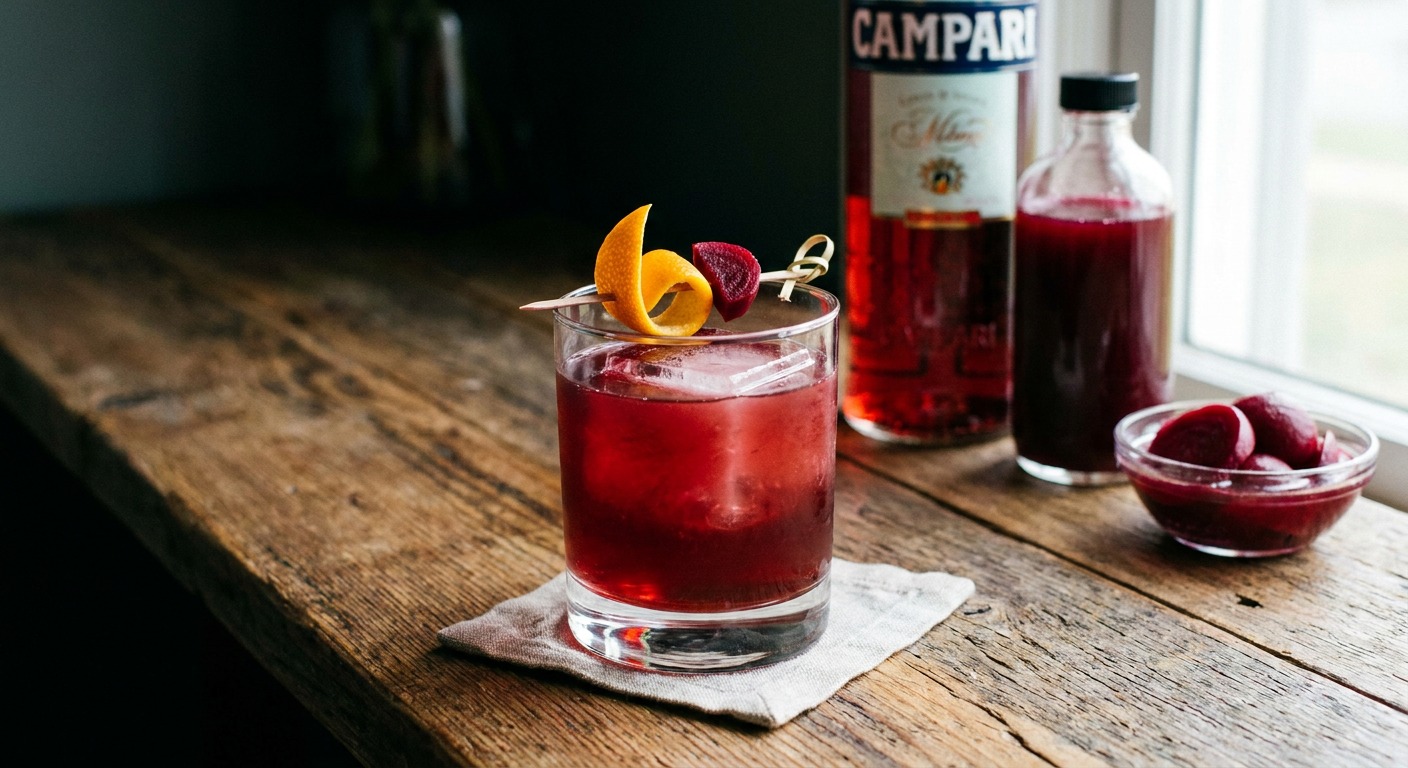
A modern, fermented twist on the classic Negroni that layers the bitter backbone of Campari with a bright, probiotic beet shrub for tangy depth and a silky finish. Sophisticated, slightly earthy, and effervescent-tasting, it’s perfect for cocktail hour or a dinner-party aperitivo.
Ingredient Spotlight
Probiotic beet shrub (store-bought or pre-made)
A shrub is a vinegar-based syrup used as a cocktail mixer or soft-drink concentrate; a probiotic beet shrub is typically made by fermenting beet juice with sugar and vinegar so it retains live cultures. Shrubs trace back to early preservation methods and colonial American drinking vinegars and offer a bright sweet-tart acidity with earthy, vegetal beet notes. Look for them at specialty food shops, farmers’ markets, or online artisan-producer stores, or make one at home by macerating beet with sugar and apple-cider or wine vinegar and fermenting briefly; a quick substitute is beet kvass or beet juice mixed with a splash of apple-cider vinegar and a little simple syrup.
Ingredient Spotlight
Campari
Campari is an Italian bitter (aperitivo) liqueur from Milan, flavored with a secret blend of herbs, citrus peels and botanicals and recognized by its bright red color. It smells of bitter orange and herbal botanicals and tastes intensely bitter with citrus and aromatic backbone, used in classics like the Negroni and Americano. You can find Campari at most liquor stores; if you need a substitute, use Aperol for a sweeter, less bitter profile or mix a bitter liqueur like Cynar with orange liqueur to more closely mimic Campari’s bitter-citrus character.
(paid link) — as an Amazon Associate we earn from qualifying purchases.
Jake Woods's note
"This riff keeps the familiar Negroni structure while the fermented beet shrub brings bright acidity, subtle funk, and probiotic interest. It shines at dinner parties or any time you want a conversation-starting aperitif."
About This Recipe
The Shrub Beet Negroni takes the classic equal-parts structure of gin, Campari and sweet vermouth and introduces a bright, fermented axis: a probiotic beet shrub. The beet brings an earthy sweetness and roasted note while the shrub’s vinegar bite sharpens the bitter-sweet interplay, creating a sip that feels almost effervescent and remarkably clean. Texture matters here — stirring to a silky, properly diluted finish and serving over a large ice cube preserves the cocktail’s satiny mouthfeel and keeps the beet tang from becoming cloying.
This version works because the shrub is a calibrator — small adjustments change the whole profile, moving the drink from classic Negroni toward something floral, savory or more acetic depending on your vermouth and gin. Roast a beet slice for garnish to echo the drink’s rooty backbone and always express fresh orange oil to cut through the Campari. Serve it as an aperitivo for a dinner that leans on roasted vegetables or cured meats, or present it as a conversation-starter at a small gathering when you want a familiar template with a cultured, fermented twist.
Ingredients for Shrub Beet Negroni
How to Make Shrub Beet Negroni
Step 1: Combine spirits and shrub
In a mixing glass, pour the gin, Campari, sweet vermouth and the probiotic beet shrub. The shrub adds bright acidity and a fermented note — using about 0.5 oz per drink keeps the classic Negroni balance while introducing that tangy complexity.For this step
- 2 1/2 ozLondon dry gin
- 2 1/2 ozCampari
- 2 1/2 ozSweet vermouth
- 1 ozProbiotic beet shrub (store-bought or pre-made)
Step 2: Add ice and stir
Fill the mixing glass with plenty of ice and stir gently for 20–30 seconds until the mixture is well chilled and slightly diluted. Proper stirring develops texture and mellows the bitter edges without overly diluting the drink.For this step
- 8 cubesIce cubes
Step 3: Prepare serving glass
Fill two rocks glasses each with a large fresh ice cube or a few fresh cubes. Chilling the glass and using fresh ice keeps the cocktail cold and prevents the stirred ice from making the final drink watery.Step 4: Strain and garnish
Strain the mixed cocktail evenly into the prepared glasses over the fresh ice. Express an orange peel over each drink to release the oils, rub the rim with the peel, drop it in, and add a roasted beet slice on the rim or floated on top if using.For this step
- 2 twistsOrange peel (for expressing and garnish)
- 2 slicesRoasted beet slice (optional garnish)
Step 5: Serve and enjoy
Serve immediately as an aperitif. Note the interplay of bitter, sweet, and tangy fermented notes — adjust the shrub by ±0.25 oz next time if you prefer a brighter or more classic profile.


- In a mixing glass, pour the gin, Campari, sweet vermouth and the probiotic beet shrub. The shrub adds bright acidity and a fermented note — using about 0.5 oz per drink keeps the classic Negroni balance while introducing that tangy complexity.
- Fill the mixing glass with plenty of ice and stir gently for 20–30 seconds until the mixture is well chilled and slightly diluted. Proper stirring develops texture and mellows the bitter edges without overly diluting the drink.
- Fill two rocks glasses each with a large fresh ice cube or a few fresh cubes. Chilling the glass and using fresh ice keeps the cocktail cold and prevents the stirred ice from making the final drink watery.
- Strain the mixed cocktail evenly into the prepared glasses over the fresh ice. Express an orange peel over each drink to release the oils, rub the rim with the peel, drop it in, and add a roasted beet slice on the rim or floated on top if using.
- Serve immediately as an aperitif. Note the interplay of bitter, sweet, and tangy fermented notes — adjust the shrub by ±0.25 oz next time if you prefer a brighter or more classic profile.
Shrub Beet Negroni Tips
Stir until satin-smooth
Stir 20–30 seconds with plenty of ice until the mix is chilled and slightly viscous; this controls dilution and gives the drink that silky texture a Negroni needs.
Use a large ice cube
A single large cube chills without over-diluting the cocktail, preserving the shrub’s bright acidity and the gin’s botanicals longer in the glass.
Adjust shrub cautiously
Start with the recipe amount and change in quarter-ounce increments—too much shrub will push the drink toward a vinegar cocktail rather than a balanced aperitif.
Express orange oils
Twist the orange peel over the surface to release volatile oils, then rub the rim; the citrus oil brightens and frames the beet’s earthiness.
Serve over fresh ice
Stir over one set of ice and strain into a glass with fresh ice to avoid watering down the final pour from the mixing ice.
Shrub Beet Negroni Variations and Substitutions
Smoky Mezcal Swap
Replace gin with mezcal for a smoky Beet Mezgroni; the shrub’s acidity offsets the smoke and adds compelling depth.
Boulevardier-style Substitute
Use rye whiskey in place of gin for a richer, spicier profile that pairs well with roasted beet notes and heavier vermouth.
Non-alcoholic Version
Use a quality non-alc bitter, non-alc botanical spirit, and the same beet shrub to keep the structure and tang while eliminating alcohol.
Quick pickled-brine shrub
If you don’t have a shrub, stir 2 parts roasted beet juice with 1 part apple-cider vinegar and a touch of sugar as a fast substitute, but keep the salt low to avoid overpowering the cocktail.
How to Store and Make Shrub Beet Negroni Ahead
If you pre-batch the cocktail, store it in a sealed bottle in the fridge and use within 24–48 hours; vermouth loses freshness quickly, so sooner is better. Keep any probiotic beet shrub refrigerated and consume according to the producer’s shelf-life—live shrubs can continue to develop flavor. Leftover individual drinks are best finished the same evening rather than saved for later.
What to Serve With Shrub Beet Negroni
Serve alongside salty, savory bites like Marcona almonds, thinly sliced aged cheeses (Parmigiano or Pecorino), or a small plate of charcuterie with pickled vegetables to echo the shrub’s acidity. Roasted root-vegetable crostini or smoked trout can stand up to the cocktail’s bitter and earthy notes without clashing.
Shrub Beet Negroni FAQs
Can I make the beet shrub at home, and how long does it take?
Yes—combine roasted beet juice (or chopped roasted beets), vinegar (apple cider or red wine), and sugar, let macerate and ferment lightly for 3–7 days depending on temperature, then strain and refrigerate.
Will a probiotic shrub make the cocktail fizzy?
Live shrubs can be slightly effervescent; if using an active, bottled shrub, chill and open it gently to avoid gushes, or let it rest open in the fridge until effervescence subsides.
Why do you stir instead of shake this Negroni variant?
Stirring chills and dilutes the drink while preserving clarity and silky mouthfeel—shaking introduces air and cloudiness, which masks the shrub’s subtle fermented aromatics.
Can I batch this recipe for a party?
Yes—combine ingredients in the same ratios, bottle and refrigerate, then pour over fresh ice when serving; keep batches chilled and consume within 24–48 hours to avoid vermouth degradation.
What if I don’t like roasted beet garnish or have none?
Skip it or swap for a thin orange wheel or a candied beet chip; the garnish is primarily aromatic and visual, not essential to the drink’s balance.
About the author
Jake WoodsHello, I'm Jake. I started this recipe site with the idea that I hated recipe websites that overwhelm you with long stories and ads just to see plain content that's not helpful. My goal is to provide you with quality recipes, simple ideas and a fun cooking experience. There's lots of fun things to cook, and I think as you browse the site you'll find that TopShelf.Recipes is the place for quality recipes on the web.
See all recipes by Jake Woods →Ratings & Reviews
Did you make this recipe?
Be the first to share your experience.
Nutrition Facts
Per serving: 1 serving
Nutrition values are estimated from USDA ingredient data and may vary based on preparation, brands, and portion sizes. Values are provided for informational purposes only.
Keep Reading
Guides & articles for this recipe
Guides
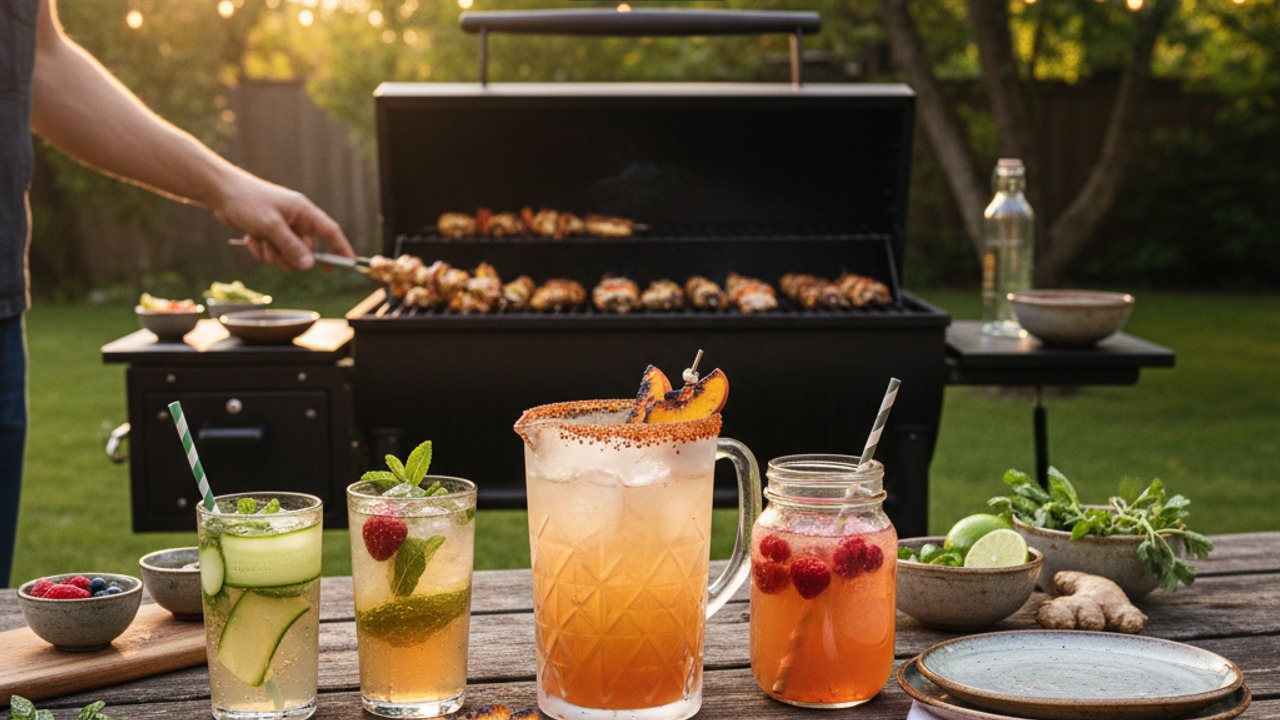
Trending Grillside Drinks for 2026: Cocktails, Low‑ABV Sippers, and Non‑Alcoholic Pairings to Elevate Backyard BBQ
Discover the hottest drinks to serve alongside summer grilling in 2026 — from smoked‑syrup cocktails and barrel‑aged RTDs to low‑ABV spritzes, shrubs, kombuchas, and tea blends. Includes batch-making tips, safety notes, and pairing suggestions for common grilled proteins and sides.
Recipes
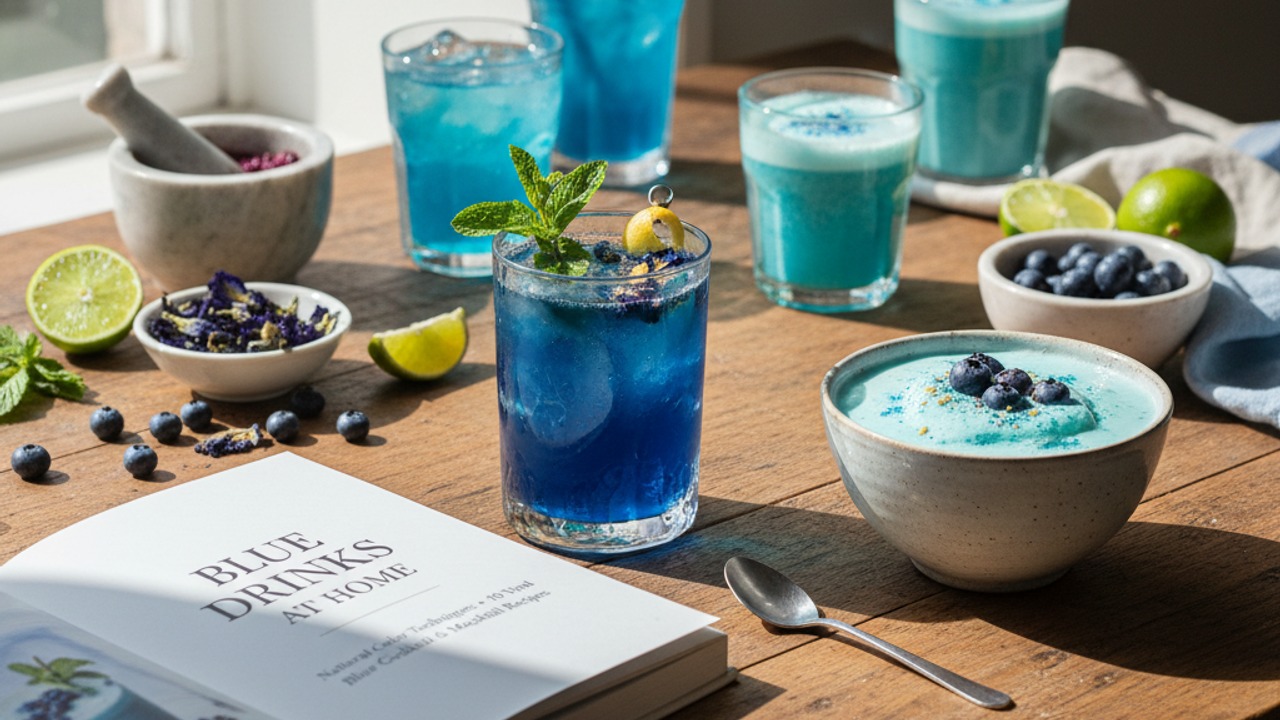
Blue Drinks at Home: Natural Color Techniques + 10 Viral Blue Cocktail & Mocktail Recipes
Discover how to make stunning blue drinks at home using natural ingredients like butterfly pea and blue spirulina. This guide includes practical techniques, storage tips, and 10 viral cocktail and mocktail recipes — many with grilled-garnish ideas for backyard entertaining.

Healthy Eating
Gluten-Free Weeknight Grilling Plan
A 7-day gluten-free weeknight grilling plan with quick, family-friendly recipes, prep-ahead timelines, and a printable shopping list that spotlights late-summer produce and pantry staples. Includes clear cross-contamination safety tips and simple swaps to keep dinners fast and crowd-pleasing.
More from Drinks
View all Drinks recipes →
Watermelon Agua Fresca (Easy Blender Recipe)

Brown Butter Dalgona

Mushroom Mocha Latte

Hibiscus Cold Brew Fizz

Boozy Red White Blue Popsicles (Vodka Ice Pops for Adults)

Hibiscus Simple Syrup

Affogato with Caramel

Bourbon Canned Peaches

Labor Day Grilled-Pineapple Rum Punch (Large-Batch, Grill-Ready)
Ask me anything about this recipe — substitutions, scaling, techniques, timing.
Powered by AI · 6 questions per 5 minutes, 30 per day