Spiceology SPG Reverse-Seared Ribeye
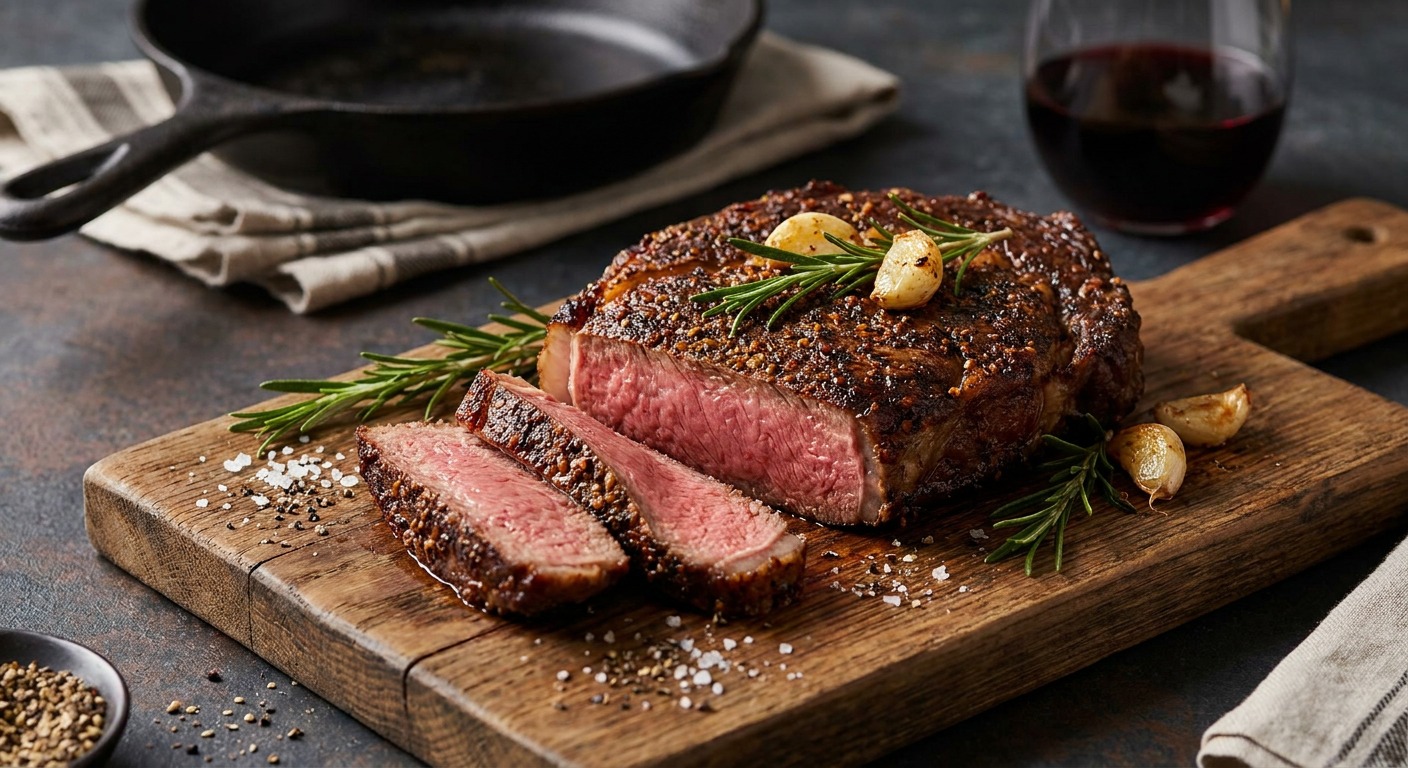
A focused reverse-sear ribeye showcasing Spiceology's RUB PRIME STEAK (SPG) for a classic salt-pepper-garlic finish. Slow-grill to temperature, then blast over high heat for a caramelized crust and juicy, evenly cooked interior.
Ingredient Spotlight
RUB PRIME STEAK
A branded/prepared steak rub or seasoning blend (often marketed to home cooks or butchers) rather than a single ingredient; it's essentially an American-style steakhouse seasoning. Expect a savory, salty, and often smoky/peppery aroma and flavor profile—common components include salt, cracked black pepper, garlic/onion powders, paprika, and sometimes sugar or chili. You can find it at grocery stores, specialty meat markets, or online; if you don’t have it, substitute with Montreal steak seasoning or make a quick mix of kosher salt, freshly ground black pepper, garlic powder, smoked paprika, onion powder, a pinch of brown sugar, and optional cayenne.
(paid link) — as an Amazon Associate we earn from qualifying purchases.
Ingredient Spotlight
flaky finishing salt (optional)
Large, flat crystalline salts used as a finishing touch (examples include Maldon sea salt or French fleur de sel) rather than a cooking salt. They have a clean, briny flavor and a delicate, crunchy texture that dissolves on the tongue and provides a burst of salinity and mouthfeel. Available at well-stocked supermarkets, gourmet shops, or online; if unavailable, use kosher or coarse sea salt sparingly at the end of cooking—note that texture and the quick melt will differ from a true flaky finishing salt.
Jake Woods's note
"This recipe zeroes in on the SPG-style Rub PRIME STEAK to give you a reliably delicious crust and straightforward technique. It shines for weekend dinners or any time you want restaurant-quality steak at home."
About This Recipe
This recipe is a lesson in contrast: slow, gentle heat to coax an even, rosy interior, followed by an impatient, searing blast that builds a deeply caramelized crust. Ribeye is the ideal canvas — generous marbling melts into the meat as it cooks low and slow, and Spiceology's RUB PRIME STEAK (SPG) sings on the surface with a straightforward trio of salt, pepper, and garlic that doesn't compete with the beef but amplifies it. The short butter, garlic, and thyme baste at the end layers classic steakhouse aromatics into the crust so every bite combines silky fat, savory seasoning, and that toothsome browned exterior.
This version is tuned for the home griller who wants reliable, repeatable results: use an indirect zone for temperature control, monitor with a probe, and finish hot for one-minute-per-side intensity. The technique keeps carryover predictable and resting essential; the result is steaks that slice with juicy, even doneness from edge to edge. Finish with a sprinkle of flaky salt if you like extra pop — it's optional, but on a well-rubbed ribeye it feels like the last brushstroke on a simple, very satisfying picture.
Ingredients for Spiceology SPG Reverse-Seared Ribeye
- 2 steaks ribeye steaks
- 2 tbsp RUB PRIME STEAK
- 1 tsp kosher salt
- 1/2 tsp freshly ground black pepper
- 1 tbsp neutral oil (canola or grapeseed)
- 2 tbsp unsalted butter
- 3 cloves garlic cloves
- 3 sprigs fresh thyme sprigs
- 1/2 tsp flaky finishing salt (optional)
🛒 = paid link — as an Amazon Associate we earn from qualifying purchases.
How to Make Spiceology SPG Reverse-Seared Ribeye
Step 1: Bring to temperature and season
Take steaks from the fridge 30–60 minutes before cooking to approach room temperature. Pat dry with paper towels, then evenly coat both sides with RUB PRIME STEAK and sprinkle the kosher salt and black pepper; press the rub gently into the meat so it adheres.For this step
- 2 steaksribeye steaks
- 2 tbspRUB PRIME STEAK
- 1 tspkosher salt
- 1/2 tspfreshly ground black pepper
Step 2: Set up grill for indirect heat
Prepare your grill for indirect cooking: one zone at low heat (225–275°F / 110–135°C) and one zone for high direct heat. If using charcoal, bank coals to one side; if gas, light half the burners. Place a probe or instant-read thermometer on hand.Step 3: Reverse-cook over indirect heat
Place steaks on the cool side of the grill and close the lid. Cook slowly until the internal temperature reaches about 110–115°F (43–46°C) for a final medium-rare of ~125°F. Expect 20–40 minutes depending on thickness — monitor with a probe thermometer for best results.Step 4: Sear over high direct heat
Move steaks to the hot zone (or place a preheated cast-iron pan on the grill). Brush both sides lightly with neutral oil and sear 45–90 seconds per side until a deep brown crust forms. In the last 30 seconds, add butter, crushed garlic, and thyme to the pan or to a heatproof spoon and baste the steaks to build flavor.For this step
- 1 tbspneutral oil (canola or grapeseed)
- 2 tbspunsalted butter
- 3 clovesgarlic cloves
- 3 sprigsfresh thyme sprigs
Step 5: Check doneness and remove
After searing, check the internal temperature: 125–130°F for medium-rare, 135°F for medium. Remove steaks when they reach target and transfer to a cutting board.Step 6: Rest, finish, and serve
Tent steaks loosely with foil and rest 8–10 minutes to let juices redistribute. Slice against the grain, season lightly with flaky finishing salt if desired, and serve immediately.For this step
- 1/2 tspflaky finishing salt (optional)


- Take steaks from the fridge 30–60 minutes before cooking to approach room temperature. Pat dry with paper towels, then evenly coat both sides with RUB PRIME STEAK and sprinkle the kosher salt and black pepper; press the rub gently into the meat so it adheres.
- Prepare your grill for indirect cooking: one zone at low heat (225–275°F / 110–135°C) and one zone for high direct heat. If using charcoal, bank coals to one side; if gas, light half the burners. Place a probe or instant-read thermometer on hand.
- Place steaks on the cool side of the grill and close the lid. Cook slowly until the internal temperature reaches about 110–115°F (43–46°C) for a final medium-rare of ~125°F. Expect 20–40 minutes depending on thickness — monitor with a probe thermometer for best results.
- Move steaks to the hot zone (or place a preheated cast-iron pan on the grill). Brush both sides lightly with neutral oil and sear 45–90 seconds per side until a deep brown crust forms. In the last 30 seconds, add butter, crushed garlic, and thyme to the pan or to a heatproof spoon and baste the steaks to build flavor.
- After searing, check the internal temperature: 125–130°F for medium-rare, 135°F for medium. Remove steaks when they reach target and transfer to a cutting board.
- Tent steaks loosely with foil and rest 8–10 minutes to let juices redistribute. Slice against the grain, season lightly with flaky finishing salt if desired, and serve immediately.
Spiceology SPG Reverse-Seared Ribeye Tips
Use a probe thermometer
Insert a probe before the reverse cook and monitor the steak through the slow phase so you can pull at 110–115°F for a precise medium-rare after searing.
Pat steaks bone-dry
Dry meat browns better; pat with paper towels and let the rub stick so the sear forms a deep, even crust instead of steaming.
Oil before searing
Brush a thin layer of neutral oil right before the high-heat sear to promote Maillard reaction and protect the rub from burning.
Short, aggressive sear
Sear 45–90 seconds per side over very high heat and resist flipping repeatedly; one strong contact per side forms the best crust.
Rest under tent
Rest steaks loosely tented 8–10 minutes to let juices redistribute and to allow carryover temperature to reach your target doneness.
Spiceology SPG Reverse-Seared Ribeye Variations and Substitutions
Herb-Butter Finish
Swap plain butter for a compound butter blended with parsley and lemon zest, and baste in the last 30 seconds to add fresh brightness to the rich ribeye.
Smoky Chili Twist
Mix a 1/2 teaspoon of smoked paprika or a pinch of chipotle powder into the SPG rub for an earthy, smoky kick that pairs well with the grilled crust.
Cast-Iron Indoors
If you lack a two-zone grill, reverse-cook in a low oven at 250°F to 110–115°F then transfer to a screaming-hot cast-iron skillet on the stovetop for the same sear and baste technique.
Lower-Sodium Option
Reduce the additional kosher salt to 1/2 teaspoon or omit it entirely and rely on the SPG rub to control seasoning, especially for fattier ribeyes that need less salt.
How to Store and Make Spiceology SPG Reverse-Seared Ribeye Ahead
Cool sliced steak to room temperature, then refrigerate in an airtight container for up to 3 days. For best texture, reheat gently: warm in a 250°F oven until just warmed through (about 10–15 minutes) and then quickly sear in a hot pan or under a broiler for 30–60 seconds per side to revive the crust. Avoid microwaving if you want to preserve texture and flavor.
What to Serve With Spiceology SPG Reverse-Seared Ribeye
Serve with a simple blistered-shallot butter, roasted fingerling potatoes, and a peppery watercress or arugula salad to cut the richness. For drinks, a full-bodied red like Malbec or a bold Cabernet Sauvignon complements the beefy flavors, while a hopped-up amber ale provides a satisfying, less tannic match.
Spiceology SPG Reverse-Seared Ribeye FAQs
How thick should the ribeyes be for this method?
Aim for steaks between 1 to 1.5 inches thick; thicker cuts (1.5–2 inches) work even better because they tolerate the low-and-slow phase and develop a greater contrast between edge and center.
What if my grill can't reach a super-high sear temperature?
Preheat a heavy cast-iron skillet until smoking and sear the steaks there after the reverse cook; the pan holds heat better than many grills and produces an excellent crust.
Can I skip the butter, garlic, and thyme?
Yes — the SPG rub carries the primary flavor, but the butter-thyme-garlic baste adds aromatic fat and glossy sheen that deepen the crust and mouthfeel, so it's highly recommended if you want a steakhouse finish.
Why add extra kosher salt before cooking if the rub already has salt?
The additional kosher salt gives you a bit more control over overall seasoning and helps extract surface moisture for a better sear; reduce or omit it if your rub is already heavily salted or you prefer a milder finish.
How do I adjust for medium or well-done?
Pull the steaks from the reverse cook a few degrees higher (about 120–125°F for medium) knowing they will rise another 5–10°F during searing and resting; for well-done this method is less ideal because the long cook dries leaner cuts.
About the author
Jake WoodsHello, I'm Jake. I started this recipe site with the idea that I hated recipe websites that overwhelm you with long stories and ads just to see plain content that's not helpful. My goal is to provide you with quality recipes, simple ideas and a fun cooking experience. There's lots of fun things to cook, and I think as you browse the site you'll find that TopShelf.Recipes is the place for quality recipes on the web.
See all recipes by Jake Woods →Ratings & Reviews
Did you make this recipe?
Be the first to share your experience.
Nutrition Facts
Per serving: 1 serving
Nutrition values are estimated from USDA ingredient data and may vary based on preparation, brands, and portion sizes. Values are provided for informational purposes only.
Keep Reading
Guides & articles for this recipe

Healthy Eating
Gluten-Free Weeknight Grilling Plan
A 7-day gluten-free weeknight grilling plan with quick, family-friendly recipes, prep-ahead timelines, and a printable shopping list that spotlights late-summer produce and pantry staples. Includes clear cross-contamination safety tips and simple swaps to keep dinners fast and crowd-pleasing.

Cocktails & Drinks
Shakerless Cocktails for Backyard Grilling
Easy, tool-free cocktail recipes designed for backyard grilling and outdoor hangs. Find single-serve and batch formulas, quick portable infusions, improvised gear hacks, and simple cocktail pairings for grilled meats and vegetables.

Healthy Eating
Lean Labor Day Grilling Menu
A Labor Day grilling guide that swaps heavy BBQ classics for lighter, flavorful options—think lean proteins, charred vegetables, and low‑sugar sauces. Includes make-ahead meal prep, portioning tips, and a short shopping checklist for healthy, crowd-pleasing cookouts.
More from Grilling
View all Grilling recipes →
Tandoori Yogurt Marinated Grilled Chicken (Tandoori Style on the Grill)

Labor Day Grilled Lobster Rolls with Charred Scallion Brown Butter & Lemon‑Herb Aioli

Bulgogi Smash Burger

Campfire‑Smoked Potato Salad with Mustard‑Bacon Vinaigrette — A Labor Day Grilling Side for Steak

Hanger Steak with Shallot Sauce
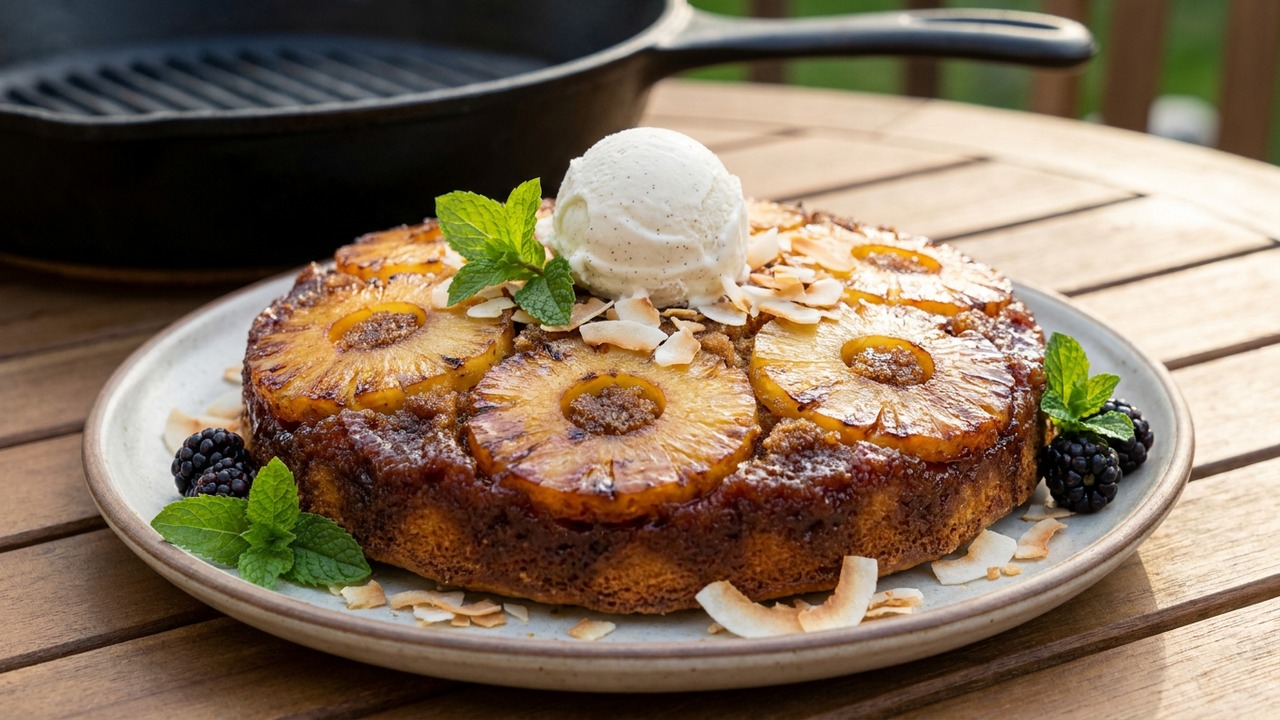
Grilled Pineapple Upside-Down Cake

Spicy Grilled Shrimp Skewers with Garlic Lime Marinade

Honey Garlic Grilled Thin-Sliced Chicken Breasts

Coffee and Porcini Dry-Rub Steaks with RUB PRIME STEAK Finish
Ask me anything about this recipe — substitutions, scaling, techniques, timing.
Powered by AI · 6 questions per 5 minutes, 30 per day