Vermouth Elderflower Spritz Low-ABV Cocktail
A light, vermouth-forward spritz brightened with floral elderflower and fresh lemon — an easy low-ABV aperitif that still feels celebratory. Ready in minutes and perfect for daytime gatherings or an evening pre-dinner sip.
Ingredient Spotlight
Blanc or dry vermouth
An aromatized, fortified wine flavored with botanicals; dry vermouth (French/Italian tradition) is crisp and herbal while blanc (also called bianco) is sweeter and floral. It’s a classic cocktail ingredient used to add complexity and a botanical, slightly bitter edge. Find it at most liquor stores or well-stocked grocery wine aisles; good nonalcoholic substitutes are limited, but you can mimic it with dry white wine or sherry plus a tiny bit of simple syrup and a dash of aromatic bitters, or use Lillet Blanc as a similar aromatized wine alternative.
Ingredient Spotlight
Elderflower cordial (non-alcoholic)
A sweet, floral syrup made from elderflower blossoms, common in UK and Northern European cooking and drinks; it smells perfumed and tastes delicately floral with light citrus and honey undertones. It’s used to sweeten and perfume cocktails, sodas, and desserts. You can buy it at specialty grocery stores or online, or substitute with a small amount of orange-blossom water or a homemade simple syrup infused with lemon zest and a few drops of floral extract (or dilute St‑Germain if alcohol is acceptable).
Ingredient Spotlight
Fresh mint sprigs or edible flowers (for garnish)
Fresh mint is common, but the phrase includes edible flowers—pansies, violas, nasturtiums, borage, rose petals, etc.—which are used as decorative, edible garnishes in many European and Asian cuisines. Edible flowers vary in flavor from peppery to sweet and add visual flair; be sure they’re sold as edible and pesticide‑free. You can find them at farmers’ markets, specialty grocers, or grow them yourself; if unavailable, substitute with fresh herbs (mint, basil) or microgreens for color and aroma.
Jake Woods's note
"This spritz leans on aromatic vermouth and non-alcoholic elderflower cordial for floral brightness without a heavy alcohol punch. It’s ideal for brunch, warm afternoons, or any time you want a light, elegant cocktail."
About This Recipe
This vermouth elderflower spritz is built like a proper aperitif that keeps the alcohol low but the flavor serious. Blanc or dry vermouth supplies a soft botanical backbone — think dried citrus peel, fennel, and herbaceous savory notes — while elderflower cordial gives bright, honeyed florals that bloom on the palate. Fresh lemon acts as the pivot, cutting the sweetness and accentuating the vermouth’s bitter‑sweet edges, while chilled sparkling water adds a lively, fine‑bubbled texture so each sip feels celebratory without being heavy.
What makes this particular version work is the ratio: it is vermouth‑forward enough to taste like an adult cocktail, but diluted and balanced so the elderflower reads as aroma rather than cloying sweetness. Using cordial instead of a sugary liqueur keeps the flavors transparent and easy to tweak, and the garnish — lemon wheel and mint or an edible flower — adds immediate perfume. It’s ideal for daytime gatherings, light brunches, or hosts seeking a convivial, low‑ABV option that scales effortlessly into a pitcher and comes together in minutes.
Ingredients for Vermouth Elderflower Spritz Low-ABV Cocktail
- 5 oz Blanc or dry vermouth
- 2 oz Elderflower cordial (non-alcoholic)
- 1 oz Fresh lemon juice
- 12 oz Chilled sparkling water or club soda
- 8 cubes Ice cubes
- 4 wheels Lemon wheels (for garnish)
- 4 sprigs Fresh mint sprigs or edible flowers (for garnish)
How to Make Vermouth Elderflower Spritz Low-ABV Cocktail
Step 1: Mix the vermouth base
In a pitcher or large measuring glass, combine the blanc (or dry) vermouth, elderflower cordial, and fresh lemon juice. Stir gently for 10–15 seconds to marry the flavors and slightly chill the mixture.For this step
- 5 ozBlanc or dry vermouth
- 2 ozElderflower cordial (non-alcoholic)
- 1 ozFresh lemon juice
Step 2: Prepare glasses and top with sparkle
Fill four wine glasses or tall rocks glasses with ice (about 2 cubes per glass or as preferred). Divide the vermouth mixture evenly among the glasses, then top each with 3 oz (≈90 ml) chilled sparkling water; stir once gently to combine.For this step
- 12 ozChilled sparkling water or club soda
- 8 cubesIce cubes
Step 3: Garnish and finish
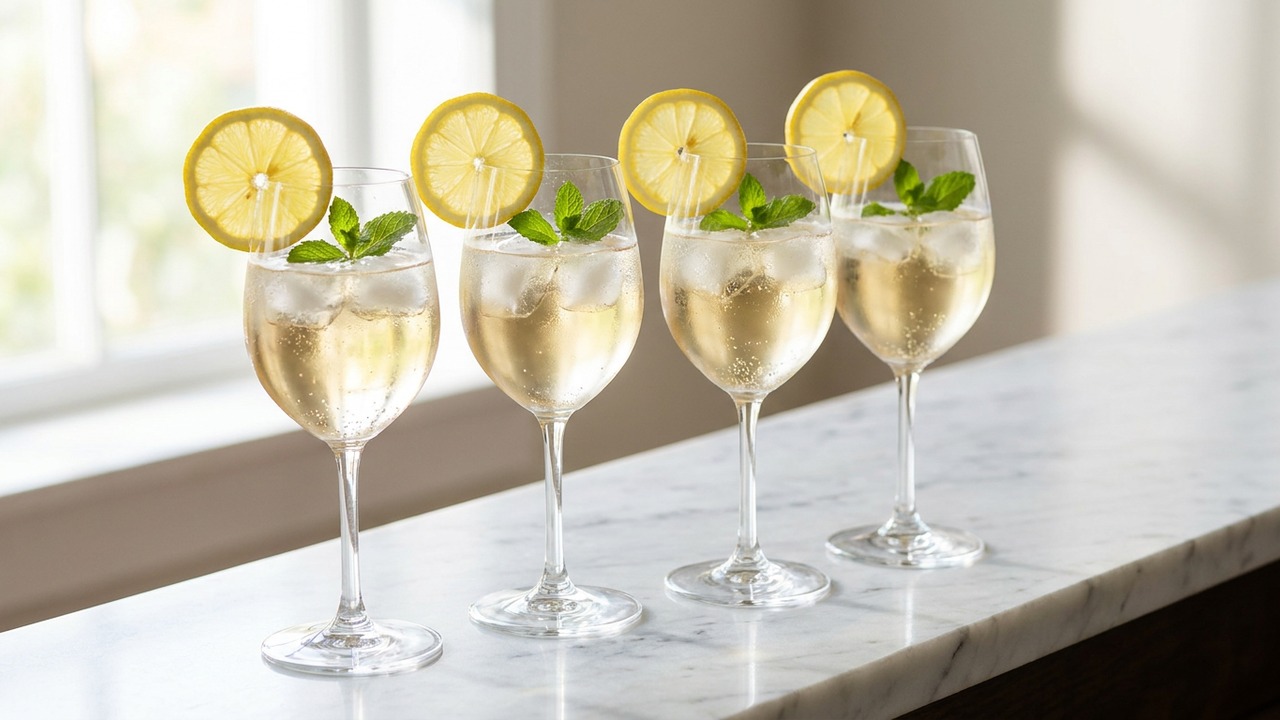
Place a lemon wheel on the rim of each glass and tuck a fresh mint sprig or an edible flower into the ice. If you like extra citrus aroma, express a thin lemon peel over each glass before dropping it in.For this step
- 4 wheelsLemon wheels (for garnish)
- 4 sprigsFresh mint sprigs or edible flowers (for garnish)
Step 4: Serve and enjoy
Serve immediately while cold and effervescent. For variations: swap half the sparkling water for a light tonic for mild bitterness, or stir in 1/2 oz per glass of sparkling wine if you want a slightly higher ABV celebratory version.


- In a pitcher or large measuring glass, combine the blanc (or dry) vermouth, elderflower cordial, and fresh lemon juice. Stir gently for 10–15 seconds to marry the flavors and slightly chill the mixture.
- Fill four wine glasses or tall rocks glasses with ice (about 2 cubes per glass or as preferred). Divide the vermouth mixture evenly among the glasses, then top each with 3 oz (≈90 ml) chilled sparkling water; stir once gently to combine.
- Place a lemon wheel on the rim of each glass and tuck a fresh mint sprig or an edible flower into the ice. If you like extra citrus aroma, express a thin lemon peel over each glass before dropping it in.
- Serve immediately while cold and effervescent. For variations: swap half the sparkling water for a light tonic for mild bitterness, or stir in 1/2 oz per glass of sparkling wine if you want a slightly higher ABV celebratory version.
Vermouth Elderflower Spritz Low-ABV Cocktail Tips
Choose the right vermouth
Blanc vermouth is rounder and slightly sweeter; use dry vermouth if you want a more austere, herbaceous character. Taste the vermouth first and adjust elderflower and lemon so the aromatics don’t get buried.
Chill all ingredients first
Cold vermouth, cordial, and sparkling water reduce dilution and keep the drink crisp; chilling the pitcher and glasses means you need less ice to maintain temperature.
Measure elderflower carefully
Elderflower cordial can vary widely in sweetness and intensity, so start with the recipe amount and add up to 1/4 ounce more per serving if you prefer a pronounced floral note.
Top with bubbles last
Add the sparkling water at the end and stir gently once to preserve carbonation and prevent the drink from going flat too quickly.
Express lemon peel oils
Before dropping a peel in, give it a quick twist over the glass to release essential oils — this brightens the aroma without adding extra acidity.
Vermouth Elderflower Spritz Low-ABV Cocktail Variations and Substitutions
Sparkling Wine Upgrade
Replace up to half the sparkling water with chilled sparkling wine (Prosecco or Cava) for a moderately higher ABV and richer mouthfeel; reduce elderflower slightly so it doesn’t compete.
Herbal Thyme Twist
Swap mint for a sprig of fresh thyme tucked into ice and gently slapped to release scent; thyme complements vermouth’s savory botanicals for a more savory aperitivo.
Cucumber Elderflower Cooler
Muddle three thin cucumber slices in the base before adding vermouth for a cooling, vegetal lift that pairs well with summer menus.
Zero‑Alcohol Version
Use a commercial nonalcoholic vermouth alternative or a cold, concentrated white tea with a dash of nonalcoholic bitters in place of vermouth; keep the same cordial and lemon ratios.
How to Store and Make Vermouth Elderflower Spritz Low-ABV Cocktail Ahead
You can make the vermouth, elderflower cordial, and lemon juice base up to 24 hours ahead and keep it chilled in a sealed container; add sparkling water just before serving. Once mixed with sparkling water the spritz will lose effervescence, so assembled drinks are best consumed within a few hours and will be noticeably flatter after overnight refrigeration.
What to Serve With Vermouth Elderflower Spritz Low-ABV Cocktail
Serve in white wine glasses or tall rocks glasses over plenty of ice to keep the drink cold without over‑diluting; the lemon wheel and mint signal refreshment and invite guests in. Pair with light bites such as marinated olives, chèvre crostini, smoked trout on rye, or a bright green salad; this spritz also sits comfortably alongside soft cheeses and shellfish.
Vermouth Elderflower Spritz Low-ABV Cocktail FAQs
Can I use sweet vermouth instead?
Yes — sweet (rosso) vermouth will make the drink richer and sweeter; cut the elderflower cordial by about a third and add a touch more lemon to balance.
Can I substitute St‑Germain or elderflower liqueur?
You can, but St‑Germain is alcoholic and sweeter, so reduce the amount to about 1/2 ounce per serving and consider reducing vermouth slightly to keep the drink balanced.
How far ahead can I assemble the cocktail?
Mix the vermouth, cordial, and lemon up to 24 hours in advance and refrigerate, but add sparkling water and ice only at serving time to preserve fizz and freshness.
Is bottled lemon juice acceptable?
Fresh lemon juice is strongly recommended because its bright acidity and volatile aromatics are integral to balancing the elderflower; bottled juice tends to be flat and can make the drink taste dull.
How do I scale this for a crowd?
Multiply the base (vermouth, cordial, lemon) and keep it chilled in a pitcher; when guests arrive, portion into glasses over ice and top each with sparkling water to preserve carbonation and presentation.
About the author
Jake WoodsHello, I'm Jake. I started this recipe site with the idea that I hated recipe websites that overwhelm you with long stories and ads just to see plain content that's not helpful. My goal is to provide you with quality recipes, simple ideas and a fun cooking experience. There's lots of fun things to cook, and I think as you browse the site you'll find that TopShelf.Recipes is the place for quality recipes on the web.
See all recipes by Jake Woods →Ratings & Reviews
Did you make this recipe?
Be the first to share your experience.
Nutrition Facts
Per serving: 1 cocktail (about 8 fl oz / 240 ml)
Nutrition values are estimated from USDA ingredient data and may vary based on preparation, brands, and portion sizes. Values are provided for informational purposes only.
Keep Reading
Guides & articles for this recipe
Guides
Trending Grillside Drinks for 2026: Cocktails, Low‑ABV Sippers, and Non‑Alcoholic Pairings to Elevate Backyard BBQ
Discover the hottest drinks to serve alongside summer grilling in 2026 — from smoked‑syrup cocktails and barrel‑aged RTDs to low‑ABV spritzes, shrubs, kombuchas, and tea blends. Includes batch-making tips, safety notes, and pairing suggestions for common grilled proteins and sides.
Guides
Labor Day Cocktail Pairing Playbook
A practical Labor Day guide matching six seasonal cocktails to common grill menus — burgers, ribs, seafood, steaks, veg grills and large-batch punch — with low-ABV and alcohol-free swaps. Includes batching tips, pitcher and cooler service ideas, garnish suggestions, and timing advice so your drinks flow as smoothly as the grill.
Guides
Labour Day Cocktail Countdown
A timed, host-friendly drink plan that takes guests from icy afternoon spritzes to smoky, spiced nightcaps. Ten tested cocktails with batch strategies, mocktail swaps, and grill-friendly garnish and pairing tips to match your Labour Day BBQ menu.
More from Drinks
View all Drinks recipes →
Saint-Germain Spritz

Pear Cinnamon Tequila

Creamsicle Frosé with Orange Vodka and Cream

Passionfruit Paloma with Fresh Grapefruit Soda

Blood Orange Vodka Collins

Southside Gimlet with Fresh Mint and Lime

Cucumber Basil Margarita

High-Protein Smoothie Packs

Frozen Watermelon Margarita with Tajin Rim
Ask me anything about this recipe — substitutions, scaling, techniques, timing.
Powered by AI · 6 questions per 5 minutes, 30 per day