Lavender Simple Syrup
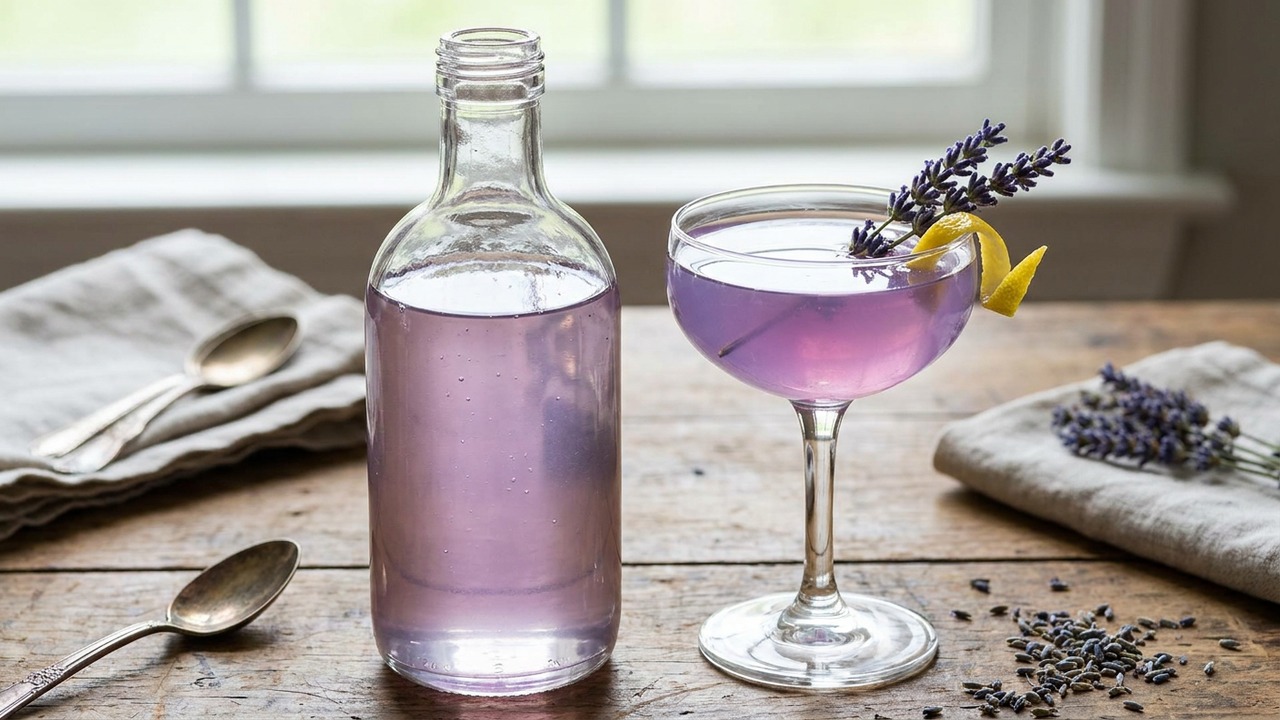
A fragrant, versatile lavender simple syrup that adds a floral lift to cocktails, lemonades, iced tea and mocktails. Made with culinary lavender and a touch of lemon for brightness, it’s easy to make and stores well for weeks in the fridge.
Ingredient Spotlight
Dried culinary lavender buds
Dried culinary lavender buds are the flower buds of Lavandula (typically Lavandula angustifolia) specifically sold and processed for cooking rather than perfume use; they are associated with Provençal/European cookery and blends like Herbes de Provence. They have a floral, sweet, slightly herbaceous and mildly camphorous aroma that can become soapy if overused. You can find them at specialty grocery stores, well-stocked spice shops, or online; if you can’t source them, omit them or approximate the floral-herbal note with about 1/2 teaspoon dried rosemary (lightly crushed) plus extra lemon zest, or use a very small pinch of dried lemon verbena/lemongrass if available.
Ingredient Spotlight
Vanilla bean (optional, split)
A vanilla bean is the seed-filled pod of the vanilla orchid (commonly from Madagascar, Mexico, or Tahiti) used for its intense, complex sweet, floral, and creamy aroma and flavor; cooks split the pod and scrape out the tiny seeds. It’s more aromatic and nuanced than extract and is sold at specialty markets, baking shops, and online. Substitute with good-quality vanilla extract at roughly 1 to 1.5 teaspoons of extract per one vanilla bean, or use vanilla paste if you want visible specks and a stronger flavor.
Jake Woods's note
"This syrup brings floral elegance to both adult and family-friendly drinks — bright, not soapy, when you use culinary-grade lavender. It’s perfect to make ahead for parties or to keep on hand for everyday beverages."
About This Recipe
Lavender simple syrup is one of those small, almost theatrical pantry staples that instantly lifts ordinary drinks and desserts. This version keeps the flavor bright and clean by starting with a classic 1:1 sugar-to-water base, then softening the floral edge with a touch of lemon and an optional scrape of vanilla. Using dried culinary lavender buds provides a focused, easily controlled perfume; we steep off the heat for 15 minutes to coax aromatic oils without extracting the tannic bitterness that can make lavender taste soapier than floral.
It’s a versatile bottling for home bartenders and bakers alike: stir a tablespoon into iced tea or sparkling water, swap it for plain syrup in lemonade, or brush it over warm shortcakes and fruit. Because the recipe is straightforward and scales linearly, you can make a few jars for a weekend brunch or a weeknight cocktail hour. The finishing pinch of salt and lemon juice is the clever detail here—tiny adjustments that keep the syrup from feeling cloying and let the floral notes sing against bright acidity.
Ingredients for Lavender Simple Syrup
- 1 cup Granulated sugar
- 1 cup Water
- 2 tbsp Dried culinary lavender buds
- 1 strip Lemon peel (large strip, avoid white pith)
- 1/2 bean Vanilla bean (optional, split)
- 2 tbsp Fresh lemon juice
- Fine sea salt
- 4 sprigs Fresh lavender sprigs (garnish, optional)
How to Make Lavender Simple Syrup
Step 1: Combine and heat sugar and water
Place the granulated sugar and water in a small saucepan and set over medium heat. Stir frequently until the sugar has completely dissolved and the mixture is just below a simmer — do not boil vigorously. Remove from heat once dissolved.For this step
- 1 cupGranulated sugar
- 1 cupWater
Step 2: Infuse with lavender and aromatics
Add the dried culinary lavender, lemon peel, and the split vanilla bean (if using) to the hot syrup. Cover the pan and let the mixture steep off the heat for 15 minutes to develop a gentle floral flavor without becoming bitter.For this step
- 2 tbspDried culinary lavender buds
- 1 stripLemon peel (large strip, avoid white pith)
- 1/2 beanVanilla bean (optional, split)
Step 3: Strain and brighten
Strain the syrup through a fine-mesh sieve or cheesecloth into a heatproof container, pressing gently on solids to extract flavor. Stir in the fresh lemon juice and a pinch of fine sea salt to lift and balance the sweetness, then allow to cool to room temperature.For this step
- 2 tbspFresh lemon juice
- Fine sea salt
Step 4: Bottle and chill
Transfer the cooled syrup to a clean jar or bottle, seal, and refrigerate. The syrup will keep for up to 2–3 weeks in the refrigerator; for longer storage, freeze in small portions.Step 5: Use and serve
Use about 1–2 tablespoons of lavender simple syrup per drink, adjusting to taste; it’s wonderful in cocktails, lemonades, iced tea, and sparkling water. Garnish with a fresh lavender sprig if desired for a pretty, aromatic finish.For this step
- 4 sprigsFresh lavender sprigs (garnish, optional)


- Place the granulated sugar and water in a small saucepan and set over medium heat. Stir frequently until the sugar has completely dissolved and the mixture is just below a simmer — do not boil vigorously. Remove from heat once dissolved.
- Add the dried culinary lavender, lemon peel, and the split vanilla bean (if using) to the hot syrup. Cover the pan and let the mixture steep off the heat for 15 minutes to develop a gentle floral flavor without becoming bitter.
- Strain the syrup through a fine-mesh sieve or cheesecloth into a heatproof container, pressing gently on solids to extract flavor. Stir in the fresh lemon juice and a pinch of fine sea salt to lift and balance the sweetness, then allow to cool to room temperature.
- Transfer the cooled syrup to a clean jar or bottle, seal, and refrigerate. The syrup will keep for up to 2–3 weeks in the refrigerator; for longer storage, freeze in small portions.
- Use about 1–2 tablespoons of lavender simple syrup per drink, adjusting to taste; it’s wonderful in cocktails, lemonades, iced tea, and sparkling water. Garnish with a fresh lavender sprig if desired for a pretty, aromatic finish.
Lavender Simple Syrup Tips
Choose culinary lavender
Buy labeled culinary or English lavender (Lavandula angustifolia) to avoid bitter varieties; avoid ornamental garden lavender that may be treated with pesticides.
Don’t boil the syrup
Heat only until the sugar dissolves and remove from heat before adding lavender; boiling can drive off delicate aromatics and increase bitter compounds.
Steep off heat
Cover and steep for 10–20 minutes off the heat to extract fragrant oils gently—taste at 10 minutes and stop if the floral note grows too strong.
Use a fine strain
Strain through a fine-mesh sieve or cheesecloth and press gently on the solids to avoid gritty bits and overly herbal bitterness in the finished syrup.
Brighten and balance
Stir in fresh lemon juice and a pinch of sea salt after straining to lift the aromatics and prevent the syrup from tasting flat or cloying.
Lavender Simple Syrup Variations and Substitutions
Honey-lavender syrup
Replace half the granulated sugar with mild honey while keeping the water the same for a rounder, more floral sweetness—warm gently to dissolve the honey.
Lavender-lemon concentrate
Increase the lemon juice to 1/4 cup and reduce water by 2 tablespoons to make a brighter, more tart syrup excellent for lemonades and tart cocktails.
Lavender-ginger twist
Add a 1-inch slice of fresh ginger to the infusion step for a warm, spicy counterpoint to the floral notes—strain out with the lavender.
Boozy lavender syrup
Stir 1/4–1/2 cup of vodka or gin into cooled syrup for a boozy mixer that keeps in the fridge for weeks and makes barrel-proof cocktails simpler.
How to Store and Make Lavender Simple Syrup Ahead
Store syrup in a clean, airtight jar in the refrigerator for 2–3 weeks; always use a clean spoon to avoid contamination. For longer keeping, freeze in ice cube trays or small freezer-safe bottles and thaw in the refrigerator overnight before using. If the syrup develops cloudiness, off-odors, or mold it should be discarded.
What to Serve With Lavender Simple Syrup
Use 1–2 tablespoons per 8-ounce drink as a starting point—try it in a lavender Collins (gin, lemon, soda) or stirred into Earl Grey iced tea for an elegant twist. Beyond beverages, brush lightly over fruit tarts, pound cake, or ricotta toast to echo the floral notes, and garnish with a fresh lavender sprig for aroma and presentation.
Lavender Simple Syrup FAQs
Can I use fresh lavender instead of dried?
Yes—use about 3 tablespoons of chopped fresh lavender flowers for this recipe since fresh herbs are less concentrated; reduce steep time slightly and taste often to avoid vegetal notes.
Why did my syrup taste bitter or soapy?
Over-steeping or using lavender varieties with high camphor content (like some lavandins) can produce bitter or soapy flavors; avoid boiling the syrup and choose culinary lavender to prevent this.
How much syrup should I add to a cocktail?
Start with 1 tablespoon for a drink with moderate sweetness and increase to 2 tablespoons for a sweeter or more floral profile; adjust to taste depending on the acidity and spirit strength.
Can I use lavender essential oil instead of buds?
No—essential oils are highly concentrated and not formulated for direct food use; they can overpower and be unsafe in large amounts. Use culinary lavender buds for safe, controlled flavor.
Can I make a larger batch and scale this recipe?
Yes—this syrup scales linearly, so double or triple the ingredients and steep times remain the same, but always taste as you go since larger volumes can extract flavors more readily.
About the author
Jake WoodsHello, I'm Jake. I started this recipe site with the idea that I hated recipe websites that overwhelm you with long stories and ads just to see plain content that's not helpful. My goal is to provide you with quality recipes, simple ideas and a fun cooking experience. There's lots of fun things to cook, and I think as you browse the site you'll find that TopShelf.Recipes is the place for quality recipes on the web.
See all recipes by Jake Woods →Ratings & Reviews
Did you make this recipe?
Be the first to share your experience.
Nutrition Facts
Per serving: about 8 fl oz
Nutrition values are estimated from USDA ingredient data and may vary based on preparation, brands, and portion sizes. Values are provided for informational purposes only.
Keep Reading
Guides & articles for this recipe
Guides
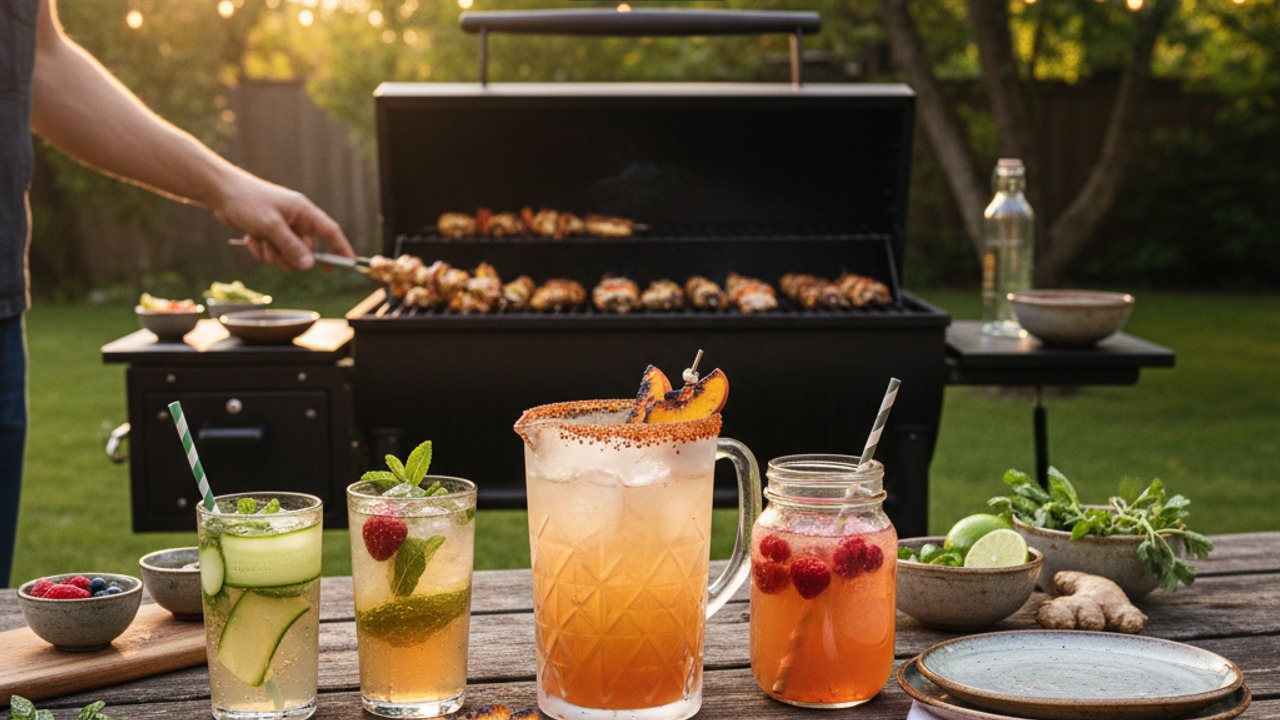
Trending Grillside Drinks for 2026: Cocktails, Low‑ABV Sippers, and Non‑Alcoholic Pairings to Elevate Backyard BBQ
Discover the hottest drinks to serve alongside summer grilling in 2026 — from smoked‑syrup cocktails and barrel‑aged RTDs to low‑ABV spritzes, shrubs, kombuchas, and tea blends. Includes batch-making tips, safety notes, and pairing suggestions for common grilled proteins and sides.
Recipes
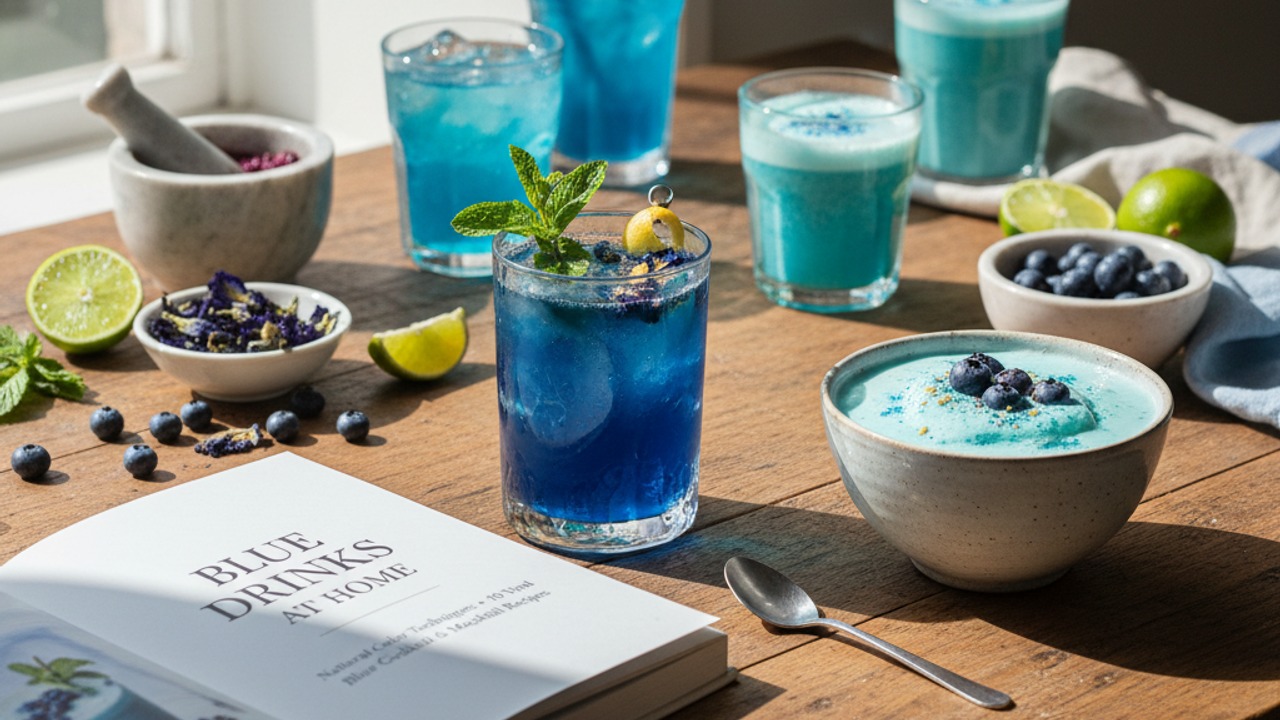
Blue Drinks at Home: Natural Color Techniques + 10 Viral Blue Cocktail & Mocktail Recipes
Discover how to make stunning blue drinks at home using natural ingredients like butterfly pea and blue spirulina. This guide includes practical techniques, storage tips, and 10 viral cocktail and mocktail recipes — many with grilled-garnish ideas for backyard entertaining.

Healthy Eating
Gluten-Free Weeknight Grilling Plan
A 7-day gluten-free weeknight grilling plan with quick, family-friendly recipes, prep-ahead timelines, and a printable shopping list that spotlights late-summer produce and pantry staples. Includes clear cross-contamination safety tips and simple swaps to keep dinners fast and crowd-pleasing.
More from Drinks
View all Drinks recipes →
Watermelon Agua Fresca (Easy Blender Recipe)

Bellini Cocktail

Maple Hot Toddy

Low-Sugar Old Fashioned

Classic Manhattan Cocktail

Non Alcoholic Manhattan

Blueberry Lavender Vodka

Black Manhattan Amaro

Cucumber Spritz
Ask me anything about this recipe — substitutions, scaling, techniques, timing.
Powered by AI · 6 questions per 5 minutes, 30 per day