Vin Chaud Mulled Wine
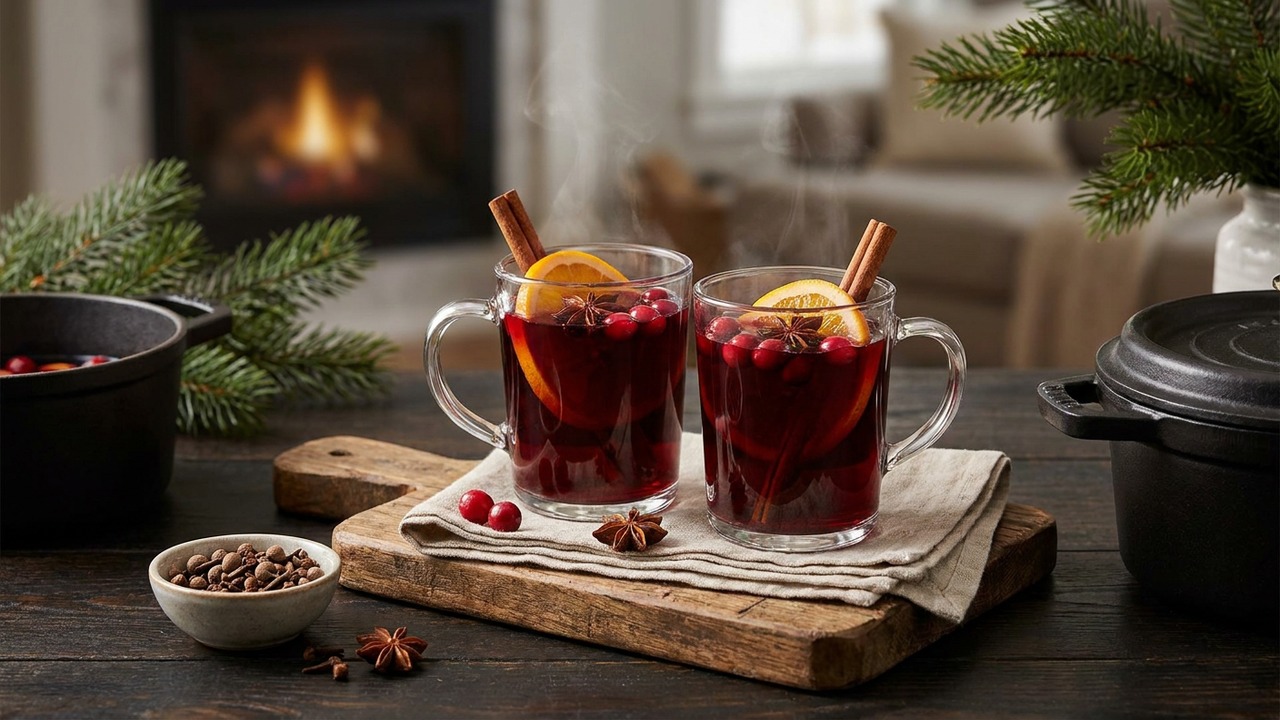
Classic French vin chaud — a warmly spiced, gently sweetened mulled red wine that's perfect for cold evenings and holiday gatherings. Aromatic spices and citrus simmer with red wine to create a cozy, comforting winter drink.
Ingredient Spotlight
Cinnamon sticks
Whole sticks of cinnamon are the dried bark of Cinnamomum trees (commonly cassia or true cinnamon), used widely in Middle Eastern, South Asian, and European cuisines for simmering in drinks and braises. They give a warm, sweet, woody aroma that’s more subtle and longer‑lasting than ground cinnamon. Find them in the spice aisle or international markets; if you don’t have sticks, use about 1/2–1 teaspoon ground cinnamon per stick, added toward the end of cooking and strained out if needed.
Ingredient Spotlight
Whole cloves
Cloves are the dried flower buds of the Syzygium aromaticum tree, used in many global spice blends and mulled beverages for their intense, warm, slightly sweet and astringent flavor. They’re common in Indian, Middle Eastern, and European cooking and are typically used whole in simmering liquids or stews so they can be removed. Available in the spice aisle — to substitute, use ground cloves sparingly (about 1 whole clove ≈ 1/8 teaspoon ground) because the flavor is very concentrated.
Ingredient Spotlight
Star anise
Star anise is a star‑shaped spice from the fruit of Illicium verum, prominent in Chinese, Vietnamese and other East Asian cuisines; it has a strong licorice‑like, sweet‑anise aroma. It’s a key note in five‑spice and pho broths and adds depth to mulled wines and braises. You’ll find it in Asian markets or the spice section; substitutes include a small pinch of ground anise or fennel seed (or a pinch of Chinese five‑spice), but use sparingly as its flavor is potent.
Jake Woods's note
"This vin chaud shines at holiday markets, après-ski evenings, or any chilly night when you want a fragrant, communal drink. Home cooks will love how quickly the spices infuse and how easy it is to adjust sweetness and strength to taste."
About This Recipe
Vin chaud is the kind of drink that makes a house feel hospitable the moment it’s poured: warm, aromatic and built around the bright tension between winter spices and citrus. This version leans into clarity and balance — I use a splash of water to temper the wine so the spices extract gently, and I add both zest and sliced fruit so you get fragrant oils and a fresher acidity at once. Star anise and cloves give aniseed and resinous notes while cinnamon provides round warmth; a modest amount of sugar (or honey) lifts the mid-palate without turning the cup syrupy.
It’s an easy recipe that rewards small technical choices: keep the pot just shy of a simmer, toast whole spices briefly if your spices are older, and always zest before you slice to preserve the concentrated aroma. Serve it to friends after a cold walk, at a holiday gathering with cheese and nuts, or ladled into thermoses for a sledding party — it’s forgiving, scalable, and simple to tailor (more citrus for brightness, an extra cinnamon stick for depth). The optional brandy is exactly that — optional — but it does knit the flavors and smooth the finish if you like a little lift.
Ingredients for Vin Chaud Mulled Wine
- 1 bottle Dry red wine
- 1/2 cup Water
- 1/4 cup Granulated sugar (or honey)
- 2 sticks Cinnamon sticks
- 6 cloves Whole cloves
- 2 pods Star anise
- 1 orange Orange (zest and 1/2 sliced)
- 1 lemon Lemon (zest or a few thin slices)
- 2 tbsp Brandy or cognac (optional)
How to Make Vin Chaud Mulled Wine
Step 1: Combine wine, water and spices
Pour the red wine and water into a medium saucepan and add the sugar, cinnamon sticks, whole cloves, and star anise. Stir gently to combine and begin warming over low to medium-low heat so the sugar begins to dissolve.For this step
- 1 bottleDry red wine
- 1/2 cupWater
- 1/4 cupGranulated sugar (or honey)
- 2 sticksCinnamon sticks
- 6 clovesWhole cloves
- 2 podsStar anise
Step 2: Add citrus
Zest one orange and one lemon into the pan, then add half an orange sliced into rounds and a few thin lemon slices for brightness. The zest delivers concentrated aromatics while the slices give a fresh citrus note as the mixture warms.For this step
- 1 orangeOrange (zest and 1/2 sliced)
- 1 lemonLemon (zest or a few thin slices)
Step 3: Warm gently and steep
Heat the mixture slowly until it is steaming and very hot but not boiling — maintain just below a simmer (do not boil) for 15 to 20 minutes. Keep the pot partially covered and check occasionally, stirring to ensure sugar is fully dissolved and spices are infusing.Step 4: Strain and finish
Remove from heat and strain the vin chaud through a fine mesh sieve into a clean pot or heatproof pitcher to remove spices and citrus. Stir in the brandy or cognac if using, taste and adjust sweetness with a little more sugar or honey if desired.For this step
- 2 tbspBrandy or cognac (optional)
Step 5: Serve and garnish
Ladle the mulled wine into warm mugs or heatproof glasses, garnish with an orange slice or a cinnamon stick, and serve immediately. Keep leftover vin chaud warm on the stove over the lowest heat or in a thermos for up to 4 hours; refrigerate and reheat gently if storing longer.

- Pour the red wine and water into a medium saucepan and add the sugar, cinnamon sticks, whole cloves, and star anise. Stir gently to combine and begin warming over low to medium-low heat so the sugar begins to dissolve.
- Zest one orange and one lemon into the pan, then add half an orange sliced into rounds and a few thin lemon slices for brightness. The zest delivers concentrated aromatics while the slices give a fresh citrus note as the mixture warms.
- Heat the mixture slowly until it is steaming and very hot but not boiling — maintain just below a simmer (do not boil) for 15 to 20 minutes. Keep the pot partially covered and check occasionally, stirring to ensure sugar is fully dissolved and spices are infusing.
- Remove from heat and strain the vin chaud through a fine mesh sieve into a clean pot or heatproof pitcher to remove spices and citrus. Stir in the brandy or cognac if using, taste and adjust sweetness with a little more sugar or honey if desired.
- Ladle the mulled wine into warm mugs or heatproof glasses, garnish with an orange slice or a cinnamon stick, and serve immediately. Keep leftover vin chaud warm on the stove over the lowest heat or in a thermos for up to 4 hours; refrigerate and reheat gently if storing longer.
Vin Chaud Mulled Wine Tips
Heat Slowly, Don't Boil
Keep the liquid just under a simmer to avoid driving off alcohol and extracting bitter tannins from the wine or pith from the citrus.
Toast Whole Spices
Lightly toast cinnamon sticks, cloves, and star anise in a dry pan for 20–30 seconds to bloom their essential oils before adding liquid.
Zest Before Slicing
Zest the orange and lemon first to capture concentrated aromatics, then add the sliced rounds to give gentle fresh citrus notes without too much bitterness.
Sweeten Gradually
Start with the recipe amount, taste while hot, and add more sugar or honey a teaspoon at a time — honey will add floral complexity that pairs well with star anise.
Warm Your Cups
Pre-warm mugs or glasses with hot water so the vin chaud stays hot longer and the aromas are more immediate on pouring.
Vin Chaud Mulled Wine Variations and Substitutions
Non‑Alcoholic Version
Use a mix of unsweetened red grape juice and apple cider (2:1) in place of wine, reduce the added sugar, and simmer gently for the same infusion time for a kid-friendly option.
White Wine Mulling
Swap a dry white wine (Sauvignon Blanc or dry Riesling) and drop the star anise in favor of crushed cardamom and a thumb of sliced ginger for a lighter, brighter profile.
Citrus‑Forward Twist
Add a split vanilla pod and a few slices of fresh ginger with extra orange zest for an aromatic, slightly spicy lift that complements sweeter wines.
Richer, Boozy Finish
Replace or augment the brandy with dark rum or a tablespoon of orange liqueur (Cointreau) per serving for warmth and a hint of caramel or orange depth.
How to Store and Make Vin Chaud Mulled Wine Ahead
Cool vin chaud to room temperature, then refrigerate in a sealed container for up to 3 days. Reheat gently over low heat — do not boil — and add a splash of water or a squeeze of fresh orange if the aromatics feel muted. For parties, keep it warm in a slow cooker on Low and give it a quick stir before serving to redistribute the spices.
What to Serve With Vin Chaud Mulled Wine
Serve in pre-warmed mugs with an orange wheel and a cinnamon stick for stirring; add a few whole cloves to the rim for extra scent. Pair with a rustic cheese board (Camembert, aged Comté), honeyed nuts, or buttery shortbread to contrast the spice and acidity, and offer an unsweetened sparkling water or apple cider as a non-alcoholic palate cleanser.
Vin Chaud Mulled Wine FAQs
Can I use any red wine?
Use a mid-priced dry, fruity red such as Merlot, Grenache, or a Côtes du Rhône; avoid very tannic or heavily oaked wines which can become bitter when warmed.
How much alcohol remains after mullng?
Because this recipe keeps the liquid below a simmer, a substantial amount of alcohol remains; simmering or boiling would drive off more. If you need a non-alcoholic drink, use grape juice and cider instead.
Why do you add water?
A small amount of water helps extract spice flavors more evenly and tempers the wine so the infusion time yields aromatic balance without concentrating tannins.
Can I make it ahead?
Yes — make it a day in advance, refrigerate, then reheat gently and refresh with a squeeze of citrus or a splash of brandy before serving to revive the aroma.
My vin chaud tastes too bitter — how do I fix it?
If it’s bitter, lower the heat and remove any citrus pith or over‑steeped spices; balancing with a bit more sugar, honey, or a splash of brandy can round out the bitterness.
About the author
Jake WoodsHello, I'm Jake. I started this recipe site with the idea that I hated recipe websites that overwhelm you with long stories and ads just to see plain content that's not helpful. My goal is to provide you with quality recipes, simple ideas and a fun cooking experience. There's lots of fun things to cook, and I think as you browse the site you'll find that TopShelf.Recipes is the place for quality recipes on the web.
See all recipes by Jake Woods →Ratings & Reviews
Did you make this recipe?
Be the first to share your experience.
Nutrition Facts
Per serving: 1 cocktail
Nutrition values are estimated from USDA ingredient data and may vary based on preparation, brands, and portion sizes. Values are provided for informational purposes only.
Keep Reading
Guides & articles for this recipe
Guides
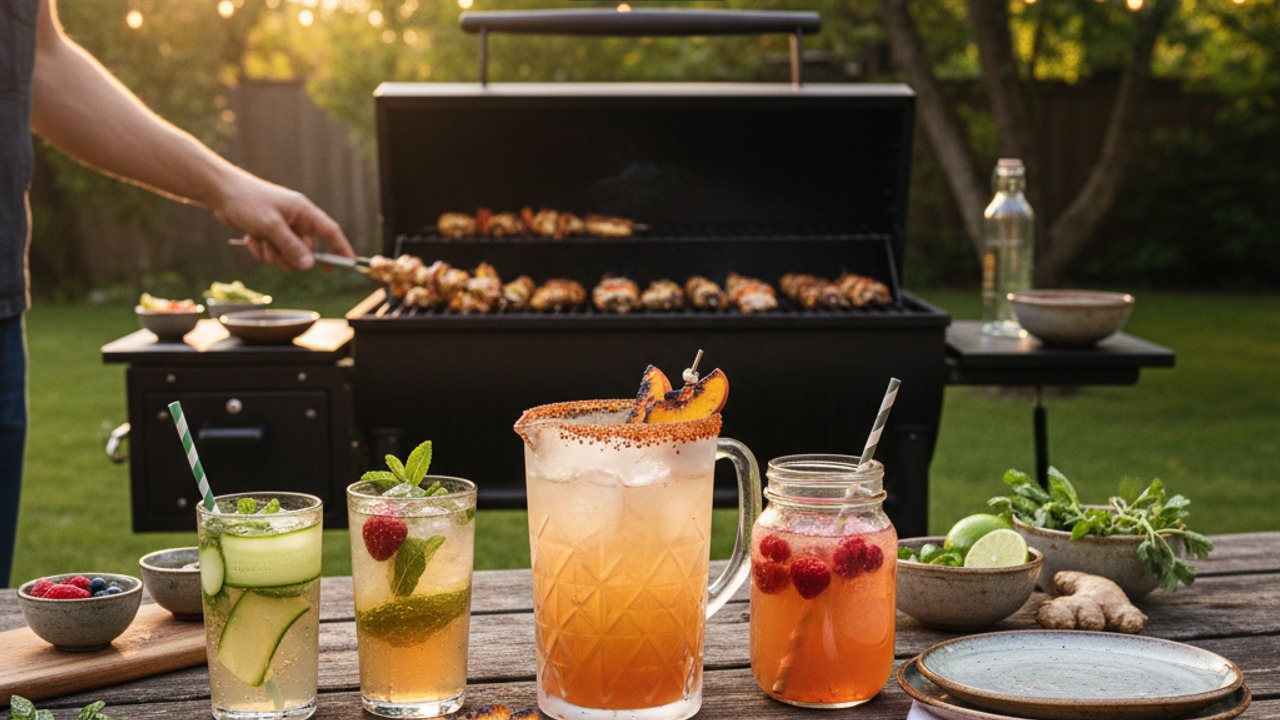
Trending Grillside Drinks for 2026: Cocktails, Low‑ABV Sippers, and Non‑Alcoholic Pairings to Elevate Backyard BBQ
Discover the hottest drinks to serve alongside summer grilling in 2026 — from smoked‑syrup cocktails and barrel‑aged RTDs to low‑ABV spritzes, shrubs, kombuchas, and tea blends. Includes batch-making tips, safety notes, and pairing suggestions for common grilled proteins and sides.
Recipes
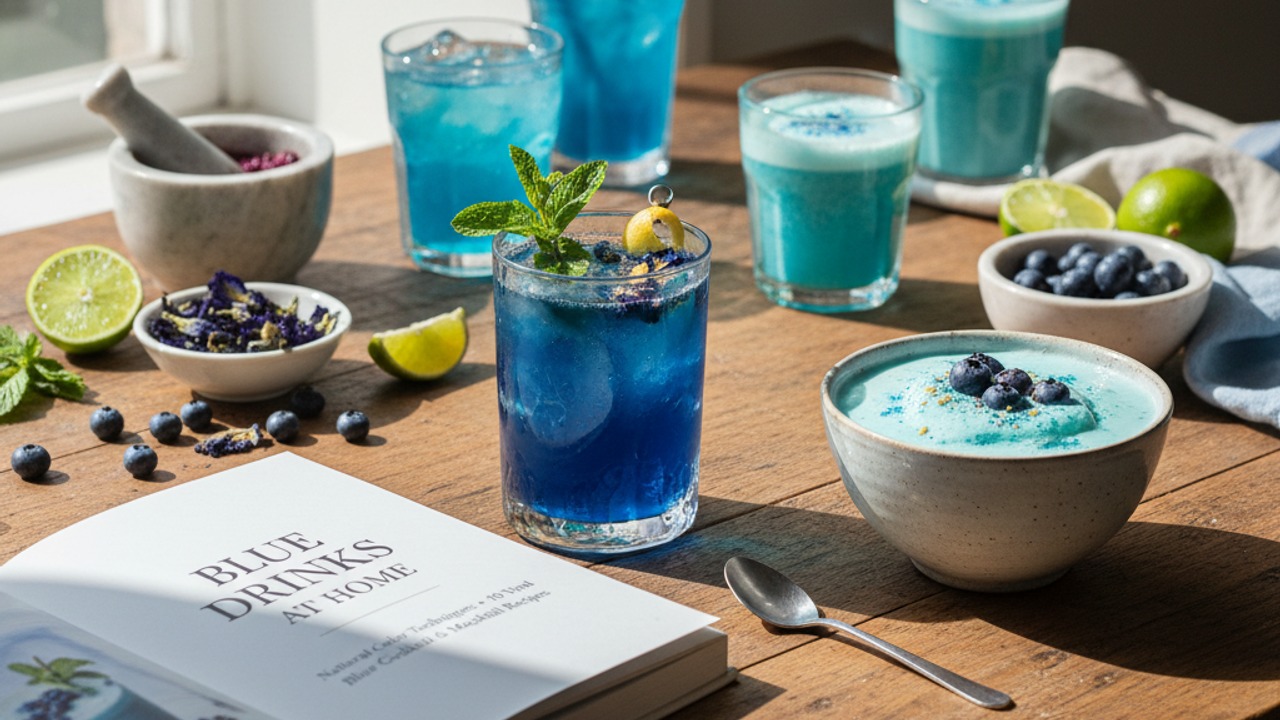
Blue Drinks at Home: Natural Color Techniques + 10 Viral Blue Cocktail & Mocktail Recipes
Discover how to make stunning blue drinks at home using natural ingredients like butterfly pea and blue spirulina. This guide includes practical techniques, storage tips, and 10 viral cocktail and mocktail recipes — many with grilled-garnish ideas for backyard entertaining.

Healthy Eating
Gluten-Free Weeknight Grilling Plan
A 7-day gluten-free weeknight grilling plan with quick, family-friendly recipes, prep-ahead timelines, and a printable shopping list that spotlights late-summer produce and pantry staples. Includes clear cross-contamination safety tips and simple swaps to keep dinners fast and crowd-pleasing.
More from Drinks
View all Drinks recipes →
Watermelon Agua Fresca (Easy Blender Recipe)

Brown Butter Dalgona

Mushroom Mocha Latte

Hibiscus Cold Brew Fizz

Boozy Red White Blue Popsicles (Vodka Ice Pops for Adults)

Hibiscus Simple Syrup

Affogato with Caramel

Bourbon Canned Peaches

Labor Day Grilled-Pineapple Rum Punch (Large-Batch, Grill-Ready)
Ask me anything about this recipe — substitutions, scaling, techniques, timing.
Powered by AI · 6 questions per 5 minutes, 30 per day