Healthy Eating

Healthy Gluten-Free Meal Prep

Practical make-ahead gluten-free recipes for breakfasts, lunches, and dinners with a focus on keeping meals lower in fat and higher in fiber. Includes batch-cooking schedules, storage and reheating tips, and quick ingredient swaps to stretch nutrition and time.

Editorially curated
Healthy Gluten-Free Meal Prep

Make-Ahead Breakfasts

Make-Ahead Breakfasts
Overnight jars, chickpea muffins, and ready-to-reheat egg cups.

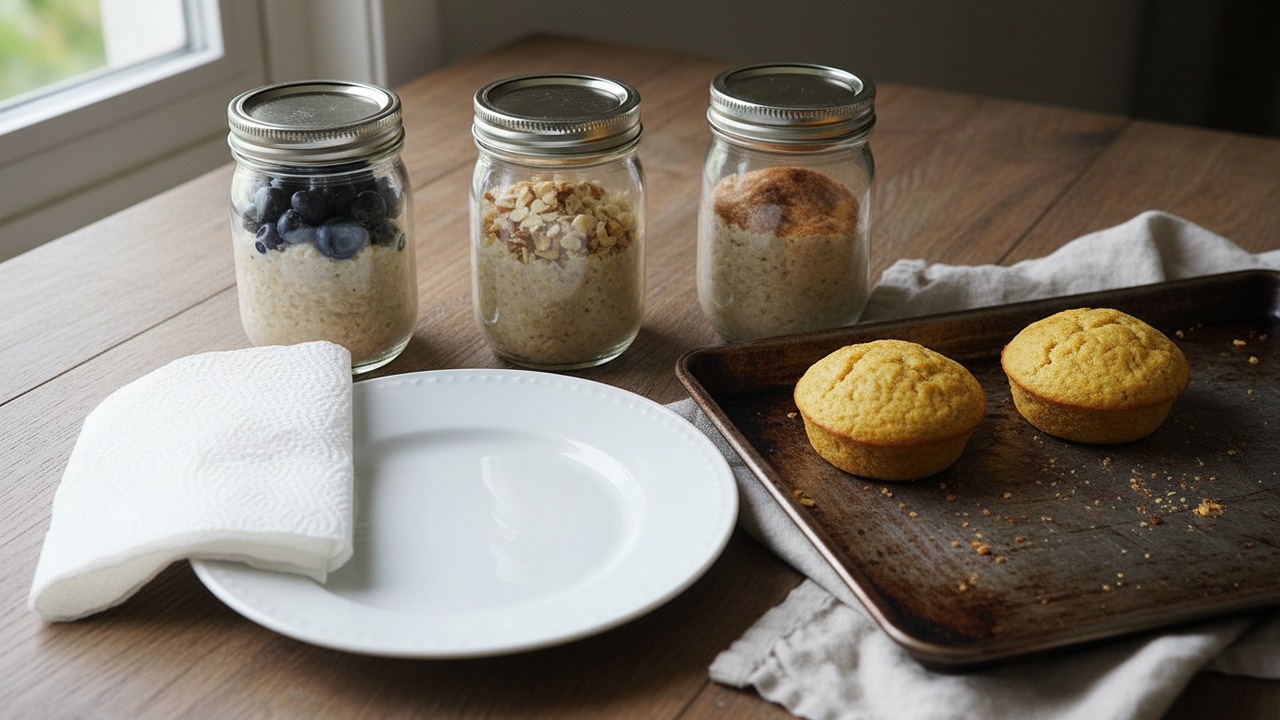
Good make-ahead breakfasts fall into three durable formats: soaked jars, egg-based bakes, and chickpea-flour items. Overnight oats and chia jars hold their texture because the liquid is part of the plan; they stay spoonable rather than watery when you use the right oats-to-liquid ratio (roughly 1:1 to 1:1.25 for rolled oats). Egg-based muffins—baked in a muffin tin and cooled completely before wrapping—reheat quickly in a microwave or low oven without needing added oil. Chickpea-flour pancakes or small frittata-style cups are dense and hold up well in the fridge.

Portioning matters. Pack single-serving jars (about 1 to 1½ cups total) for oats or chia so you can grab a balanced breakfast; for egg muffins aim for two to three per person depending on hunger. Reheat eggs covered with a damp paper towel for 20–40 seconds in a microwave to restore moisture without oil. Chilled soaked breakfasts don’t need reheating—stir and top.

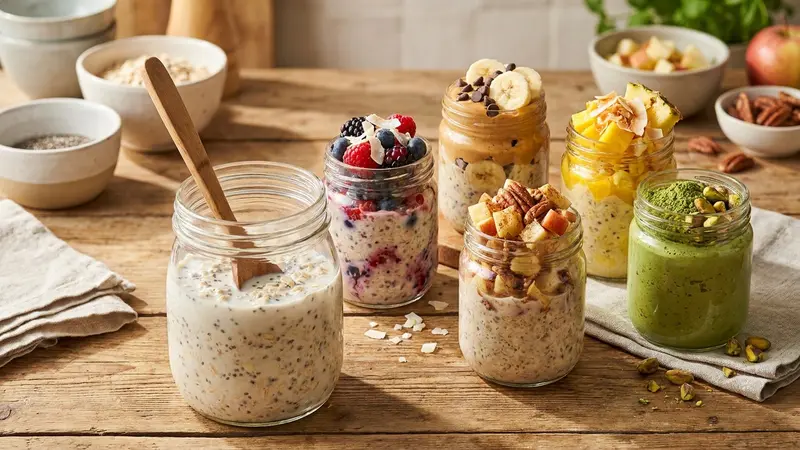
Boosting fiber without blowing up the fat content is straightforward: add a tablespoon of chia or ground flax (one serving), a quarter to a half cup of mashed beans or lentils blended into batters, or a half cup of berries or grated apple per jar. Use the Overnight Oats Base with 5 Flavor Variations when you want a low-fuss jar you can mix into different flavors across the week.
Packable Lunches

Compose packable lunches around a simple rule: grain + protein + vegetables + dressing. For gluten-free bowls, choose quinoa, buckwheat, or certified gluten-free oats as the base; add a lean protein such as canned tuna, grilled shrimp, or a generous scoop of beans. Aim for about ½–1 cup cooked grain, 3–4 ounces protein, and at least 1 cup of vegetables per serving to balance satiety and fiber.

Prevent sogginess by layering: place dressing in a small separate container or at the bottom of a wide-mouth jar, then add sturdier ingredients (grains, beans), followed by crisp vegetables and delicate greens on top. Travel-proof containers include 24–32 ounce wide-mouth Mason jars for layered salads, 3-cup shallow glass containers for bowls, and leakproof small tubs for dressings. Keep brittle toppings—nuts, seeds, and baked tortilla crisps—separate until serving.

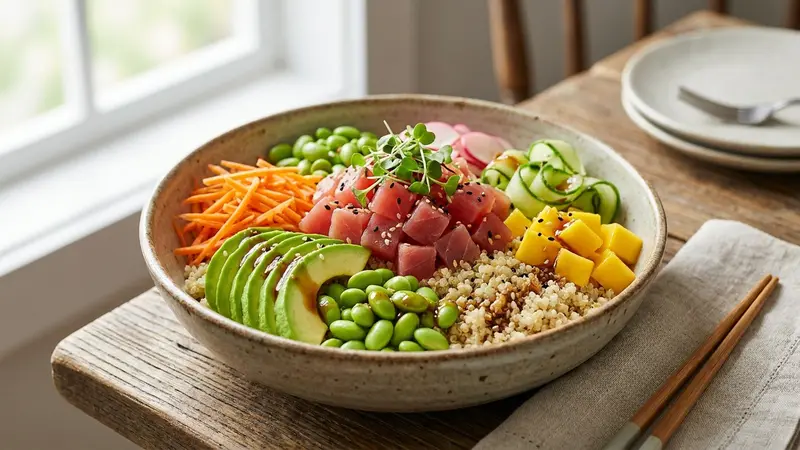
Choose proteins and vegs that keep fat moderate and fiber high: grilled shrimp or seared ahi (as in the Grilled Shrimp & Charred Corn Warm Salad) paired with corn, charred tomatoes, and avocado slices used sparingly; or a Quinoa Poke Bowl with edamame and cucumber for texture. Dressings should be bright and portioned (a tablespoon or two) or switched for yogurt-based dressings to cut oil while maintaining creaminess.

Family Dinners That Freeze Well

Family Dinners That Freeze Well
Layered casserole portions and fiber-forward sides freeze and reheat well.

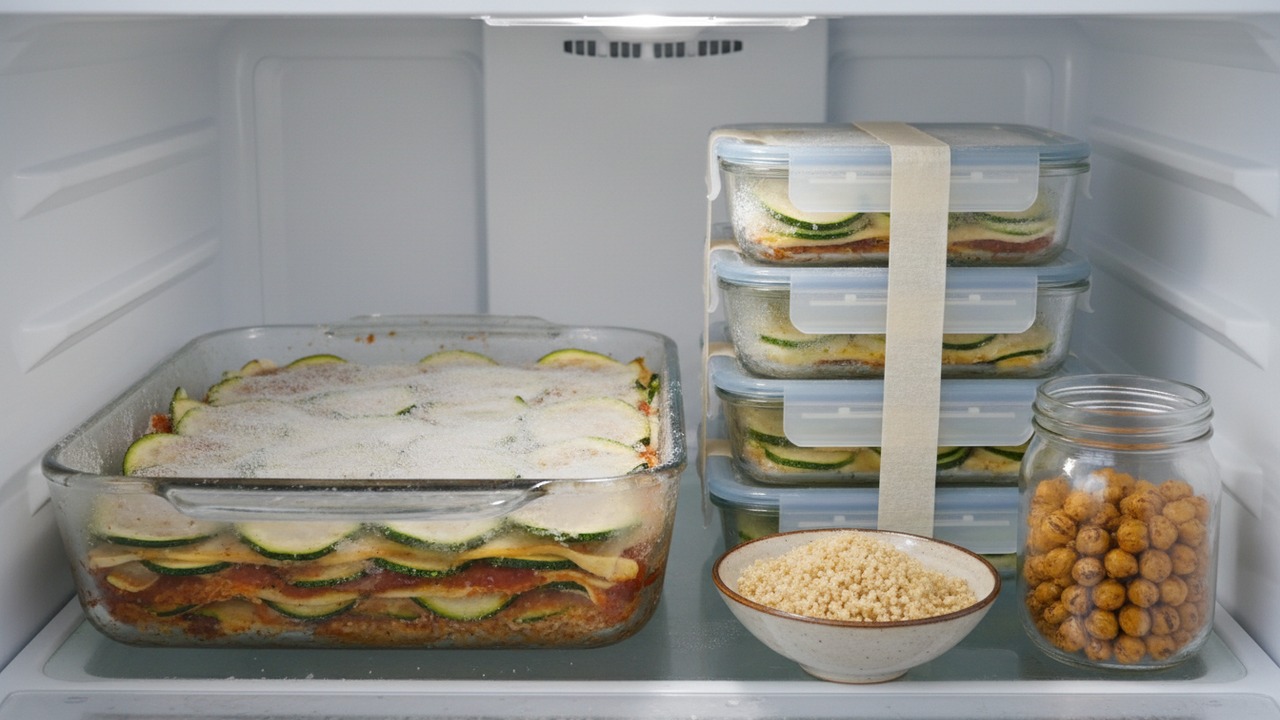
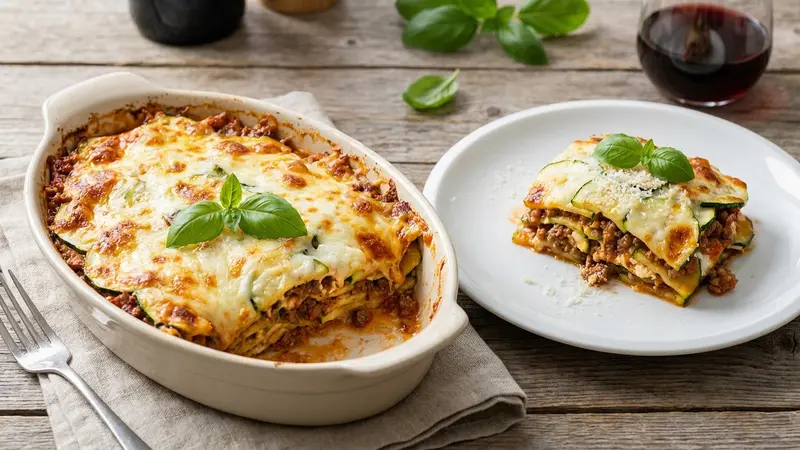
Dinners that freeze and reheat cleanly share a few traits: even-density components, sauces that don’t separate badly, and inexpensive assembly into single or family-sized portions. Casseroles and lasagna-style dishes—like the Low-Carb Zucchini Lasagna (Keto Friendly), which swaps noodles for thin zucchini—freeze and thaw predictably because they’re layered and compact. Stews and chilis are forgiving; sheet-pan dinners are less forgiving unless assembled with a sturdier starch.

When scaling for families, double or triple the recipe and divide into clearly labeled family-size trays (9x13-inch pans) and single-meal containers (1½–2 cup portions or 3-cup containers for larger appetites). Freeze single meals flat in freezer-safe zip bags or shallow containers to speed thawing. For family trays, leave a 1–2 inch headspace and cool completely before freezing to avoid ice crystals.

Reheating order matters: thaw overnight in the fridge when possible, then reheat single portions in a skillet or oven to revive texture; for casseroles, cover loosely with foil and reheat at 325°F until warmed through, finishing uncovered briefly to restore top texture. Pair dinners with simple high-fiber sides—quinoa pilaf, lentil salad, or a tray of roasted chickpeas—to bulk up fiber without adding much fat.

Batch-Cooking Schedules

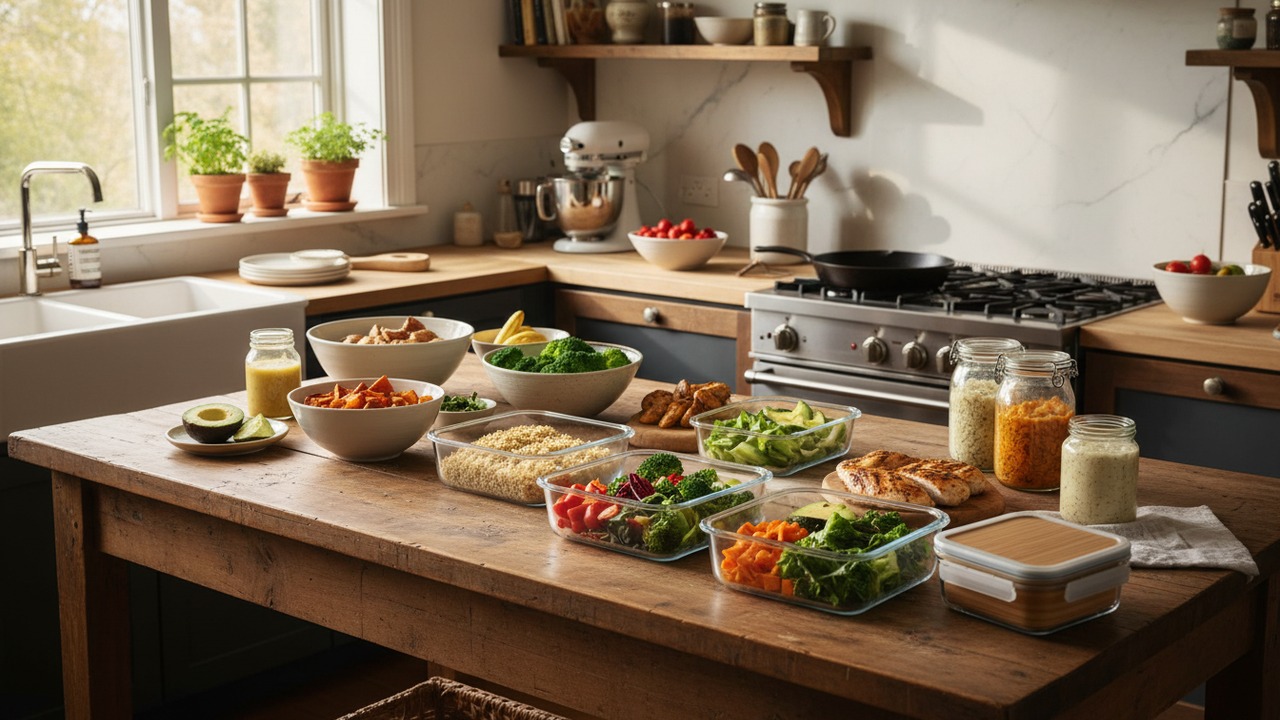
A productive 90–120 minute Sunday session focuses on roast, simmer, and quick bakes in a logical order. Start by preheating the oven and roasting a big sheet of hardy vegetables (sweet potatoes, carrots) while a stockpot simmers a bean or lentil base. While both cook, use the stove to do a double batch of quinoa and a pan of roasted chickpeas. Finish with quick egg muffins in the still-warm oven. This order minimizes active time: oven-first items, then stovetop, then quick bakes.

For a 30–45 minute midweek refresh, reheat a family casserole or skillet protein while quickly blanching greens and tossing a raw grain salad together from leftover roasted vegetables. Prioritize tasks that restore contrast—heat for warmth, add fresh herbs or acid for brightness, and crisp a small portion in a skillet to bring back texture.

Gear checklist: one large sheet pan, a medium roasting pan, a 6–8 quart stockpot, a 12-inch skillet, a muffin tin, and 6–8 glass meal containers (3-cup and 1½–2-cup sizes) plus small dressing jars. Divide cooked components into portion sizes that recombine: ½–1 cup cooked grain per container, 3–4 ounces protein, and a cup of vegetables. This modular approach makes quick bowls, wraps, or reheated entrees from the same batch.

Storage and Reheating

Storage and Reheating
Dated glass containers and low-heat reheating preserve texture.

Follow safe windows: most cooked grains, beans, and vegetable dishes keep 3–4 days in the fridge; cooked lean proteins like fish or shrimp 2–3 days; and properly frozen portions stay best for 2–3 months. Watch for simple spoilage signs—off smells, sliminess on vegetables, or visible mold—and when in doubt, discard. Thawing overnight in the fridge is safest and preserves texture for most prepped meals.

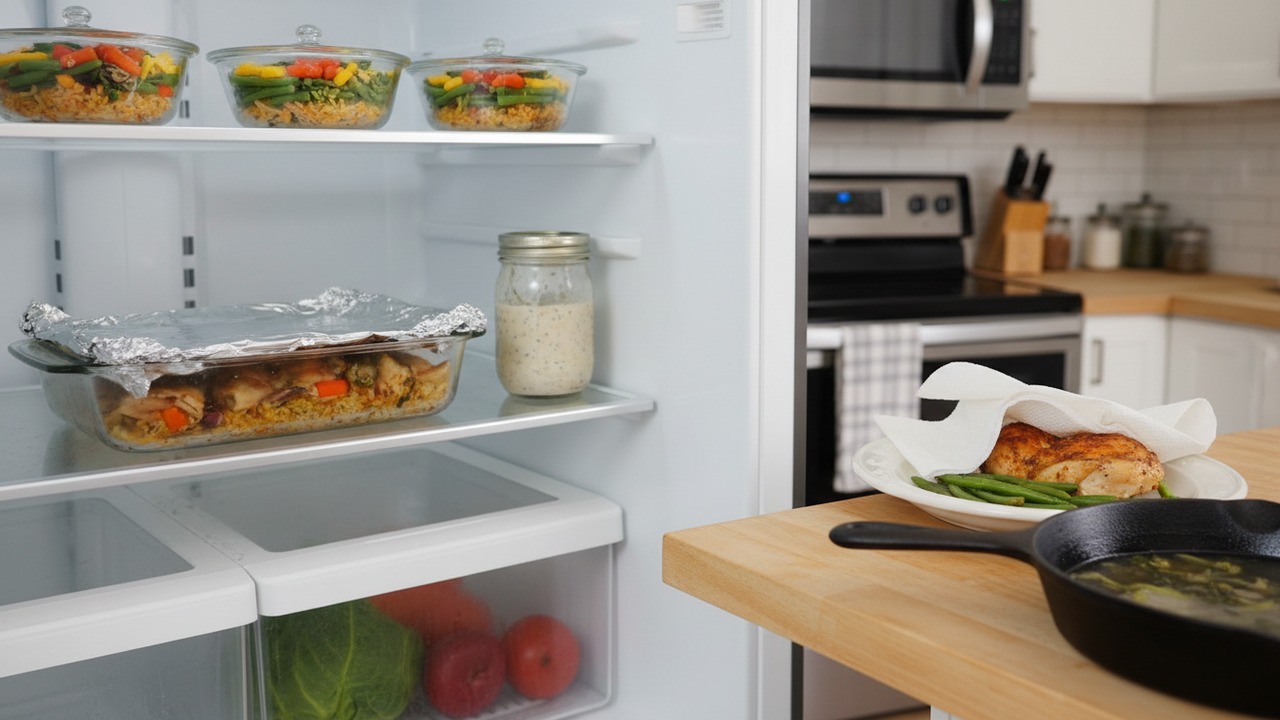
Container recommendations: use glass containers in 1½–2-cup sizes for single meals and 3–4-cup for family portions; shallow, wide containers help food cool faster and thaw more evenly. Choose glass over thin plastic when reheating to reduce flavor transfer and warping. For layered salads, keep dressing in separate small jars or in the base of a jar underneath sturdier ingredients. Label containers with contents and date using freezer tape or a permanent marker.

Reheating approaches that maintain moisture and avoid added fat include covering a dish in the oven at a lower temperature (300–325°F) to warm through, finishing uncovered to crisp tops, or using a skillet with a splash of broth to revive texture rather than oil. For grains and rice, add a tablespoon or two of water and cover while reheating to steam and prevent drying. Microwave reheating works for single servings—stir midway and cover with a damp paper towel.

Quick Swaps to Cut Fat and Add Fiber

Small ingredient swaps move calories from fat into fiber without changing the dish’s identity. Replace up to half the oil in dressings or sauces with puréed fruit (applesauce or prunes) or plain Greek yogurt to retain creaminess—start by swapping 25–50 percent, tasting as you go. Greek yogurt stands in well for sour cream at about a 1:1 ratio in most cold applications and can reduce fat while adding protein.

To add fiber invisibly, use cooked legumes and whole gluten-free grains: fold a half cup of mashed white beans into burgers or meatloaf to add moisture and fiber; use ½–1 cup cooked quinoa or lentils as the base of a bowl. Seeds and ground seed binders work for gluten-free recipes—1 tablespoon ground flax or chia mixed with 3 tablespoons water can replace one egg as a binder, and 2–4 tablespoons of ground seeds will thicken sauces without gluten-based thickeners.

For thickeners, choose certified gluten-free rolled oats (pulverized if needed) or bean purées instead of cornstarch or flour. When swapping, go conservative: replace a quarter to half of a high-fat ingredient on the first try and increase if texture and flavor remain pleasing. These tweaks keep meals satisfying while boosting fiber and trimming unnecessary fat.

Comments

Leave a comment

0/2000

No comments yet — be the first to share your thoughts.

Keep exploring

More to read

All articles →