Healthy Eating

Trending Gluten-Free Grain Bowls

A practical roundup of make-ahead, healthy gluten-free grain-bowl recipes built on quinoa, buckwheat, and millet. Includes protein ideas, seasonal-vegetable pairings, and simple dressings so you can prep weeknight bowls that hold up through the week.

Editorially curated
Trending Gluten-Free Grain Bowls

Why Grain Bowls Work

Why Grain Bowls Work
Separating grains, proteins, and dressings preserves texture.

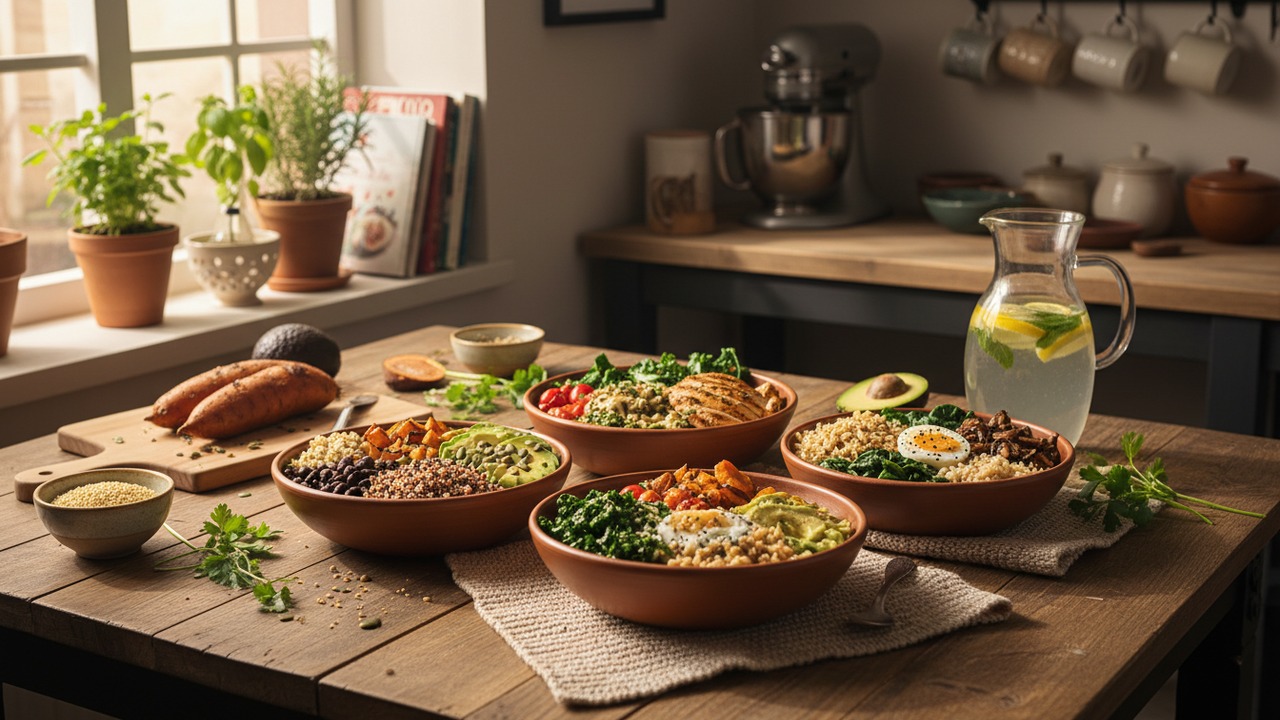
Grain bowls succeed because they balance four elements you can treat separately: a base grain for texture, a protein for heft, seasonal vegetables for flavor and color, and a dressing that ties everything together. That basic map — grain + protein + veg + dressing — makes the bowls easy to customize, and it’s what makes leftovers and meal prep straightforward: you can swap one piece without remaking the whole bowl.

Using naturally gluten-free grains like quinoa, buckwheat and millet makes this approach especially useful for people who avoid wheat. These grains each bring distinct textures and flavors that pair with both roasted veg and quick pickles, so you can rotate bowls without repeating the same mouthfeel.

Make-ahead friendly means two things in practice: cook components to withstand chilling, and plan the assembly order. Keep dressings separate until serving, store hot-roasted vegetables slightly underdone so they reheat without turning gluey, and reserve delicate greens for the last minute. A little separation goes a long way toward preserving individual textures.
Quinoa Bowls

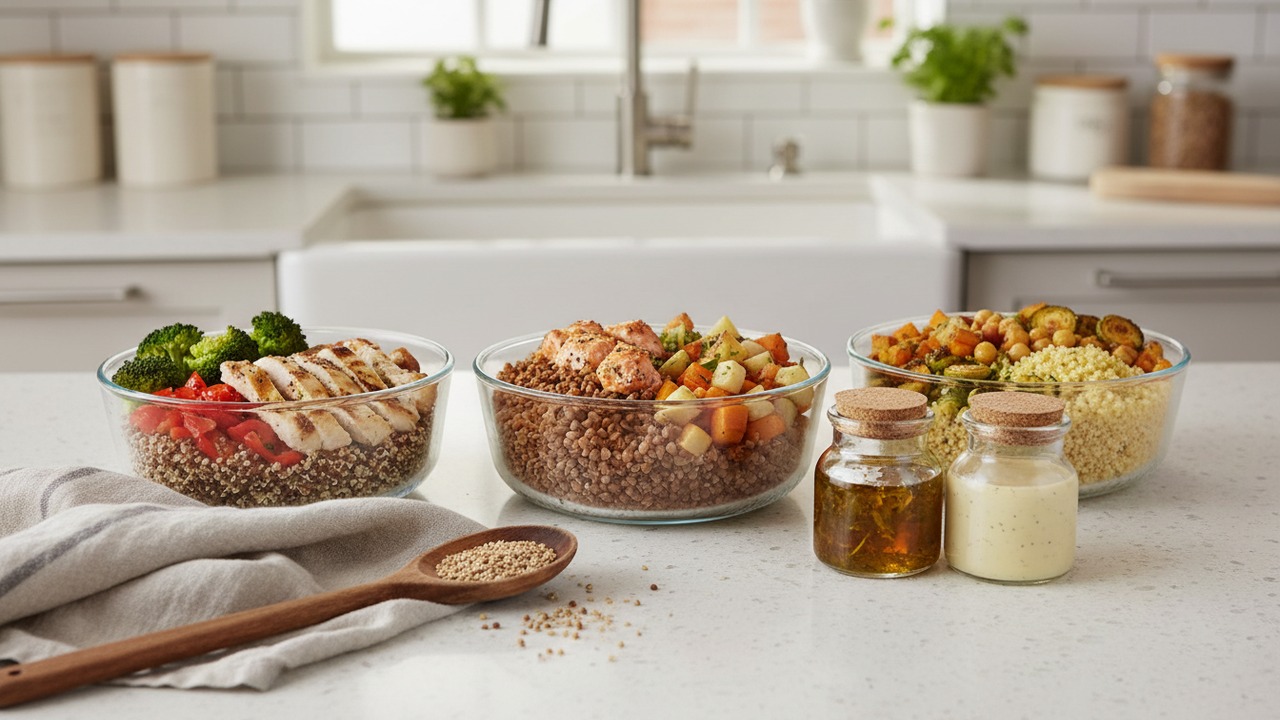
Quinoa is forgiving but its texture depends on the water ratio and how you finish it. For fluffy, distinct grains, use about 1.5 cups of liquid for 1 cup of rinsed quinoa, bring to a simmer, cover and cook gently for 12–15 minutes, then let it steam off heat for 10 minutes before fluffing with a fork. For slightly sticky quinoa — useful when you want grains to bind around roasted veg or a dollop of sauce — push the ratio to roughly 1.75 cups liquid per cup of quinoa and stir once at the end to slightly smash a few grains.

Pairings are straightforward: legumes plus a bright citrus/herb dressing make quinoa feel fresh and protein-rich — think chickpeas, chopped parsley, lemon zest and a vinaigrette. For a warmer, more autumnal bowl, roast root vegetables with warm spices (cumin, smoked paprika) and toss with quinoa while still slightly warm so the spices bloom.

For storage, cool quinoa quickly on a rimmed sheet to stop steam, then refrigerate in a shallow container. To reheat without drying, sprinkle a tablespoon or two of water per cup of quinoa and warm gently; if you plan to eat it cold in salads, keep dressings separate and dress just before eating so the grains stay lively.

Buckwheat Bowls

Buckwheat Bowls
Toasting groats deepens flavor and improves texture.

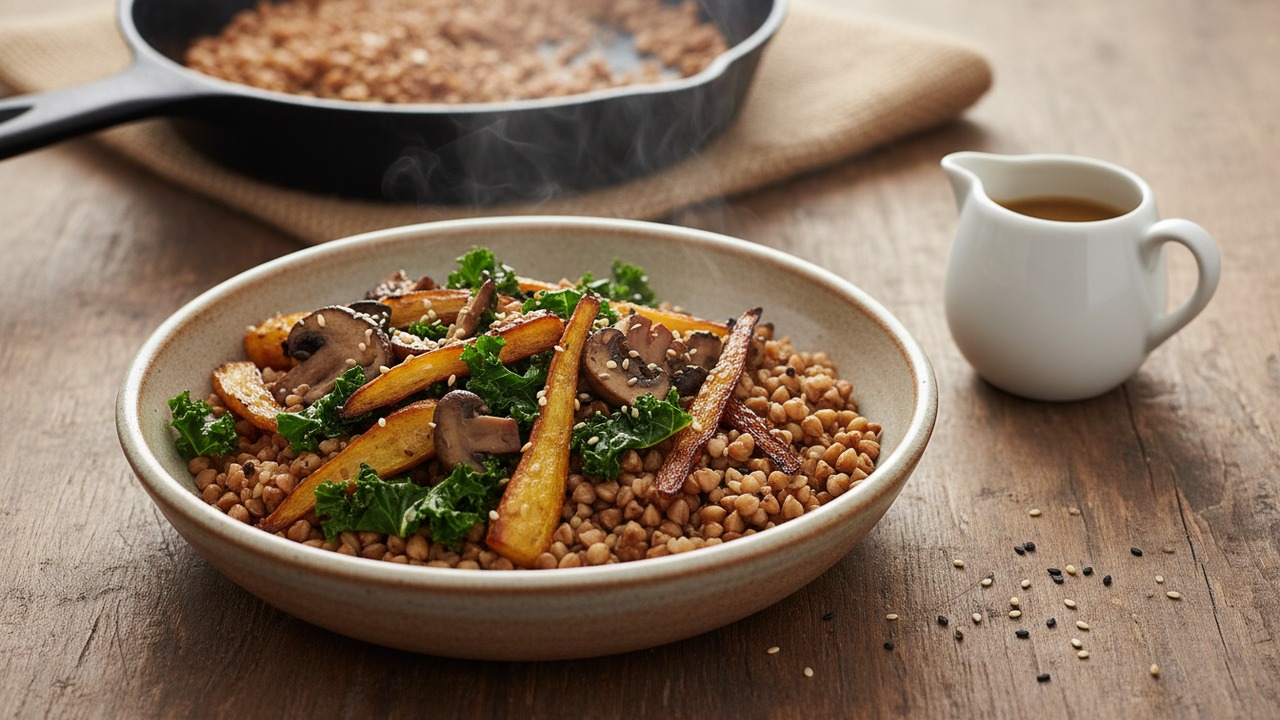
Buckwheat comes in two main forms: raw groats and toasted groats called kasha. Toasting raw groats in a dry skillet until they smell nutty — about 4–6 minutes over medium — deepens flavor and prevents a flat, pasty finish. Cook toasted kasha with a 2:1 liquid-to-groat ratio, simmering gently until tender, then fluffing. Untoasted groats take less color but can be used when you want a milder note.

Buckwheat’s earthy tone pairs well with umami and hearty vegetables. Mushrooms, miso-glazed eggplant, roasted root veg and bitter greens like kale or Swiss chard complement its nuttiness; for protein, roasted tofu or braised short ribs both work, depending on whether you want a vegetarian or meat-forward bowl. Miso-based dressings and a scatter of toasted sesame seeds are natural companions.

Warm versus cold service changes your technique: for warm bowls, toss hot kasha with warm roasted vegetables and a pat of seasoned butter or miso vinaigrette so the flavors meld. For chilled salads, cool the buckwheat quickly and rinse briefly under cold water to stop cooking; keep dressings in a separate container and add them just before serving to avoid a mushy texture.

Millet Bowls

Millet can be either fluffy and slightly separated or soft and porridge-like, depending on how you cook it. For a toasted, couscous-like result, toast the dry millet in a skillet until it smells nutty, then simmer with a 1.75:1 liquid-to-grain ratio and cook just until the water is absorbed; let it rest covered to firm up. For a softer, creamier texture, use a 2.5:1 ratio and stir during cooking so the grains break down slightly.

Because millet is mild, seasoning and contrast matter. Toasted seeds or nuts add crunch, bright acids (lemon or sherry vinegar) lift the flavor, and fresh herbs like cilantro or dill prevent blandness. Seasonal vegetables such as summer tomatoes and cucumbers for a chilled bowl, or roasted squash and sautéed greens for fall, pair well. A scatter of toasted pumpkin seeds or za’atar can make a simple bowl feel deliberate.

To hold up in meal prep, toast the millet first and cool it on a sheet so steam escapes. Store grains separate from saucy vegetables and dressings; if you prefer slightly creamier bowls after refrigeration, add a splash of warm stock when reheating and toss quickly to restore tenderness without turning gluey.

Protein-Boosting Ideas

Protein-Boosting Ideas
Portion proteins before storing for easy weeknight assembly.

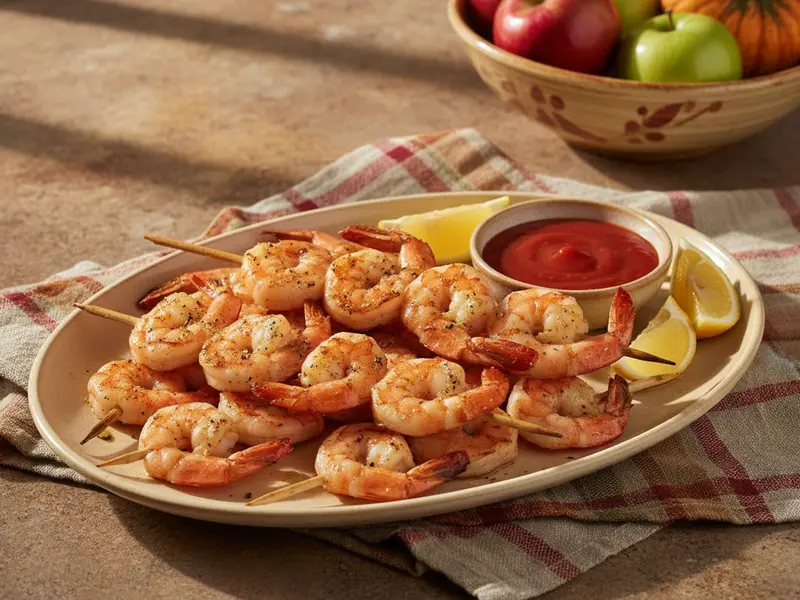
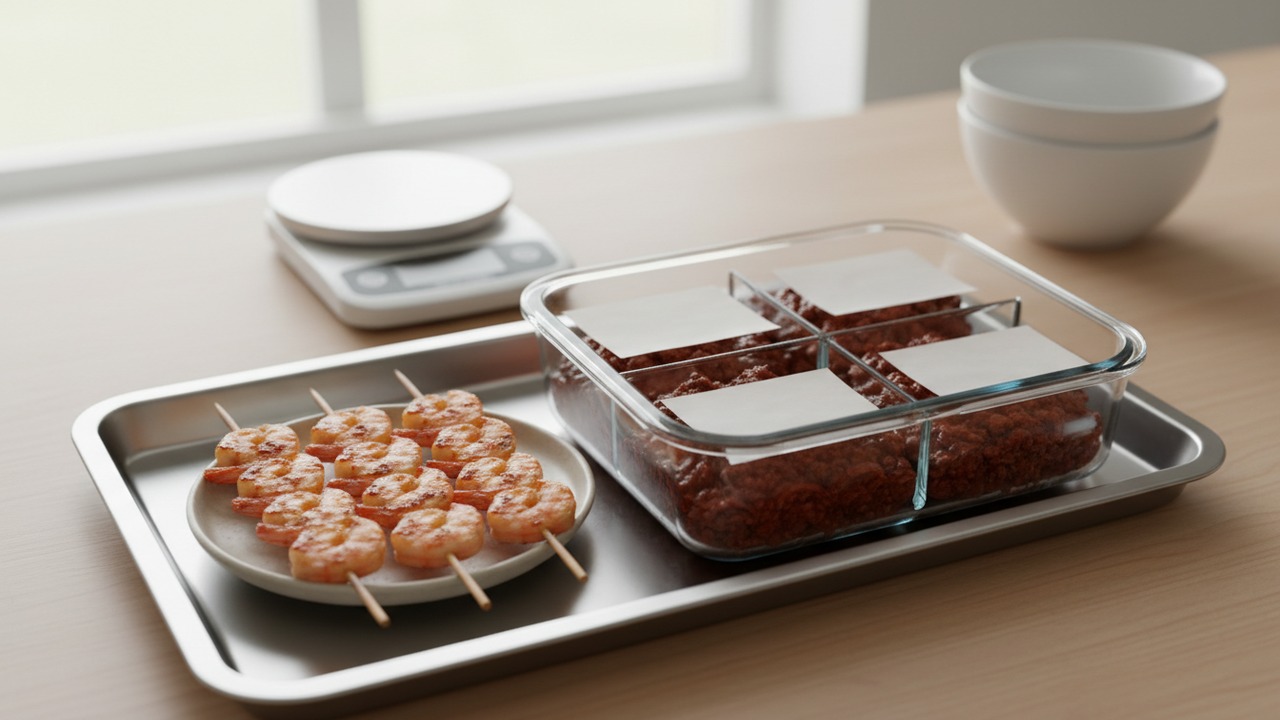
Think in terms of how a protein stores and how you plan to eat it. Quick-cooking proteins like shrimp and white fish can be grilled, chilled and sliced for bowls; longer-cooked options such as braised beef or a ground-meat bake can be portioned and reheated. Plant proteins — roasted chickpeas, lentils, tempeh — are excellent held cold and tossed into bowls straight from the fridge.

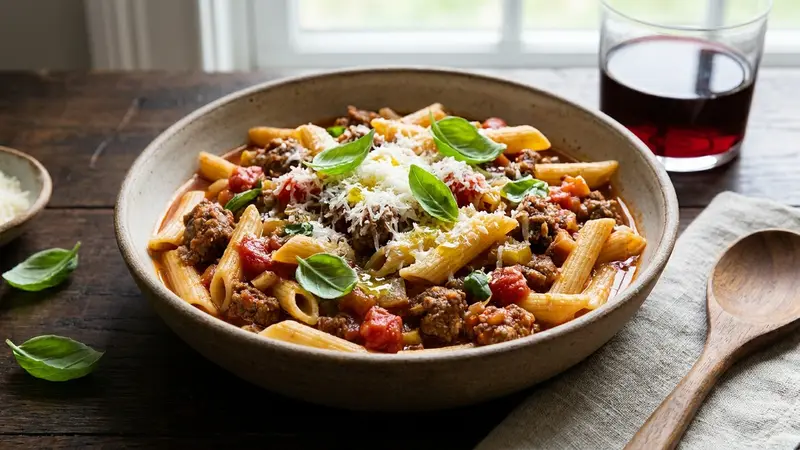
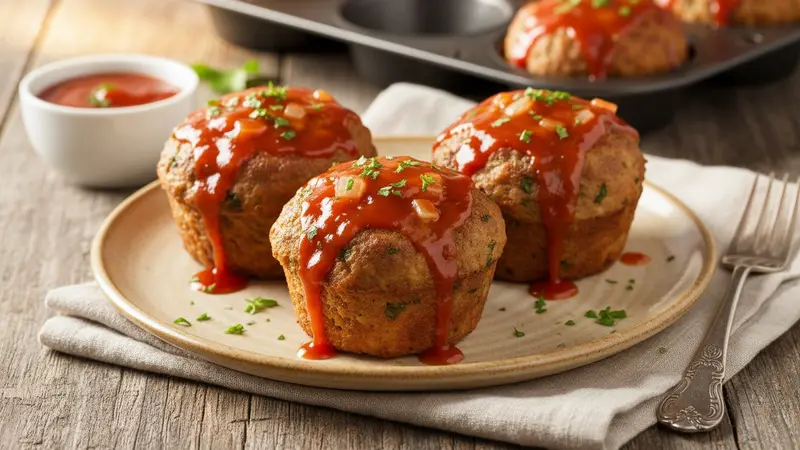
Batch-cook with portioning in mind: divide cooked proteins into 4–6 equal packets for the week rather than leaving one large container to disturb. Timing matters: add fragile proteins (sliced grilled shrimp) just before serving, while sturdier proteins (roasted chicken, meatloaf muffins) can sit in the refrigerator for several days. Recipes that are easy to portion, like one-pot beef bolognese converted into bowls or grilled shrimp that can be reheated briefly, are especially useful.

For vegan swaps, use extra-firm tofu pressed and roasted, or double up on legumes plus a tahini-based sauce. For omnivores, consider mixing a smaller portion of meat with legumes to stretch protein while keeping bowls balanced. Two helpful recipe ideas from this collection: Grilled Shrimp Cocktail for quick chilled shrimp, and One-Pot Beef Bolognese for a hearty, portionable meat option.

Simple Dressings & Assembly

Keep dressings simple and portable. For four bowls, start with these base formulas: Basic vinaigrette — 1/2 cup neutral oil, 3 tablespoons acid (vinegar or lemon), 1 teaspoon Dijon, salt and pepper to taste. Tahini-lemon — 1/3 cup tahini, 3 tablespoons lemon juice, 2–4 tablespoons warm water to thin, 1 clove grated garlic, and a pinch of salt. Miso-sesame — 2 tablespoons white miso, 2 tablespoons rice vinegar, 3 tablespoons toasted sesame oil, 1 tablespoon maple or honey, and 1–2 tablespoons water.

These quantities make enough to dress four medium bowls lightly; keep dressings in small jars and only dress the bowl you’ll eat that day. A rule of thumb: start with about 2–3 tablespoons of dressing per bowl, and add more as needed at the table. For travel-friendly creamier dressings, thin them with warm water or stock when reheating to avoid clumping.

Assemble jars or bowls in a predictable order: dense components first (grains), then roasted or saucy vegetables, then proteins, with delicate greens and any crunchy toppings (toasted seeds, nuts) last. Store dressing separately in a jar or small silicone container. When you’re ready to eat, shake or warm the grains briefly, add dressing, then top with greens so they stay bright and crisp.

Make-Ahead & Storage

Make-Ahead & Storage
Label portions and eat fragile items earliest in the week.

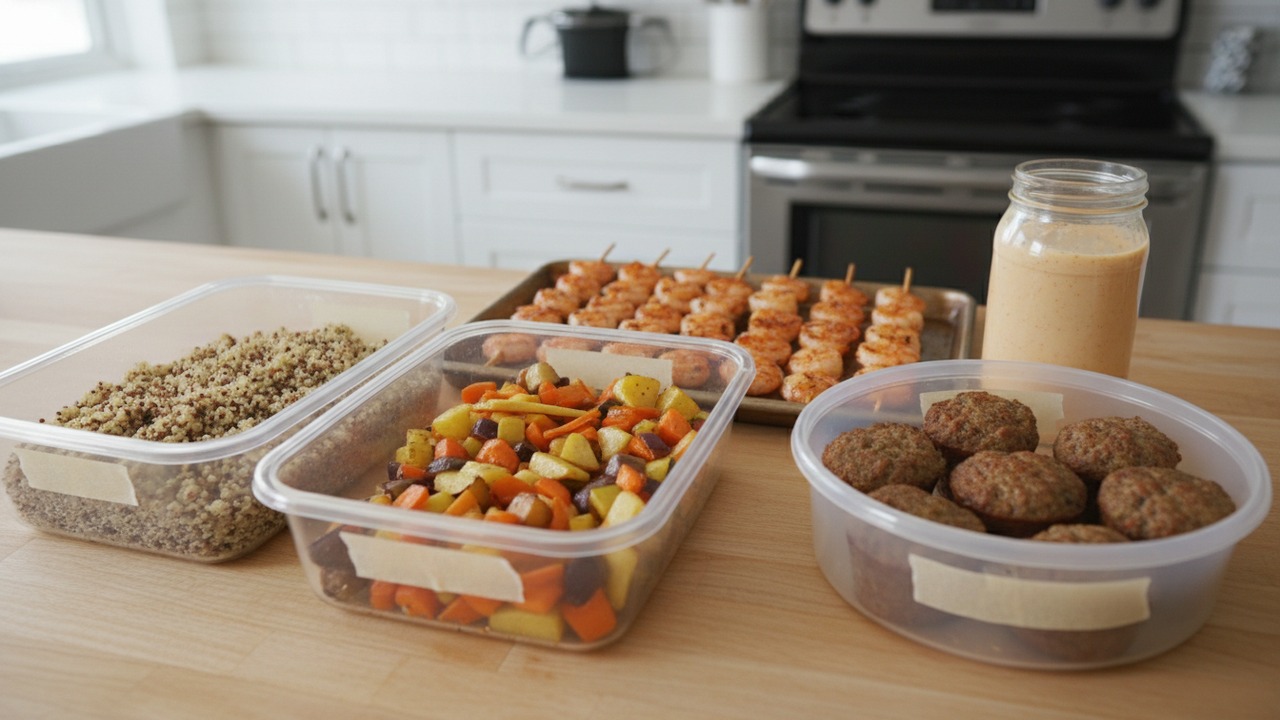
A simple weekly plan starts with bulk-cooking grains (cook enough for four to six bowls), roasting two vegetable batches (one root veg, one quicker veg like Brussels or peppers), and preparing two proteins so you can mix and match. Use shallow containers for rapid cooling and label them with the cook date; grain and vegetable mixtures generally last 3–4 days refrigerated, proteins vary — shrimp and white fish are best within 2–3 days, while roasted chicken or turkey meatloaf muffins keep 3–4 days.

Portion as you go: divide grains into single-meal portions, put roasted vegetables in airtight containers, and place proteins in their own tubs. If you expect to reheat, leave a small gap in the container for steam to escape. For cold bowls, cool everything quickly and assemble the day you eat. For hot bowls, reheat grains first, then gently warm proteins and saucy vegetables.

Examples that travel well in this framework include grilled shrimp that can be chilled and added at the last minute, and ground-turkey meatloaf muffins that reheat neatly and fit into bowls without extra work. Labeling and a short rotation — eat the most fragile items first — keeps the week simple and limits food waste.

Comments

Leave a comment

0/2000

No comments yet — be the first to share your thoughts.

Keep exploring

More to read

All articles →