3-2-1 Smoked St. Louis Ribs (Pellet Smoker Method)
Classic 3-2-1 St. Louis–style ribs finished on a pellet smoker for consistent heat and deep smoke flavor. Low-and-slow smoke, a buttery-sweet foil wrap, and a saucy finish produce tender, fall-off-the-bone ribs with a sticky bark.
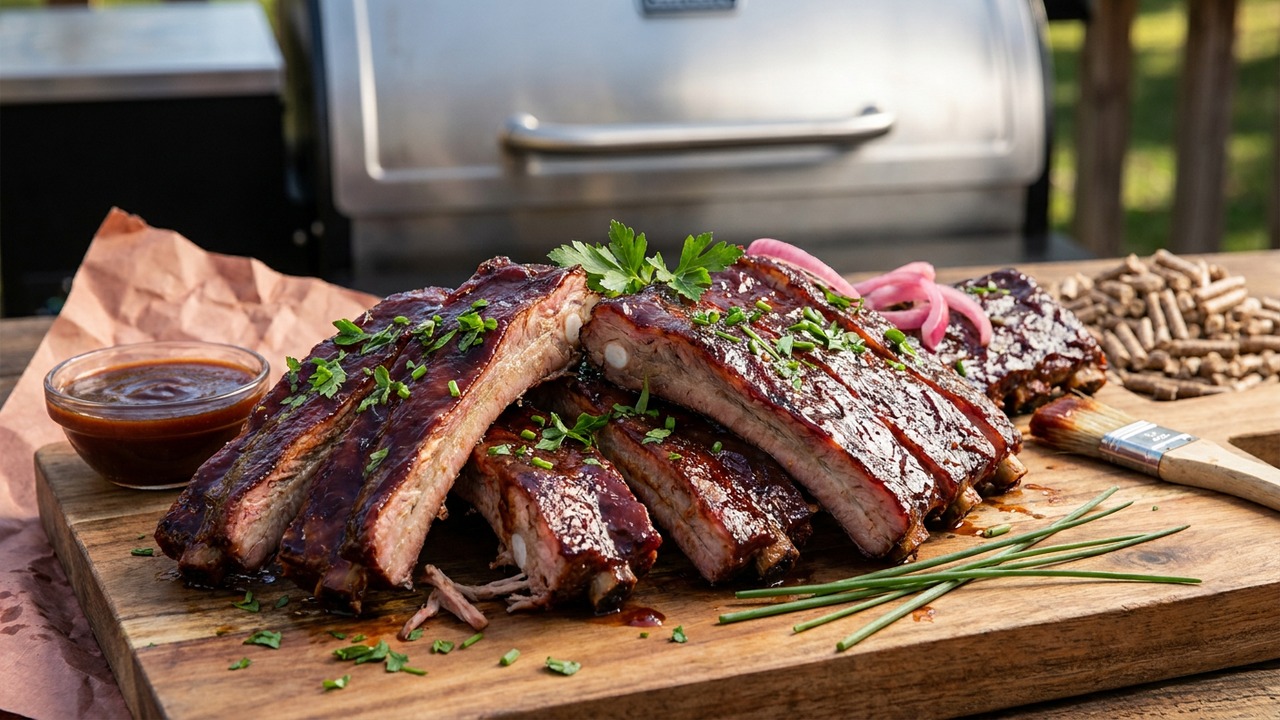
Ingredient Spotlight
St. Louis–style pork spare ribs
A St. Louis–style spare rib is a pork spare rib rack trimmed into a neat, rectangular slab by removing the sternum bone, cartilage and rib tips; the cut is associated with Midwestern/U.S. barbecue traditions (notably St. Louis). They’re meatier and fattier than baby back ribs, lending themselves to low-and-slow smoking for tender, flavorful results. Find them at butcher counters or well-stocked grocery stores; substitutes are baby back ribs (cook faster, leaner) or untrimmed spare ribs if you can trim them yourself.
Ingredient Spotlight
Hardwood pellets (hickory, apple, or blend)
Hardwood pellets are compressed, kiln-dried sawdust pellets used as fuel and flavor source in pellet grills and some smokers; different woods (hickory, apple, etc.) give distinctive smoke profiles—hickory is strong and bacon-like, apple is milder and fruity. They’re common in U.S. BBQ culture around pellet grills (e.g., Traeger) and are sold at BBQ shops, hardware stores, and online. If you don’t have pellets, substitute with wood chips or chunks on a charcoal or gas grill, or use liquid smoke very sparingly as a last-resort shortcut.
Jake Woods's note
"This is the classic 3-2-1 method adapted for pellet smokers — reliable and repeatable. It shines at backyard gatherings and gives home cooks an easy route to tender, well-smoked ribs every time."
About This Recipe
The 3-2-1 method is a reliable template for turning St. Louis–style spare ribs into tender, sticky, smoke-kissed perfection — and this pellet-smoker adaptation gives you the best of both worlds: deep, consistent wood smoke with the low-and-slow breakdown of connective tissue the method promises. The first three hours build color and smoke bark, two hours wrapped with butter, apple juice and honey braise the meat into near-fall-apart tenderness, and the final hour sets a glossy, slightly charred glaze. Use St. Louis ribs for their trim, rectangular shape and balanced fat:meat ratio, which responds perfectly to the foil braise.
What makes this version work is its simplicity and predictability: a yellow-mustard binder pulls the rub in without tasting mustard, apple juice keeps the braising environment bright and slightly acidic, and a pellet smoker's steady temp lets novice pitmasters skip the babysitting that charcoal demands. This recipe is for anyone who wants restaurant-quality ribs at home—weekend hosts, backyard grillers, or anyone looking to master smoke without fuss. Expect an outer bark that's sticky but not cloying, meat that slides off the bone, and a sauce finish you can build on—smokier, sweeter, or tangier depending on your choice of pellets and sauce.
Ingredients for 3-2-1 Smoked St. Louis Ribs (Pellet Smoker Method)
- 2 racks St. Louis–style pork spare ribs
- 2 tbsp Yellow mustard (as binder)
- 1/3 cup BBQ dry rub (store-bought or mixed)
- 2 lb Hardwood pellets (hickory, apple, or blend)
- 1 cup Apple juice (for wrapping/spritz)
- 4 tbsp Unsalted butter
- 2 tbsp Honey
- 1 cup Your favorite BBQ sauce
How to Make 3-2-1 Smoked St. Louis Ribs (Pellet Smoker Method)
Step 1: Trim, remove membrane, and apply binder and rub
Trim excess fat and remove the silver skin membrane from the bone side of the racks. Lightly coat both sides of the ribs with yellow mustard (acts as a binder), then apply an even layer of dry rub, pressing it into the meat. Let sit 15–30 minutes at room temperature or refrigerate uncovered for up to a few hours to dry the rub onto the surface.For this step
- 2 racksSt. Louis–style pork spare ribs
- 2 tbspYellow mustard (as binder)
- 1/3 cupBBQ dry rub (store-bought or mixed)
Step 2: Smoke uncovered for 3 hours
Preheat your pellet smoker to a steady 225°F (107°C) and add hardwood pellets (hickory, apple, or a blend). Place racks bone-side down on the grates and smoke uncovered for 3 hours, maintaining steady temperature; avoid opening the lid frequently to preserve smoke and heat.For this step
- 2 lbHardwood pellets (hickory, apple, or blend)
Step 3: Wrap with apple juice, butter, and honey — 2 hours
After 3 hours, transfer each rack to a large sheet of heavy-duty foil. Sprinkle a few tablespoons of apple juice over the meat, add pats of unsalted butter and drizzle honey, then wrap tightly into a sealed packet. Return the wrapped ribs to the smoker for 2 hours to braise and tenderize.For this step
- 1 cupApple juice (for wrapping/spritz)
- 4 tbspUnsalted butter
- 2 tbspHoney
Step 4: Unwrap, sauce, and finish for 1 hour
Carefully open the foil (watch for steam) and discard accumulated juices or reserve for serving. Brush a generous coat of BBQ sauce on both sides and place the ribs back on the smoker unwrapped for 1 hour to set the sauce and firm the bark. Optionally baste once more during this hour for a thicker glaze.For this step
- 1 cupYour favorite BBQ sauce
Step 5: Rest, slice, and serve
Remove the ribs and let them rest 10–15 minutes to reabsorb juices. Slice between the bones into individual portions and serve with extra sauce on the side.


- Trim excess fat and remove the silver skin membrane from the bone side of the racks. Lightly coat both sides of the ribs with yellow mustard (acts as a binder), then apply an even layer of dry rub, pressing it into the meat. Let sit 15–30 minutes at room temperature or refrigerate uncovered for up to a few hours to dry the rub onto the surface.
- Preheat your pellet smoker to a steady 225°F (107°C) and add hardwood pellets (hickory, apple, or a blend). Place racks bone-side down on the grates and smoke uncovered for 3 hours, maintaining steady temperature; avoid opening the lid frequently to preserve smoke and heat.
- After 3 hours, transfer each rack to a large sheet of heavy-duty foil. Sprinkle a few tablespoons of apple juice over the meat, add pats of unsalted butter and drizzle honey, then wrap tightly into a sealed packet. Return the wrapped ribs to the smoker for 2 hours to braise and tenderize.
- Carefully open the foil (watch for steam) and discard accumulated juices or reserve for serving. Brush a generous coat of BBQ sauce on both sides and place the ribs back on the smoker unwrapped for 1 hour to set the sauce and firm the bark. Optionally baste once more during this hour for a thicker glaze.
- Remove the ribs and let them rest 10–15 minutes to reabsorb juices. Slice between the bones into individual portions and serve with extra sauce on the side.
3-2-1 Smoked St. Louis Ribs (Pellet Smoker Method) Tips
Trim for even cooking
Square the racks by trimming excess flap and hard fat so both racks cook at the same rate; uneven thickness leads to under- or overcooked spots.
Remove the membrane
Peel the silver skin off the bone side using a paper towel for grip — it blocks smoke and prevents the rub from penetrating.
Limit spritzing windows
On a pellet smoker, resist frequent opening; if you want added moisture, quickly spritz once around hour two with apple juice to boost brightness without killing the smoke.
Wrap tightly, double-layer
Use two layers of heavy-duty foil and seal the packet tightly to trap steam for even braising and to prevent leaks that dry the meat.
Apply sauce late
Brush on BBQ sauce only after unwrapping and during the final hour so sugars caramelize instead of burning, and baste once more for a thicker glaze.
Use a probe test
Rather than relying only on time, check doneness by sliding a probe or toothpick between the bones — it should meet little resistance and the meat should have pulled back from the bone 1/4–1/2 inch.
3-2-1 Smoked St. Louis Ribs (Pellet Smoker Method) Variations and Substitutions
Baby Back Ribs
If using baby backs, shorten the schedule to about 2-1.5-1 hours because they have less connective tissue and will finish faster.
Maple-Apple Finish
Swap the honey for pure maple syrup and use applewood pellets to emphasize a sweet, orchard-forward profile that pairs well with pork.
Spicy Korean Twist
Mix gochujang into your BBQ sauce and add toasted sesame to the butter packet for a savory-spicy glaze with a hint of umami.
Lower-Sugar Option
Replace honey with a splash of apple cider vinegar and use a low-sugar BBQ sauce; finish with extra butter for mouthfeel instead of relying on sugary glazes.
How to Store and Make 3-2-1 Smoked St. Louis Ribs (Pellet Smoker Method) Ahead
Cool leftover ribs to room temperature, then wrap tightly in foil or store in an airtight container and refrigerate for up to 3 days; freeze up to 3 months. To reheat, warm them wrapped at 275–300°F until heated through (about 20–30 minutes for refrigerated ribs), then unwrap and broil or return to the smoker briefly to re-crisp the bark and reset the sauce. Store extra sauce separately and reapply after reheating for the freshest flavor.
What to Serve With 3-2-1 Smoked St. Louis Ribs (Pellet Smoker Method)
Serve sliced ribs family-style on a large board with pickled red onions or dill pickles to cut the richness, and a crisp, creamy coleslaw or buttery cornbread to soak up juices. For drinks, pair with an amber lager, slightly hoppy pale ale, or a neat bourbon to stand up to the smoke and sweet glaze.
3-2-1 Smoked St. Louis Ribs (Pellet Smoker Method) FAQs
Can I use other pellets besides hickory or apple?
Yes — apple or cherry give a milder, fruitier smoke while hickory is classic and robust; avoid overpowering mesquite for pork unless you want a very assertive flavor.
How do I know the ribs are done besides timing?
Look for three signs: the meat has pulled back from the bones about 1/4–1/2 inch, a probe or toothpick slides in with little resistance, and the rack bends and cracks lightly when lifted; internal temperature around 195–203°F often correlates with these textures but probe feel is more reliable.
Why use yellow mustard as a binder?
Yellow mustard acts as an invisible adhesive for the rub — it helps spices adhere and promotes even crust development without imparting a noticeable mustard flavor after cooking.
My bark went soggy after wrapping — how can I fix it?
That can happen if the foil packet is loose or has too much liquid; next time double-wrap tightly and drain excess juices before unwrapping, then return the ribs to the smoker unwrapped for at least 30–45 minutes to dry and firm the bark.
Can I make these ahead and reheat for a party?
Absolutely — cook through the final saucing step, cool, and refrigerate up to 3 days (or freeze). Reheat covered at 275–300°F until warmed through, then finish unwrapped on the smoker or under a broiler to refresh the glaze and bark.
About the author
Jake WoodsHello, I'm Jake. I started this recipe site with the idea that I hated recipe websites that overwhelm you with long stories and ads just to see plain content that's not helpful. My goal is to provide you with quality recipes, simple ideas and a fun cooking experience. There's lots of fun things to cook, and I think as you browse the site you'll find that TopShelf.Recipes is the place for quality recipes on the web.
See all recipes by Jake Woods →Ratings & Reviews
Did you make this recipe?
Be the first to share your experience.
Nutrition Facts
Per serving: ½ rack
Nutrition values are estimated from USDA ingredient data and may vary based on preparation, brands, and portion sizes. Values are provided for informational purposes only.
Keep Reading
Guides & articles for this recipe
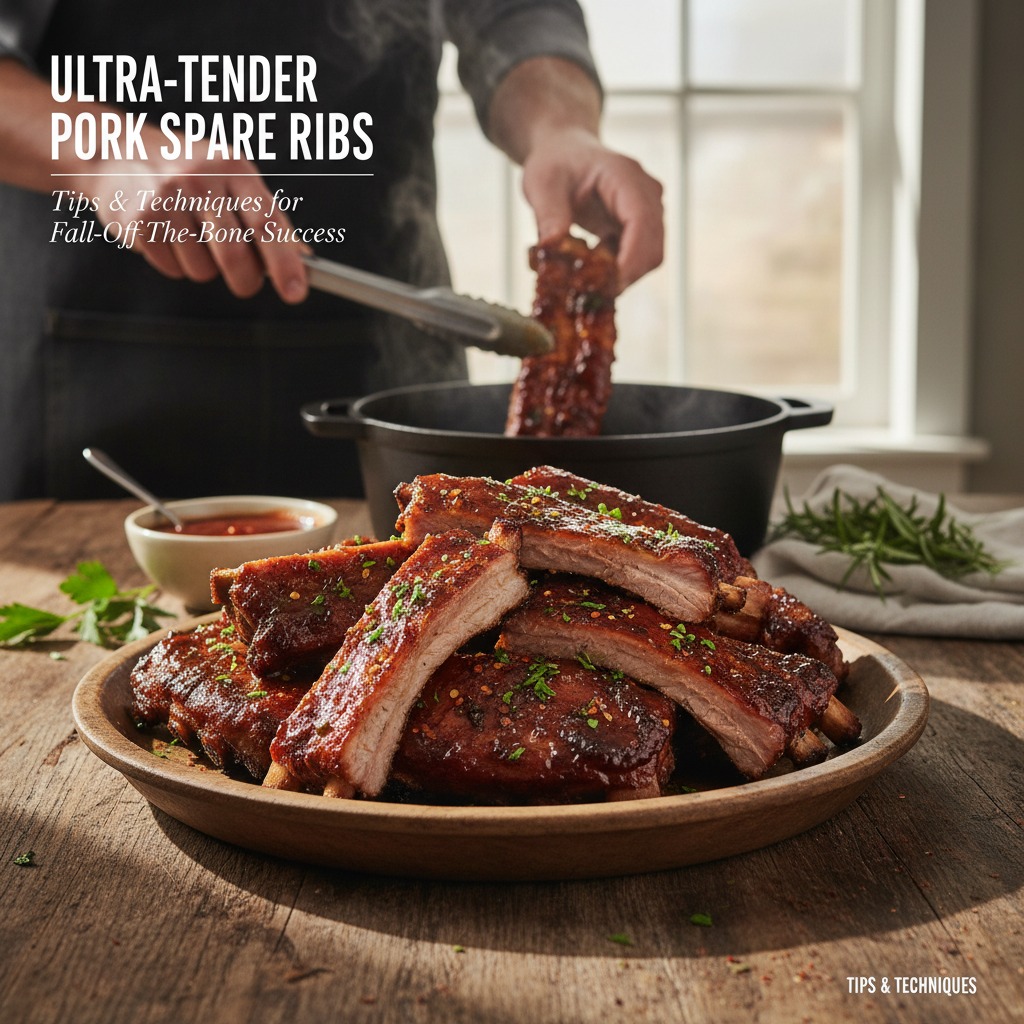
Tips & Techniques
Ultra-Tender Pork Spare Ribs: Tips & Techniques for Fall-Off-the-Bone Success
Master the craft of ultra-tender pork spare ribs with practical, no-nonsense techniques for selecting, prepping, smoking, and finishing. This guide focuses on what matters—temperature control, testing for doneness, wrapping choices, and common fixes—so your next rack comes out juicy, tender, and perfectly sauced.
Guides
Labour Day Smoking Playbook
Seven ready-to-run smoke-first menus with exact start/hold/serve timelines so you can plan an overnight pit and a stress-free Labour Day spread. Includes make-ahead side pairings, cooler-transport tips, fuel and wood picks for late-summer weather, and safety + hold strategies so hosts can relax and enjoy the holiday.
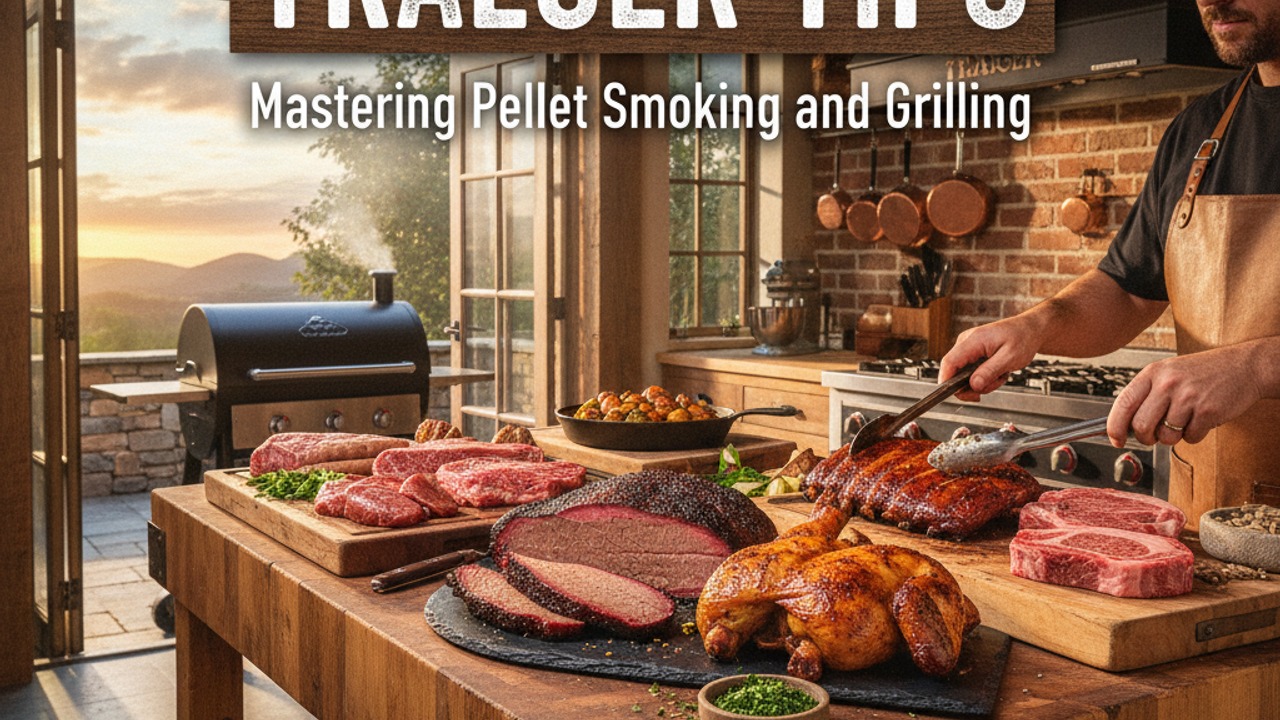
Tips & Techniques
Traeger Tips: Mastering Pellet Smoking and Grilling
Practical, hands-on Traeger tips for better smoke, cleaner maintenance, and consistently great results. Learn pellet selection, temperature control, maintenance routines, and cook-specific advice for spectacular brisket, ribs, poultry and more.
More from Smoking
View all Smoking recipes →
Smoked Chex Mix

Smoked Coffee-Chile Rubbed Pork Roast for Pellet or Offset Smokers

Smoked Pizza with Smoked Mozzarella

Smoked Pulled Pork Meal Prep

Eggs Benedict Pulled Pork

Smoked BBQ Beef Meatballs with Cherry Chipotle Glaze

Traeger Burnt Ends from Brisket Tips with Molasses Glaze

Campfire‑Smoked Potato Salad with Mustard‑Bacon Vinaigrette — A Labor Day Grilling Side for Steak

Smoked Chocolate Cake
Ask me anything about this recipe — substitutions, scaling, techniques, timing.
Powered by AI · 6 questions per 5 minutes, 30 per day