Smoked Coffee-Chile Rubbed Pork Roast for Pellet or Offset Smokers
A bold, sliceable pork roast rubbed with coffee, ancho chile and smoked paprika then slowly smoked for a deep bark and complex flavor. Perfect for weekend grilling or a special roast dinner when you want something smoky, slightly spicy and undeniably savory.
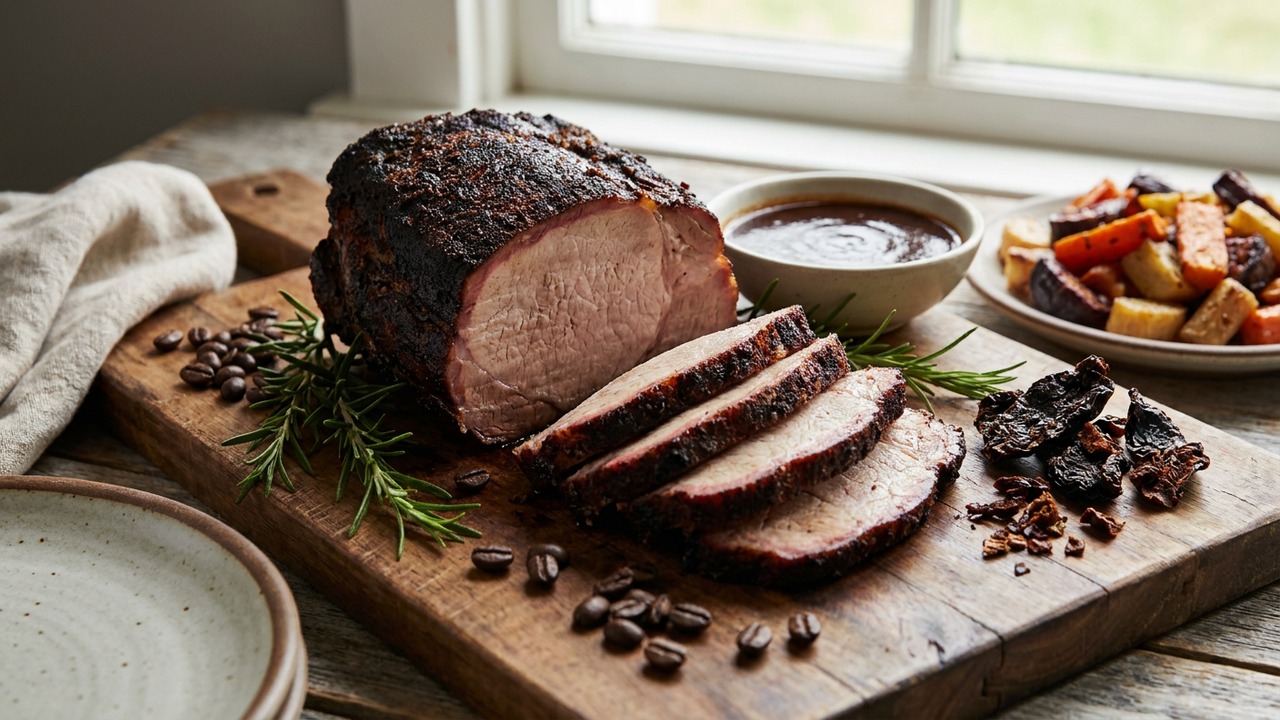
Ingredient Spotlight
Ancho chile powder
Ancho chile powder is made from dried poblano peppers (ancho is the dried form) and is a staple of Mexican cuisine. It has mild heat with sweet, fruity, raisin‑and‑chocolatey notes that add depth to rubs, moles and sauces. You’ll find it at Latin markets, well‑stocked grocery spice aisles or online. Good substitutes include pasilla or guajillo chile powders, or a blend of mild chili powder with a touch of cayenne if you need heat.
(paid link) — as an Amazon Associate we earn from qualifying purchases.
Ingredient Spotlight
Smoked paprika
Smoked paprika (Spanish pimentón) is paprika made from peppers dried over oak fires, giving it a pronounced smoky, sweet flavor typical of Spanish cooking. It lends both color and a warm smoke note to rubs, stews and roasted meats. It’s commonly available in grocery spice aisles, specialty shops or online. If you don’t have it, use regular paprika plus a small amount of chipotle powder, smoked salt or a drop of liquid smoke to mimic the smokiness.
(paid link) — as an Amazon Associate we earn from qualifying purchases.
Jake Woods's note
"This roast blends coffee bitterness and warm chile notes for a distinctive savory crust that stands up to smoke. It shines at backyard dinner parties or any time you want a show-stopping, sliceable smoked pork main."
About This Recipe
This Smoked Coffee-Chile Rubbed Pork Roast takes a simple boneless loin and turns it into something layered and memorable: bitter-sweet coffee grounds anchor the seasoning, the ancho chile delivers a rounded, fruity warmth, and smoked paprika ties everything back to the smoker so the crust tastes integrated rather than disjointed. The light brown sugar feeds a savory caramelization on the exterior while Dijon acts strictly as a tacky binder so the rub presses into the meat and forms a uniform bark. Because the roast is lean, the goal is a pronounced exterior crust and a reliably juicy interior, which you get by smoking low and slow and using a probe thermometer rather than a clock.
This version is aimed at weekend cooks who want a dinner that feels special without laborious prep: it’s sliceable enough for a composed plate or thin enough for sandwiches the next day. Pellet and offset smokers each work—choose oak or hickory for body, or a touch of apple/cherry for brightness. If you walk the roast through the stall with periodic coffee spritzes and a brief high-heat finish, you’ll end up with a roast that’s smoky, slightly spicy, and richly savory without being heavy-handed.
Ingredients for Smoked Coffee-Chile Rubbed Pork Roast for Pellet or Offset Smokers
- 3 1/2 lb Boneless pork loin roast (or center-cut pork roast)
- 2 tbsp Dijon mustard (as a binder)
- 2 tbsp Light brown sugar (packed)
- 2 tbsp Finely ground coffee or espresso
- 1 tbsp Ancho chile powder
- 1 tbsp Smoked paprika
- 1 1/2 tsp Kosher salt
- 1 tsp Freshly ground black pepper
- 1 cup Strong brewed coffee (for spritzing)
🛒 = paid link — as an Amazon Associate we earn from qualifying purchases.
How to Make Smoked Coffee-Chile Rubbed Pork Roast for Pellet or Offset Smokers
Step 1: Trim and apply the coffee-chile rub
Trim excess fat from the roast, leaving a thin fat cap for flavor. Brush the roast all over with Dijon mustard to help the rub adhere, then mix the brown sugar, ground coffee, ancho chile, smoked paprika, kosher salt and black pepper and rub evenly over the entire surface. Press the rub into the meat so it forms an even crust and let the roast sit at room temperature while you prepare the smoker, about 15–20 minutes.For this step
- 3 1/2 lbBoneless pork loin roast (or center-cut pork roast)
- 2 tbspDijon mustard (as a binder)
- 2 tbspLight brown sugar (packed)
- 2 tbspFinely ground coffee or espresso
- 1 tbspAncho chile powder
- 1 tbspSmoked paprika
- 1 1/2 tspKosher salt
- 1 tspFreshly ground black pepper
Step 2: Preheat smoker and choose wood
Preheat your pellet smoker or offset smoker to a steady 225–250°F (107–121°C). For wood, use a medium partner to coffee and pork — oak, hickory or a touch of apple or cherry are excellent choices to complement the coffee and chile notes. Make sure your smoker grate is clean and the meat probe is ready.Step 3: Smoke and spritz
Place the roast on the smoker fat-side up and insert a probe thermometer into the thickest part. Every 45–60 minutes after the first hour, lightly spritz the roast with the brewed coffee to encourage moisture and deepen the coffee flavor; avoid over-saturating the bark. Continue smoking until the internal temperature reaches about 140°F (60°C) — expect roughly 3 to 4 hours for a 3–4 lb roast, but use temperature, not time, to judge doneness.For this step
- 1 cupStrong brewed coffee (for spritzing)
Step 4: Raise heat to finish if needed
If you want a firmer bark or the roast needs color, increase the smoker temperature to 300°F (150°C) for the last 10–20 minutes, or transfer to a hot grill to briefly sear the exterior. Watch the internal temperature closely and remove the roast when it reads 140°F (60°C); carryover will bring it to a safe and juicy 145°F (63°C) during resting.Step 5: Rest and slice
Transfer the roast to a cutting board and tent loosely with foil; rest 15–20 minutes to allow juices to redistribute. Slice against the grain into 1/4–1/2-inch slices for best tenderness and serve warm.Step 6: Serve suggestions and storage
Serve slices with pickled onions, roasted vegetables or a simple chimichurri or pan jus to complement the coffee-chile crust. Refrigerate leftovers in an airtight container for up to 4 days or freeze for up to 3 months.


- Trim excess fat from the roast, leaving a thin fat cap for flavor. Brush the roast all over with Dijon mustard to help the rub adhere, then mix the brown sugar, ground coffee, ancho chile, smoked paprika, kosher salt and black pepper and rub evenly over the entire surface. Press the rub into the meat so it forms an even crust and let the roast sit at room temperature while you prepare the smoker, about 15–20 minutes.
- Preheat your pellet smoker or offset smoker to a steady 225–250°F (107–121°C). For wood, use a medium partner to coffee and pork — oak, hickory or a touch of apple or cherry are excellent choices to complement the coffee and chile notes. Make sure your smoker grate is clean and the meat probe is ready.
- Place the roast on the smoker fat-side up and insert a probe thermometer into the thickest part. Every 45–60 minutes after the first hour, lightly spritz the roast with the brewed coffee to encourage moisture and deepen the coffee flavor; avoid over-saturating the bark. Continue smoking until the internal temperature reaches about 140°F (60°C) — expect roughly 3 to 4 hours for a 3–4 lb roast, but use temperature, not time, to judge doneness.
- If you want a firmer bark or the roast needs color, increase the smoker temperature to 300°F (150°C) for the last 10–20 minutes, or transfer to a hot grill to briefly sear the exterior. Watch the internal temperature closely and remove the roast when it reads 140°F (60°C); carryover will bring it to a safe and juicy 145°F (63°C) during resting.
- Transfer the roast to a cutting board and tent loosely with foil; rest 15–20 minutes to allow juices to redistribute. Slice against the grain into 1/4–1/2-inch slices for best tenderness and serve warm.
- Serve slices with pickled onions, roasted vegetables or a simple chimichurri or pan jus to complement the coffee-chile crust. Refrigerate leftovers in an airtight container for up to 4 days or freeze for up to 3 months.
Smoked Coffee-Chile Rubbed Pork Roast for Pellet or Offset Smokers Tips
Trim for thin fat
Leave a thin fat cap (about 1/8–1/4 inch) to protect the lean loin and baste as it renders, but trim away excess fat so the rub contacts meat and forms a proper bark.
Use fresh coffee grounds
Fine, freshly ground coffee or espresso yields flavor without large grittiness; if using espresso powder, reduce quantity slightly to avoid bitterness.
Probe the thickest part
Insert your thermometer into the roast’s center to avoid false readings near fat or bone and monitor temperature rather than relying on time.
Spritz sparingly with coffee
Lightly mist every 45–60 minutes after the first hour to deepen coffee notes and maintain surface moisture, but avoid soaking the bark which can slow crust formation.
Finish with a quick sear
If the bark needs color, raise smoker temp to 300°F for the last 10–20 minutes or transfer briefly to a hot grill; watch internal temp closely during the finish.
Smoked Coffee-Chile Rubbed Pork Roast for Pellet or Offset Smokers Variations and Substitutions
Pork shoulder swap
Use a 4–5 lb bone-in pork shoulder for shreddable pulled pork—smoke longer to an internal temp of 195–205°F and the coffee‑chile profile will complement the richer fat.
Coffee-free alternative
Replace the ground coffee with 2 tbsp extra smoked paprika plus 1 tsp ground cumin for similar roastiness and warmth without coffee notes.
Amp up the heat
Add 1 tsp chipotle powder or 1 tbsp cayenne to the rub for a spicier crust that stands up to the coffee’s bitterness.
Citrus-herb finish
Serve with a zesty herb sauce made from parsley, cilantro, orange zest and olive oil instead of chimichurri to brighten the roast’s smoky, earthy flavors.
How to Store and Make Smoked Coffee-Chile Rubbed Pork Roast for Pellet or Offset Smokers Ahead
Cool slices to room temperature before refrigerating in an airtight container; they keep well for up to four days. For longer storage, freeze in a single layer on a sheet pan then transfer to a freezer bag for up to three months. Reheat gently in a 275°F oven covered with foil or in a skillet with a splash of stock or coffee to avoid drying out.
What to Serve With Smoked Coffee-Chile Rubbed Pork Roast for Pellet or Offset Smokers
Serve thin slices with pickled red onions and roasted root vegetables to balance the roast’s smoky, bittersweet notes, or present thicker slices with a pan jus or chimichurri for contrast. For drinks, a medium-bodied brown ale, a smoky mezcal cocktail, or a robust black coffee echo the flavors; for wine, try a Grenache or a young Tempranillo.
Smoked Coffee-Chile Rubbed Pork Roast for Pellet or Offset Smokers FAQs
Can I use a bone-in roast instead of boneless?
Yes—bone-in center cuts work well and add flavor, but expect longer cook time; insert the probe away from the bone to get an accurate internal temperature reading.
What if I don’t have a pellet or offset smoker?
You can approximate low-and-slow in a charcoal grill set up for indirect heat, or use a conventional oven at 225–250°F with a pan of soaked wood chips in a smoker box, though the smoke intensity will be milder.
Is 140°F the safe removal temperature?
Remove the roast at 140°F to allow carryover to 145°F during resting, which is the USDA-recommended final temperature for pork loin to be both safe and juicy.
Can I skip the coffee spritzing step?
Yes—the roast will still develop a great bark without spritzing, but light coffee mists add moisture and reinforce the coffee note; substitute unsweetened apple juice or stock if preferred.
How thick should I slice the roast?
Slice against the grain into 1/4–1/2 inch pieces for best tenderness; thinner slices are ideal for sandwiches, while thicker slices make a more dramatic plated entree.
About the author
Jake WoodsHello, I'm Jake. I started this recipe site with the idea that I hated recipe websites that overwhelm you with long stories and ads just to see plain content that's not helpful. My goal is to provide you with quality recipes, simple ideas and a fun cooking experience. There's lots of fun things to cook, and I think as you browse the site you'll find that TopShelf.Recipes is the place for quality recipes on the web.
See all recipes by Jake Woods →Ratings & Reviews
Did you make this recipe?
Be the first to share your experience.
Nutrition Facts
Per serving: 1 serving
Nutrition values are estimated from USDA ingredient data and may vary based on preparation, brands, and portion sizes. Values are provided for informational purposes only.
Keep Reading
Guides & articles for this recipe
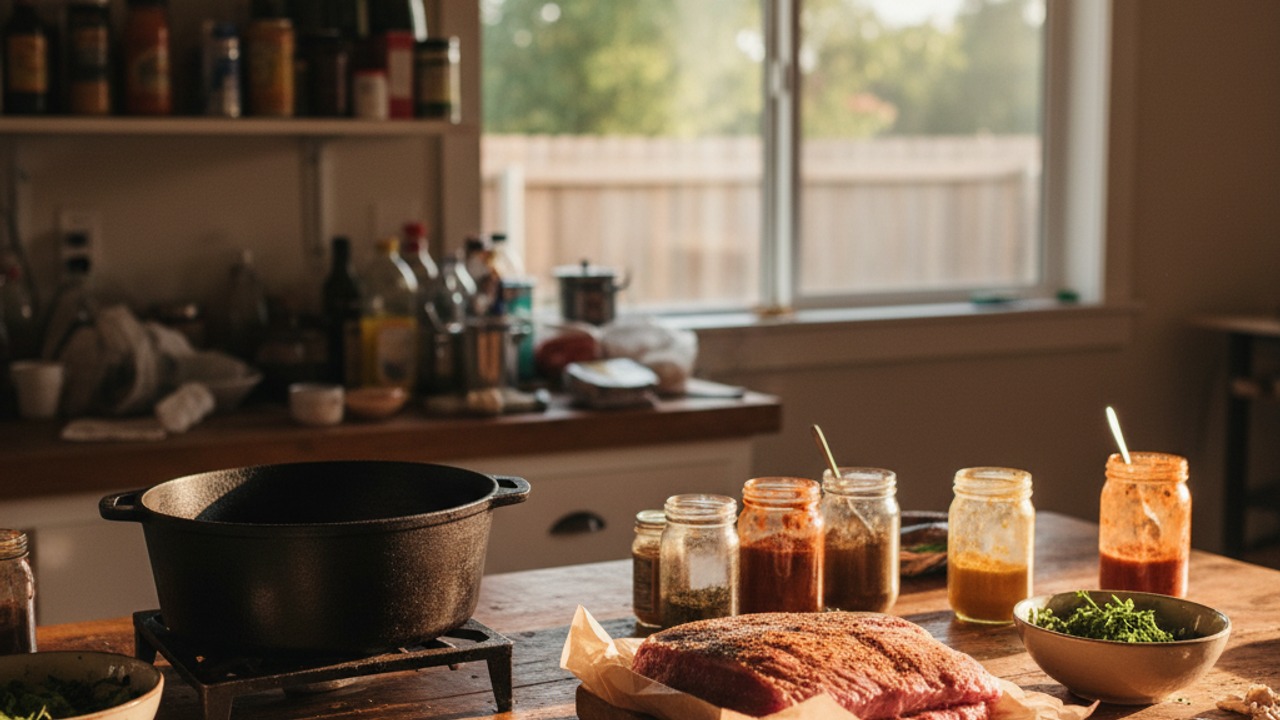
Guides
Labour Day Smoking Playbook
Seven ready-to-run smoke-first menus with exact start/hold/serve timelines so you can plan an overnight pit and a stress-free Labour Day spread. Includes make-ahead side pairings, cooler-transport tips, fuel and wood picks for late-summer weather, and safety + hold strategies so hosts can relax and enjoy the holiday.
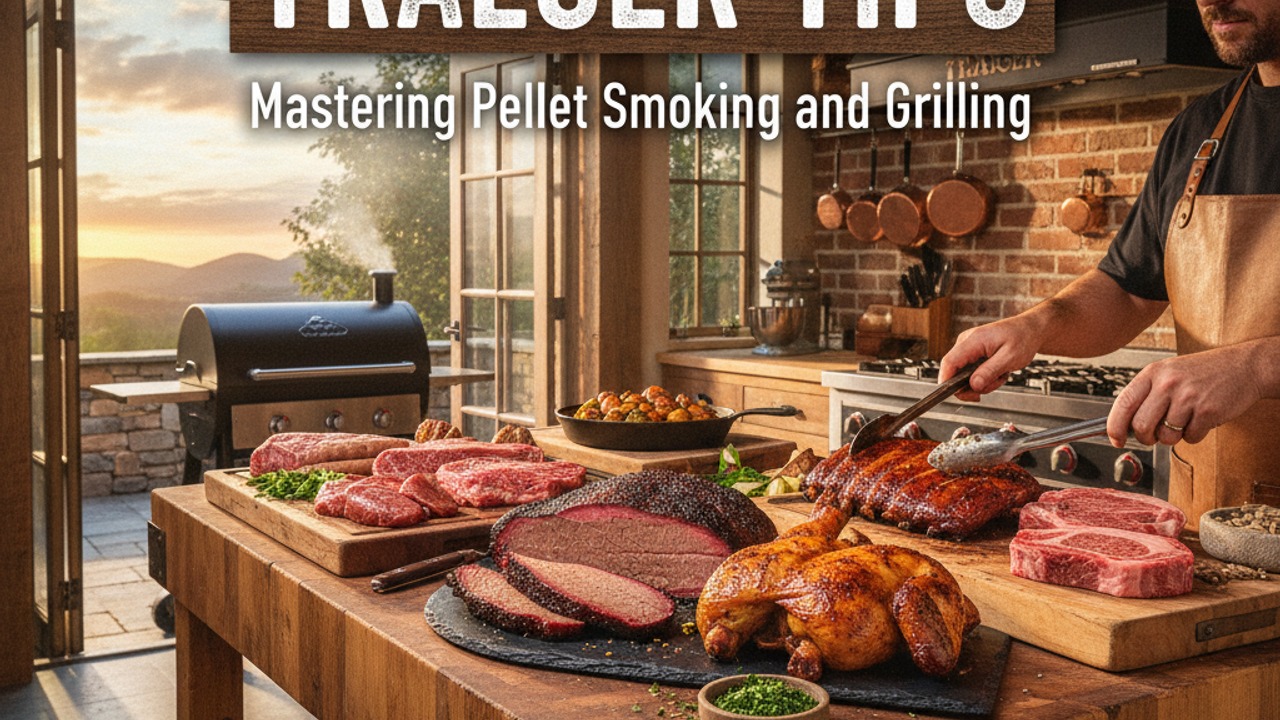
Tips & Techniques
Traeger Tips: Mastering Pellet Smoking and Grilling
Practical, hands-on Traeger tips for better smoke, cleaner maintenance, and consistently great results. Learn pellet selection, temperature control, maintenance routines, and cook-specific advice for spectacular brisket, ribs, poultry and more.

Healthy Eating
Gluten-Free Weeknight Grilling Plan
A 7-day gluten-free weeknight grilling plan with quick, family-friendly recipes, prep-ahead timelines, and a printable shopping list that spotlights late-summer produce and pantry staples. Includes clear cross-contamination safety tips and simple swaps to keep dinners fast and crowd-pleasing.
More from Smoking
View all Smoking recipes →
Smoked Chex Mix

Smoked Pizza with Smoked Mozzarella

Smoked Pulled Pork Meal Prep

Eggs Benedict Pulled Pork

Smoked BBQ Beef Meatballs with Cherry Chipotle Glaze

Traeger Burnt Ends from Brisket Tips with Molasses Glaze

Campfire‑Smoked Potato Salad with Mustard‑Bacon Vinaigrette — A Labor Day Grilling Side for Steak

Smoked Chocolate Cake

Pulled Pork Sandwiches from Traeger Smoked Pork Shoulder (Boston Butt)
Ask me anything about this recipe — substitutions, scaling, techniques, timing.
Powered by AI · 6 questions per 5 minutes, 30 per day