Pulled Pork Sandwiches from Traeger Smoked Pork Shoulder (Boston Butt)
Classic pulled pork sandwiches made from a Traeger-smoked Boston butt with an apple-juice injection, a sweet-savory dry rub, and a long low-and-slow finish for a deep bark and moist, shreddable interior. This step-by-step guide covers injection, bark development, stall management (wrapping), final pull and assembly for reliably excellent results.
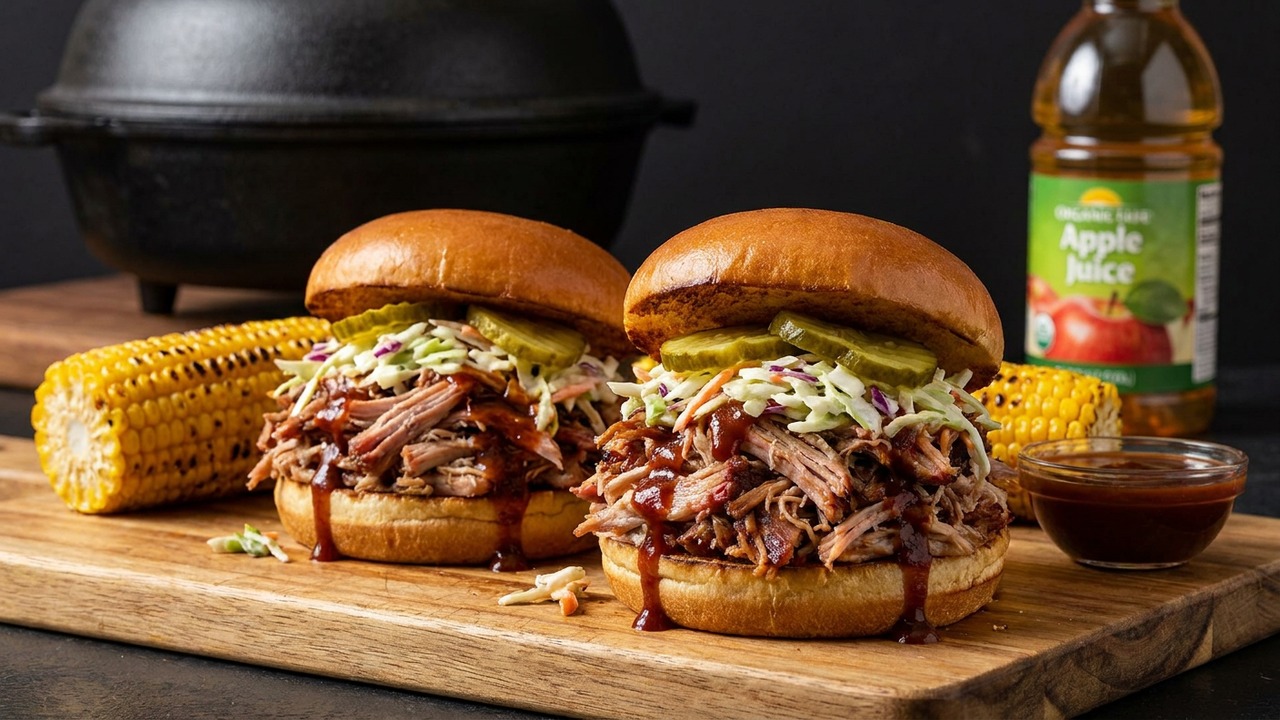
Jake Woods's note
"This recipe focuses on reliable techniques — injection for interior moisture, a proper bark-building smoke, and a targeted wrap-and-finish to beat the stall. It’s perfect for weekend backyard dinners and makes excellent leftover sandwiches for the week."
About This Recipe
Pulled pork is comfort food boiled down to texture and patience: a crusty, caramelized bark giving way to ribbons of succulent, collagen-melted meat. This version leans into a gentle sweetness from apple juice—delivered both by injection and spritzing—and a balanced sweet-savory rub that builds a deeply flavored exterior on a Traeger pellet smoker. The apple-cider in the injection keeps the interior glossy and helps the seasoning penetrate, while the mustard binder is a sneaky trick to help the dry rub cling and form an even bark rather than flavoring the meat directly.
Using a bone-in Boston butt gives you two advantages: the bone moderates heat for steadier cooking and the intramuscular fat keeps the pork forgiving during the long, low smoke. Managing the stall by wrapping at the right moment and finishing at 200–205°F ensures the connective tissue has fully rendered without drying the meat. Whether you’re feeding a crowd at a backyard game or prepping sandwiches for a week of lunches, these steps produce reliably shreddable pork that holds up when sauced and plated.
Ingredients for Pulled Pork Sandwiches from Traeger Smoked Pork Shoulder (Boston Butt)
- 6 1/2 lb Bone-in pork shoulder (Boston butt)
- 2 cups Apple juice (for injection and spritz)
- 1/4 cup Apple cider vinegar (for injection)
- 2 tbsp Kosher salt (for injection)
- 1 tbsp Brown sugar (for injection)
- 1 tsp Worcestershire sauce (for injection)
- 1/2 cup Dry rub (store-bought or homemade: brown sugar, paprika, salt, pepper, garlic & onion powders, chili)
- 2 tbsp Yellow mustard (as binder)
- 6 pieces Soft sandwich buns
- 1 cup Barbecue sauce (for serving and mixing)
How to Make Pulled Pork Sandwiches from Traeger Smoked Pork Shoulder (Boston Butt)
Step 1: Trim and inject the shoulder
Trim any loose skin and very large hard fat caps, leaving a thin fat layer for flavor. Warm the apple juice slightly and whisk together with the apple cider vinegar, kosher salt, brown sugar and Worcestershire until dissolved; load into a meat injector and inject evenly across the shoulder (about 20–30 evenly spaced injections), aiming for the thicker muscle pockets. Pat the meat dry and refrigerate uncovered 20–30 minutes if time allows to help the surface dry for a better bark.For this step
- 6 1/2 lbBone-in pork shoulder (Boston butt)
- 2 cupsApple juice (for injection and spritz)
- 1/4 cupApple cider vinegar (for injection)
- 2 tbspKosher salt (for injection)
- 1 tbspBrown sugar (for injection)
- 1 tspWorcestershire sauce (for injection)
Step 2: Apply binder and dry rub
Coat the injected pork lightly with yellow mustard — this acts as a binder, not for flavor — then apply the dry rub liberally all over, pressing it into crevices. Let the rubbed shoulder sit at room temperature while you bring the Traeger up to temperature (or refrigerate up to overnight to develop flavor); if refrigerating, return to room temp for 30–60 minutes before smoking.For this step
- 1/2 cupDry rub (store-bought or homemade: brown sugar, paprika, salt, pepper, garlic & onion powders, chili)
- 2 tbspYellow mustard (as binder)
Step 3: Smoke low and slow to build bark
Set your Traeger to 225°F (107°C) and place a probe in the thickest part of the shoulder, fat-side up so melting fat bastes the meat. Smoke until the internal temperature reaches about 165°F (74°C); for a 6–7 lb shoulder expect roughly 6–9 hours for this phase depending on pellet type and ambient conditions. During this phase spritz with apple juice every 60–90 minutes starting after the first two hours to keep the surface moist and encourage a dark, crackly bark.Step 4: Wrap and finish to stall-busting tenderness
When the shoulder hits ~165°F and the bark is set, double-wrap it tightly in heavy-duty foil or pink butcher paper with a splash (about 1/4 cup) of apple juice inside to promote steam. Increase Traeger temp to 275°F (135°C) and continue cooking until the internal temperature reaches 200–205°F (93–96°C) and the probe slides into the meat like butter — this is when connective tissue has fully broken down so the pork will shred easily. Expect another 2–4 hours depending on size.Step 5: Rest, pull and assemble sandwiches
Rest the wrapped shoulder in a cooler or oven (turned off) for at least 45–60 minutes to let juices redistribute; un-wrap and drain excess liquid, then shred with forks or bear claws, discarding large chunks of rendered fat. Mix pulled pork with barbecue sauce to taste, pile onto toasted buns and serve immediately with your favorite slaw or pickles.For this step
- 6 piecesSoft sandwich buns
- 1 cupBarbecue sauce (for serving and mixing)


- Trim any loose skin and very large hard fat caps, leaving a thin fat layer for flavor. Warm the apple juice slightly and whisk together with the apple cider vinegar, kosher salt, brown sugar and Worcestershire until dissolved; load into a meat injector and inject evenly across the shoulder (about 20–30 evenly spaced injections), aiming for the thicker muscle pockets. Pat the meat dry and refrigerate uncovered 20–30 minutes if time allows to help the surface dry for a better bark.
- Coat the injected pork lightly with yellow mustard — this acts as a binder, not for flavor — then apply the dry rub liberally all over, pressing it into crevices. Let the rubbed shoulder sit at room temperature while you bring the Traeger up to temperature (or refrigerate up to overnight to develop flavor); if refrigerating, return to room temp for 30–60 minutes before smoking.
- Set your Traeger to 225°F (107°C) and place a probe in the thickest part of the shoulder, fat-side up so melting fat bastes the meat. Smoke until the internal temperature reaches about 165°F (74°C); for a 6–7 lb shoulder expect roughly 6–9 hours for this phase depending on pellet type and ambient conditions. During this phase spritz with apple juice every 60–90 minutes starting after the first two hours to keep the surface moist and encourage a dark, crackly bark.
- When the shoulder hits ~165°F and the bark is set, double-wrap it tightly in heavy-duty foil or pink butcher paper with a splash (about 1/4 cup) of apple juice inside to promote steam. Increase Traeger temp to 275°F (135°C) and continue cooking until the internal temperature reaches 200–205°F (93–96°C) and the probe slides into the meat like butter — this is when connective tissue has fully broken down so the pork will shred easily. Expect another 2–4 hours depending on size.
- Rest the wrapped shoulder in a cooler or oven (turned off) for at least 45–60 minutes to let juices redistribute; un-wrap and drain excess liquid, then shred with forks or bear claws, discarding large chunks of rendered fat. Mix pulled pork with barbecue sauce to taste, pile onto toasted buns and serve immediately with your favorite slaw or pickles.
Pulled Pork Sandwiches from Traeger Smoked Pork Shoulder (Boston Butt) Tips
Injection pattern
Space 20–30 shallow injections across the thickest meat pockets rather than a few deep ones to distribute moisture evenly without creating liquid channels.
Control spritzing
Start spritzing only after two hours and limit to a quick mist every 60–90 minutes so you add moisture without washing away bark formation.
Mustard binder trick
Use a thin even coat of yellow mustard; it won’t add mustard flavor but gives the rub something to adhere to and promotes an even bark.
Wrapping timing
Wrap at around 165°F when the bark has set but the stall begins—this traps steam to push through the stall while preserving the exterior texture.
Probe ‘butter’ test
Don’t rely only on temperature; 200–205°F is the target, but the probe should slide in like butter—that tactile test ensures the collagen is fully broken down.
Pulled Pork Sandwiches from Traeger Smoked Pork Shoulder (Boston Butt) Variations and Substitutions
Apple-cider Carolina
Skip the barbecue sauce and toss shredded pork with a tangy North Carolina–style vinegar sauce (apple cider vinegar, sugar, red pepper flakes) for a brighter, lighter sandwich.
Bourbon-apple injection
Replace half the apple juice with a splash of bourbon in the injector for warm caramel notes that pair well with brown-sugar-forward rubs.
Spicy Memphis twist
Amp up the dry rub with extra cayenne and smoked paprika, and serve with a mop of spicy tomato-based Memphis sauce for more heat and smoke complexity.
Boneless shoulder option
Use a boneless 5–6 lb shoulder if you prefer easier handling; reduce initial smoke time slightly and expect a little less insulation from the absent bone.
How to Store and Make Pulled Pork Sandwiches from Traeger Smoked Pork Shoulder (Boston Butt) Ahead
Store pulled pork in an airtight container in the refrigerator for up to 3–4 days or freeze in portioned vacuum bags for up to 3 months. Reheat gently at 250°F wrapped in foil with a couple tablespoons of apple juice or broth to restore moisture, or warm in a covered skillet over low heat; avoid high heat microwaving which can dry the meat.
What to Serve With Pulled Pork Sandwiches from Traeger Smoked Pork Shoulder (Boston Butt)
Pile pulled pork high on toasted brioche or potato rolls and offer a sharp, vinegar-based slaw for contrast and crunch; dill pickle chips and quick-pickled red onions add bright acidity. Serve with baked beans or smoked mac and cheese and pair the meal with a crisp hard cider, an amber ale, or an ice-cold cola to balance the richness.
Pulled Pork Sandwiches from Traeger Smoked Pork Shoulder (Boston Butt) FAQs
Can I skip the injection?
Yes—many great pulled porks are made without injection; the injection speeds flavor penetration and helps with juiciness over very long cooks, but a well-marbled shoulder and a good rub will still produce excellent results.
Do I need to use bone-in shoulder?
Bone-in shoulders give steadier cooking and slightly better flavor from marrow, but boneless shoulders work fine and are easier to trim and portion if you prefer convenience.
How do I know when the pork is done?
Target 200–205°F internal, but verify by feel: a probe should glide into the meat with almost no resistance; if the temp is right but it’s still tight, give it more time to break down.
Why wrap at 165°F instead of later?
Wrapping at about 165°F helps push through the stall by trapping steam and speeding thermal transfer while preserving the set bark; wrapping too early can soften the crust, too late may prolong the stall and dry the exterior.
How often should I spritz and with what?
Spritz every 60–90 minutes starting after two hours with apple juice or a 50/50 apple juice–apple cider vinegar mix to add moisture and encourage a deep colored bark without over-wetting the surface.
About the author
Jake WoodsHello, I'm Jake. I started this recipe site with the idea that I hated recipe websites that overwhelm you with long stories and ads just to see plain content that's not helpful. My goal is to provide you with quality recipes, simple ideas and a fun cooking experience. There's lots of fun things to cook, and I think as you browse the site you'll find that TopShelf.Recipes is the place for quality recipes on the web.
See all recipes by Jake Woods →Ratings & Reviews
Did you make this recipe?
Be the first to share your experience.
Nutrition Facts
Per serving: 1 sandwich
Nutrition values are estimated from USDA ingredient data and may vary based on preparation, brands, and portion sizes. Values are provided for informational purposes only.
Keep Reading
Guides & articles for this recipe
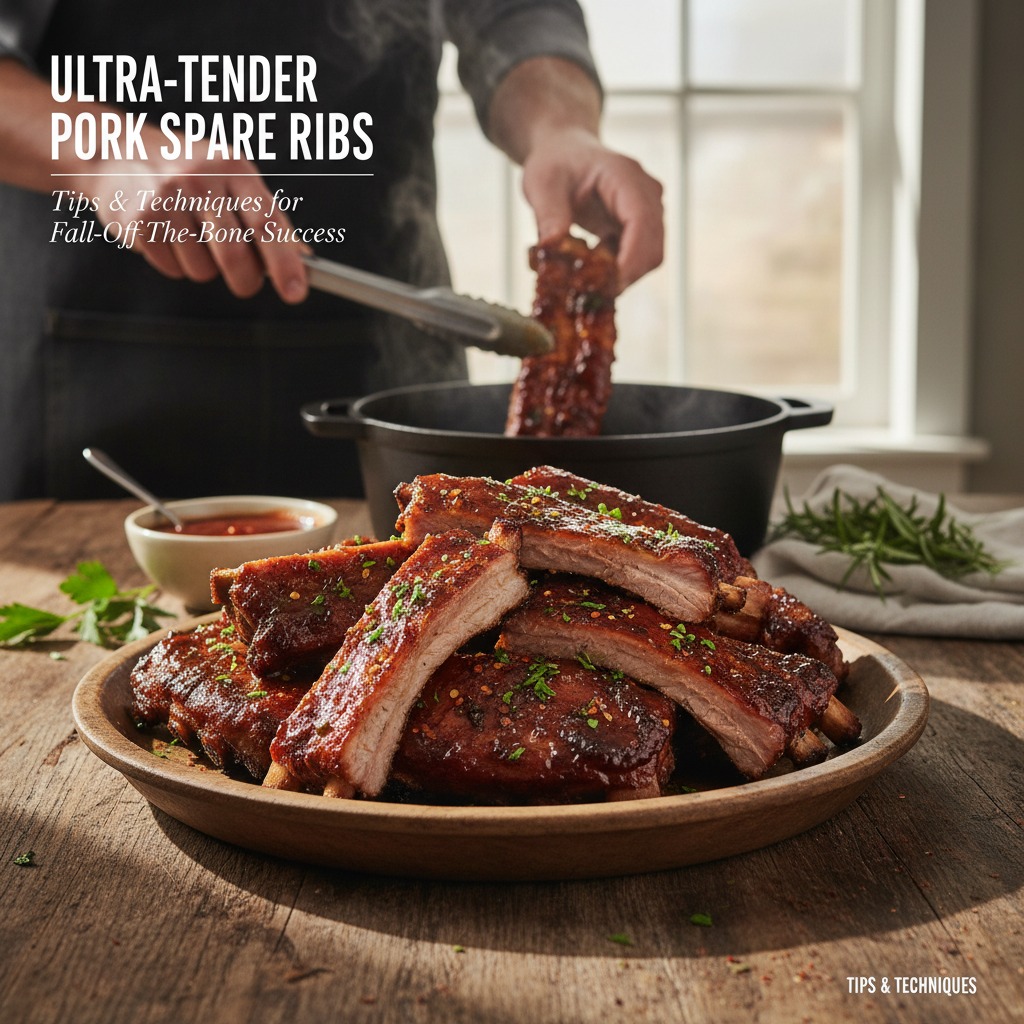
Tips & Techniques
Ultra-Tender Pork Spare Ribs: Tips & Techniques for Fall-Off-the-Bone Success
Master the craft of ultra-tender pork spare ribs with practical, no-nonsense techniques for selecting, prepping, smoking, and finishing. This guide focuses on what matters—temperature control, testing for doneness, wrapping choices, and common fixes—so your next rack comes out juicy, tender, and perfectly sauced.
Guides
Labour Day Smoking Playbook
Seven ready-to-run smoke-first menus with exact start/hold/serve timelines so you can plan an overnight pit and a stress-free Labour Day spread. Includes make-ahead side pairings, cooler-transport tips, fuel and wood picks for late-summer weather, and safety + hold strategies so hosts can relax and enjoy the holiday.
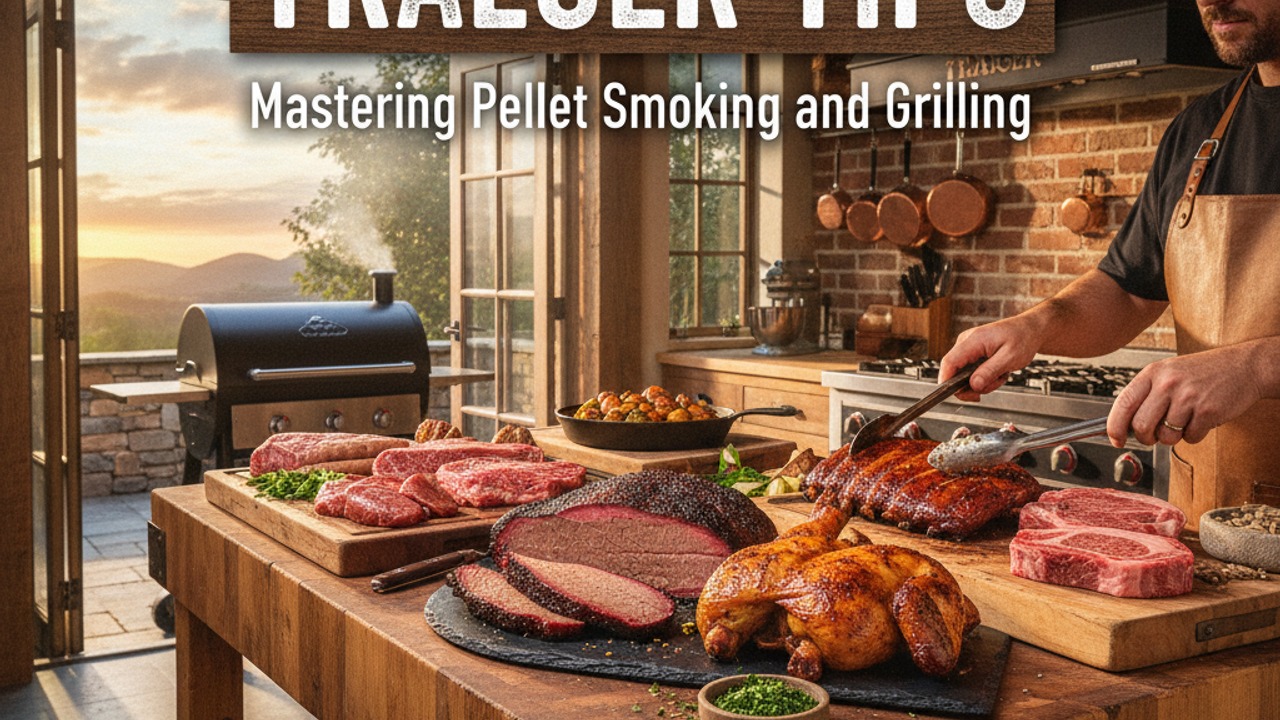
Tips & Techniques
Traeger Tips: Mastering Pellet Smoking and Grilling
Practical, hands-on Traeger tips for better smoke, cleaner maintenance, and consistently great results. Learn pellet selection, temperature control, maintenance routines, and cook-specific advice for spectacular brisket, ribs, poultry and more.
More from Smoking
View all Smoking recipes →
Smoked Chex Mix

Smoked Coffee-Chile Rubbed Pork Roast for Pellet or Offset Smokers

Smoked Pizza with Smoked Mozzarella

Smoked Pulled Pork Meal Prep

Eggs Benedict Pulled Pork

Smoked BBQ Beef Meatballs with Cherry Chipotle Glaze

Traeger Burnt Ends from Brisket Tips with Molasses Glaze

Campfire‑Smoked Potato Salad with Mustard‑Bacon Vinaigrette — A Labor Day Grilling Side for Steak

Smoked Chocolate Cake
Ask me anything about this recipe — substitutions, scaling, techniques, timing.
Powered by AI · 6 questions per 5 minutes, 30 per day