30-Min Gochujang Honey Grilled Chicken
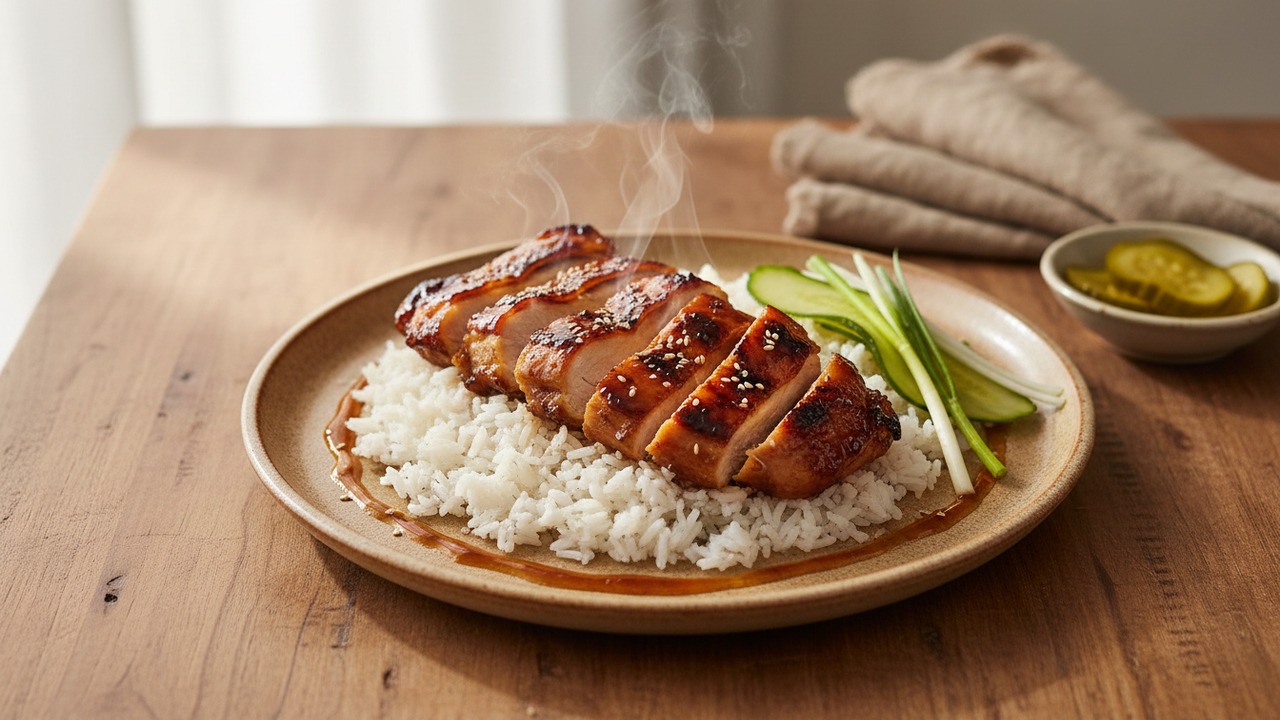
Sticky, sweet-spicy gochujang-honey chicken thighs get a fast char on the grill for a trendy K‑BBQ–style weeknight dinner. Finished with quick‑pickled cucumbers and crisp scallions, it’s ready in 30 minutes and works great over rice or wrapped in lettuce.
Ingredient Spotlight
Gochujang (regular; use gluten‑free gochujang for GF)
Gochujang is a Korean fermented red chili paste made from chili powder, glutinous rice, fermented soybeans and salt; it delivers a complex spicy-sweet-umami flavor with a thick, sticky texture and a mildly fermented aroma. It’s central to many Korean dishes (like bibimbap and marinades) and adds heat plus depth rather than just straightforward spice. Find it in Asian/Korean markets, many supermarkets, or online; for a quick substitute blend miso (or soybean paste) with chili paste (sambal oelek or chile flakes) and honey or brown sugar to approximate the sweet-fermented umami.
Ingredient Spotlight
Soy sauce (or tamari for gluten‑free)
Tamari is a Japanese-style soy condiment that’s traditionally a byproduct of miso production and is often made with little or no wheat, making many varieties naturally gluten-free. It tastes richer and less sharp than standard Chinese-style soy sauce, with a slightly thicker mouthfeel and deeper umami notes. You can find tamari in the international or health-food aisle, at Asian markets, or online; if you need soy-free instead of just gluten-free, coconut aminos is a milder, sweeter substitute.
Ingredient Spotlight
Sesame oil
Sesame oil—especially the dark toasted variety—is made from roasted sesame seeds and is prized in East Asian and Middle Eastern cuisines for its intense nutty aroma and flavor; it’s typically used as a finishing oil or in low-heat applications rather than high-heat frying. A little goes a long way because of its strong, toasty scent that flavors dressings, marinades and glazes. It’s widely available in supermarkets and Asian stores; if you don’t have toasted sesame oil, a small amount of toasted sesame seeds or a light drizzle of a neutral oil mixed with a touch of tahini can mimic some of the nuttiness (or use a lighter sesame oil for cooking, keeping flavor differences in mind).
(paid link) — as an Amazon Associate we earn from qualifying purchases.
Jake Woods's note
"This is a quick, sticky K‑BBQ take you can make any weeknight — all the char and bold flavor with minimal fuss. Swap to tamari and gluten‑free gochujang for an easy gluten‑free dinner option."
About This Recipe
This 30‑minute gochujang‑honey grilled chicken is the kind of weeknight recipe that tastes like you spent longer than you did: sticky, slightly charred edges and a glossy, lacquered finish that clings to tender boneless thighs. Gochujang’s fermented chile base delivers savory, umami heat that honey mellows into a deep caramelized sweetness, while soy, sesame oil and garlic add savory backbone; quick‑pickled cucumbers and raw scallions cut through the richness with bright acid and crunch. Thighs are forgiving and naturally juicy, so they stand up to the high heat required for that K‑BBQ char without drying out.
What makes this version work is the split‑glaze technique — half the sauce flavors the meat quickly, while the reserved half is saved for late basting so you get sticky, caramelized sheen without burning the sugars. The short marinade time keeps this recipe realistic for busy evenings, and the combination of vinegar, sesame and garlic gives the glaze real depth rather than just heat and sweetness. If you want bold Korean‑inspired flavors fast — for family dinners, casual get‑togethers, or lettuce‑wrap nights — this is a reliable, crowd‑pleasing template.
Ingredients for 30-Min Gochujang Honey Grilled Chicken
- 1 1/2 lb Boneless, skinless chicken thighs
- 1/3 cup Gochujang (regular; use gluten‑free gochujang for GF)
- 3 tbsp Honey
- 3 tbsp Soy sauce (or tamari for gluten‑free)
- 2 tbsp Rice vinegar (total; split: 1 tbsp for glaze, 1 tbsp for pickles)
- 3 cloves Garlic, minced (about 3 medium cloves)
- 1 tbsp Sesame oil
- 1 medium Cucumber (Persian or English), thinly sliced
- 1 tbsp Neutral oil for grilling (vegetable or canola)
- 2 stalks Scallions, thinly sliced (for garnish)
🛒 = paid link — as an Amazon Associate we earn from qualifying purchases.
How to Make 30-Min Gochujang Honey Grilled Chicken
Step 1: Make the gochujang‑honey glaze
Whisk together the gochujang, 1 tbsp rice vinegar, honey, soy sauce (or tamari for GF), minced garlic, and sesame oil in a bowl until smooth and glossy. Taste and adjust balance — add a splash more soy/tamari for salt, or a little extra honey if you want it sweeter. Spoon half the glaze into a small bowl and set aside to use for basting; the remaining glaze will marinade the chicken.For this step
- 1/3 cupGochujang (regular; use gluten‑free gochujang for GF)
- 3 tbspHoney
- 3 tbspSoy sauce (or tamari for gluten‑free)
- 3 clovesGarlic, minced (about 3 medium cloves)
- 1 tbspSesame oil
Step 2: Quick‑marinate the chicken
Toss the chicken thighs in the reserved half of the glaze until well coated, then set on a plate and let sit at room temperature for 8–12 minutes while you prep the pickles and heat the grill. This short marinade lets the paste adhere and begin flavoring the meat without needing hours.For this step
- 1 1/2 lbBoneless, skinless chicken thighs
Step 3: Quick‑pickle the cucumbers
Thinly slice the cucumber and place in a bowl with the remaining 1 tbsp rice vinegar and a generous pinch of salt; toss and let sit for at least 8–10 minutes so the cucumbers soften and pick up tang. Drain excess liquid before serving — these bright pickles add a fresh counterpoint to the sticky chicken.For this step
- 1 mediumCucumber (Persian or English), thinly sliced
Step 4: Preheat and oil the grill
Heat a gas or charcoal grill to medium‑high (about 400–450°F / 200–230°C). Brush the grates with the neutral oil (use tongs and an oiled paper towel) to prevent sticking. When hot, transfer the marinated thighs to the grill, skin‑side down if there was skin, or just flat if not.For this step
- 1 tbspNeutral oil for grilling (vegetable or canola)
Step 5: Grill, baste and rest
Grill the thighs 3–5 minutes per side until deeply charred in spots and cooked through (internal temperature 165°F / 74°C). In the last 1–2 minutes of cooking, brush the reserved glaze over each side once or twice so it caramelizes into a sticky finish. Remove to a cutting board and let rest 5 minutes before slicing.Step 6: Slice, garnish and serve
Slice the thighs against the grain and arrange over steamed rice or set out lettuce leaves for DIY wraps. Top with the quick‑pickled cucumbers and sliced scallions; pass extra glaze if you like it saucy. For a gluten‑free meal, use tamari and certified gluten‑free gochujang. Store leftovers covered in the fridge up to 3 days.For this step
- 2 stalksScallions, thinly sliced (for garnish)


- Whisk together the gochujang, 1 tbsp rice vinegar, honey, soy sauce (or tamari for GF), minced garlic, and sesame oil in a bowl until smooth and glossy. Taste and adjust balance — add a splash more soy/tamari for salt, or a little extra honey if you want it sweeter. Spoon half the glaze into a small bowl and set aside to use for basting; the remaining glaze will marinade the chicken.
- Toss the chicken thighs in the reserved half of the glaze until well coated, then set on a plate and let sit at room temperature for 8–12 minutes while you prep the pickles and heat the grill. This short marinade lets the paste adhere and begin flavoring the meat without needing hours.
- Thinly slice the cucumber and place in a bowl with the remaining 1 tbsp rice vinegar and a generous pinch of salt; toss and let sit for at least 8–10 minutes so the cucumbers soften and pick up tang. Drain excess liquid before serving — these bright pickles add a fresh counterpoint to the sticky chicken.
- Heat a gas or charcoal grill to medium‑high (about 400–450°F / 200–230°C). Brush the grates with the neutral oil (use tongs and an oiled paper towel) to prevent sticking. When hot, transfer the marinated thighs to the grill, skin‑side down if there was skin, or just flat if not.
- Grill the thighs 3–5 minutes per side until deeply charred in spots and cooked through (internal temperature 165°F / 74°C). In the last 1–2 minutes of cooking, brush the reserved glaze over each side once or twice so it caramelizes into a sticky finish. Remove to a cutting board and let rest 5 minutes before slicing.
- Slice the thighs against the grain and arrange over steamed rice or set out lettuce leaves for DIY wraps. Top with the quick‑pickled cucumbers and sliced scallions; pass extra glaze if you like it saucy. For a gluten‑free meal, use tamari and certified gluten‑free gochujang. Store leftovers covered in the fridge up to 3 days.
30-Min Gochujang Honey Grilled Chicken Tips
Even piece thickness
Trim excess fat and press or butterfly thicker thighs so all pieces are similar in size; even thickness ensures uniform cooking and prevents small pieces from drying out.
Reserve glaze for basting
Always set aside glaze before it touches raw chicken so you can safely baste during the final minutes and let the sugars caramelize without contamination.
High heat, short cook
Use a hot grill (400–450°F) and cook 3–5 minutes per side to get good char quickly; overcooking will dry thighs, so rely on an instant‑read thermometer to hit 165°F.
Oil grates, not chicken
Brush grates with a neutral oil using a folded, oiled paper towel and tongs to prevent sticking; a lightly oiled grate promotes those seared marks without excess flare‑ups.
Finish low and slow if needed
If flare‑ups appear, move thighs to a cooler zone and finish with the reserved glaze over lower heat to avoid burning the sugars while still achieving lacquered shine.
30-Min Gochujang Honey Grilled Chicken Variations and Substitutions
Lean option: chicken breast
Use thin‑sliced or pounded boneless breasts and reduce grilling time to 2–3 minutes per side; watch closely to avoid drying and rest briefly before slicing.
Vegan swap: pressed tofu
Press extra‑firm tofu, coat with the marinade and grill on a rack or cast‑iron skillet until charred, basting at the end for the same sticky finish; firm seared cauliflower steaks also work.
Smokier profile
Use charcoal or add a small handful of soaked wood chips, or stir 1 tsp smoked paprika into the glaze for a pronounced smoke note that pairs well with the sweet chile.
Lower sugar, extra tang
Cut the honey by half and add an extra 1–2 tsp rice vinegar or a squeeze of lime to brighten the glaze while keeping the gochujang focus.
How to Store and Make 30-Min Gochujang Honey Grilled Chicken Ahead
Store leftover sliced chicken in an airtight container in the refrigerator for up to 3 days; keep any unused glaze separate to avoid soggy meat. Reheat gently in a low oven (300°F) or in a skillet with a splash of water or reserved glaze to restore moisture and gloss; microwaving will work but can toughen the chicken.
What to Serve With 30-Min Gochujang Honey Grilled Chicken
Serve over steamed jasmine rice or short‑grain rice to soak up the glaze, or present DIY lettuce leaves (butter or romaine) for wrap‑style eating with pickles. Complement with quick kimchi, a cold sesame cucumber salad, and a crisp lager, chilled soju, or a citrusy white wine like dry Riesling for balance.
30-Min Gochujang Honey Grilled Chicken FAQs
Can I use chicken breasts instead of thighs?
Yes — pound breasts to even thickness or slice them thin, and reduce grill time to 2–3 minutes per side to avoid drying; monitor with an instant‑read thermometer and remove at about 160–162°F to rest to 165°F.
How spicy will this be and can I adjust it?
Gochujang is more savory‑spicy than tongue‑numbing heat; reduce heat by cutting the gochujang amount or increasing honey and vinegar, or boost spice with extra gochujang, gochugaru, or a dash of hot sauce if you want it hotter.
Why do you split the glaze into marinade and basting portions?
Splitting prevents the basting sauce from being contaminated by raw chicken while allowing you to add a fresh, high‑sugar glaze at the end that caramelizes for a shiny, sticky finish without overcooking the meat.
Can I make the glaze ahead of time?
Yes — you can mix the glaze up to 4–5 days ahead and keep it refrigerated, but reserve a portion before adding raw chicken for basting; once a batch has contacted raw poultry, treat it as marinade and don’t reuse for serving unless boiled.
How do I avoid the glaze burning on the grill?
Apply the reserved glaze only in the last 1–2 minutes of cooking, and baste in thin layers; if flames flare or sugar begins to blacken, move the chicken to a cooler part of the grill and finish over indirect heat.
About the author
Jake WoodsHello, I'm Jake. I started this recipe site with the idea that I hated recipe websites that overwhelm you with long stories and ads just to see plain content that's not helpful. My goal is to provide you with quality recipes, simple ideas and a fun cooking experience. There's lots of fun things to cook, and I think as you browse the site you'll find that TopShelf.Recipes is the place for quality recipes on the web.
See all recipes by Jake Woods →Ratings & Reviews
Did you make this recipe?
Be the first to share your experience.
Nutrition Facts
Per serving: 4 oz thigh
Nutrition values are estimated from USDA ingredient data and may vary based on preparation, brands, and portion sizes. Values are provided for informational purposes only.
Keep Reading
Guides & articles for this recipe

Cocktails & Drinks
Shakerless Cocktails for Backyard Grilling
Easy, tool-free cocktail recipes designed for backyard grilling and outdoor hangs. Find single-serve and batch formulas, quick portable infusions, improvised gear hacks, and simple cocktail pairings for grilled meats and vegetables.

Healthy Eating
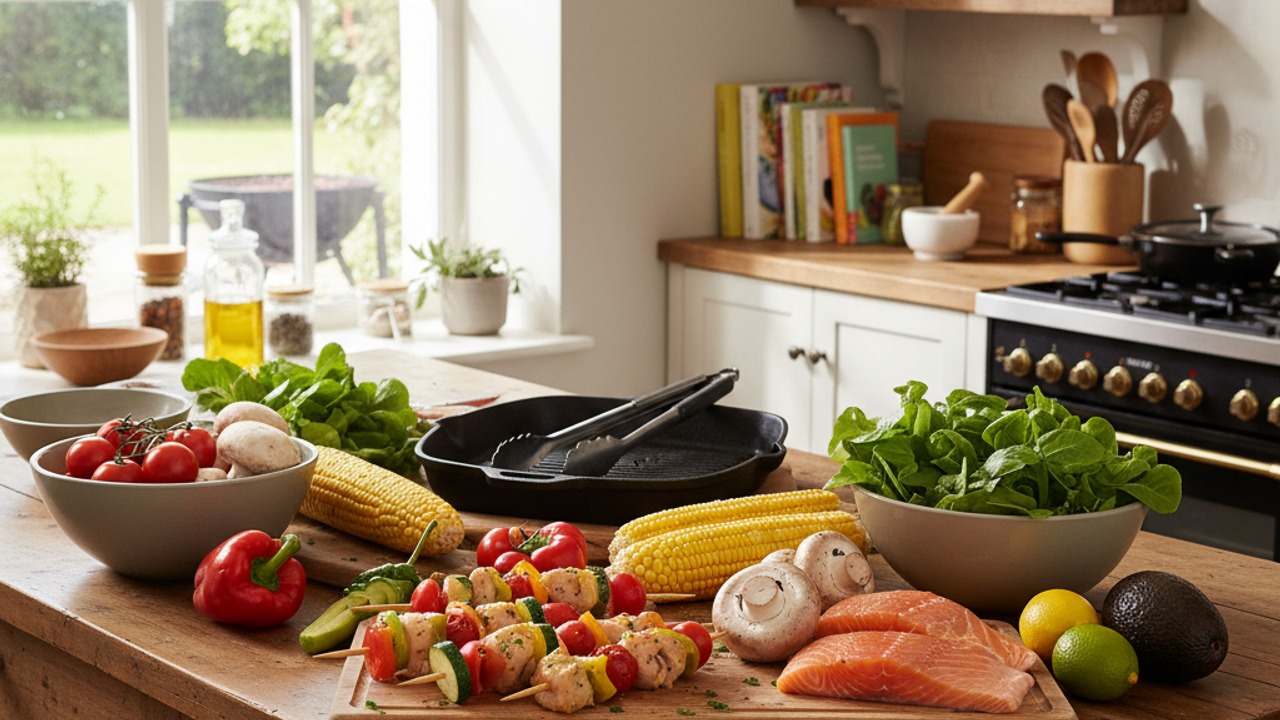
Lean Labor Day Grilling Menu
A Labor Day grilling guide that swaps heavy BBQ classics for lighter, flavorful options—think lean proteins, charred vegetables, and low‑sugar sauces. Includes make-ahead meal prep, portioning tips, and a short shopping checklist for healthy, crowd-pleasing cookouts.
Guides
Grilling and Nutrition
An evidence-based guide that explains how grilling, charring, and smoking change vitamins, proteins, and fats and the health risks of over-charring. Practical strategies for home cooks on timing, temperature, marinades, fuel choice, and smart side pairings to maximize nutrients without losing bold grilled flavor.
More from Grilling
View all Grilling recipes →
Grilled Shrimp & Charred Corn Warm Salad

Smoky Grilled Meringue Skewers

Charred Caramel Apple Pretzel Bites

Coffee‑Chile Rubbed Flank Steak Tacos with Charred Pineapple Salsa

Grilled Ras el Hanout Chicken Thighs with Charred Apricot-Chickpea Tagine

Cedar-Plank Grilled Swordfish Steaks with Warm Olive-Tomato Tapenade and Charred Fennel-Orange Salad

Grilled Chocolate-Stuffed Pumpkin Bites

Grilled Flatbread Crostini with Whipped Feta, Charred Cherry Tomatoes & Basil Oil

Coffee-Rubbed Grilled Flank Steak with Chimichurri
Ask me anything about this recipe — substitutions, scaling, techniques, timing.
Powered by AI · 6 questions per 5 minutes, 30 per day