Asparagus Carbonara with Pancetta and Spring Peas
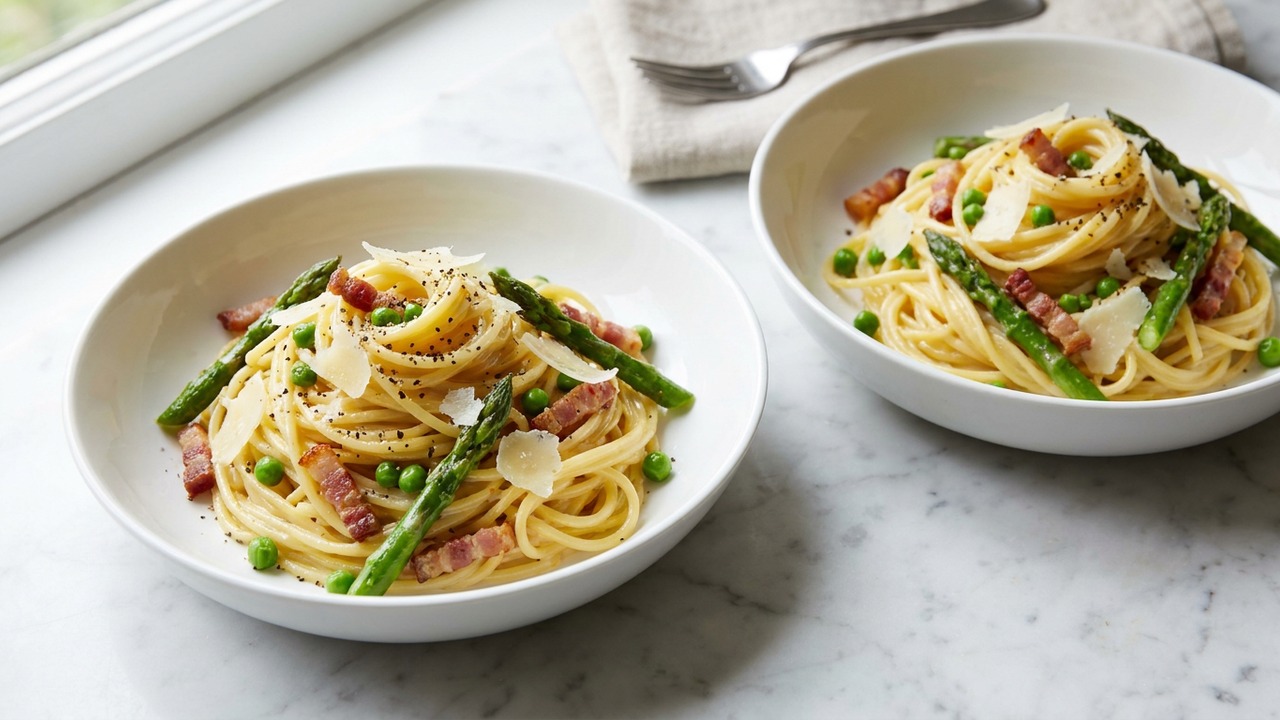
A spring-forward carbonara that brightens classic eggs-and-cheese sauce with tender asparagus and sweet spring peas, balanced by salty crisp pancetta. Ready in about 30 minutes, this stovetop pasta is an elegant weeknight main that feels celebratory.
Ingredient Spotlight
pancetta
Pancetta is an Italian cured pork belly, similar to bacon but typically unsmoked and seasoned with salt and spices; it originates from Italy and is used frequently in Roman cooking. It has a rich, porky flavor with a silky mouthfeel and a salty, mildly spiced aroma that renders well for sautéing. Find pancetta at well-stocked grocery stores, Italian delis, or butcher counters; good substitutes are guanciale (more authentic for some Roman dishes) or unsmoked bacon if pancetta is unavailable.
Ingredient Spotlight
Pecorino Romano
Pecorino Romano is a hard, salty Italian cheese made from sheep’s milk, traditionally from the Lazio and Sardinia regions of Italy. It tastes sharper, saltier, and tangier than Parmigiano-Reggiano, with a slightly oily, granular texture and a pronounced savory bite that stands up well in pasta dishes. You can buy it at grocery stores, specialty cheese shops, or Italian markets; a common substitute is Parmigiano-Reggiano or Grana Padano (use a bit more for saltiness), and note that authentic Pecorino Romano is often made with animal rennet.
Jake Woods's note
"This riffs on traditional carbonara by folding in bright spring vegetables — it’s perfect for a light dinner when asparagus and peas are in season. Home cooks will love how the sauce comes together on the stovetop with just a little reserved pasta water."
About This Recipe
Bright, simple, and completely of-the-season, this Asparagus Carbonara with Pancetta and Spring Peas turns a classic Roman moment into a fresh spring supper. The backbone of the dish is still the elegant egg-and-cheese emulsion that clings to each strand of spaghetti, but the quick-blanched asparagus and peas add a pop of vegetal sweetness and a tender snap that contrasts beautifully with the salty, rendered fat of crisped pancetta. A generous grating of Pecorino (or Parmigiano) lifts the savory profile and gives the sauce the umami depth that makes carbonara feel indulgent without cream.
What makes this version work at home is timing and restraint: blanching the vegetables in the pasta water keeps everything coordinated and bright, while finishing the eggs off the heat produces a glossy, silky sauce rather than scrambled curds. It’s a 30-minute dinner that reads celebratory — great for a weeknight that deserves a little extra or for a simple spring dinner party — and it rewards cooks who balance heat, seasoning, and a few generous turns of the pepper mill. Keep your Pecorino close; you’ll want more for finishing.
Ingredients for Asparagus Carbonara with Pancetta and Spring Peas
- 12 oz spaghetti
- 1 tbsp kosher salt (for pasta water)
- 8 oz asparagus, trimmed and cut into 1" pieces
- 1 cup spring peas (fresh or frozen)
- 6 oz pancetta, diced
- 1 tbsp extra-virgin olive oil
- 3 large large eggs
- 1 cup Pecorino Romano, finely grated (or Parmigiano-Reggiano)
- 1 tsp freshly ground black pepper
How to Make Asparagus Carbonara with Pancetta and Spring Peas
Step 1: Boil pasta and blanch vegetables
Bring a large pot of water to a rolling boil and add the kosher salt. Add the spaghetti and cook per package directions until just shy of al dente; when the pasta has about 3 minutes left, add the asparagus pieces and peas to the boiling water to blanch until bright and tender. Before draining, reserve about 1 to 1 1/2 cups (240–360 ml) of the starchy cooking water, then drain the pasta and vegetables together.For this step
- 12 ozspaghetti
- 1 tbspkosher salt (for pasta water)
- 8 ozasparagus, trimmed and cut into 1" pieces
- 1 cupspring peas (fresh or frozen)
Step 2: Crisp the pancetta
While the pasta cooks, heat a large skillet over medium heat and add the olive oil and diced pancetta. Cook, stirring occasionally, until the pancetta is browned and the fat is rendered, about 6–8 minutes. If the pan looks too dry, add a splash of the reserved pasta water; reduce heat to low and keep the pancetta and its fat in the skillet.For this step
- 6 ozpancetta, diced
- 1 tbspextra-virgin olive oil
Step 3: Whisk eggs and cheese
In a medium bowl, whisk the eggs with the grated Pecorino Romano and the freshly ground black pepper until smooth and slightly frothy. This mixture will create the silky carbonara sauce when combined with the hot pasta—no cream needed.For this step
- 3 largelarge eggs
- 1 cupPecorino Romano, finely grated (or Parmigiano-Reggiano)
- 1 tspfreshly ground black pepper
Step 4: Toss pasta with pancetta and finish the sauce
Return the drained pasta, asparagus, and peas to the skillet with the pancetta off direct heat (the pan should be warm but not simmering). Quickly pour the egg-cheese mixture over the pasta and toss vigorously with tongs or a fork to coat; add reserved pasta water a few tablespoons at a time as needed until the sauce is glossy and clings to the noodles. Work quickly so the eggs thicken into a creamy sauce without scrambling—adjust seasoning with salt and more pepper to taste.Step 5: Plate and serve
Divide the carbonara among plates or bowls, grate extra Pecorino over the top and finish with a crack of black pepper. Serve immediately so the sauce stays silky and the vegetables remain bright.


- Bring a large pot of water to a rolling boil and add the kosher salt. Add the spaghetti and cook per package directions until just shy of al dente; when the pasta has about 3 minutes left, add the asparagus pieces and peas to the boiling water to blanch until bright and tender. Before draining, reserve about 1 to 1 1/2 cups (240–360 ml) of the starchy cooking water, then drain the pasta and vegetables together.
- While the pasta cooks, heat a large skillet over medium heat and add the olive oil and diced pancetta. Cook, stirring occasionally, until the pancetta is browned and the fat is rendered, about 6–8 minutes. If the pan looks too dry, add a splash of the reserved pasta water; reduce heat to low and keep the pancetta and its fat in the skillet.
- In a medium bowl, whisk the eggs with the grated Pecorino Romano and the freshly ground black pepper until smooth and slightly frothy. This mixture will create the silky carbonara sauce when combined with the hot pasta—no cream needed.
- Return the drained pasta, asparagus, and peas to the skillet with the pancetta off direct heat (the pan should be warm but not simmering). Quickly pour the egg-cheese mixture over the pasta and toss vigorously with tongs or a fork to coat; add reserved pasta water a few tablespoons at a time as needed until the sauce is glossy and clings to the noodles. Work quickly so the eggs thicken into a creamy sauce without scrambling—adjust seasoning with salt and more pepper to taste.
- Divide the carbonara among plates or bowls, grate extra Pecorino over the top and finish with a crack of black pepper. Serve immediately so the sauce stays silky and the vegetables remain bright.
Asparagus Carbonara with Pancetta and Spring Peas Tips
Blanch with the Pasta
Add the asparagus and peas in the last 2–3 minutes of the pasta’s cook time to ensure they’re bright and tender without overcooking.
Warm Eggs Slightly
Let eggs sit at room temperature while the pasta cooks so they temper less when hit by hot noodles, reducing the risk of scrambling.
Reserve Starchy Water
Save at least 1 cup of pasta water and add it a few tablespoons at a time to loosen the sauce and help it cling to the spaghetti.
Finish Off Heat
Always combine the egg-cheese mixture with the pasta off direct heat and toss quickly; residual warmth cooks the eggs gently into a creamy emulsion.
Crisp Pancetta Thoroughly
Render the pancetta until the edges are golden and some fat has released—these brown bits add both texture and concentrated savory flavor.
Asparagus Carbonara with Pancetta and Spring Peas Variations and Substitutions
Guanciale for Authenticity
Swap pancetta for guanciale if you can find it—its richer, pork-jowl fat gives a deeper porky flavor that’s traditional in Roman carbonara.
Vegetarian Version
Omit the pancetta and sauté thinly sliced cremini or shiitake with a touch of smoked paprika, then finish with a lemon zest to add savory and smoky notes.
Seafood Twist
Add quickly sautéed shrimp at the same time you toss the pasta for a shellfish variation; cook shrimp separately and fold in last to avoid overcooking.
Gluten-free Swap
Use a gluten-free spaghetti and be mindful the cooking time may differ; the same starch-to-water principle applies, so reserve some cooking liquid.
How to Store and Make Asparagus Carbonara with Pancetta and Spring Peas Ahead
Leftover carbonara is best eaten the same day but will keep in an airtight container in the fridge for up to 48 hours. Reheat gently in a skillet over low heat with a splash of water or stock, tossing constantly; adding an extra egg yolk off heat or a little grated cheese just before serving helps revive creaminess. Avoid microwave reheating at high power, which often causes the sauce to split.
What to Serve With Asparagus Carbonara with Pancetta and Spring Peas
Serve with a simple arugula salad dressed in lemon vinaigrette to cut the richness and echo the spring notes in the pasta. Offer crusty bread to sop up any leftover sauce and a chilled, crisp white such as Pinot Grigio, Soave, or a lively Vermentino; for red lovers, a light-bodied Chianti works well.
Asparagus Carbonara with Pancetta and Spring Peas FAQs
Can I use frozen peas?
Yes—frozen peas are fine; add them to the boiling pasta for the last 2–3 minutes so they thaw and cook through without getting mushy.
Why did my eggs scramble?
Scrambling happens when the pan or pasta is too hot; always remove the skillet from direct heat before adding the egg-cheese mixture and toss quickly, adding starchy water to moderate temperature and create a smooth sauce.
Is cream needed for a silky sauce?
No—properly emulsified egg yolks, cheese, and starchy pasta water produce a glossy, velvety sauce; cream would make the dish heavier and move it away from traditional carbonara.
How can I scale this recipe up?
Increase pasta and other ingredients proportionally and use a very large pot to maintain proper water-to-pasta ratio; you may need to work in batches when tossing with the egg mixture to ensure even coating.
Can I make components ahead?
Yes—cook and refrigerate the pancetta and blanched vegetables separately; cook the pasta slightly under al dente and recombine and finish with eggs just before serving for best texture.
About the author
Jake WoodsHello, I'm Jake. I started this recipe site with the idea that I hated recipe websites that overwhelm you with long stories and ads just to see plain content that's not helpful. My goal is to provide you with quality recipes, simple ideas and a fun cooking experience. There's lots of fun things to cook, and I think as you browse the site you'll find that TopShelf.Recipes is the place for quality recipes on the web.
See all recipes by Jake Woods →Ratings & Reviews
Did you make this recipe?
Be the first to share your experience.
Nutrition Facts
Per serving: about 1¼ cups
Nutrition values are estimated from USDA ingredient data and may vary based on preparation, brands, and portion sizes. Values are provided for informational purposes only.
Keep Reading
Guides & articles for this recipe
Guides
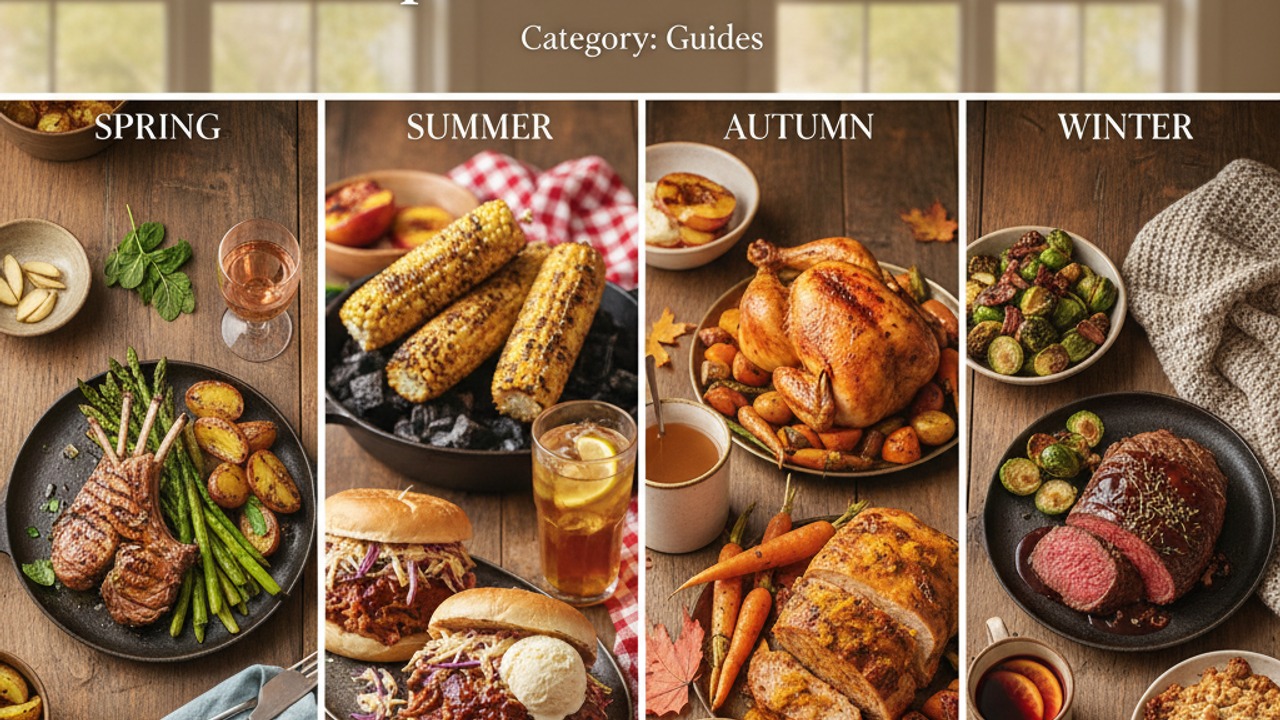
Seasonal Favorites: 3 Popular Grill & Roast Recipes for Each Season
A practical, year-round grilling and roasting guide with three crowd-pleasing, outdoor-friendly recipes per season. Includes peak-produce shopping tips, quick ingredient swaps, and serving & pairing ideas to keep menus fresh and simple all year.

Recipes
DIY Edible Monster Eyes Candy
Make safe, fun edible monster eyes for cupcakes, cookies, and candy trays. Step-by-step recipes show baking-soda balls, chocolate and fondant eyes, wafer-print options, plus assembly, storage, and kid-friendly safety tips.

Recipes
No-Bake Funny Halloween Treats: 15 Quick Recipes
15 no-bake, funny Halloween treats that busy hosts can assemble in minutes — kid-friendly sweets, savory bites, and easy cocktails that don’t need an oven. Built for last-minute parties, with pantry-staple shortcuts and quick decoration ideas.
More from Stovetop
View all Stovetop recipes →
South Chicago Packing 100% Pure Tallow Popcorn with Browned Butter and Chili

Beef Ragu One-Pot

Truffle Mac and Cheese

Spaghetti Carbonara (Classic, 20-Minute)

Coffee‑Chile Rubbed Flank Steak Tacos with Charred Pineapple Salsa

Baja Fish Tacos

Low-Sugar Honey Garlic Chicken Breast (Honey-Reduced, High Flavor)

Grilled Ras el Hanout Chicken Thighs with Charred Apricot-Chickpea Tagine

Classic Bacon-Balsamic Brussels Sprouts — Crispy Roast Beef Side
Ask me anything about this recipe — substitutions, scaling, techniques, timing.
Powered by AI · 6 questions per 5 minutes, 30 per day