Traditional Cream-Fried Eggs
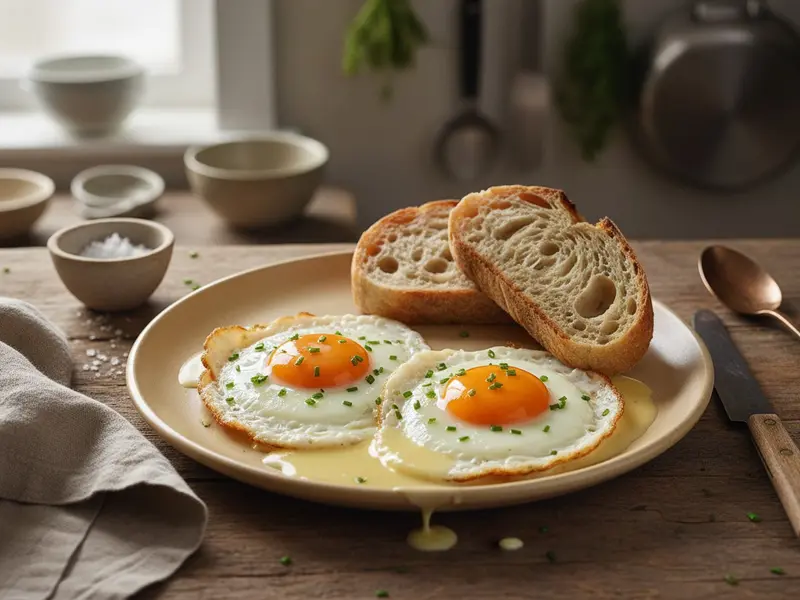
Simple, traditional, cream, eggs, salt. A quick, old-fashioned way to cook eggs: gently fried in butter, then finished with a spoonful of reduced cream and a sprinkle of salt for a silky, comforting plate that’s ready in minutes.
Jake Woods's note
"Simple, traditional, cream, eggs, salt. This humble recipe shines for a relaxed weekend breakfast or a comforting light supper — home cooks will appreciate how a little cream and a pinch of salt elevate plain fried eggs into something special."
About This Recipe
This is one of those deceptively simple preparations that feels luxuriously old-fashioned: eggs fried gently in butter and finished with a spoonful of reduced heavy cream so the whole pan becomes a gleaming, velvety sauce. The magic happens in the brief reduction of the cream, which intensifies flavor and thickens enough to cling to whites and yolks without overpowering them, while the butter gives a soft nuttiness and a satin mouthfeel. Spoon-basting the eggs as they cook keeps the whites tender and the yolks glossy, creating a contrast of textures that’s quietly indulgent.
It shines as a weekday treat when you want something fast but special, or as a pared-back brunch course when other components are simple—think crusty bread and maybe some lightly dressed greens. This version works because the timing is short and forgiving: reduce the cream just enough to thicken, keep the heat low so the dairy never scorches, and salt at the moment you add the eggs to help season without drawing out moisture. Use the freshest eggs you can find; their bright yolks and clean flavor make the cream feel even richer.
Ingredients for Traditional Cream-Fried Eggs
- 2 tbsp unsalted butter
- 1/2 cup heavy cream
- 4 count large eggs
- 1/2 tsp salt
- a pinch black pepper
- 2 slices crusty bread
How to Make Traditional Cream-Fried Eggs
Step 1: Warm the pan and melt butter
Active 2 min
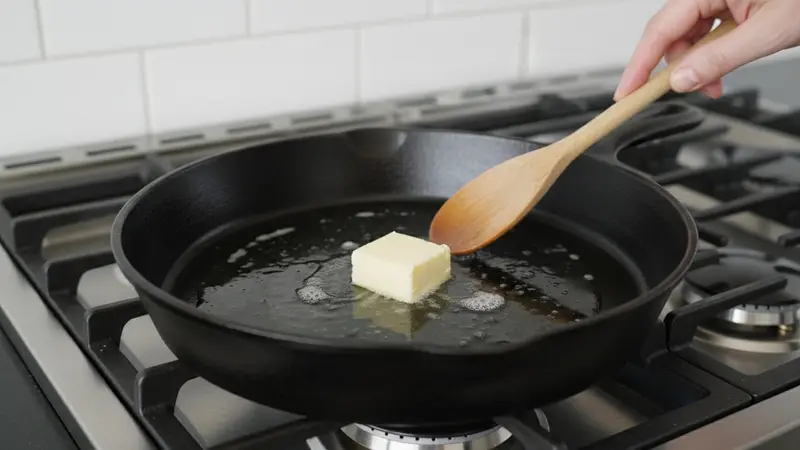
Place a 10-inch (25 cm) skillet over medium heat. Add the unsalted butter and let it melt, swirling the pan so the butter coats the surface and begins to foam but does not brown.For this step
- 2 tbspunsalted butter
Step 2: Add and reduce the cream
Active 3 min · Passive 1 min
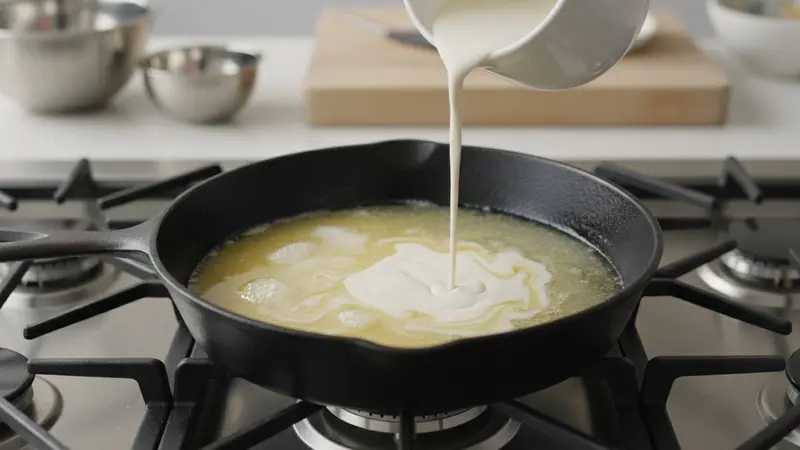
Pour the heavy cream into the skillet with the melted unsalted butter. Stir briefly and let the cream come to a gentle simmer, reducing for about 1–2 minutes until slightly thickened — keep the heat medium-low so it does not scorch.For this step
- 1/2 cupheavy cream
Step 3: Fry the eggs and season
Active 5 min · Passive 1 min
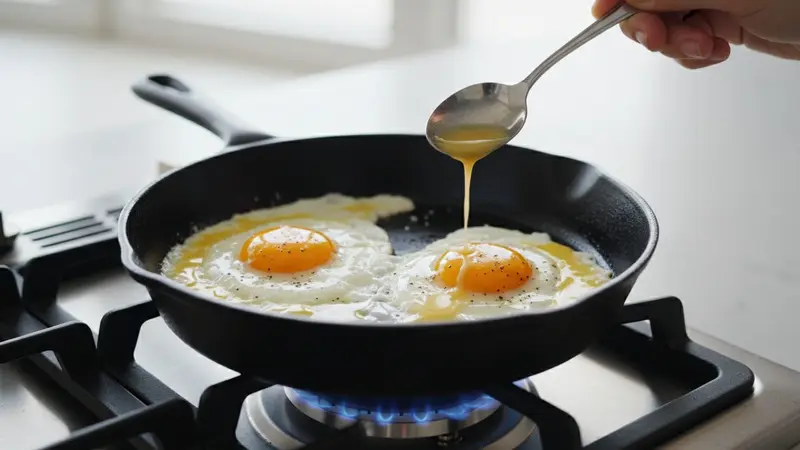
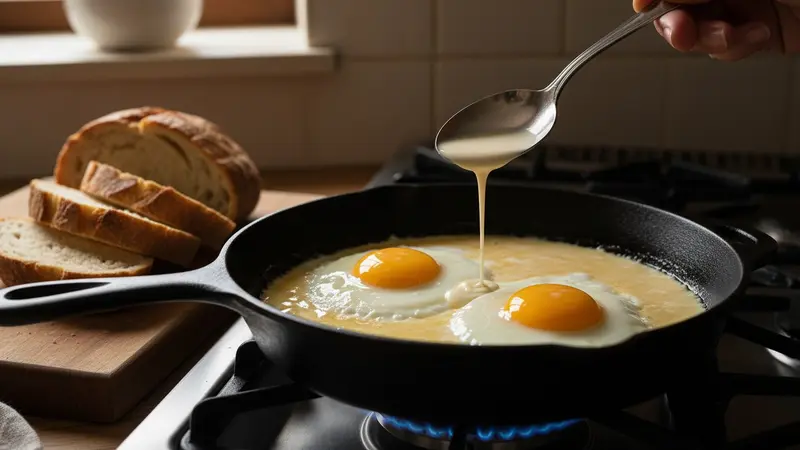
Crack the large eggs directly into the skillet spaced apart. Immediately sprinkle each egg with salt and a little black pepper. Cook, occasionally spooning the hot cream and melted unsalted butter over the egg whites and yolks, until the whites are set but yolks remain tender, about 3–5 minutes depending on doneness preference.For this step
- 4 countlarge eggs
- 1/2 tspsalt
- a pinchblack pepper
Step 4: Finish and serve with bread
Active 3 min
If desired, spoon a final coating of the warm cream over the eggs, then transfer the eggs to plates and serve alongside the crusty bread for dipping. Use the bread to mop up the rich cream and yolk — this recipe serves 2 (one plate per person).For this step
- 2 slicescrusty bread
Step 5: Rest briefly and enjoy
Active 1 min
Let the plated eggs sit 30–60 seconds to settle so the cream clings to the yolks, then eat while warm. Adjust additional salt at the table if desired.
- Place a 10-inch (25 cm) skillet over medium heat. Add the unsalted butter and let it melt, swirling the pan so the butter coats the surface and begins to foam but does not brown.
- Pour the heavy cream into the skillet with the melted unsalted butter. Stir briefly and let the cream come to a gentle simmer, reducing for about 1–2 minutes until slightly thickened — keep the heat medium-low so it does not scorch.
- Crack the large eggs directly into the skillet spaced apart. Immediately sprinkle each egg with salt and a little black pepper. Cook, occasionally spooning the hot cream and melted unsalted butter over the egg whites and yolks, until the whites are set but yolks remain tender, about 3–5 minutes depending on doneness preference.
- If desired, spoon a final coating of the warm cream over the eggs, then transfer the eggs to plates and serve alongside the crusty bread for dipping. Use the bread to mop up the rich cream and yolk — this recipe serves 2 (one plate per person).
- Let the plated eggs sit 30–60 seconds to settle so the cream clings to the yolks, then eat while warm. Adjust additional salt at the table if desired.
Traditional Cream-Fried Eggs Tips
Use fresh eggs
Fresher eggs have firmer whites and rounder yolks that hold up during gentle frying, giving a better contrast between set white and tender center.
Foam, don’t brown
Melt the butter until it foams but stops short of browning to keep the flavor sweet and avoid bitter notes that compete with the cream.
Reduce cream first
Bring the cream to a gentle simmer and reduce for 1–2 minutes until slightly thickened so it clings to the eggs without running off the plate.
Baste continuously
Spoon the hot cream and butter over the egg whites and yolks while they cook to ensure even heat and a glossy finish.
Crack into a bowl
Cracking eggs into a small bowl before adding them to the pan helps place them precisely and lets you remove any shell fragments quickly.
Traditional Cream-Fried Eggs Variations and Substitutions
Herbed finish
Stir a tablespoon of finely chopped chives, tarragon, or parsley into the reduced cream off the heat for a fresh lift that cuts the richness.
Cheesy comfort
Stir 2 tablespoons of grated Parmigiano-Reggiano or Pecorino into the cream as it reduces for a savory, umami depth — watch salt levels closely.
Smoked salmon twist
Top the finished eggs with thin slices of smoked salmon and a scattering of dill for a brunch-worthy pairing that adds texture and salt.
Lower-fat swap
Use half-and-half instead of heavy cream and reduce a little longer to thicken; the result is lighter but slightly less silky, so serve immediately.
How to Store and Make Traditional Cream-Fried Eggs Ahead
These eggs are best eaten right away; the cream and yolk texture change as they cool. If you must store leftovers, keep them in an airtight container in the refrigerator for up to 24 hours and reheat gently in a low oven (275°F/135°C) for 5–8 minutes or briefly in a skillet until warmed through, spooning any accumulated liquid back over the eggs.
What to Serve With Traditional Cream-Fried Eggs
Serve with slices of warm, crusty bread or a toasted country loaf for mopping up the sauce and yolk, and offer a small bowl of coarse sea salt at the table. A simple peppery arugula salad with lemon vinaigrette cuts the richness, while a crisp sparkling wine or a medium-bodied coffee complements the dish for brunch.
Traditional Cream-Fried Eggs FAQs
How do I keep the cream from splitting?
Keep the heat low and avoid boiling; bring the cream to a gentle simmer and reduce briefly. If the cream starts to separate, remove the pan from heat immediately and whisk in a small knob of cold butter to bring it back together.
Can I make this for more people?
Use a larger skillet or cook in batches; overcrowding causes uneven cooking. For larger quantities, reduce the cream in a separate pan and add the eggs to a big skillet, finishing by spooning the reduced cream over the eggs.
Should I salt before or after cooking?
Salt the eggs immediately after cracking into the pan to season both whites and yolks; if you prefer, finish with a sprinkle of flaky salt to add texture and a bright burst of flavor.
My yolks overcook — how can I get them runny?
Lower the heat and shorten the cooking time; baste frequently and remove the pan from heat when whites set but still slightly glossy. Residual heat will finish them while preserving a runny center.
Can I use non-dairy cream?
You can try full-fat coconut cream for a dairy-free version, but it will add a coconut note; reduce gently and taste as you go to balance the flavor.
About the author
Jake WoodsHello, I'm Jake. I started this recipe site with the idea that I hated recipe websites that overwhelm you with long stories and ads just to see plain content that's not helpful. My goal is to provide you with quality recipes, simple ideas and a fun cooking experience. There's lots of fun things to cook, and I think as you browse the site you'll find that TopShelf.Recipes is the place for quality recipes on the web.
See all recipes by Jake Woods →Ratings & Reviews
Did you make this recipe?
Be the first to share your experience.
Nutrition Facts
Per serving: 1 serving
Nutrition values are estimated from USDA ingredient data and may vary based on preparation, brands, and portion sizes. Values are provided for informational purposes only.
Keep Reading
Guides & articles for this recipe
Recipes
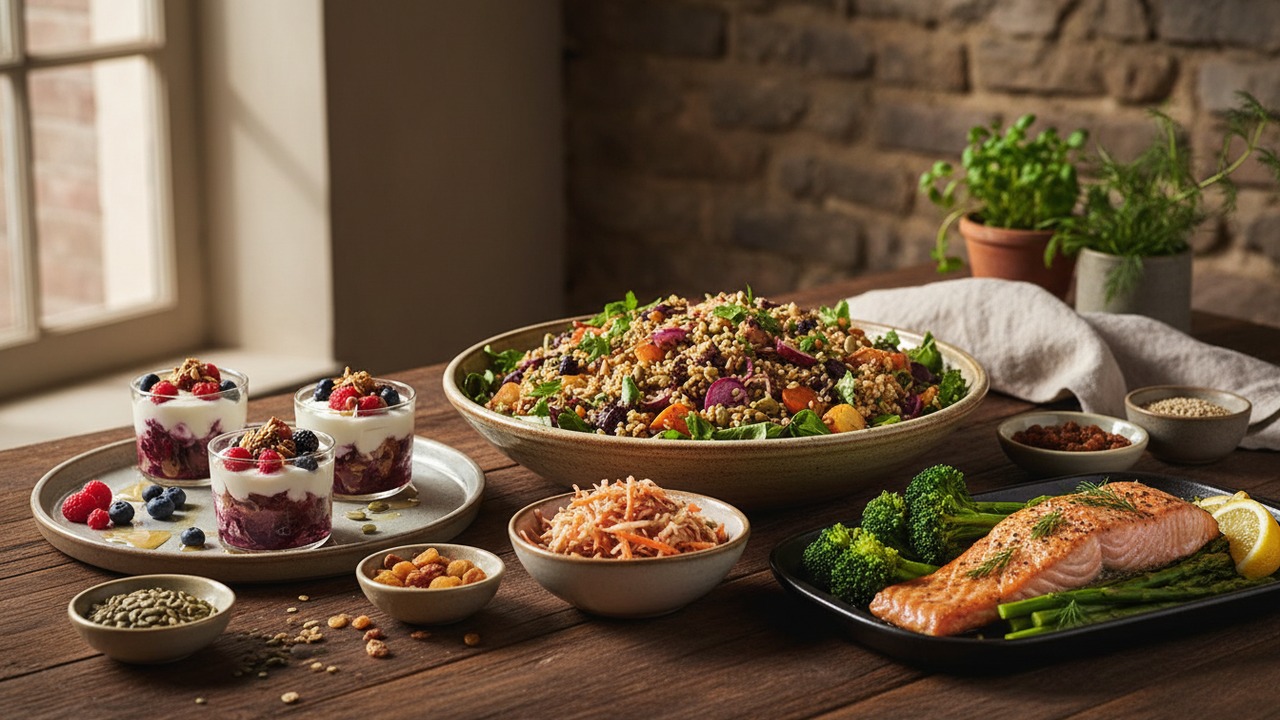
Gut-Healthy Recipe Roundup
A practical collection of recipes that emphasize fiber, prebiotics, and fermented foods to support a diverse microbiome. Mix breakfasts, snacks, bowls and mains to build meals that feel good to eat and are gentle on digestion.
Recipes
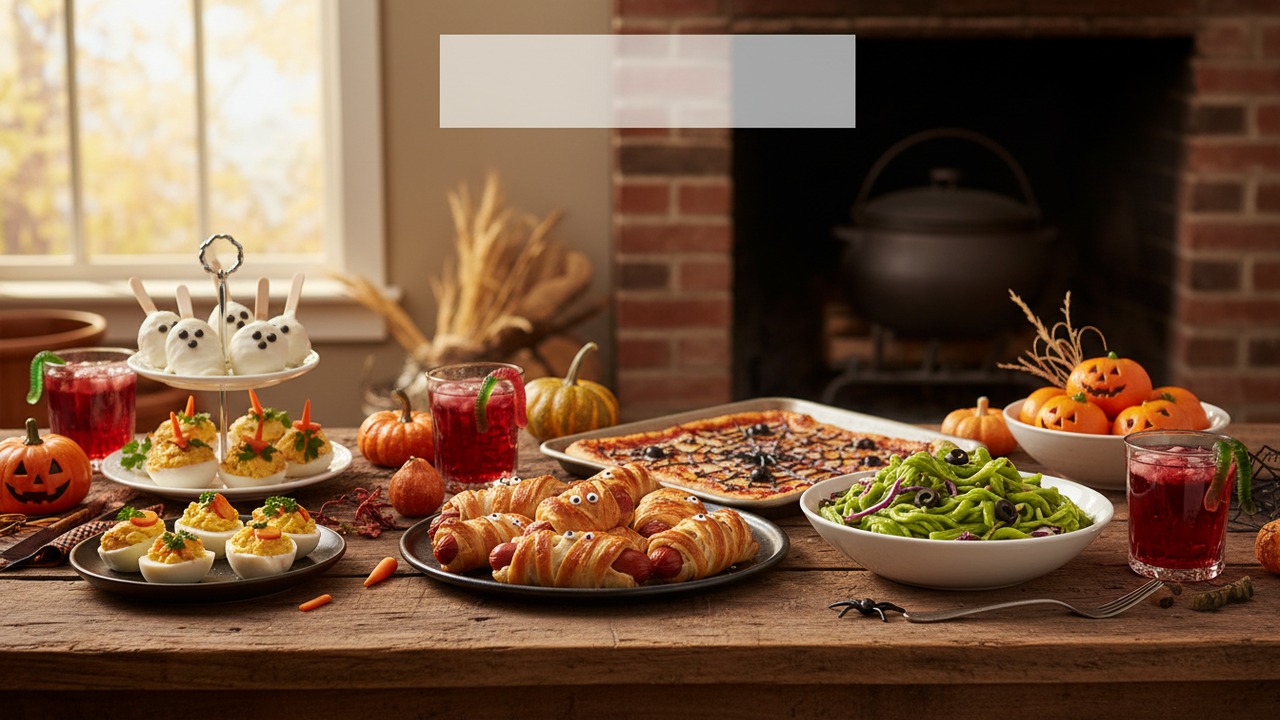
Fun Kid-Friendly Halloween Recipes
Easy, playful Halloween recipes that kids can help make or will happily eat. From no-bake classroom treats to spooky grilled sweets, this roundup groups tried ideas for parties, after-school snacks, and trick-or-treat gatherings.
Seasonal
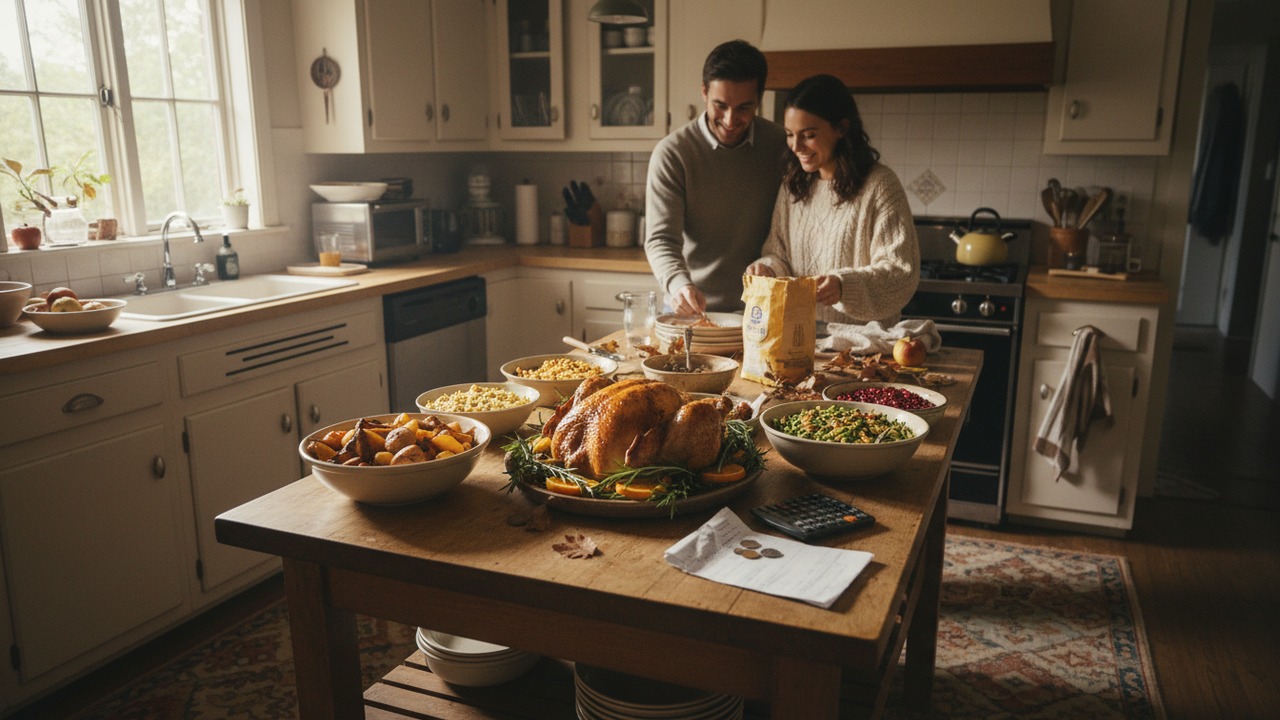
Thanksgiving on a Budget
Practical strategies for hosting a full-flavored Thanksgiving without overspending. Actionable planning, shopping and cooking tips that help you cut costs while serving classic crowd-pleasers.
More from General
View all General recipes →
Oven Roasted Thanksgiving Turkey
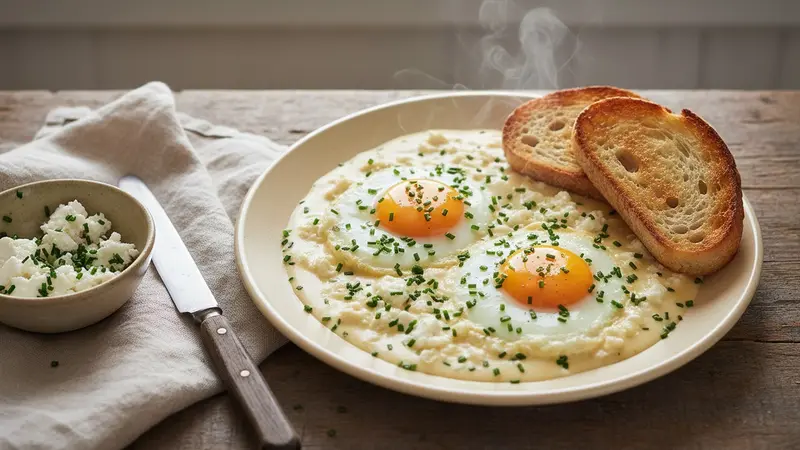
Goad Cheese and Chive Cream-Fried Eggs

Molly Yeh Popcorn Salad

Jack Frost Mimosa

Authentic Mai Tai
Viral Dr Pepper Butter
Dragon Fruit Salsa
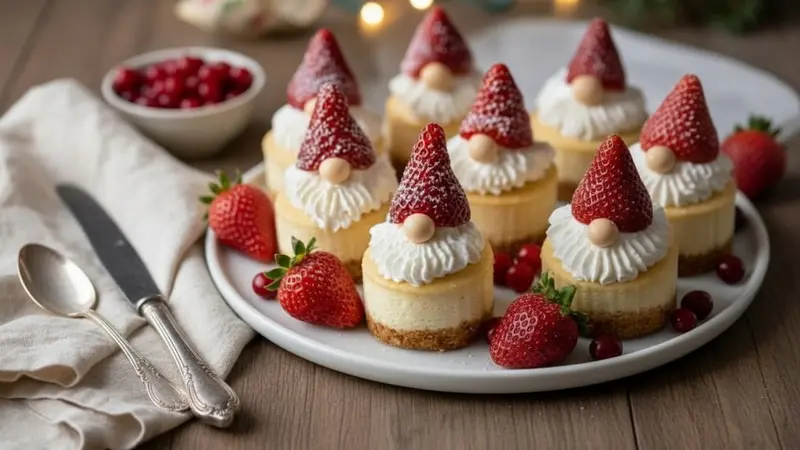
Santa Strawberry Cheesecake Cups
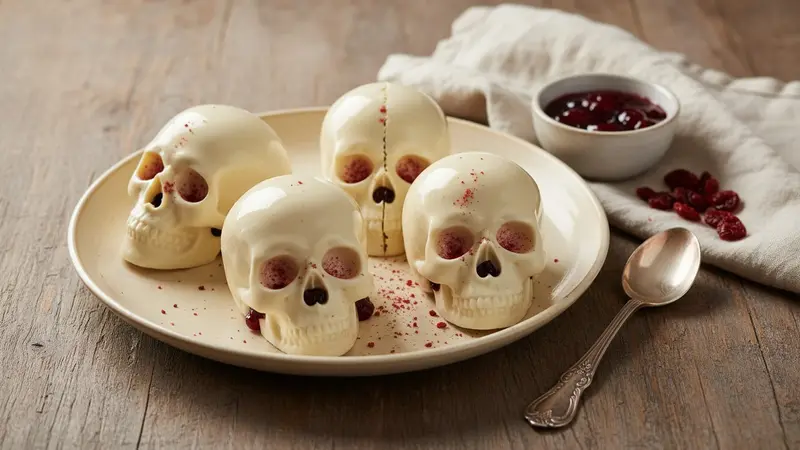
White Chocolate Cherry Skulls
Ask me anything about this recipe — substitutions, scaling, techniques, timing.
Powered by AI · 6 questions per 5 minutes, 30 per day