Oven Roasted Thanksgiving Turkey
A classic oven-roasted Thanksgiving turkey with a simple herb-butter rub and clear guidance for thawing, stuffing, and roasting different-size birds. Reliable, flavorful, and written for home cooks who want safe stuffing advice and easy timing rules.
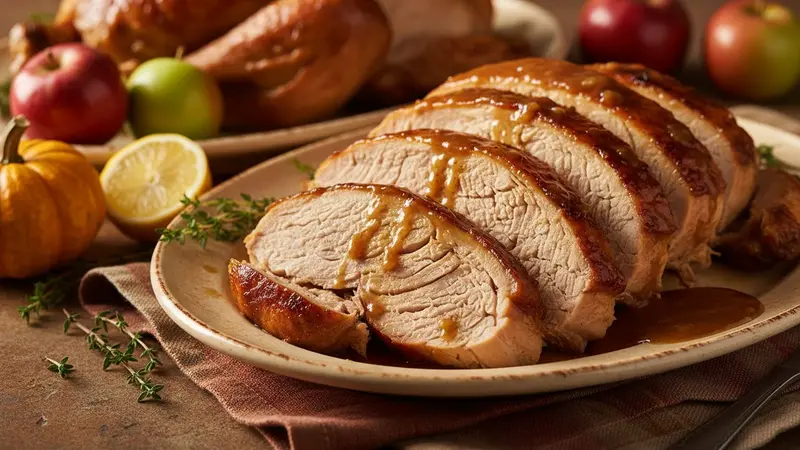
Jake Woods's note
"This no-fuss roast turkey shines at holiday tables: crisp skin, moist breast, and a simple herb-butter flavor. Home cooks will appreciate clear thawing guidance and safety notes about stuffing the bird."
About This Recipe
This oven-roasted Thanksgiving turkey is built around two simple commitments: keep the meat moist and let the skin get pleasantly crisp. Rubbing softened butter under the breast skin and seasoning the outside creates an immediate flavor layer that roasts into golden, savory skin while the lemon, onion and thyme tucked into the cavity perfume the meat from the inside out. A splash of chicken broth in the pan prevents scorching and produces pan juices that become a straightforward, well-flavored gravy. The result is a turkey with a tender, steady-textured breast, succulent dark meat and a gently herb-forward finish.
What makes this version especially reliable is the clear, weight-based timing and the thermometer-first finish: count minutes per pound as a planning tool, but trust an instant-read or probe thermometer to tell you when it’s truly done. The recipe also gives safe, practical guidance on stuffing—use completely cooled, loosely packed prepared stuffing and verify it hits 165°F (74°C). It’s a straightforward, repeatable plan for cooks who want a centerpiece that’s as forgiving as it is classic, freeing you to focus on sides and company rather than last-minute turkey triage.
Plan your timing
Ingredients for Oven Roasted Thanksgiving Turkey
- 12 lb Whole turkey (fresh or fully thawed)
- 3 tbsp Kosher salt
- 2 tsp Black pepper (ground)
- 1/2 cup Unsalted butter, softened
- 1 large Onion (large), halved
- 6 sprigs Fresh thyme sprigs
- 1 whole Lemon, halved
- 2 cups Chicken broth (for the roasting pan)
- 4 cups Optional: prepared stuffing (completely cooled before stuffing)
How to Make Oven Roasted Thanksgiving Turkey
Step 1: Thawing & size guidance
Active 5 min
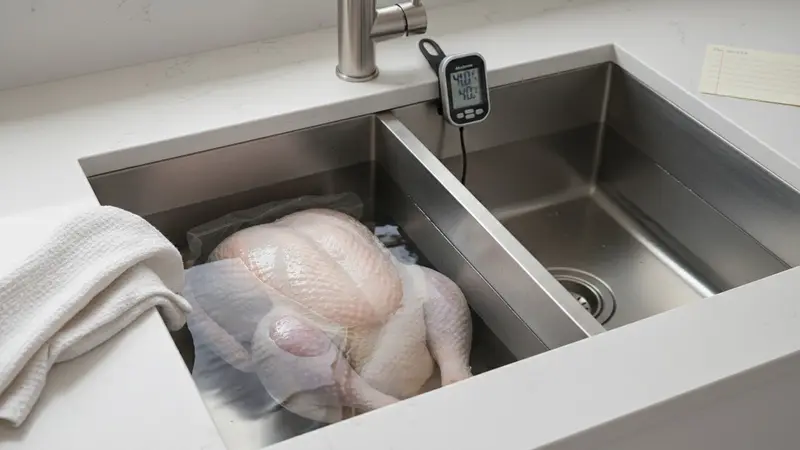
If your turkey is frozen, thaw it safely: refrigerator thawing is best — allow about 24 hours for every 4–5 lb (10–12 hours per 2–2.5 kg) in the fridge. For a faster method, submerge the sealed turkey in cold water, changing water every 30 minutes and allowing about 30 minutes per pound; cook immediately after cold-water thawing. Plan roasting time by weight: roast unstuffed at 350°F (175°C) roughly 13 minutes per pound (about 28–30 minutes/kg); stuffed birds may take about 15 minutes per pound — always verify doneness with a thermometer.For this step
- 12 lbWhole turkey (fresh or fully thawed)
Step 2: Prepare and season the turkey (include or omit stuffing)
Active 30 min
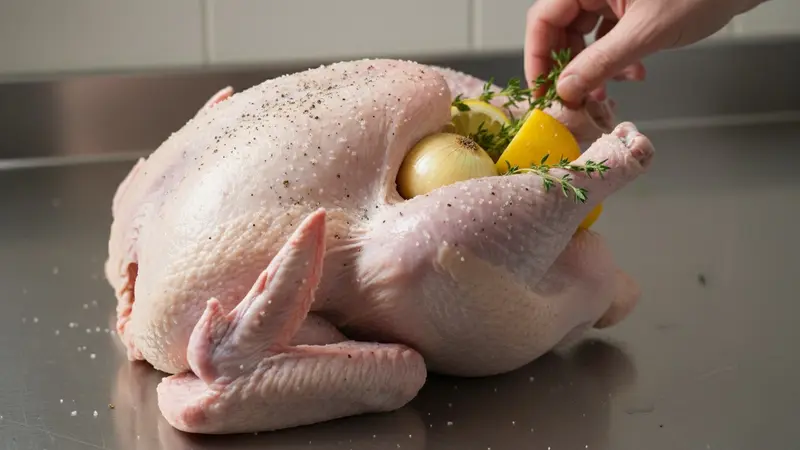
Remove giblets from the cavity and pat the turkey dry with paper towels. Gently loosen the skin over the breast and spread softened unsalted butter under the skin and over the surface; season the outside and cavity with kosher salt and black pepper. Tuck halved onion, lemon halves, and several fresh thyme sprigs into the cavity for aromatics. If you choose to stuff the bird, use only the optional prepared stuffing and spoon it loosely into the cavity (about 4 cups maximum) — do not overpack; note stuffing must be fully cooked to 165°F (74°C).For this step
- 3 tbspKosher salt
- 2 tspBlack pepper (ground)
- 1/2 cupUnsalted butter, softened
- 1 largeOnion (large), halved
- 6 sprigsFresh thyme sprigs
- 1 wholeLemon, halved
- 4 cupsOptional: prepared stuffing (completely cooled before stuffing)
Step 3: Roast in the oven
Active 10 min · Passive 156 min
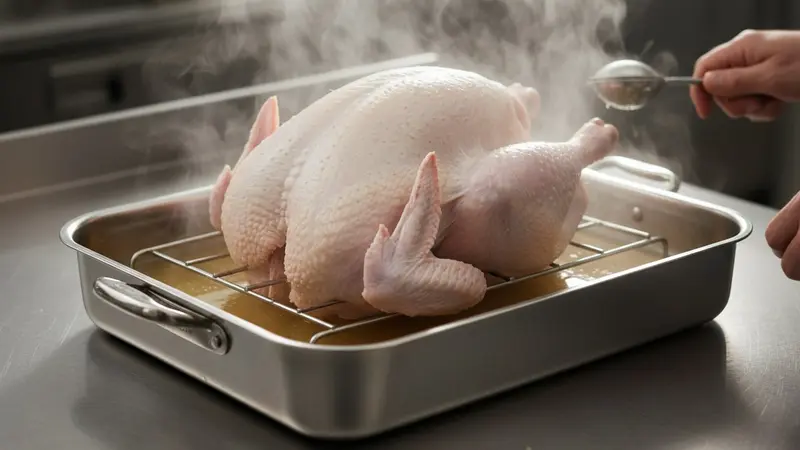
Preheat oven to 350°F (175°C). Place the turkey breast-side up on a rack in a roasting pan and pour 2 cups chicken broth into the bottom of the pan to keep drippings from burning and add moisture. Roast unstuffed birds about 13 minutes per pound (for a 12 lb bird ≈ 156 minutes); if the turkey is stuffed, plan for roughly 15 minutes per pound and expect additional time — monitor temperatures as described below. Tent loosely with foil for the first 45–60 minutes if the skin browns too quickly, removing foil for the final hour to crisp the skin.For this step
- 2 cupsChicken broth (for the roasting pan)
Step 4: Check temperature and baste if desired
Active 10 min
About 45 minutes before the estimated end time, begin checking the turkey with an instant-read thermometer: insert into the thickest part of the thigh without touching bone; the turkey is safe when the thigh reads 165°F (74°C). If you stuffed the cavity, also check the center of the stuffing — it must reach 165°F (74°C). Optionally baste every 30–45 minutes with pan juices; do not open the oven excessively, which extends cooking time.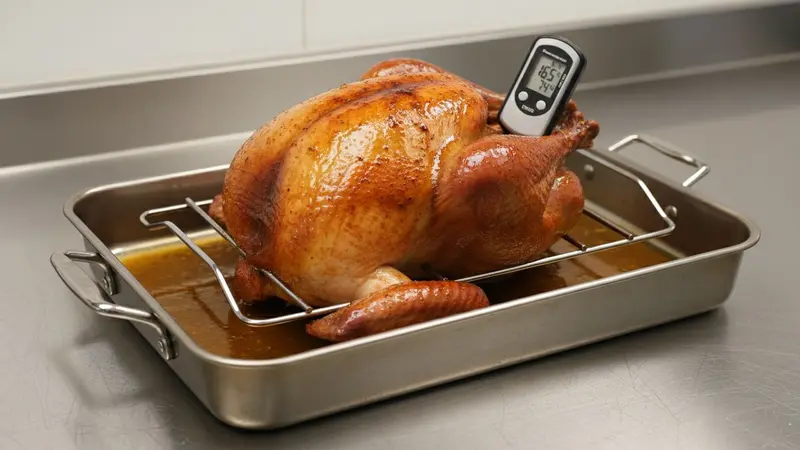
Step 5: Rest and carve
Active 10 min · Passive 20 min
Remove the turkey when the thigh (and stuffing, if used) reaches 165°F (74°C), tent loosely with foil and let rest for 20 minutes so juices redistribute. Transfer to a carving board and carve: slice breast meat against the grain and carve legs and thighs. Serve carved turkey slices immediately.
- If your turkey is frozen, thaw it safely: refrigerator thawing is best — allow about 24 hours for every 4–5 lb (10–12 hours per 2–2.5 kg) in the fridge. For a faster method, submerge the sealed turkey in cold water, changing water every 30 minutes and allowing about 30 minutes per pound; cook immediately after cold-water thawing. Plan roasting time by weight: roast unstuffed at 350°F (175°C) roughly 13 minutes per pound (about 28–30 minutes/kg); stuffed birds may take about 15 minutes per pound — always verify doneness with a thermometer.
- Remove giblets from the cavity and pat the turkey dry with paper towels. Gently loosen the skin over the breast and spread softened unsalted butter under the skin and over the surface; season the outside and cavity with kosher salt and black pepper. Tuck halved onion, lemon halves, and several fresh thyme sprigs into the cavity for aromatics. If you choose to stuff the bird, use only the optional prepared stuffing and spoon it loosely into the cavity (about 4 cups maximum) — do not overpack; note stuffing must be fully cooked to 165°F (74°C).
- Preheat oven to 350°F (175°C). Place the turkey breast-side up on a rack in a roasting pan and pour 2 cups chicken broth into the bottom of the pan to keep drippings from burning and add moisture. Roast unstuffed birds about 13 minutes per pound (for a 12 lb bird ≈ 156 minutes); if the turkey is stuffed, plan for roughly 15 minutes per pound and expect additional time — monitor temperatures as described below. Tent loosely with foil for the first 45–60 minutes if the skin browns too quickly, removing foil for the final hour to crisp the skin.
- About 45 minutes before the estimated end time, begin checking the turkey with an instant-read thermometer: insert into the thickest part of the thigh without touching bone; the turkey is safe when the thigh reads 165°F (74°C). If you stuffed the cavity, also check the center of the stuffing — it must reach 165°F (74°C). Optionally baste every 30–45 minutes with pan juices; do not open the oven excessively, which extends cooking time.
- Remove the turkey when the thigh (and stuffing, if used) reaches 165°F (74°C), tent loosely with foil and let rest for 20 minutes so juices redistribute. Transfer to a carving board and carve: slice breast meat against the grain and carve legs and thighs. Serve carved turkey slices immediately.
Oven Roasted Thanksgiving Turkey Tips
Loosen skin gently
Work your fingers carefully between skin and breast to create a pocket for the butter without tearing; this keeps the fat close to the meat for juiciness and flavor.
Bring butter to room temperature
Softened butter spreads more evenly under the skin and helps it render during roasting for crisp, browned skin.
Use the broth purposefully
Pour 2 cups of chicken broth into the pan to catch drippings and keep the environment moist—reserve the liquid for an easy pan gravy after roasting.
Thermometer in the thigh
Insert an instant-read into the thickest part of the thigh without touching bone; rely on 165°F (74°C) as the safety target rather than time alone.
Cool stuffing completely
If you use prepared stuffing, cool it fully before placing it in the cavity and spoon it loosely—overpacking lengthens cook time and can block even cooking.
Oven Roasted Thanksgiving Turkey Variations and Substitutions
Citrus-Herb Butter
Mix softened butter with grated lemon and orange zest plus chopped rosemary and sage, then spread under the skin for a brighter, more aromatic profile.
Simple Brine Option
For extra-salty, deeply seasoned meat, brine the turkey overnight in a salt-and-sugar solution (about 1 cup salt per gallon), then rinse and pat dry before proceeding with the butter rub.
Spatchcocked Roast
Remove the backbone and flatten the bird to shave roasting time and ensure even browning; roast at 425°F until thighs hit 165°F, about 6–8 minutes per pound as a rough guide.
Dairy-Free Olive Oil
Replace butter with a paste of olive oil, minced garlic and chopped thyme spread under the skin and over the surface to keep things dairy-free while retaining flavor and moisture.
How to Store and Make Oven Roasted Thanksgiving Turkey Ahead
Cool leftovers promptly and refrigerate within two hours in shallow airtight containers; turkey meat will keep 3–4 days in the fridge. For longer storage, freeze carved portions for up to 3 months wrapped tightly; thaw in the fridge before reheating. Reheat gently in a 325°F oven covered with foil until internal temperature reaches 165°F, or warm slices in a skillet with a splash of broth to preserve juiciness.
What to Serve With Oven Roasted Thanksgiving Turkey
Serve sliced breast and carved legs on a warmed platter garnished with thyme sprigs and lemon slices alongside mashed potatoes, roasted root vegetables and a simple gravy made from the pan drippings. Add a bright counterpoint like cranberry relish or an apple fennel slaw, and pair with Pinot Noir or an off-dry Riesling; for non-alcoholic options try sparkling apple cider or a citrusy kombucha.
Oven Roasted Thanksgiving Turkey FAQs
How do I know the turkey is fully cooked?
Use an instant-read thermometer in the thickest part of the thigh (not touching bone); the safe temperature is 165°F (74°C). If the turkey is stuffed, also check the center of the stuffing to 165°F.
The skin is browning too fast—what now?
Loosely tent the bird with foil, leaving space above the skin so it doesn’t steam, and remove the foil for the final 30–60 minutes to crisp back up.
Can I prepare the stuffing the day before?
Yes—prepare and cool the stuffing completely before refrigerating and only fill the cavity right before roasting to limit food-safety risk and ensure even cooking.
Should I baste the turkey?
Basting every 30–45 minutes is optional; it adds flavor and sheen but opens the oven and lengthens cooking time slightly, so limit door openings and rely on the thermometer for doneness.
Can I roast a larger or smaller bird with this method?
Yes—use the guideline of about 13 minutes per pound for unstuffed birds and 15 minutes per pound for stuffed, but always confirm with an internal thermometer rather than time alone.
About the author
Jake WoodsHello, I'm Jake. I started this recipe site with the idea that I hated recipe websites that overwhelm you with long stories and ads just to see plain content that's not helpful. My goal is to provide you with quality recipes, simple ideas and a fun cooking experience. There's lots of fun things to cook, and I think as you browse the site you'll find that TopShelf.Recipes is the place for quality recipes on the web.
See all recipes by Jake Woods →Ratings & Reviews
Did you make this recipe?
Be the first to share your experience.
Nutrition Facts
Per serving: 1 serving
Nutrition values are estimated from USDA ingredient data and may vary based on preparation, brands, and portion sizes. Values are provided for informational purposes only.
Keep Reading
Guides & articles for this recipe
Recipes
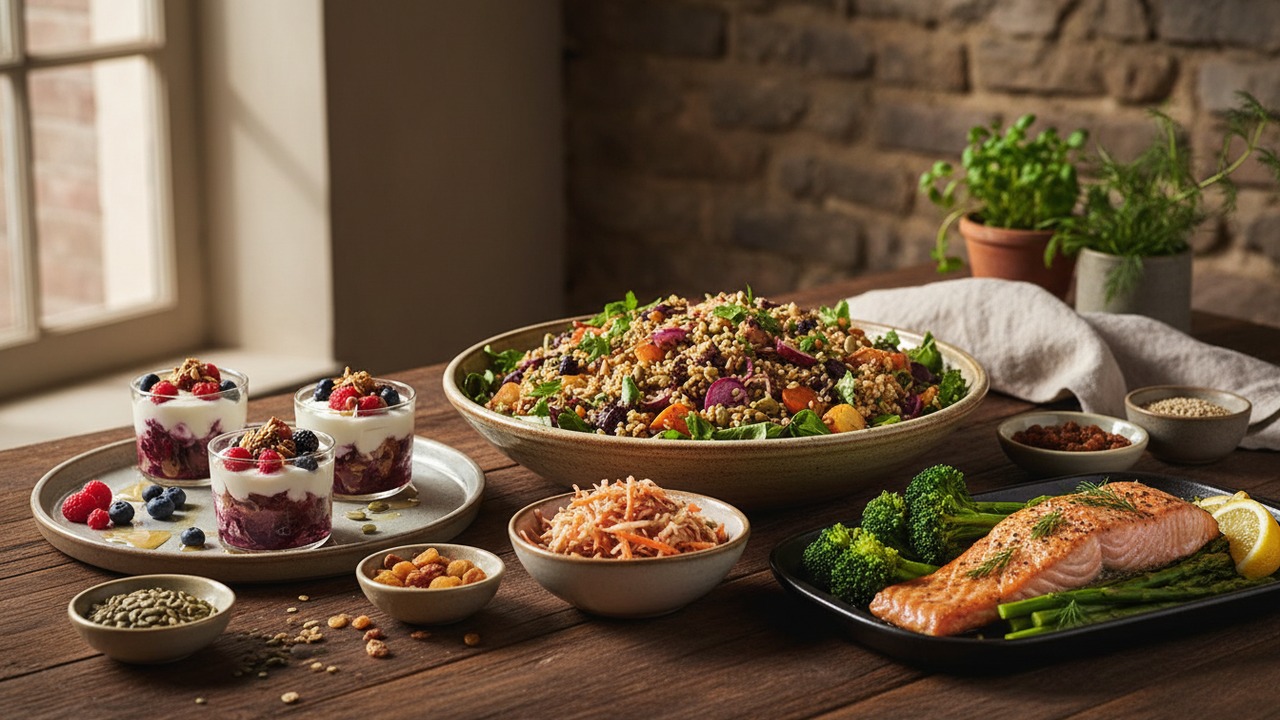
Gut-Healthy Recipe Roundup
A practical collection of recipes that emphasize fiber, prebiotics, and fermented foods to support a diverse microbiome. Mix breakfasts, snacks, bowls and mains to build meals that feel good to eat and are gentle on digestion.
Recipes
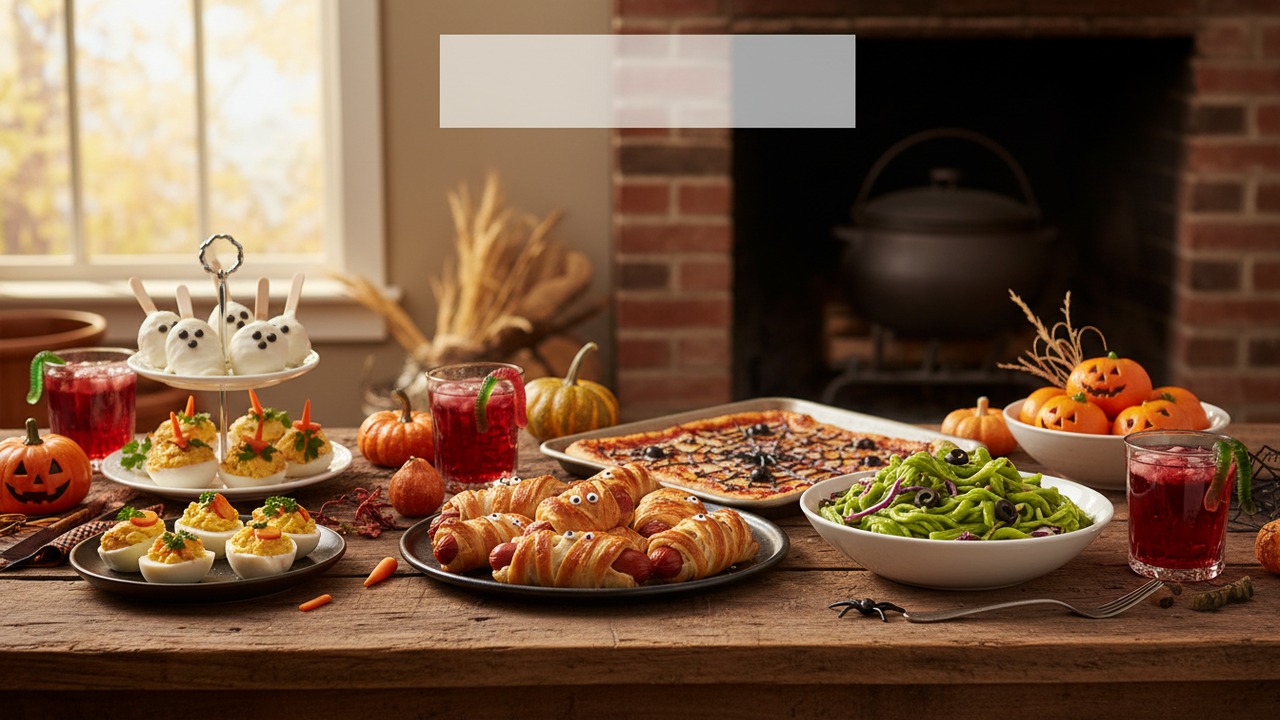
Fun Kid-Friendly Halloween Recipes
Easy, playful Halloween recipes that kids can help make or will happily eat. From no-bake classroom treats to spooky grilled sweets, this roundup groups tried ideas for parties, after-school snacks, and trick-or-treat gatherings.
Seasonal
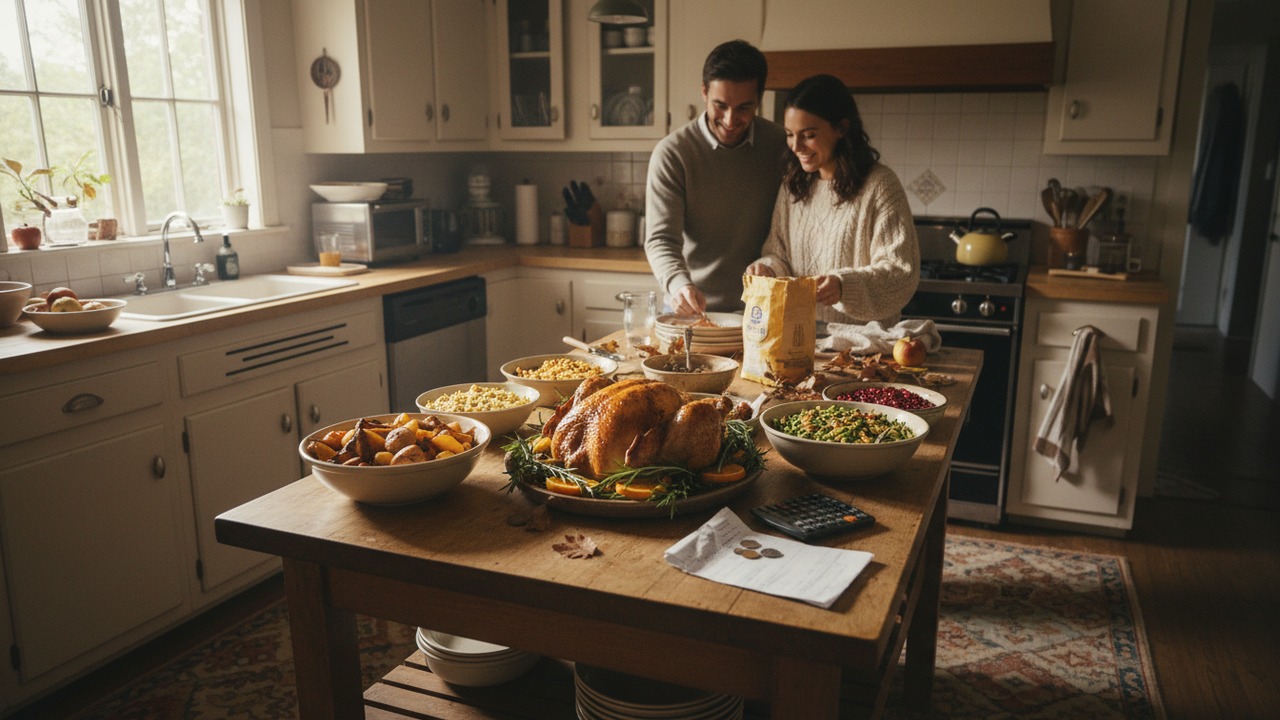
Thanksgiving on a Budget
Practical strategies for hosting a full-flavored Thanksgiving without overspending. Actionable planning, shopping and cooking tips that help you cut costs while serving classic crowd-pleasers.
More from General
View all General recipes →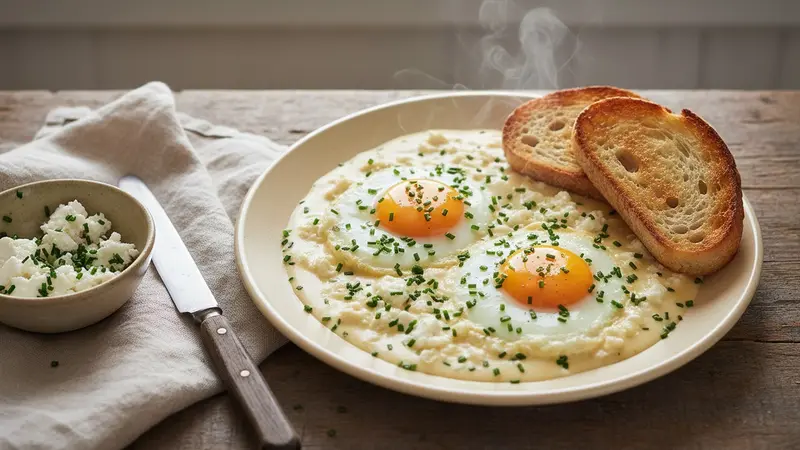
Goad Cheese and Chive Cream-Fried Eggs
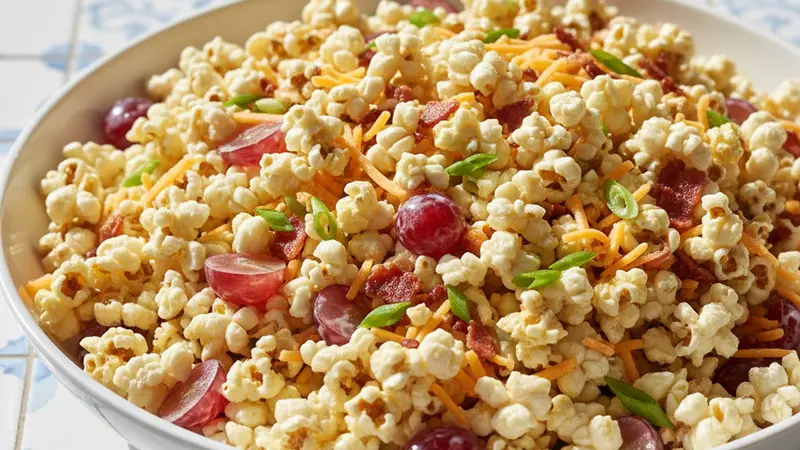
Molly Yeh Popcorn Salad

Jack Frost Mimosa

Authentic Mai Tai
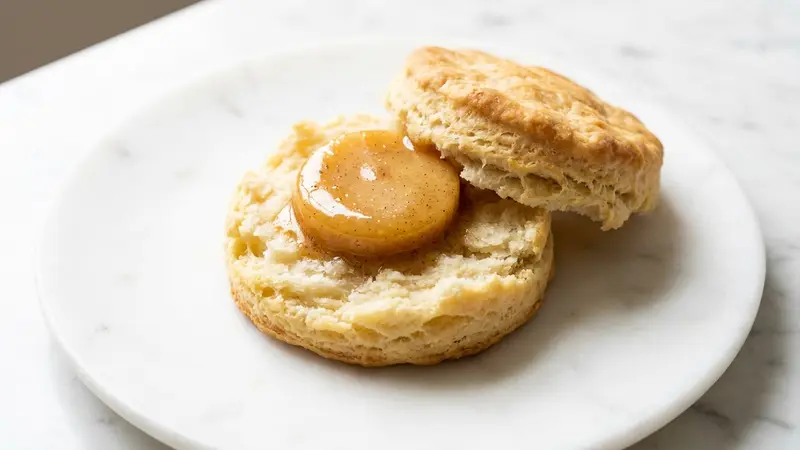
Viral Dr Pepper Butter

Dragon Fruit Salsa

Santa Strawberry Cheesecake Cups

White Chocolate Cherry Skulls
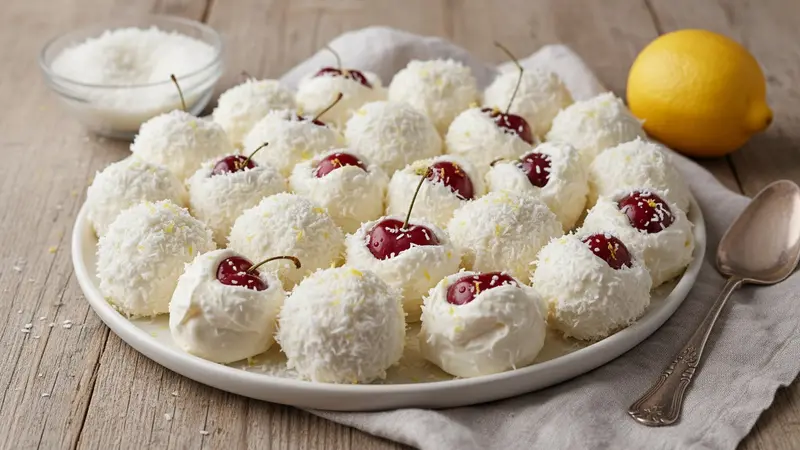
Classic Cherries In The Snow
Ask me anything about this recipe — substitutions, scaling, techniques, timing.
Powered by AI · 6 questions per 5 minutes, 30 per day