Buttermilk Fried Chicken
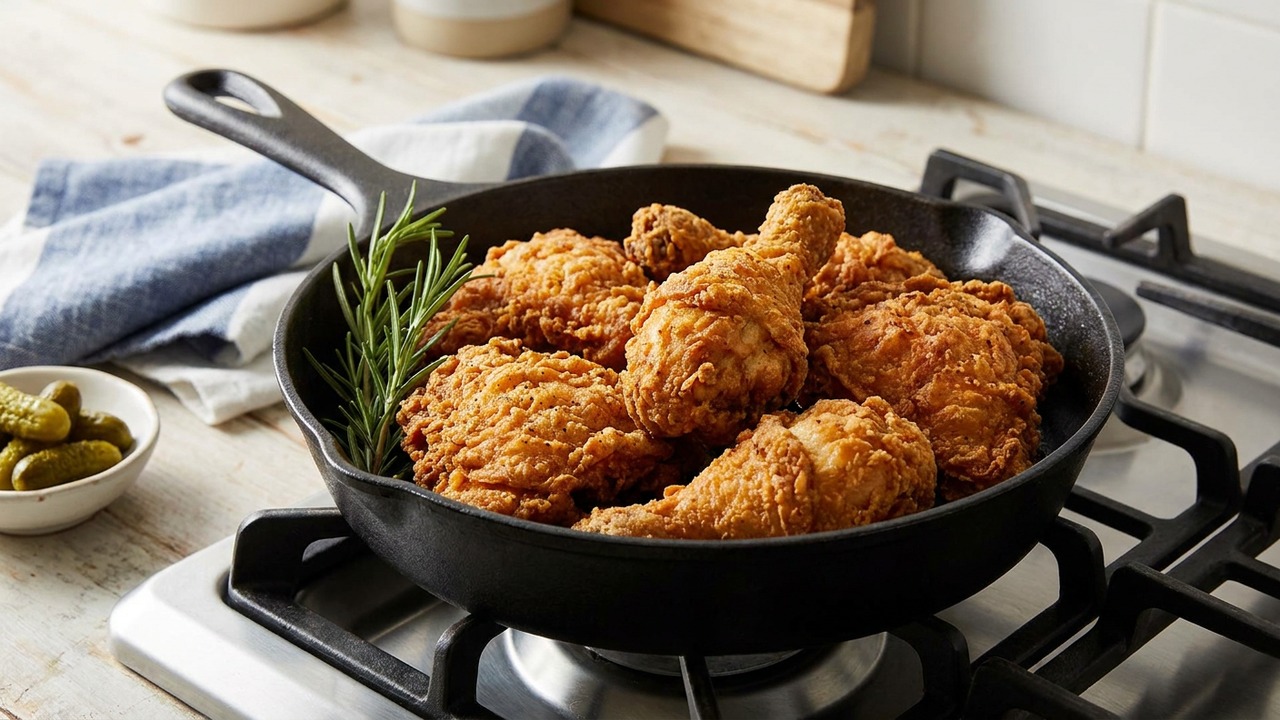
Crispy, golden-brown buttermilk fried chicken with a crunchy seasoned coating and juicy interior. This stovetop method yields deep-fryer results using a heavy skillet and enough oil for shallow-deep frying in batches.
Jake Woods's note
"This recipe shines for weekend dinners or casual gatherings when you want classic, crunchy fried chicken without a deep fryer. Plan ahead for at least an hour of marinating — it makes the meat tender and flavorful."
About This Recipe
This stovetop buttermilk fried chicken is built to deliver restaurant-style crackle and a juicy interior without a deep fryer. Tangy buttermilk and a splash of hot sauce tenderize and season the meat, while the flour–cornstarch blend creates a light, shatteringly crisp crust; smoked paprika and garlic powder give a savory, slightly smoky backbone that complements the sweet, roasted notes of the skin. The recipe focuses on three essential moves — a long wet marinade, a firm press into the seasoned dredge with a short rest to set the coating, and careful shallow-deep frying in a heavy skillet — so you get contrast and crunch in every bite.
This version is deliberately forgiving for confident home cooks: keep oil steady between 325–350°F, work in small batches to avoid temperature collapse, and remove pieces at 165–170°F so thighs stay succulent. Resting fried chicken on a wire rack preserves the crust while juices redistribute, and a quick pinch of flaky salt right before serving brightens the flavors. Make it for a family dinner, a weekend gathering, or a casual dinner party — the details here (marinade time, adherence, and temperature control) are what earn this chicken its signature crunch and succulence.
Ingredients for Buttermilk Fried Chicken
- 8 pieces Bone-in chicken pieces (mix of thighs and drumsticks)
- 2 cups Buttermilk
- 2 tbsp Hot sauce (optional)
- 2 tsp Kosher salt
- 1 tsp Black pepper
- 2 cups All-purpose flour
- 1/2 cup Cornstarch
- 1 tbsp Smoked paprika
- 1 tsp Garlic powder
- 3 cups Vegetable oil (canola or peanut) for frying
How to Make Buttermilk Fried Chicken
Step 1: Marinate the chicken
Pat the chicken dry and transfer to a large bowl or resealable bag. Add the buttermilk, hot sauce (if using), 1 teaspoon kosher salt and the black pepper; toss to coat, cover, and refrigerate for at least 1 hour or up to overnight to tenderize and flavor the meat.For this step
- 8 piecesBone-in chicken pieces (mix of thighs and drumsticks)
- 2 cupsButtermilk
- 2 tbspHot sauce (optional)
- 1 tspBlack pepper
Step 2: Make the seasoned dredge
In a shallow dish combine the all-purpose flour, cornstarch, smoked paprika, garlic powder and the remaining 1 teaspoon kosher salt. Whisk to evenly distribute the spices and break up any lumps of cornstarch for a consistently crunchy crust.For this step
- 2 cupsAll-purpose flour
- 1/2 cupCornstarch
- 1 tbspSmoked paprika
- 1 tspGarlic powder
Step 3: Dredge the chicken
Remove chicken from the buttermilk, letting excess drip back into the bowl. One piece at a time, press the chicken firmly into the flour mixture, turn to fully coat, then set on a wire rack and let rest 10 minutes — this helps the coating adhere and form a better crust.For this step
- 3 cupsVegetable oil (canola or peanut) for frying
Step 4: Heat the oil and test temperature
Pour the vegetable oil into a large heavy skillet (cast iron preferred) until it reaches about 1 to 1½ inches deep. Heat over medium-high until oil reaches 350°F (175°C) or a small pinch of dredge sizzles immediately and browns slowly; adjust heat to maintain 325–350°F while frying.Step 5: Fry the chicken in batches
Fry chicken skin-side down first in batches without overcrowding, 10–12 minutes per side for medium-size pieces, turning once, until crust is deep golden and an internal temperature of 165–170°F (74–77°C) is reached. Keep oil temperature steady by lowering heat if it browns too quickly and raising slightly if it cools when adding chicken.Step 6: Drain, rest, and serve
Transfer cooked pieces to a wire rack set over a baking sheet to drain; rest 5 minutes to let juices redistribute and coating set. Serve hot with your favorite sides and sprinkle a pinch of salt if needed right before serving.


- Pat the chicken dry and transfer to a large bowl or resealable bag. Add the buttermilk, hot sauce (if using), 1 teaspoon kosher salt and the black pepper; toss to coat, cover, and refrigerate for at least 1 hour or up to overnight to tenderize and flavor the meat.
- In a shallow dish combine the all-purpose flour, cornstarch, smoked paprika, garlic powder and the remaining 1 teaspoon kosher salt. Whisk to evenly distribute the spices and break up any lumps of cornstarch for a consistently crunchy crust.
- Remove chicken from the buttermilk, letting excess drip back into the bowl. One piece at a time, press the chicken firmly into the flour mixture, turn to fully coat, then set on a wire rack and let rest 10 minutes — this helps the coating adhere and form a better crust.
- Pour the vegetable oil into a large heavy skillet (cast iron preferred) until it reaches about 1 to 1½ inches deep. Heat over medium-high until oil reaches 350°F (175°C) or a small pinch of dredge sizzles immediately and browns slowly; adjust heat to maintain 325–350°F while frying.
- Fry chicken skin-side down first in batches without overcrowding, 10–12 minutes per side for medium-size pieces, turning once, until crust is deep golden and an internal temperature of 165–170°F (74–77°C) is reached. Keep oil temperature steady by lowering heat if it browns too quickly and raising slightly if it cools when adding chicken.
- Transfer cooked pieces to a wire rack set over a baking sheet to drain; rest 5 minutes to let juices redistribute and coating set. Serve hot with your favorite sides and sprinkle a pinch of salt if needed right before serving.
Buttermilk Fried Chicken Tips
Marinate Overnight When Possible
Extended marination (up to 12 hours) lets the buttermilk tenderize deeper into the meat and intensifies flavor; if short on time, one hour still improves texture.
Bring Chicken To Temperature
Let chilled pieces sit 20–30 minutes before frying so the oil doesn’t seize up and the center cooks more evenly.
Use Cast Iron Skillet
A heavy cast iron pan holds steady heat and creates even browning; if using another pan choose one with a thick base to avoid hot spots.
Press Dredge Firmly
Press the flour-cornstarch mix into the wet chicken and let it rest 8–10 minutes so the coating adheres and forms a solid crust that won’t flake off while frying.
Maintain Oil Temperature
Adjust the heat between batches and check the oil often — a thermometer makes this easy and ensures the coating browns slowly without burning.
Drain On A Rack
Transfer finished pieces to a wire rack set over a sheet pan so air can circulate; this prevents soggy undersides and helps the crust set crisp.
Buttermilk Fried Chicken Variations and Substitutions
Nashville Hot Twist
Add cayenne powder to the dredge and brush the finished chicken with a lacquer of melted butter or oil mixed with cayenne and a touch of brown sugar for that spicy, sticky finish.
Herb-Buttermilk Chicken
Stir chopped thyme, rosemary, and a teaspoon of lemon zest into the buttermilk for a brighter, herb-forward profile that pairs well with roasted vegetables.
Gluten-Free Crunch
Swap the all-purpose flour for a 1:1 gluten-free baking mix and replace some flour with rice flour or extra cornstarch to preserve the crisp texture.
Bone-In To Boneless
Use skin-on boneless thighs to shorten cook time — fry 6–8 minutes per side and check for 165°F to avoid overcooking.
How to Store and Make Buttermilk Fried Chicken Ahead
Cool pieces completely and store in an airtight container in the refrigerator for up to 3 days. To reheat and restore crispness, warm on a wire rack in a 375°F oven for 12–15 minutes or in an air fryer at 350°F for 6–8 minutes until heated through. You can marinate overnight ahead of time and either dredge right before frying or dredge and refrigerate uncovered for up to 24 hours to help the coating set.
What to Serve With Buttermilk Fried Chicken
Serve with classic sides like creamy coleslaw, buttery mashed potatoes, or flaky buttermilk biscuits and a pile of dill pickle chips to cut the richness. Finish with a drizzle of hot honey or a side of spicy vinegar and pair with an ice-cold lager, sweet tea, or a citrusy soda for contrast; present on a roomy platter with pieces spaced so the crust stays crisp.
Buttermilk Fried Chicken FAQs
Can I use boneless chicken instead of bone-in?
Yes — skin-on boneless thighs are the best substitute because they stay moist; reduce frying time to about 6–8 minutes per side and pull at 165°F internal to avoid drying out.
Why is cornstarch included in the dredge?
Cornstarch reduces gluten formation and creates a thinner, crisper, more shatter-friendly crust than flour alone, especially when mixed with flour for structure and browning.
How much oil do I really need?
Fill the skillet 1 to 1½ inches deep so pieces can be shallow-deep fried and partially submerged; that usually takes around 2–3 cups depending on pan size, and you should maintain oil level between batches.
My coating flakes off — what did I do wrong?
Common causes are overly wet pieces that weren’t rested after dredging, oil that’s too hot (browning before set) or too cool (absorbing oil), or inadequate pressing of the dredge; press firmly, rest on the rack, and monitor oil temp to fix it.
Can I reuse the frying oil?
Yes — strain the cooled oil through a fine sieve or cheesecloth and store airtight in the fridge for up to two uses with neutral-flavored foods; discard if it smells rancid, foams, or darkens excessively.
About the author
Jake WoodsHello, I'm Jake. I started this recipe site with the idea that I hated recipe websites that overwhelm you with long stories and ads just to see plain content that's not helpful. My goal is to provide you with quality recipes, simple ideas and a fun cooking experience. There's lots of fun things to cook, and I think as you browse the site you'll find that TopShelf.Recipes is the place for quality recipes on the web.
See all recipes by Jake Woods →Ratings & Reviews
Did you make this recipe?
Be the first to share your experience.
Nutrition Facts
Per serving: 1 serving
Nutrition values are estimated from USDA ingredient data and may vary based on preparation, brands, and portion sizes. Values are provided for informational purposes only.
Keep Reading
Guides & articles for this recipe
Guides
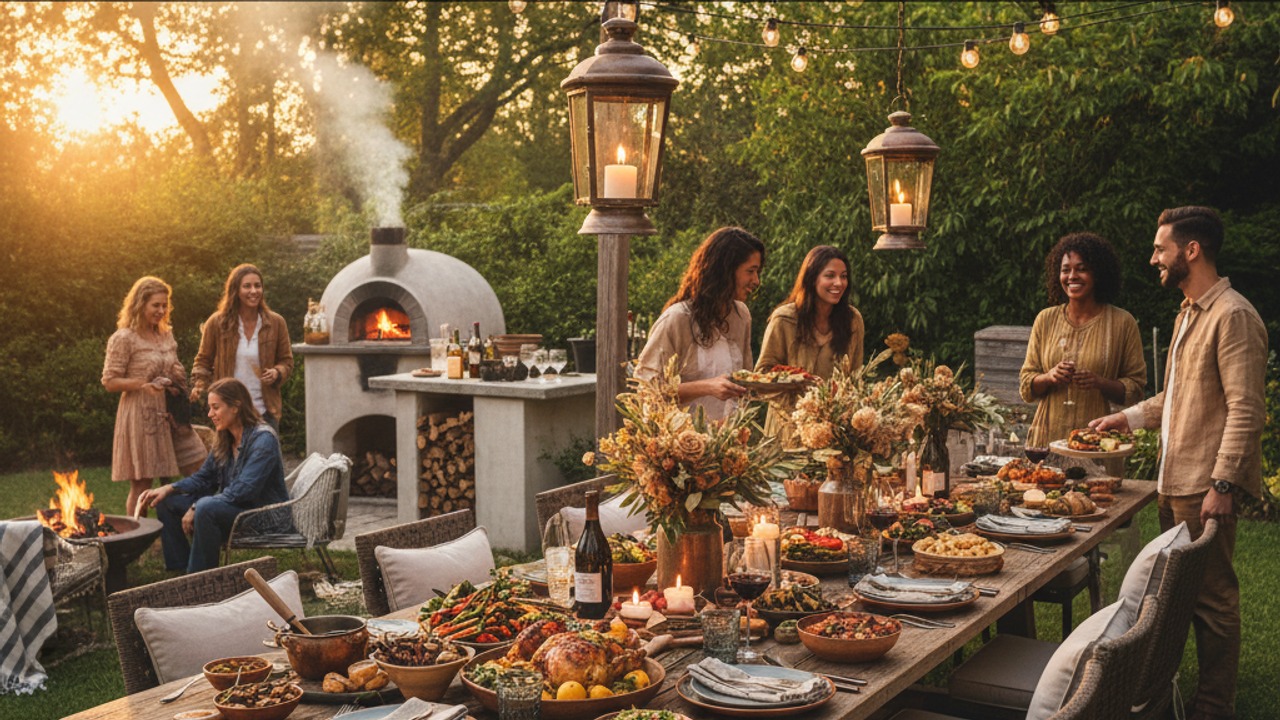
Trending Backyard Dinner Parties for 2026: 8 Outdoor Dining Formats, Ready‑Made Menus & Host Workflows
Discover the eight backyard dining formats taking off in 2026, with plug‑and‑play menu templates, grill timing and workflow checklists, decor shortcuts, and social‑media and sustainability tips. This practical guide turns your yard into a seamless, shareable dining experience—whether you're hosting a casual progressive grill or an intimate fireside chef demo.
Guides
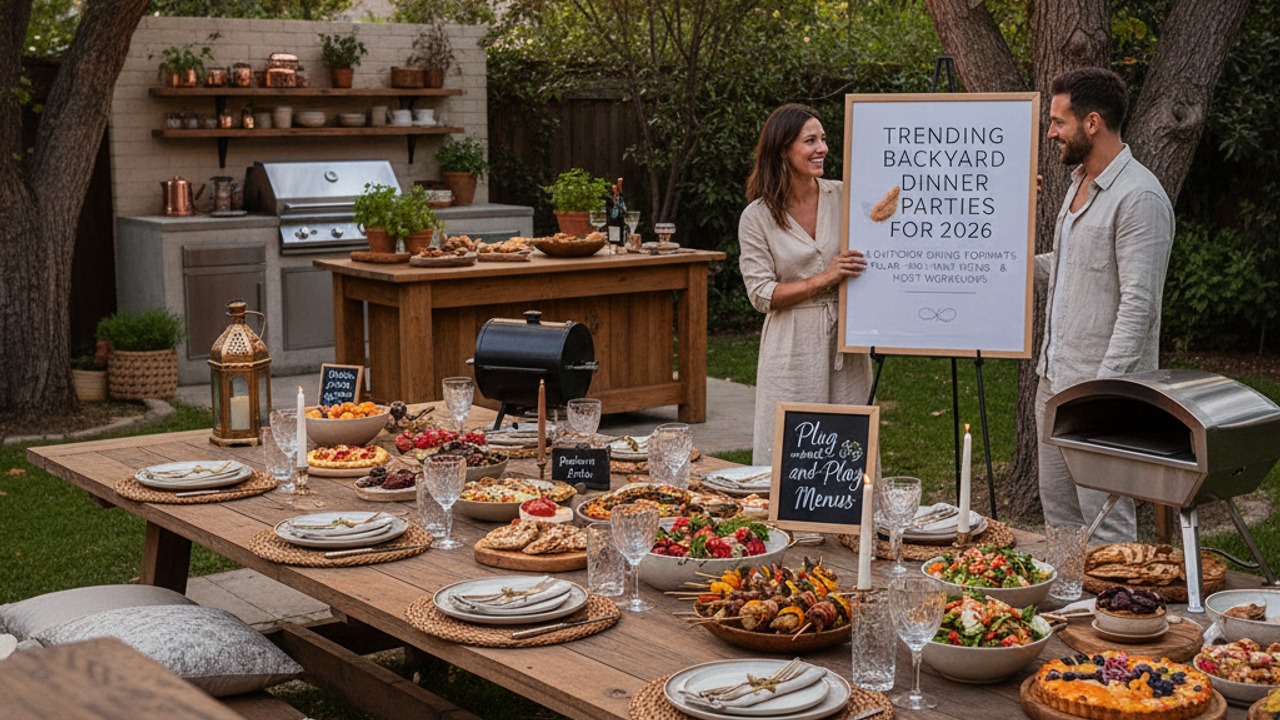
Trending Backyard Dinner Parties for 2026: 8 Outdoor Dining Formats, Plug‑and‑Play Menus & Host Workflows
Discover eight backyard dinner-party formats taking off in 2026, each with plug‑and‑play menu templates, step‑by‑step host workflows, grill timing tips, decor shortcuts, and social & sustainable ideas. Turn your yard into a memorable, stress‑free dining experience.

Healthy Eating
Gluten-Free Weeknight Grilling Plan
A 7-day gluten-free weeknight grilling plan with quick, family-friendly recipes, prep-ahead timelines, and a printable shopping list that spotlights late-summer produce and pantry staples. Includes clear cross-contamination safety tips and simple swaps to keep dinners fast and crowd-pleasing.
More from Dinner
View all Dinner recipes →
Classic Bacon Carbonara

Al Pastor Tacos

Jamaican Jerk Chicken Marinade for Smoking or Grilling

Air Fryer Chicken Sliders

Smoked Chicken Burger

Beer-Can Grilled Whole Chicken

Grilled Chicken with Chimichurri

Campfire‑Smoked Potato Salad with Mustard‑Bacon Vinaigrette — A Labor Day Grilling Side for Steak

30-Min Steak Grain Bowl with Chimichurri
Ask me anything about this recipe — substitutions, scaling, techniques, timing.
Powered by AI · 6 questions per 5 minutes, 30 per day