Canning Peaches into Unsweetened Baby Food Puree
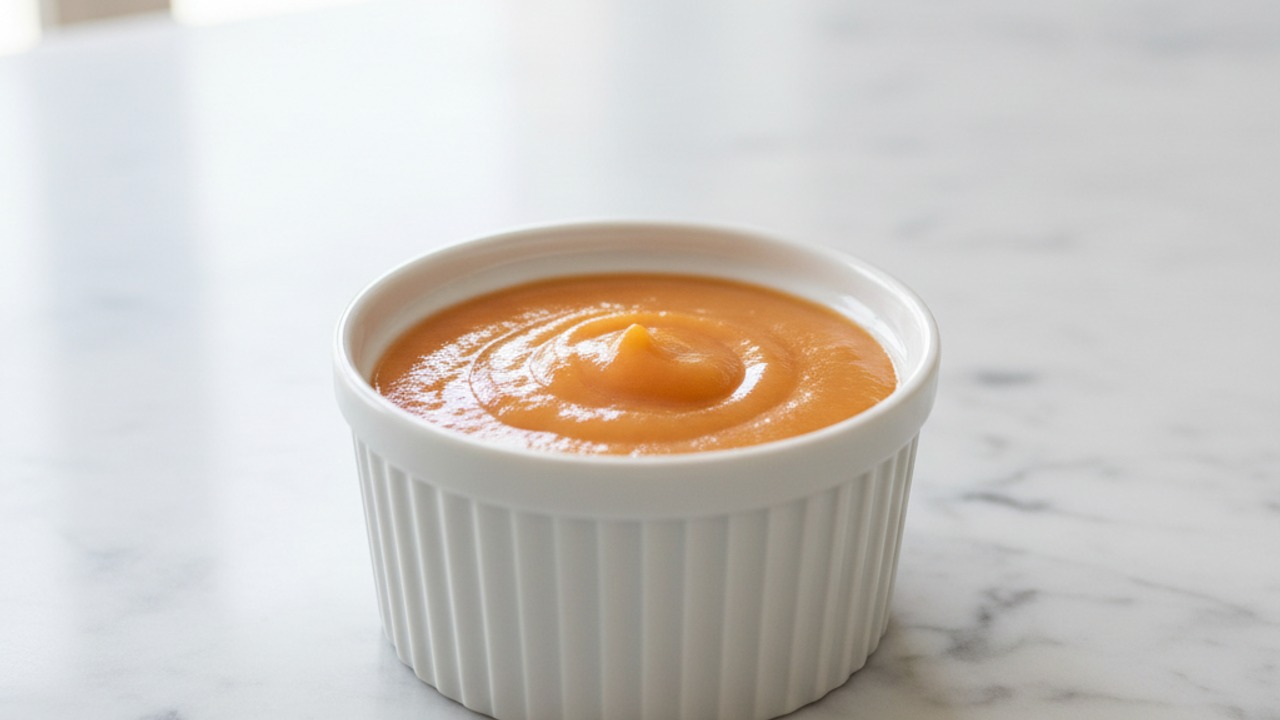
A simple, safe method to turn ripe peaches into smooth, unsweetened baby-food puree you can store on the pantry shelf. This step-by-step canning recipe uses hot-pack peaches and a boiling-water bath so families can make small half-pint jars of ready-to-serve breakfast puree.
Ingredient Spotlight
Ascorbic acid powder (optional, to preserve color)
Ascorbic acid is simply vitamin C in powdered form used in canning and preserving to prevent enzymatic browning and help fruit retain a fresh color. It has a faint tartness but is used in very small amounts so it won't noticeably change flavor. You can find it in canning sections, health-food stores, pharmacies, or online; common substitutes are bottled lemon juice or crystalline citric acid (use substitution guidelines for quantities).
Ingredient Spotlight
Sterilized canning jars, lids and bands
These are Mason-style glass jars plus the metal two-piece lids and screw bands used for water-bath or pressure canning to make preserves shelf-stable; ¬'sterilized' indicates they should be cleaned and heated before filling. They are equipment rather than an edible ingredient and are central to home-canning traditions (especially in North America and Europe). Available at supermarkets, hardware stores, farm-supply stores, kitchen shops, or online; if you don't have canning jars you can refrigerate or freeze the peaches in clean, airtight containers, but they will not be shelf-stable.
Jake Woods's note
"This recipe produces mild, unsweetened peach puree perfect for introducing single-flavor solids at breakfast. It’s designed for safe home canning and yields convenient half-pint jars you can grab straight from the pantry."
About This Recipe
Ripe peaches become one of the most effortless and satisfying baby foods you can make: naturally sweet, velvety when pureed, and forgiving of small variations in ripeness. This recipe leans into the fruit’s inherent softness by hot-packing — a step that both concentrates flavor and creates a pantry-stable product you can grab on busy mornings. Hal pint jars are perfect for single meals or for testing your child’s tolerance to a new food without committing to large jars, and the unsweetened approach lets you control sweetness as your baby’s palate develops.
A few small technical choices make a big difference. The brief blanch loosens skins without cooking away brightness, while bottled lemon juice or a pinch of ascorbic acid preserves color without changing the taste profile; processing in a boiling-water bath ensures safety if jars are handled correctly (headspace, hot jars, altitudes adjusted). This version is aimed at caregivers who want a shelf-stable, whole-fruit option that’s quick to reheat and versatile — spoonable on its own, stirred into cereal or yogurt for older infants, or thinned with breast milk or reserved blanching water for early-stage eaters.
Ingredients for Canning Peaches into Unsweetened Baby Food Puree
- 10 medium peaches (about 3 lb) Fresh ripe peaches, peeled and halved
- 6 cups Water (for blanching and processing)
- 4 cups Ice (for ice bath)
- 1/4 teaspoon Ascorbic acid powder (optional, to preserve color)
- 3 tablespoons Bottled lemon juice (adds color stability; not sweetness)
- 6 8-oz (half-pint) jars Sterilized canning jars, lids and bands
How to Make Canning Peaches into Unsweetened Baby Food Puree
Step 1: Blanch and cool the peaches
Bring a large pot of the water to a rolling boil and prepare an ice bath in a bowl. Score an X on the bottom of each peach; working in batches, drop peaches into boiling water for 30–60 seconds until the skins start to loosen, then immediately transfer to the ice bath to stop cooking and make peeling easy.For this step
- 10 medium peaches (about 3 lb)Fresh ripe peaches, peeled and halved
- 6 cupsWater (for blanching and processing)
- 4 cupsIce (for ice bath)
Step 2: Peel, pit and slice
Slip off the skins (they should peel away easily), pit each peach, and slice or roughly chop the fruit. Place the prepared peach pieces in a bowl while you warm jars and finish other prep.Step 3: Puree the peaches to a smooth consistency
Working in batches, add peach pieces to a blender or food processor and pulse to puree. If needed, add a few tablespoons of the reserved blanching water to reach a smooth, spoonable texture for baby food. Stir in the optional ascorbic acid now if using to help preserve color.For this step
- 1/4 teaspoonAscorbic acid powder (optional, to preserve color)
Step 4: Warm jars and add lemon juice
Keep lids hot in simmering (not boiling) water; warm the sterilized half-pint jars in a hot-water bath or oven to reduce thermal shock. Put 1/2 tablespoon bottled lemon juice into each half-pint jar (total ~3 tbsp for 6 jars) before ladling in the hot peach puree—this helps maintain color (not required for safety when peaches are processed properly). Leave 1/2-inch headspace.For this step
- 3 tablespoonsBottled lemon juice (adds color stability; not sweetness)
- 6 8-oz (half-pint) jarsSterilized canning jars, lids and bands
Step 5: Remove air bubbles and process in a boiling-water bath
Run a non-metallic utensil around jar interiors to remove air bubbles, wipe rims clean, apply lids and bands finger-tight. Place jars in a boiling-water canner so they are covered by at least 1–2 inches of water. Process half-pint jars for 20 minutes at sea level; if you are at 1,001–3,000 ft add 5 minutes, 3,001–6,000 ft add 10 minutes, and above 6,000 ft add 15 minutes. Keep the water at a steady rolling boil for the full processing time.Step 6: Cool, check seals and store
Carefully remove jars and place upright on a towel; let cool undisturbed 12–24 hours. Check seals (lids should not flex up and down). Label with date and store in a cool, dark pantry up to 12 months. Refrigerate after opening and use within 48–72 hours; discard any jar that fails to seal or shows signs of spoilage.


- Bring a large pot of the water to a rolling boil and prepare an ice bath in a bowl. Score an X on the bottom of each peach; working in batches, drop peaches into boiling water for 30–60 seconds until the skins start to loosen, then immediately transfer to the ice bath to stop cooking and make peeling easy.
- Slip off the skins (they should peel away easily), pit each peach, and slice or roughly chop the fruit. Place the prepared peach pieces in a bowl while you warm jars and finish other prep.
- Working in batches, add peach pieces to a blender or food processor and pulse to puree. If needed, add a few tablespoons of the reserved blanching water to reach a smooth, spoonable texture for baby food. Stir in the optional ascorbic acid now if using to help preserve color.
- Keep lids hot in simmering (not boiling) water; warm the sterilized half-pint jars in a hot-water bath or oven to reduce thermal shock. Put 1/2 tablespoon bottled lemon juice into each half-pint jar (total ~3 tbsp for 6 jars) before ladling in the hot peach puree—this helps maintain color (not required for safety when peaches are processed properly). Leave 1/2-inch headspace.
- Run a non-metallic utensil around jar interiors to remove air bubbles, wipe rims clean, apply lids and bands finger-tight. Place jars in a boiling-water canner so they are covered by at least 1–2 inches of water. Process half-pint jars for 20 minutes at sea level; if you are at 1,001–3,000 ft add 5 minutes, 3,001–6,000 ft add 10 minutes, and above 6,000 ft add 15 minutes. Keep the water at a steady rolling boil for the full processing time.
- Carefully remove jars and place upright on a towel; let cool undisturbed 12–24 hours. Check seals (lids should not flex up and down). Label with date and store in a cool, dark pantry up to 12 months. Refrigerate after opening and use within 48–72 hours; discard any jar that fails to seal or shows signs of spoilage.
Canning Peaches into Unsweetened Baby Food Puree Tips
Judge peach ripeness
Pick peaches that give slightly to gentle pressure and smell fragrant; underripe fruit makes bland puree while overripe can be runny and ferment faster if not processed immediately.
Blanch just enough
Keep blanch times to 30–60 seconds until skins loosen—any longer and the fruit will soften and lose bright flavor and nutrients; transfer immediately to an ice bath to stop cooking.
Warm jars and lids
Warm jars in hot water and keep lids in simmering water to prevent thermal shock and ensure a better vacuum when processing.
Remove air bubbles
Use a non-metallic spatula to slide around the jar interior and pop visible bubbles before sealing; consistent headspace (1/2 inch) helps create a reliable seal.
Adjust for altitude
Add processing time based on your elevation (recipe notes apply); insufficient processing at high altitude risks spoilage despite proper technique.
Canning Peaches into Unsweetened Baby Food Puree Variations and Substitutions
Nectarine swap
Use nectarines 1:1 for a slightly tangier, equally smooth puree—follow the same blanch, peel and processing steps.
Peach + pear blend
Add ripe pears (about equal weight) for a milder, less acidic puree that also helps thicken the texture without cooking down.
Freeze instead of canning
Spoon cooled puree into freezer-safe jars or trays leaving extra headspace for expansion and store up to 3 months for a quicker, no-canner option.
Chunky option for toddlers
For older babies, pulse rather than fully puree the peaches and pack hot with the same headspace; processing time remains the same if jars are hot-packed.
How to Store and Make Canning Peaches into Unsweetened Baby Food Puree Ahead
Store sealed jars in a cool, dark pantry for up to 12 months; always label with the canning date. After opening, refrigerate and use within 48–72 hours, discarding any jar that fails to seal, develops an off odor, foam, or mold. If you thaw frozen puree, keep it refrigerated and use within 48 hours and never refreeze once thawed.
What to Serve With Canning Peaches into Unsweetened Baby Food Puree
Serve warm or room-temperature straight from the jar, or stir into iron-fortified cereal or plain yogurt for added calories and texture for older infants. For toddlers, spoon over pancakes or mix with cottage cheese; offer water, breast milk, or formula alongside rather than juice to keep hydration healthy.
Canning Peaches into Unsweetened Baby Food Puree FAQs
Is the lemon juice necessary?
No, lemon juice isn’t required for safety when peaches are properly processed, but the bottled lemon juice helps preserve color and prevent browning without altering sweetness when used in the small amount called for.
Why add ascorbic acid?
Ascorbic acid (vitamin C) helps maintain color and delays enzymatic browning, which keeps purees looking fresher on the pantry shelf; add only the small amount specified to avoid a tart taste.
Can I use frozen peaches instead of fresh?
Yes — thaw and drain excess liquid, then heat slightly and pack hot into jars; you may need to reduce added blanching water when pureeing because frozen fruit can be softer and wetter.
My lid didn’t seal—what should I do?
If a lid fails to seal within 24 hours, refrigerate the jar and use within 48–72 hours, or reprocess within 24 hours using a new lid and the same processing time; do not taste or keep jars that show signs of spoilage.
Is this appropriate for a 4-month-old?
Most pediatricians recommend starting solids around 6 months; check with your child’s healthcare provider before introducing any purees and follow cues for readiness rather than age alone.
How do I thin the puree for younger babies?
Thin with a tablespoon or two of the reserved blanching water, breast milk, or formula until you reach the desired spoonable consistency, adding liquid gradually to avoid over-thinning.
About the author
Jake WoodsHello, I'm Jake. I started this recipe site with the idea that I hated recipe websites that overwhelm you with long stories and ads just to see plain content that's not helpful. My goal is to provide you with quality recipes, simple ideas and a fun cooking experience. There's lots of fun things to cook, and I think as you browse the site you'll find that TopShelf.Recipes is the place for quality recipes on the web.
See all recipes by Jake Woods →Ratings & Reviews
Did you make this recipe?
Be the first to share your experience.
Nutrition Facts
Per serving: about 2 cups
Nutrition values are estimated from USDA ingredient data and may vary based on preparation, brands, and portion sizes. Values are provided for informational purposes only.
Keep Reading
Guides & articles for this recipe

Healthy Eating
Gluten-Free Weeknight Grilling Plan
A 7-day gluten-free weeknight grilling plan with quick, family-friendly recipes, prep-ahead timelines, and a printable shopping list that spotlights late-summer produce and pantry staples. Includes clear cross-contamination safety tips and simple swaps to keep dinners fast and crowd-pleasing.

Healthy Eating
Low-Fat Grill Swaps for Big Flavor
A practical guide to trimming fat from grilled meals without losing juiciness or char. Learn yogurt- and citrus-based marinades, lean protein picks, searing and indirect-heat tricks, plus 5 quick low-fat marinades and a simple weeknight plan.

Recipes
DIY Edible Monster Eyes Candy
Make safe, fun edible monster eyes for cupcakes, cookies, and candy trays. Step-by-step recipes show baking-soda balls, chocolate and fondant eyes, wafer-print options, plus assembly, storage, and kid-friendly safety tips.
More from Breakfast
View all Breakfast recipes →
Pumpkin Oat Muffins

Chocolate Chip Banana Muffins

Pad Krapow Pork

Canning Peaches Light Syrup

Easy Homemade Yogurt Without Special Equipment

Maple Bacon Butter Board with Cracked Pepper and Toastables

Butter Board Lemon Thyme

Open-Faced Grilled Maple‑Mustard Chicken & Peach Breakfast Toast with Fried Egg

Pumpkin Spice Butter Board with Brown Sugar and Toasted Pecans
Ask me anything about this recipe — substitutions, scaling, techniques, timing.
Powered by AI · 6 questions per 5 minutes, 30 per day