Carbonara Garlic Cream Sauce
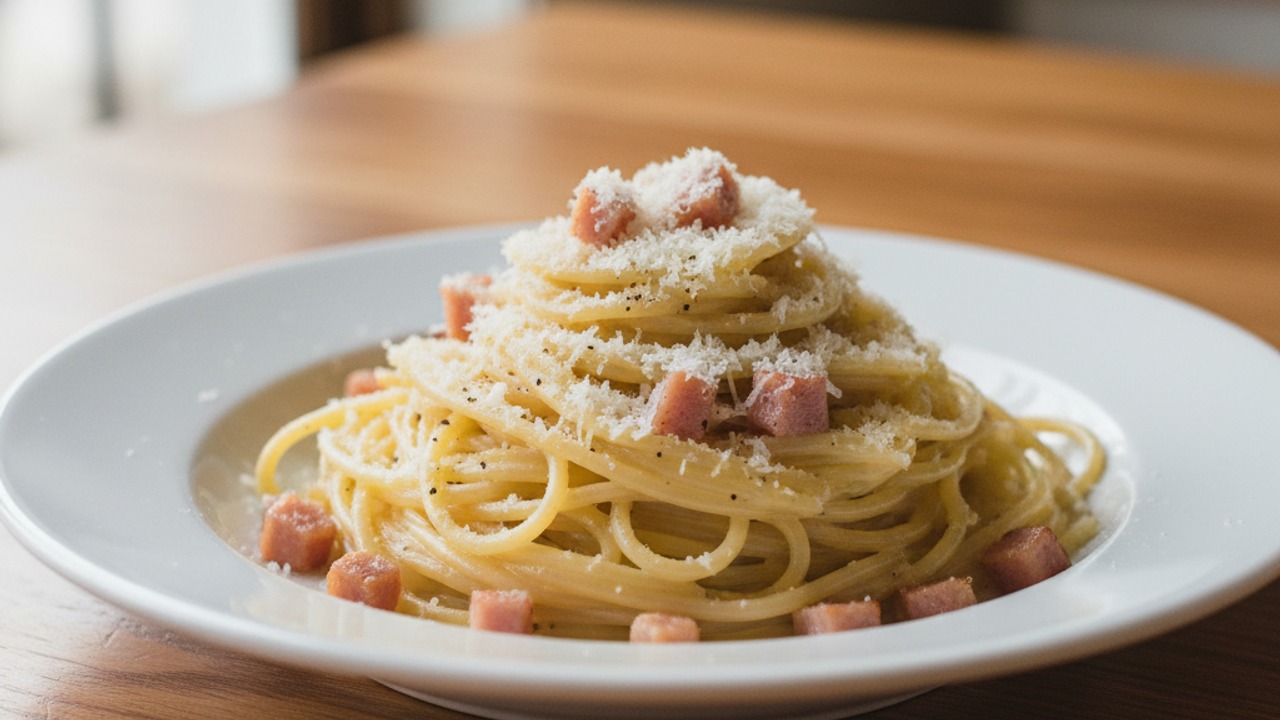
A rich, silky carbonara with a hint of garlic and a touch of cream for extra silkiness. Ready in about 25 minutes, it’s a quick, comforting stovetop sauce that clings to long pasta for a restaurant-style weeknight meal.
Ingredient Spotlight
Pancetta
Pancetta is an Italian cured pork belly, typically salt-cured and spiced but not smoked, used much like bacon in Italian cooking. It has a rich, porky flavor with a silky mouthfeel from the fat and a mildly sweet, savory profile. You’ll find it at well-stocked supermarkets, the deli or charcuterie counter, Italian markets, or specialty food shops. If you can’t find it, a good substitute is unsmoked thick-cut bacon (use sparingly or rinse briefly to reduce smoke) or guanciale if available.
Ingredient Spotlight
Guanciale
Guanciale is Italian cured pork jowl (cheek) prized for its high fat content, intense pork flavor, and a slightly sweet, savory finish often with peppery notes; it’s a classic ingredient in Roman dishes like carbonara and amatriciana. Compared with pancetta it’s richer and more unctuous, rendering glossy, flavorful fat when cooked. It’s less common in mainstream U.S. groceries but sold at Italian delis, specialty butchers, some upscale supermarkets, or online purveyors. If you can’t source guanciale, use pancetta or unsmoked, thick-cut bacon as a substitute, though the flavor and fat rendering will differ.
Jake Woods's note
"This version keeps the classic egg-and-cheese base but adds a splash of cream and garlic for extra silk and flavor — great for busy weeknights when you want something indulgent but fast. Finish with extra Parmesan and freshly cracked black pepper for the best bite."
About This Recipe
This Carbonara Garlic Cream Sauce is built to feel both indulgent and approachable: the backbone is classic carbonara — salty, crisp pancetta (or guanciale), freshly cracked black pepper, and a generous handful of grated Parmesan — but a splash of cream smooths and stabilizes the emulsion so the sauce stays silky even after a quick toss. The result clings to long strands of spaghetti, coating each bite with a glossy, velvety sauce that still lets the savory pork and a gentle garlic note sing through. Texture is everything here; you want contrast between the creamy sauce and the toothsome pasta plus the small pops of rendered fat from the pancetta.
This version works particularly well for weeknight dinners and low-effort entertaining because it’s forgiving: the cream lowers the risk of scrambled eggs while the reserved hot pasta water does the heavy lifting in creating an emulsion. Use good Parmigiano-Reggiano (or a mix with Pecorino if you like a sharper edge) and don’t skimp on freshly ground black pepper — it’s the aromatic anchor. With 25 minutes from pot to plate, it rewards attention to temperature and timing more than culinary acrobatics, so you get restaurant-style silk without the stress.
Ingredients for Carbonara Garlic Cream Sauce
- 12 oz Spaghetti
- 1 tbsp Kosher salt (for pasta water)
- 6 oz Pancetta or guanciale, diced
- 1 tbsp Olive oil
- 3 cloves Garlic, minced
- 1/2 cup Heavy cream
- 2 large Large eggs
- 1 yolk Egg yolk
- 1 cup Freshly grated Parmesan
- 1 tsp Freshly ground black pepper
How to Make Carbonara Garlic Cream Sauce
Step 1: Cook the pasta
Bring a large pot of water to a rolling boil and add the kosher salt. Cook the spaghetti until just al dente according to package directions (usually 8–10 minutes). Before draining, reserve about 1 cup (240 ml) of the pasta cooking water, then drain the pasta and set aside.For this step
- 12 ozSpaghetti
- 1 tbspKosher salt (for pasta water)
Step 2: Render the pancetta and garlic
While the pasta cooks, heat a large skillet over medium heat and add the olive oil. Add the diced pancetta (or guanciale) and cook until browned and crisp, about 6–8 minutes. Add the minced garlic in the last 30–45 seconds and sauté until fragrant — do not burn. Remove the pan from heat and keep the pancetta in the pan.For this step
- 6 ozPancetta or guanciale, diced
- 1 tbspOlive oil
- 3 clovesGarlic, minced
Step 3: Whisk the egg-cream mixture
In a medium bowl, whisk together the heavy cream, whole eggs, egg yolk, and grated Parmesan until smooth. Add the freshly ground black pepper and whisk until combined. This mixture will form the silky sauce when tempered with pasta heat.For this step
- 1/2 cupHeavy cream
- 2 largeLarge eggs
- 1 yolkEgg yolk
- 1 cupFreshly grated Parmesan
- 1 tspFreshly ground black pepper
Step 4: Combine pasta and sauce off the heat
Add the drained spaghetti to the skillet with the pancetta off the direct heat (pan warm, not hot). Immediately pour the egg-cream-Parmesan mixture over the pasta and toss vigorously with tongs to coat. Add reserved pasta water a few tablespoons at a time as you toss to loosen and emulsify into a glossy, creamy sauce. Keep tossing until the sauce thickens and clings to the strands—about 1–2 minutes; avoid returning the pan to high heat or you may scramble the eggs.Step 5: Finish and serve
Taste and adjust seasoning with a little more black pepper or salt if needed. Divide among 4 plates and sprinkle extra grated Parmesan and an extra crack of black pepper on each. Serve immediately while the sauce is silky and warm.


- Bring a large pot of water to a rolling boil and add the kosher salt. Cook the spaghetti until just al dente according to package directions (usually 8–10 minutes). Before draining, reserve about 1 cup (240 ml) of the pasta cooking water, then drain the pasta and set aside.
- While the pasta cooks, heat a large skillet over medium heat and add the olive oil. Add the diced pancetta (or guanciale) and cook until browned and crisp, about 6–8 minutes. Add the minced garlic in the last 30–45 seconds and sauté until fragrant — do not burn. Remove the pan from heat and keep the pancetta in the pan.
- In a medium bowl, whisk together the heavy cream, whole eggs, egg yolk, and grated Parmesan until smooth. Add the freshly ground black pepper and whisk until combined. This mixture will form the silky sauce when tempered with pasta heat.
- Add the drained spaghetti to the skillet with the pancetta off the direct heat (pan warm, not hot). Immediately pour the egg-cream-Parmesan mixture over the pasta and toss vigorously with tongs to coat. Add reserved pasta water a few tablespoons at a time as you toss to loosen and emulsify into a glossy, creamy sauce. Keep tossing until the sauce thickens and clings to the strands—about 1–2 minutes; avoid returning the pan to high heat or you may scramble the eggs.
- Taste and adjust seasoning with a little more black pepper or salt if needed. Divide among 4 plates and sprinkle extra grated Parmesan and an extra crack of black pepper on each. Serve immediately while the sauce is silky and warm.
Carbonara Garlic Cream Sauce Tips
Reserve extra water
Keep at least 1 cup of starchy cooking water so you can adjust texture; add it a few tablespoons at a time to achieve a glossy emulsion without thinning the sauce.
Off-heat assembly
Combine the egg-cream mixture with pasta only off the direct heat to prevent scrambling; residual pan heat plus tossing will thicken the sauce gently.
Render pancetta thoroughly
Cook the pancetta until deeply browned and crisp so it contributes concentrated flavor and crunchy texture rather than chewy bits.
Grate cheese fresh
Use freshly grated Parmesan for a smoother melt and truer flavor; pre-grated cheese contains anti-caking agents that can affect texture.
Mind the garlic timing
Add minced garlic only in the last 30–45 seconds of cooking the pancetta to release aroma without bitter char.
Carbonara Garlic Cream Sauce Variations and Substitutions
No-cream 'True' Carbonara
Omit the heavy cream and add an extra egg yolk and 2–3 tablespoons more cheese; rely on hot pasta water to emulsify into a silky sauce like Roman-style carbonara.
Guanciale for authenticity
Swap pancetta for guanciale when available — its higher fat content and pork cheek flavor give a richer, slightly sweeter finish that’s traditional in Italy.
Vegetarian Mushroom Carbonara
Replace pancetta with a mix of finely diced cremini or shiitake mushrooms sautéed until caramelized and finish with a pinch of smoked paprika for a savory, smoky note.
Pecorino Sharp Twist
Use Pecorino Romano or a 50/50 mix with Parmesan for a tangier, saltier bite; decrease added salt in the pasta water to compensate.
How to Store and Make Carbonara Garlic Cream Sauce Ahead
Store leftovers in an airtight container in the refrigerator for up to 2 days; the sauce will thicken as the starch and fat set. Reheat gently in a skillet over low heat with a splash of milk or reserved pasta water, tossing until loose and glossy—avoid microwave reheating at high power to prevent curdling. Freezing is not recommended because the cream and egg components separate on thawing.
What to Serve With Carbonara Garlic Cream Sauce
Serve with a simple bitter salad (arugula, radicchio) dressed in lemon vinaigrette to cut the richness, and lightly roasted asparagus or sautéed broccolini on the side. For wine, pick a crisp Italian white like Verdicchio or Pinot Grigio, or a light red such as Chianti; finish each plate with extra grated Parmesan and a generous crack of black pepper.
Carbonara Garlic Cream Sauce FAQs
Can I skip the cream entirely?
Yes — omit the cream and add an extra egg yolk and a few more tablespoons of cheese; rely on starchy pasta water to make a proper emulsion, but be more careful with heat to avoid scrambling.
Why did my sauce scramble and how do I fix it?
Scrambling happens if the eggs hit too much direct heat; remove the pan from the burner and rapidly toss with reserved hot pasta water to loosen the sauce, or temper the eggs by whisking a few tablespoons of hot pasta water into the egg mixture before combining.
Is bacon an acceptable substitute for pancetta?
Bacon works in a pinch, but because it’s smoked and often thinner, cook it until crisp and consider reducing any additional salt; the flavor will be smokier than with pancetta or guanciale.
How can I scale this recipe for more people?
Increase ingredients proportionally but be mindful of the pan size; you may want to cook pasta in batches and combine in a large bowl when tossing to ensure even coating and temperature control.
Should I salt the sauce?
Taste before adding salt — the pancetta and Parmesan are already salty, so you may only need a small adjustment after tossing with pasta water.
About the author
Jake WoodsHello, I'm Jake. I started this recipe site with the idea that I hated recipe websites that overwhelm you with long stories and ads just to see plain content that's not helpful. My goal is to provide you with quality recipes, simple ideas and a fun cooking experience. There's lots of fun things to cook, and I think as you browse the site you'll find that TopShelf.Recipes is the place for quality recipes on the web.
See all recipes by Jake Woods →Ratings & Reviews
Did you make this recipe?
Be the first to share your experience.
Nutrition Facts
Per serving: about 1½ cups
Nutrition values are estimated from USDA ingredient data and may vary based on preparation, brands, and portion sizes. Values are provided for informational purposes only.
Keep Reading
Guides & articles for this recipe

Healthy Eating
Gluten-Free Weeknight Grilling Plan
A 7-day gluten-free weeknight grilling plan with quick, family-friendly recipes, prep-ahead timelines, and a printable shopping list that spotlights late-summer produce and pantry staples. Includes clear cross-contamination safety tips and simple swaps to keep dinners fast and crowd-pleasing.

Healthy Eating
Low-Fat Grill Swaps for Big Flavor
A practical guide to trimming fat from grilled meals without losing juiciness or char. Learn yogurt- and citrus-based marinades, lean protein picks, searing and indirect-heat tricks, plus 5 quick low-fat marinades and a simple weeknight plan.

Recipes
DIY Edible Monster Eyes Candy
Make safe, fun edible monster eyes for cupcakes, cookies, and candy trays. Step-by-step recipes show baking-soda balls, chocolate and fondant eyes, wafer-print options, plus assembly, storage, and kid-friendly safety tips.
More from General
View all General recipes →
Easy Peanut Butter Bars

Lemon Butter Salmon

Honey Garlic Glazed Salmon

One-pot Portuguese Chicken and Rice

Huli Huli Chicken

Summer Berry Trifle

Blueberry Cheesecake Cookies

Viral Dr Pepper Butter

Deep Fried Mini Apple Fritters
Ask me anything about this recipe — substitutions, scaling, techniques, timing.
Powered by AI · 6 questions per 5 minutes, 30 per day