Classic Celeriac Purée (Celery Root Purée) — Silky Steakhouse Side
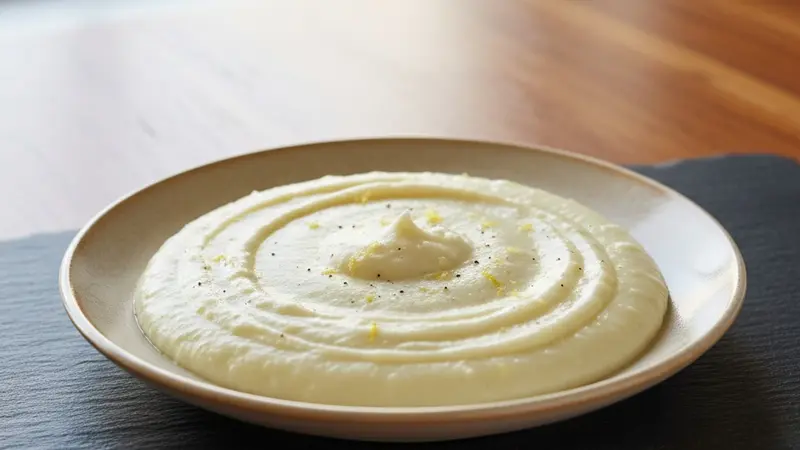
A velvety celeriac (celery root) purée that reads like a steakhouse classic—silky, lightly nutty and brightened with lemon and fresh nutmeg. It’s a lower-carb, elegant side that pairs beautifully with roast or grilled beef.
Ingredient Spotlight
Celeriac (celery root), peeled and cut into 1" cubes
Celeriac is the knobby root of a celery variety, long used in European cooking (notably French). It has an earthy, slightly nutty flavor with a mild celery note and a starchy texture well suited to mashes, purees and braises. You can find it in the produce section of larger supermarkets, specialty grocers or farmers' markets; look for firm, heavy roots without soft spots. If you can't find it, substitute peeled potatoes or parsnips combined with a few chopped celery stalks to add the celery character.
Ingredient Spotlight
Freshly grated nutmeg
This refers to whole nutmeg grated fresh rather than pre-ground; nutmeg is a warm, sweet, aromatic spice originally from the Banda Islands (Moluccas). Freshly grated nutmeg is more fragrant and complex than pre-ground and is traditionally used in cream sauces, egg dishes and root-vegetable purées. Whole nutmeg is sold in the spice aisle at most grocery stores and specialty shops. If you don't have whole nutmeg, use a pinch of ground nutmeg (start with less) or mace (the nutmeg’s outer aril) as the closest substitute.
Ingredient Spotlight
White pepper (or black), ground
White pepper is made from ripe peppercorns with the outer skin removed, and is common in European and some Asian cuisines where a milder, less floral pepper note and a pale appearance in sauces is desired. It tastes earthier and slightly fermented compared with black pepper and is often used in light-colored purées and cream sauces to avoid dark specks. You can find ground white pepper in the spice aisle or whole white peppercorns in specialty shops. If unavailable, use ground black pepper (it will be bolder and will leave dark flecks) or reduce the amount to avoid overpowering delicate dishes.
Jake Woods's note
"This purée is deceptively simple—silky texture comes from a hot blender and a bit of patience. It’s an ideal side for special-occasion steaks or Sunday roasts and scales easily for a crowd."
About This Recipe
Celeriac purée is one of those quietly sophisticated sides that looks like a steakhouse luxury but is startlingly simple to pull off at home. The flesh of celery root is denser and earthier than potato, with a faint celery-sage aroma; puréed hot and finished with butter and cream it becomes silkier than you expect, with a slightly nutty backbone. In this version I lean into bright accents—lemon juice and zest cut the richness, while a whisper of freshly grated nutmeg lifts the savory flavors and keeps the purée from tasting flat. Using a little of the reserved cooking liquid instead of adding too much cream preserves that velvety texture without watering down the flavor.
This dish is intentionally versatile: serve it as the elegant bed for a simply seared ribeye or alongside roasted pork and winter vegetables. The technique—boiling to tenderness, blending while hot, and optionally passing through a fine mesh—keeps the texture uniformly smooth, which is what makes it feel like a restaurant purée at home. If you prefer deeper, caramelized notes, the roast-and-blend variation concentrates flavor beautifully and still finishes into a luxurious, low-carb side worthy of special occasions or an elevated weeknight meal.
Ingredients for Classic Celeriac Purée (Celery Root Purée) — Silky Steakhouse Side
- 2 lb Celeriac (celery root), peeled and cut into 1" cubes
- 1 1/2 tsp Kosher salt
- 4 tbsp Unsalted butter
- 1/2 cup Heavy cream
- 1 tbsp Fresh lemon juice
- 1 tsp Fresh lemon zest
- 1/4 tsp Freshly grated nutmeg
- 1/4 tsp White pepper (or black), ground
- 2 tbsp Extra-virgin olive oil (for dairy-free option or finishing)
How to Make Classic Celeriac Purée (Celery Root Purée) — Silky Steakhouse Side
Step 1: Peel and cube the celeriac; start the simmer
Trim and peel the celeriac and cut into roughly 1-inch (2.5 cm) cubes so they cook evenly. Place the cubes in a large saucepan and cover with cold water by about 1 inch; add 1 teaspoon of the kosher salt. Bring to a gentle boil over medium-high heat, then reduce to a simmer.
Step 2: Cook until tender and reserve cooking liquid
Simmer the celeriac until very tender when pierced with a fork, about 18–25 minutes depending on cube size. Carefully drain, reserving up to 1 cup (240 ml) of the cooking liquid — you’ll use a little at a time to loosen the purée if needed.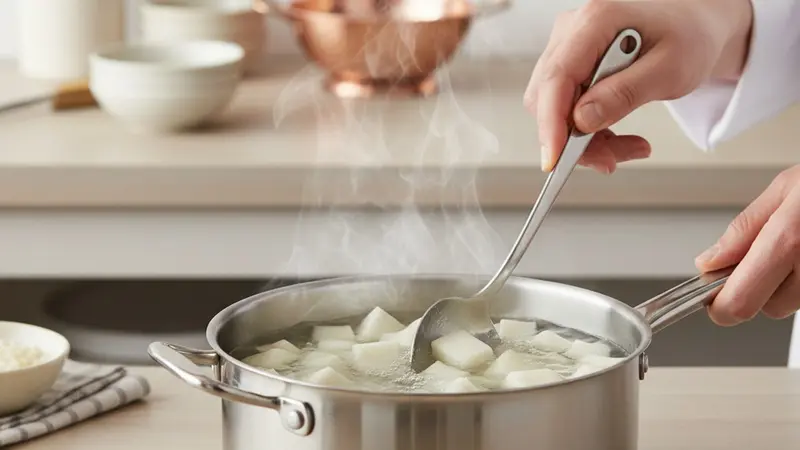
Step 3: Blend to a silky purée with butter, cream, lemon and spice
While the celeriac is hot, transfer half to a blender or food processor with the butter, heavy cream, lemon juice, lemon zest, freshly grated nutmeg, the remaining 1/2 teaspoon salt and white pepper. Add 2–3 tablespoons of the reserved cooking liquid and blend until smooth and velvety, stopping to scrape the sides; add more warm cooking liquid a tablespoon at a time if it’s too thick. Work in the remaining cubes in a second batch and then combine, or blend the whole lot in a sufficiently large blender. Taste and adjust salt, pepper and lemon.For this step
- 4 tbspUnsalted butter
- 1/2 cupHeavy cream
- 1 tbspFresh lemon juice
- 1 tspFresh lemon zest
- 1/4 tspFreshly grated nutmeg
- 1/4 tspWhite pepper (or black), ground

Step 4: Finish, strain if desired, and serve
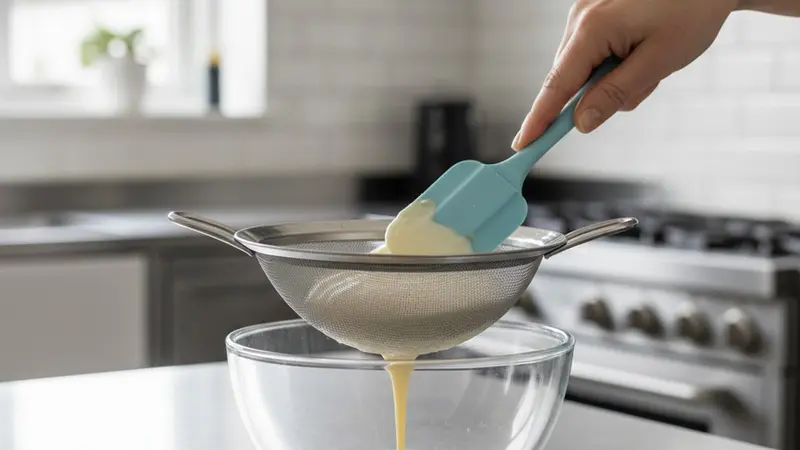
For an extra-silky finish, push the purée through a fine-mesh sieve with a spatula. For a dairy-free version, substitute the butter + cream with 2–3 tablespoons extra-virgin olive oil and 1/4 cup (60 ml) unsweetened non-dairy milk or reserved cooking liquid, blending until smooth. Spoon onto plates, finish with a small drizzle of olive oil and a light grating of nutmeg if you like, and serve warm alongside roast or grilled beef.For this step
- 2 tbspExtra-virgin olive oil (for dairy-free option or finishing)
Step 5: Make-ahead notes and roasted variation
Make ahead: cool completely, cover and refrigerate up to 3 days (reheat gently over low heat, stirring in a splash of cream or warm cooking liquid). Roasted variation: toss peeled cubes with 2 tbsp olive oil and 1/2 tsp salt, roast on a rimmed sheet at 425°F (220°C) for 30–40 minutes until caramelized and tender, then blend as above for a deeper, caramelized flavor.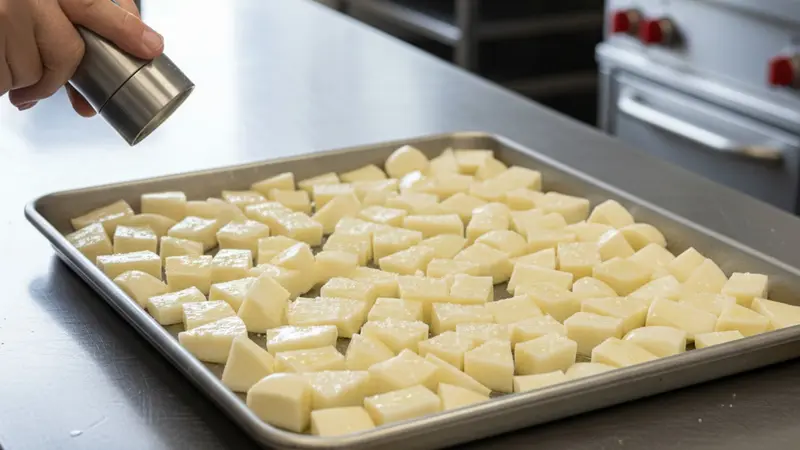
- Trim and peel the celeriac and cut into roughly 1-inch (2.5 cm) cubes so they cook evenly. Place the cubes in a large saucepan and cover with cold water by about 1 inch; add 1 teaspoon of the kosher salt. Bring to a gentle boil over medium-high heat, then reduce to a simmer.
- Simmer the celeriac until very tender when pierced with a fork, about 18–25 minutes depending on cube size. Carefully drain, reserving up to 1 cup (240 ml) of the cooking liquid — you’ll use a little at a time to loosen the purée if needed.
- While the celeriac is hot, transfer half to a blender or food processor with the butter, heavy cream, lemon juice, lemon zest, freshly grated nutmeg, the remaining 1/2 teaspoon salt and white pepper. Add 2–3 tablespoons of the reserved cooking liquid and blend until smooth and velvety, stopping to scrape the sides; add more warm cooking liquid a tablespoon at a time if it’s too thick. Work in the remaining cubes in a second batch and then combine, or blend the whole lot in a sufficiently large blender. Taste and adjust salt, pepper and lemon.
- For an extra-silky finish, push the purée through a fine-mesh sieve with a spatula. For a dairy-free version, substitute the butter + cream with 2–3 tablespoons extra-virgin olive oil and 1/4 cup (60 ml) unsweetened non-dairy milk or reserved cooking liquid, blending until smooth. Spoon onto plates, finish with a small drizzle of olive oil and a light grating of nutmeg if you like, and serve warm alongside roast or grilled beef.
- Make ahead: cool completely, cover and refrigerate up to 3 days (reheat gently over low heat, stirring in a splash of cream or warm cooking liquid). Roasted variation: toss peeled cubes with 2 tbsp olive oil and 1/2 tsp salt, roast on a rimmed sheet at 425°F (220°C) for 30–40 minutes until caramelized and tender, then blend as above for a deeper, caramelized flavor.
Classic Celeriac Purée (Celery Root Purée) — Silky Steakhouse Side Tips
Cube evenly for uniform cooking
Cut celeriac into 1-inch cubes so pieces cook at the same rate—undersized cubes can become waterlogged while oversized ones stay fibrous.
Use hot blending technique
Always transfer the celeriac to the blender while still hot and add warm cooking liquid a tablespoon at a time to achieve a silkier emulsion without chilling the mix.
Reserve cooking liquid
Save up to a cup of the poaching water; its starch helps bind and loosen the purée without diluting flavor like plain water would.
Grate nutmeg fresh
Freshly grated nutmeg is brighter and more floral than pre-ground; start with a scant amount and adjust to avoid overpowering the citrus notes.
Sieve for restaurant-silkiness
If you want the ultimate smooth finish, push the purée through a fine-mesh sieve with a rubber spatula—this removes any fibrous bits and polishes the texture.
Classic Celeriac Purée (Celery Root Purée) — Silky Steakhouse Side Variations and Substitutions
Roasted Celeriac Purée
Toss cubes with olive oil and roast at 425°F until caramelized, then blend—this concentrates sugars and adds a deeper, toasted flavor that pairs well with game.
Dairy-free Olive Oil Finish
Replace butter and cream with 2–3 tablespoons extra-virgin olive oil and 1/4 cup unsweetened plant milk, blending until silky for a vegan, rich finish.
Herb and Garlic Twist
Sweat a clove of garlic in butter until soft, stir into the purée with a tablespoon of chopped chives or tarragon for a fresher herbal lift.
Parsnip-Celeriac Blend
Swap half the celeriac for parsnip for a slightly sweeter, more rustic purée that still keeps the celery-root backbone and reduces cream needs.
How to Store and Make Classic Celeriac Purée (Celery Root Purée) — Silky Steakhouse Side Ahead
Cool the purée completely before transferring to an airtight container; it will keep in the refrigerator for up to 3 days. Reheat gently over low heat on the stovetop, stirring and loosening with a splash of cream or reserved cooking liquid to restore silkiness; avoid high heat which can separate fats. You can freeze the purée for up to 2 months—thaw overnight in the fridge and re-whisk with warm liquid before serving.
What to Serve With Classic Celeriac Purée (Celery Root Purée) — Silky Steakhouse Side
Spoon the purée in a shallow pool on the plate and rest a sliced steak or braised short rib across it so the juices mingle with the celeriac. Bright, acidic condiments—like a red wine reduction, chimichurri, or a gremolata—cut through the richness; include roasted root vegetables and a bitter green (charred radicchio or broccolini) for contrast. For wine, choose a medium-bodied red such as a Malbec or an earthy Pinot Noir to complement the nutty root flavors.
Classic Celeriac Purée (Celery Root Purée) — Silky Steakhouse Side FAQs
Can I peel celeriac ahead of time?
Yes, you can peel and cube celeriac a day ahead; store the pieces submerged in cold water in the refrigerator to prevent browning and rinse before cooking.
Why use white pepper instead of black?
White pepper blends into the pale purée without black specks and has a slightly earthier, less aromatic bite that pairs well with nutmeg and lemon in delicate-root purées.
My purée is grainy—what went wrong?
Graininess can come from undercooked celeriac or insufficient blending; make sure pieces are very tender and blend while hot, adding warm liquid gradually, or push the final purée through a fine sieve.
How much lemon should I add?
Start with the recipe’s 1 tablespoon of juice and 1 teaspoon zest, then taste—citrus should brighten but not dominate; small increments keep balance intact.
Is this suitable for low-carb diets?
Yes; celeriac is significantly lower in carbs than potatoes, and using olive oil instead of cream and butter further reduces saturated fat while keeping a silky mouthfeel.
About the author
Jake WoodsHello, I'm Jake. I started this recipe site with the idea that I hated recipe websites that overwhelm you with long stories and ads just to see plain content that's not helpful. My goal is to provide you with quality recipes, simple ideas and a fun cooking experience. There's lots of fun things to cook, and I think as you browse the site you'll find that TopShelf.Recipes is the place for quality recipes on the web.
See all recipes by Jake Woods →Ratings & Reviews
Did you make this recipe?
Be the first to share your experience.
Nutrition Facts
Per serving: 3 tsp
Nutrition values are estimated from USDA ingredient data and may vary based on preparation, brands, and portion sizes. Values are provided for informational purposes only.
Keep Reading
Guides & articles for this recipe

Tips & Techniques
How to Grill Lobster Tails Perfectly
Step-by-step tips for buying, prepping, and grilling lobster tails so they come out tender, not rubbery. Covers butterflying, two grilling methods, doneness cues, and simple finishing sauces to serve with confidence.

Seasonal
Thanksgiving Dinner Planning
A practical guide to planning a Thanksgiving dinner that actually gets made: build a balanced menu, schedule oven and stove time, and use make-ahead dishes to reduce day-of stress. Includes shopping and timing advice for hosts feeding a crowd or a small group.

Guides
Trending Backyard Dinner Parties for 2026: 8 Outdoor Dining Formats, Ready‑Made Menus & Host Workflows
Discover the eight backyard dining formats taking off in 2026, with plug‑and‑play menu templates, grill timing and workflow checklists, decor shortcuts, and social‑media and sustainability tips. This practical guide turns your yard into a seamless, shareable dining experience—whether you're hosting a casual progressive grill or an intimate fireside chef demo.
More from Dinner
View all Dinner recipes →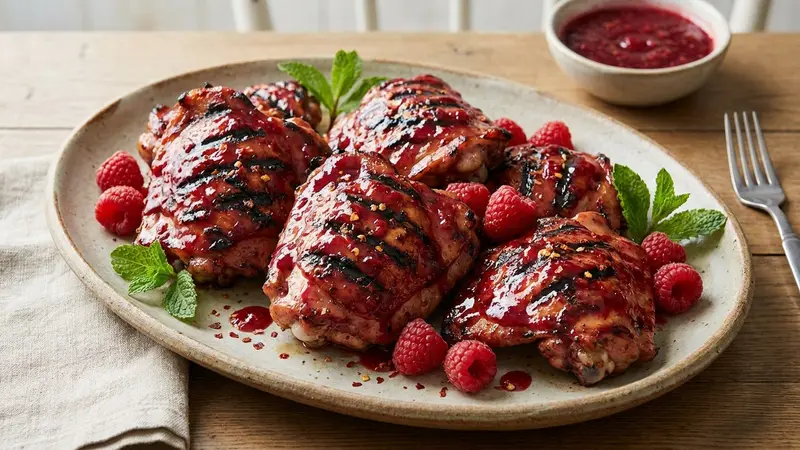
Grilled Chicken Raspberry Glaze
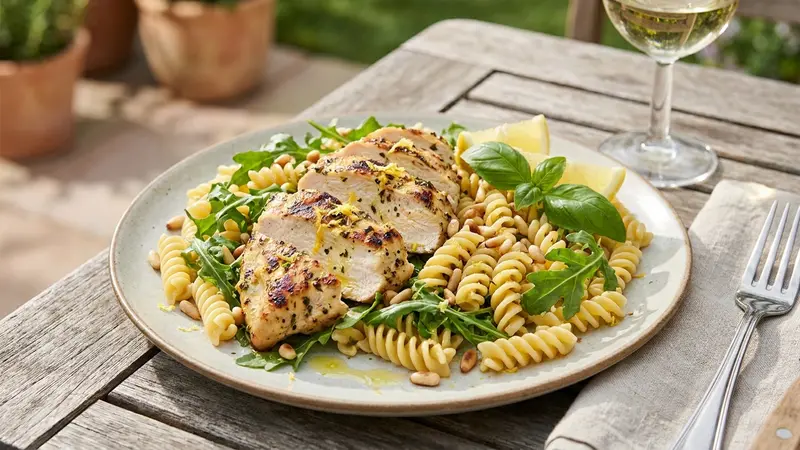
Grilled Lemon Herb Chicken Pasta with Arugula and Pine Nuts

Greek Chicken Pasta Salad with Lemon-Oregano Dressing (Make-Ahead, Healthy)

Peruvian Aji Amarillo Grilled Chicken

Citrus-Herb Grilled Chicken

Charcoal Lemon Pepper Chicken

Lemon Dijon Roasted Carrots
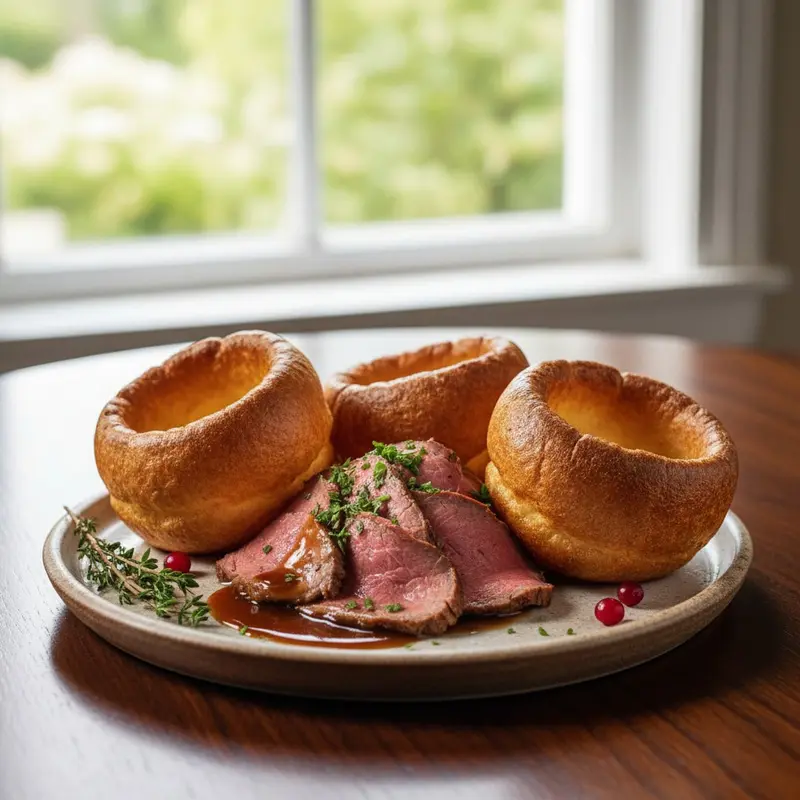
Classic Yorkshire Puddings — Crispy-Edged Roast Beef Side
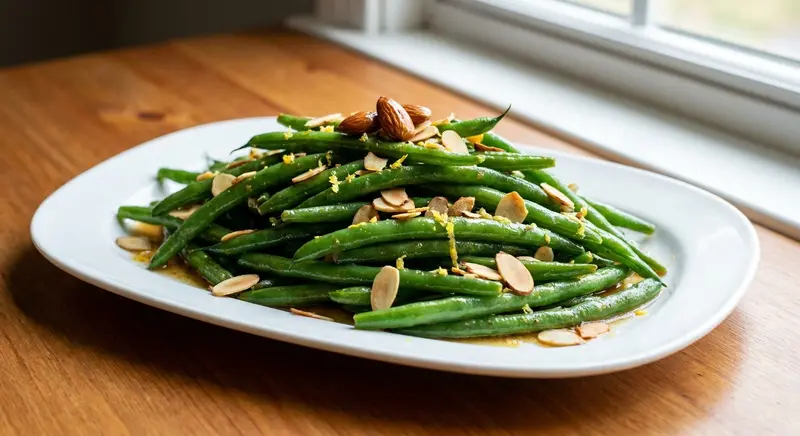
Classic Green Bean Amandine — Brown Butter, Lemon & Toasted Almonds
Ask me anything about this recipe — substitutions, scaling, techniques, timing.
Powered by AI · 6 questions per 5 minutes, 30 per day