Ginger Lemongrass Simple Syrup
A bright, aromatic simple syrup that pairs the warm, spicy bite of fresh ginger with citrusy lemongrass — ideal for craft cocktails, mocktails, or iced tea. It balances punchy flavor with clean sweetness and stores well for weeks, making it a go-to for Asian-inspired drinks and refreshing beverages.
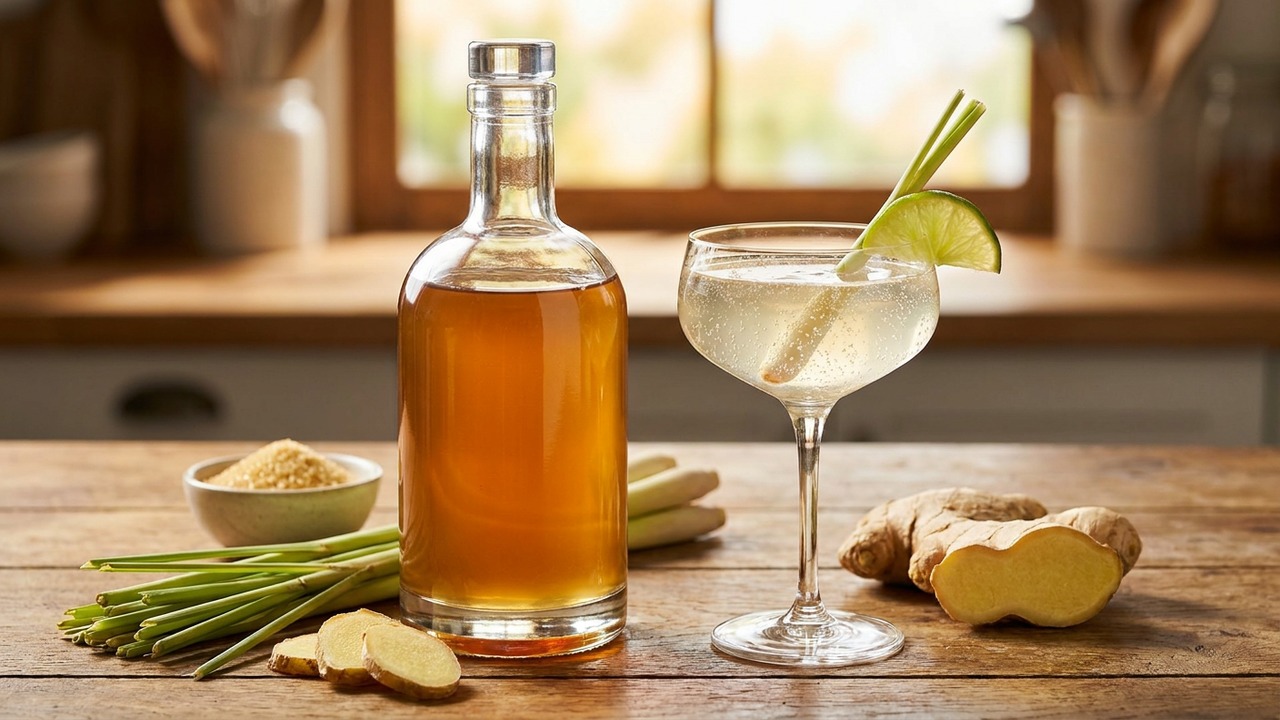
Ingredient Spotlight
Lemongrass stalks, trimmed and bruised (outer layers removed)
A tall tropical grass used widely in Southeast Asian cuisines (Thai, Vietnamese, Malaysian); the tender inner stalk is aromatic and used whole or chopped. It has a bright, citrusy, slightly floral and ginger-like aroma and flavor that infuses soups, curries, and marinades. Find fresh stalks in the produce section of Asian markets and many large supermarkets, or use frozen/paste forms; a common substitute is a combination of lime or lemon zest plus a small amount of fresh ginger (or 1 tsp lemongrass paste per stalk) to approximate the citrus-ginger notes.
Jake Woods's note
"This syrup elevates ordinary drinks with a fresh herbal brightness — perfect for summer cocktails or warming winter toddies. Home cooks will love its simplicity and the way a small amount transforms drinks with big flavor."
About This Recipe
This ginger-lemongrass simple syrup is built around contrast: the back-of-the-throat warmth of fresh ginger cut by the bright, citrusy perfume of bruised lemongrass and a flash of lime zest. Because the aromatics steep rather than boil aggressively, the syrup captures volatile oils that make a drink smell like summer even in the dead of winter. A pinch of sea salt rounds the edges, lifting both the sweetness and the aromatics so cocktails and iced teas taste clean instead of cloying.
I keep a jar of this syrup in the fridge as a one-step ticket to elevated beverages — a tablespoon into sparkling water becomes a restaurant-worthy refresher, and the same measure in a shaken cocktail partners beautifully with gin, rum or tequila. The method is forgiving: thin slicing ginger and bruising the lemongrass releases more flavor with less cooking, and the optional tablespoon of neutral spirit helps preserve the syrup if you make larger batches. Use 1/2–1 tablespoon at a time and tweak based on how pronounced you want the ginger-lemongrass character to be.
Ingredients for Ginger Lemongrass Simple Syrup
- 1 1/2 cups Water
- 1 1/2 cups Granulated sugar
- 2 oz Fresh ginger (peeled and thinly sliced)
- 3 stalks Lemongrass stalks (trimmed, bruised and halved)
- 1 tsp Fresh lime zest (from 1 lime)
- a pinch Fine sea salt
- 1 tbsp Neutral spirit (vodka) — optional, for preservation
How to Make Ginger Lemongrass Simple Syrup
Step 1: Prepare the aromatics
Peel and thinly slice the fresh ginger. Trim the lemongrass, bruise the stalks with the back of a knife and halve them lengthwise to release oils. Zest one lime and set the zest aside; keep the zest with the sliced ginger and lemongrass until ready to infuse.For this step
- 2 ozFresh ginger (peeled and thinly sliced)
- 3 stalksLemongrass stalks (trimmed, bruised and halved)
- 1 tspFresh lime zest (from 1 lime)
Step 2: Make the simple syrup base
Combine the water and granulated sugar in a medium saucepan over medium heat. Stir until the sugar fully dissolves and the mixture comes to a gentle simmer, about 3–4 minutes; do not boil vigorously.For this step
- 1 1/2 cupsWater
- 1 1/2 cupsGranulated sugar
Step 3: Infuse with ginger, lemongrass and lime
Add the sliced ginger, bruised lemongrass and lime zest to the simmering syrup. Lower the heat and simmer gently for 8–10 minutes to extract flavor, then remove the pan from the heat and let the aromatics steep in the syrup for 20–30 minutes for a stronger profile.Step 4: Strain and finish
Strain the cooled syrup through a fine-mesh sieve or cheesecloth into a clean jar, pressing the solids to extract all liquid. Stir in a small pinch of fine sea salt and, if using, 1 tablespoon of neutral spirit to extend shelf life and add body. Cool to room temperature.For this step
- a pinchFine sea salt
- 1 tbspNeutral spirit (vodka) — optional, for preservation
Step 5: Store and use
Transfer the syrup to a sealed bottle or jar and refrigerate. It will keep 2–3 weeks (longer if you add the optional spirit). Use 1/2–1 tablespoon per cocktail, soda or iced tea, adjusting to taste.


- Peel and thinly slice the fresh ginger. Trim the lemongrass, bruise the stalks with the back of a knife and halve them lengthwise to release oils. Zest one lime and set the zest aside; keep the zest with the sliced ginger and lemongrass until ready to infuse.
- Combine the water and granulated sugar in a medium saucepan over medium heat. Stir until the sugar fully dissolves and the mixture comes to a gentle simmer, about 3–4 minutes; do not boil vigorously.
- Add the sliced ginger, bruised lemongrass and lime zest to the simmering syrup. Lower the heat and simmer gently for 8–10 minutes to extract flavor, then remove the pan from the heat and let the aromatics steep in the syrup for 20–30 minutes for a stronger profile.
- Strain the cooled syrup through a fine-mesh sieve or cheesecloth into a clean jar, pressing the solids to extract all liquid. Stir in a small pinch of fine sea salt and, if using, 1 tablespoon of neutral spirit to extend shelf life and add body. Cool to room temperature.
- Transfer the syrup to a sealed bottle or jar and refrigerate. It will keep 2–3 weeks (longer if you add the optional spirit). Use 1/2–1 tablespoon per cocktail, soda or iced tea, adjusting to taste.
Ginger Lemongrass Simple Syrup Tips
Bruise lemongrass fully
Hit each stalk with the back of a knife before halving to rupture fibers and release essential oils quickly during the short simmer.
Slice ginger thinly
Thin slices (or a coarse grate) give maximum surface area for extraction without adding fibrous texture to the finished syrup.
Keep heat gentle
Simmer just below a boil to avoid evaporating volatile citrus notes and to keep the syrup clear rather than cloudy.
Press, don’t rinse
When straining, press the aromatics into the sieve or cheesecloth to extract trapped syrup, but avoid rinsing with water which dilutes flavor.
Use salt sparingly
A tiny pinch of fine sea salt brightens flavors; add just enough to enhance sweetness without tasting salty.
Ginger Lemongrass Simple Syrup Variations and Substitutions
Honey-lemongrass syrup
Replace half of the sugar with mild honey and dissolve over low heat for a silkier mouthfeel and floral notes that pair well with whiskey or oolong tea.
Spicy chile kick
Add one sliced bird’s-eye or serrano chile during the simmer and remove when steeping is finished for a subtle, lingering heat.
Kaffir lime twist
Include 2 torn kaffir lime leaves in the steep to deepen the citrus profile—excellent for Thai-inspired cocktails or mocktails.
Reduced-sugar version
Use a 1:1 water-to-sugar ratio (by volume) for a lighter syrup and compensate with 1–2 teaspoons more per drink if stronger sweetness is desired.
How to Store and Make Ginger Lemongrass Simple Syrup Ahead
Store the syrup in a clean, airtight jar in the refrigerator where it will keep 2–3 weeks. Adding the optional tablespoon of neutral spirit can extend freshness by about one to two weeks, but it is not a substitute for proper refrigeration. For longer storage, freeze the syrup in ice cube trays for up to 3 months and thaw only the amount you need. If the syrup crystallizes or thickens, gently warm it over low heat to re-liquefy, then cool before using.
What to Serve With Ginger Lemongrass Simple Syrup
Stir 1/2–1 tablespoon into chilled green or black iced tea for a fragrant, restaurant-style pitcher; finish with fresh lime and a lemongrass stalk for garnish. In cocktails, pair it with floral gin or blanco tequila and a squeeze of citrus; serve alongside grilled shrimp, cucumber salad, or a green mango salad to echo the syrup’s Southeast Asian notes.
Ginger Lemongrass Simple Syrup FAQs
How gingery will the syrup be?
This recipe gives a pronounced but balanced ginger presence—bright and warming without overpowering. For a milder result, reduce the ginger to 1 oz or steep for a shorter time; for more bite, add an extra ounce or grate fresh ginger into the pan.
Can I use dried lemongrass?
Dried lemongrass can work in a pinch but is less aromatic; double the amount and increase steeping time to coax out flavor, or preferably use fresh for the brightest citrus oils.
Is the optional vodka necessary?
No—vodka is optional and only helps a little with preservation and mouthfeel; proper refrigeration is the primary safeguard for shelf life.
Can I reuse the ginger and lemongrass?
They’re largely spent after one use; you can simmer them again for a much weaker second batch suitable for lightly flavored iced tea, but discard if they show any sign of spoilage.
How do I adjust sweetness?
For less sweet syrup, use a 1:1 water-to-sugar ratio by volume and taste after the initial simmer, adding more sugar if you prefer. Remember that dilution in a cocktail or tea will also reduce perceived sweetness, so err on the conservative side if uncertain.
About the author
Jake WoodsHello, I'm Jake. I started this recipe site with the idea that I hated recipe websites that overwhelm you with long stories and ads just to see plain content that's not helpful. My goal is to provide you with quality recipes, simple ideas and a fun cooking experience. There's lots of fun things to cook, and I think as you browse the site you'll find that TopShelf.Recipes is the place for quality recipes on the web.
See all recipes by Jake Woods →Ratings & Reviews
Did you make this recipe?
Be the first to share your experience.
Nutrition Facts
Per serving: 1 cocktail
Nutrition values are estimated from USDA ingredient data and may vary based on preparation, brands, and portion sizes. Values are provided for informational purposes only.
Keep Reading
Guides & articles for this recipe
Guides
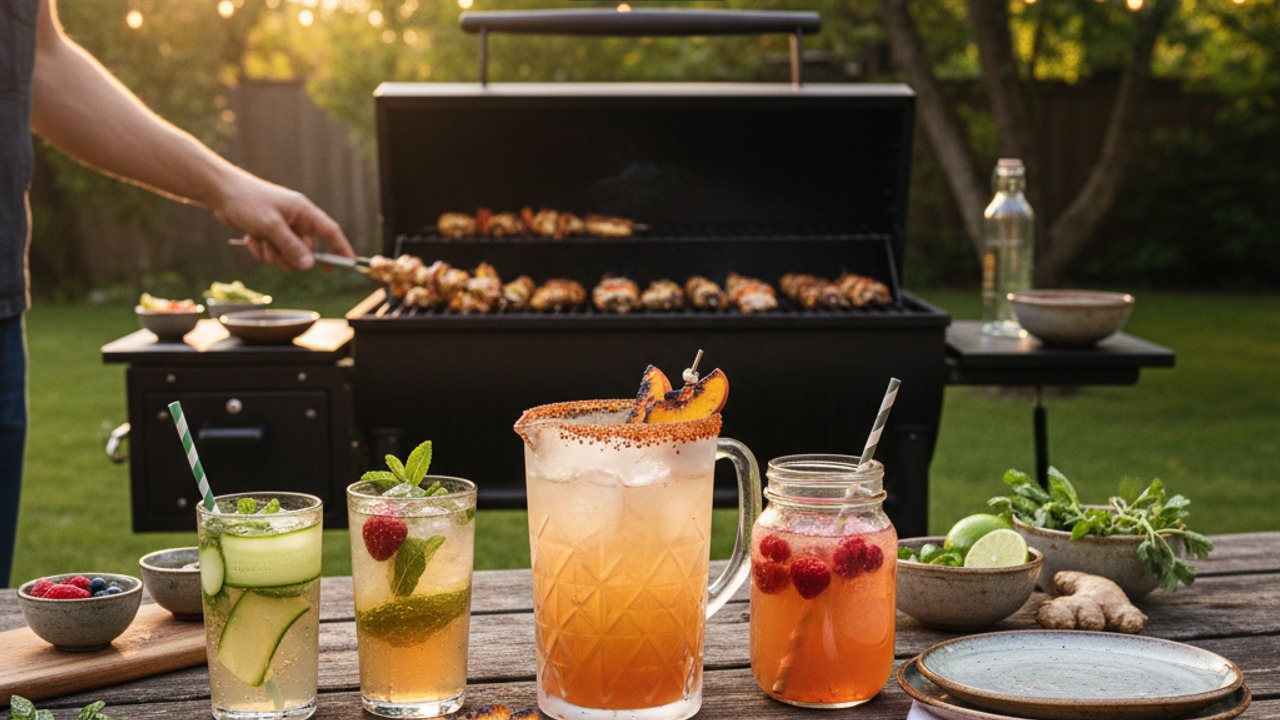
Trending Grillside Drinks for 2026: Cocktails, Low‑ABV Sippers, and Non‑Alcoholic Pairings to Elevate Backyard BBQ
Discover the hottest drinks to serve alongside summer grilling in 2026 — from smoked‑syrup cocktails and barrel‑aged RTDs to low‑ABV spritzes, shrubs, kombuchas, and tea blends. Includes batch-making tips, safety notes, and pairing suggestions for common grilled proteins and sides.
Recipes
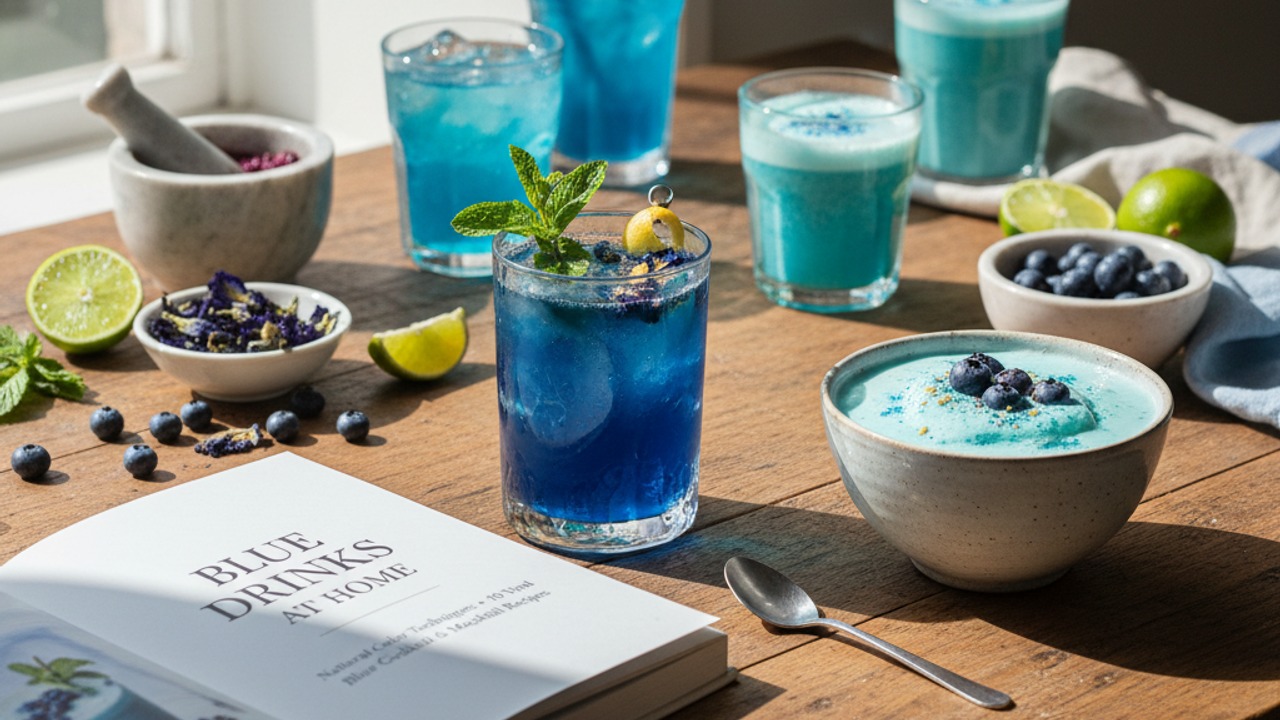
Blue Drinks at Home: Natural Color Techniques + 10 Viral Blue Cocktail & Mocktail Recipes
Discover how to make stunning blue drinks at home using natural ingredients like butterfly pea and blue spirulina. This guide includes practical techniques, storage tips, and 10 viral cocktail and mocktail recipes — many with grilled-garnish ideas for backyard entertaining.

Healthy Eating
Gluten-Free Weeknight Grilling Plan
A 7-day gluten-free weeknight grilling plan with quick, family-friendly recipes, prep-ahead timelines, and a printable shopping list that spotlights late-summer produce and pantry staples. Includes clear cross-contamination safety tips and simple swaps to keep dinners fast and crowd-pleasing.
More from Drinks
View all Drinks recipes →
Watermelon Agua Fresca (Easy Blender Recipe)

Bellini Cocktail

Maple Hot Toddy

Low-Sugar Old Fashioned

Classic Manhattan Cocktail

Non Alcoholic Manhattan

Blueberry Lavender Vodka

Black Manhattan Amaro

Cucumber Spritz
Ask me anything about this recipe — substitutions, scaling, techniques, timing.
Powered by AI · 6 questions per 5 minutes, 30 per day