Soft Chewy Gingerbread Cookies
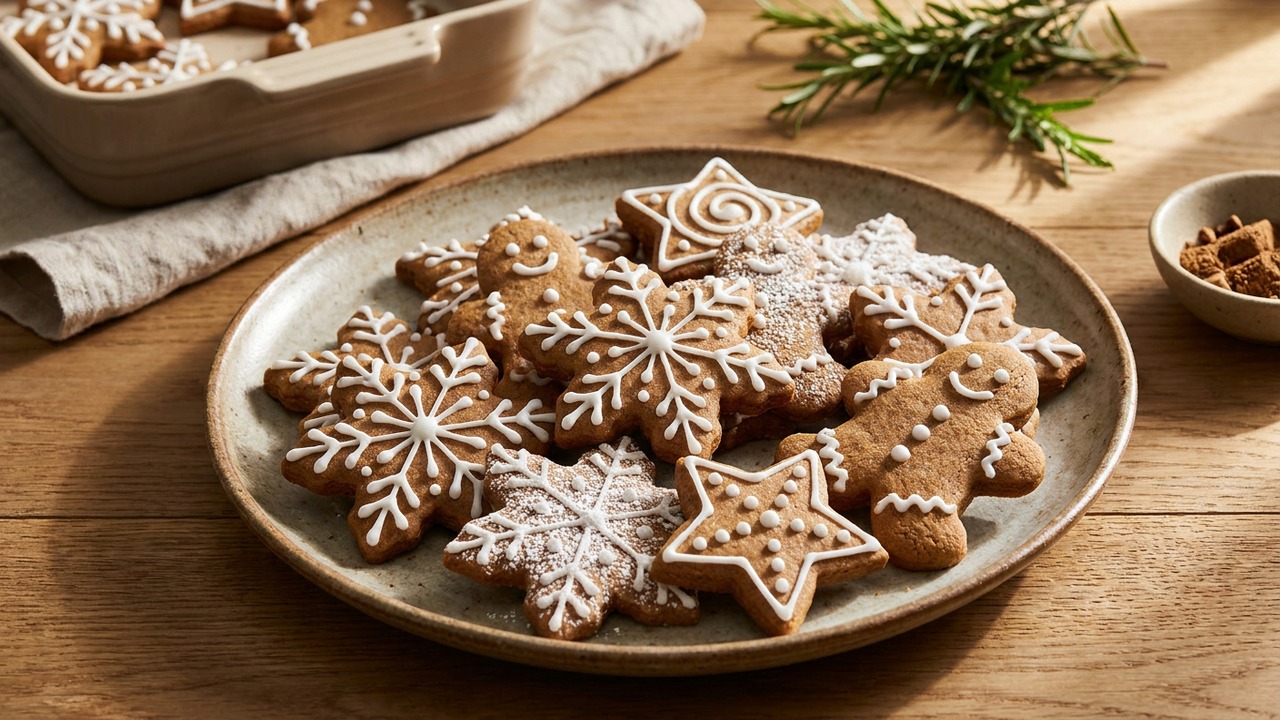
A refreshed take on classic gingerbread for 2025: tender, soft-chewy cookies flavored with warm ginger and cinnamon and finished with a professional royal icing for showstopping cookie exchanges. These cookies hold their shape beautifully while staying pillowy inside.
Jake Woods's note
"These gingerbread cookies are meant to be made ahead: chilling deepens the flavor and the royal icing gives a crisp, bakery-style finish perfect for exchanges or edible gifts. Home bakers will love how reliably soft and chewy the centers stay even after decorating."
About This Recipe
This version of gingerbread focuses on one thing: plush, soft-chewy interior with a predictable outline that takes decorating without warping. A half-cup of molasses and a generous two tablespoons of ground ginger create that warm, slightly bittersweet backbone; creaming the butter and sugar until pale and adding the dry ingredients only in two additions keeps the crumb tender rather than cakey. The dough is designed to be rolled to about 1/4 inch so cutters show crisp edges while the centers stay pillowy after an 8–12 minute bake.
Where this recipe really earns its keep is in the finishing: a stable royal icing made with powdered sugar and meringue powder gives you the glassy, hard decoration cookie-exchange aesthetics while leaving the cookie soft underneath. It’s a great recipe for serious home bakers who want decorator-level results without temperamental techniques—chill, roll, underbake slightly, and let the icing dry overnight—and you’ll end up with cookies that stack, ship, and taste like the holiday memory you want to make.
Ingredients for Soft Chewy Gingerbread Cookies
- 1 cup Unsalted butter, softened
- 1 cup Light brown sugar, packed
- 1/2 cup Molasses
- 1 large Large egg
- 3 cups All-purpose flour
- 2 tablespoons Ground ginger
- 1 tablespoon Ground cinnamon
- 1 teaspoon Baking soda
- 1/2 teaspoon Salt
- 1 4 cups powdered sugar + 3 tbsp meringue powder Powdered sugar + meringue powder (for royal icing)
How to Make Soft Chewy Gingerbread Cookies
Step 1: Cream butter, sugar and mix wet ingredients
With room-temperature butter in a mixing bowl, beat butter and packed light brown sugar until light and fluffy (about 2–3 minutes). Add molasses and mix until combined, then beat in the egg until the mixture is smooth and glossy, scraping the bowl as needed.For this step
- 1 cupUnsalted butter, softened
- 1 cupLight brown sugar, packed
- 1/2 cupMolasses
- 1 largeLarge egg
Step 2: Whisk dry ingredients
In a separate bowl, whisk together all-purpose flour, ground ginger, ground cinnamon, baking soda, and salt until evenly distributed. This ensures even spice and leavening throughout the dough.For this step
- 3 cupsAll-purpose flour
- 2 tablespoonsGround ginger
- 1 tablespoonGround cinnamon
- 1 teaspoonBaking soda
- 1/2 teaspoonSalt
Step 3: Combine to form dough and chill
Add the dry ingredients to the wet mixture in two additions, stirring until just incorporated — avoid overmixing to keep cookies tender. Turn the dough onto plastic wrap, form into a disk (or two), wrap tightly and chill at least 1 hour (or up to overnight) until firm enough to roll.Step 4: Roll, cut and bake
Preheat the oven to 350°F (175°C). Roll chilled dough to about 1/4-inch thickness on a lightly floured surface and cut shapes. Transfer to parchment-lined baking sheets and bake 8–12 minutes, or until edges are set but centers remain soft. Let cookies cool on the sheet for 5 minutes, then transfer to a rack to cool completely.Step 5: Prepare the royal icing
Sift the powdered sugar and add the meringue powder into a mixing bowl. Whisk in cold water 1 tablespoon at a time until you reach the desired consistency: thicker for outlines and flooding when thinned slightly. Tint with gel food color if desired and transfer to piping bags or squeeze bottles.For this step
- 1 4 cups powdered sugar + 3 tbsp meringue powderPowdered sugar + meringue powder (for royal icing)
Step 6: Decorate and dry
Pipe outlines and flood cookie centers with the royal icing; let details set and allow cookies to dry completely (at least 2 hours, preferably overnight) before stacking. Store in an airtight container between layers of parchment for up to 1 week.


- With room-temperature butter in a mixing bowl, beat butter and packed light brown sugar until light and fluffy (about 2–3 minutes). Add molasses and mix until combined, then beat in the egg until the mixture is smooth and glossy, scraping the bowl as needed.
- In a separate bowl, whisk together all-purpose flour, ground ginger, ground cinnamon, baking soda, and salt until evenly distributed. This ensures even spice and leavening throughout the dough.
- Add the dry ingredients to the wet mixture in two additions, stirring until just incorporated — avoid overmixing to keep cookies tender. Turn the dough onto plastic wrap, form into a disk (or two), wrap tightly and chill at least 1 hour (or up to overnight) until firm enough to roll.
- Preheat the oven to 350°F (175°C). Roll chilled dough to about 1/4-inch thickness on a lightly floured surface and cut shapes. Transfer to parchment-lined baking sheets and bake 8–12 minutes, or until edges are set but centers remain soft. Let cookies cool on the sheet for 5 minutes, then transfer to a rack to cool completely.
- Sift the powdered sugar and add the meringue powder into a mixing bowl. Whisk in cold water 1 tablespoon at a time until you reach the desired consistency: thicker for outlines and flooding when thinned slightly. Tint with gel food color if desired and transfer to piping bags or squeeze bottles.
- Pipe outlines and flood cookie centers with the royal icing; let details set and allow cookies to dry completely (at least 2 hours, preferably overnight) before stacking. Store in an airtight container between layers of parchment for up to 1 week.
Soft Chewy Gingerbread Cookies Tips
Chill for clean shapes
Firm dough is less prone to stretching; chill wrapped disks at least 1 hour or overnight, and chill cut sheets 10–15 minutes on the tray before baking for sharper edges.
Weigh or spoon flour
Spoon flour into the cup and level it or, better, weigh it — too much flour makes the cookies dry and stiff instead of chewy.
Underbake for chewiness
Pull cookies when the edges are set but centers still look slightly soft; they will finish setting on the hot pan and stay tender when cooled.
Test icing consistencies
Use thicker icing (pipeable ribbon that holds its shape) for outlines and a slightly thinned version for flooding; practice on parchment to see flow time before decorating.
Warm molasses slightly
If your molasses is thick, warm the jar briefly in hot water so it blends smoothly into the creamed butter without overmixing the batter.
Soft Chewy Gingerbread Cookies Variations and Substitutions
Vegan gingerbread
Replace butter with a firm vegan butter and the egg with a flax 'egg' (1 Tbsp ground flax + 3 Tbsp water); use aquafaba and powdered sugar with a pinch of cream of tartar for a vegan pipeable icing.
Gluten-free swap
Use a 1:1 gluten-free all-purpose flour blend that contains xanthan gum and chill the dough slightly longer before rolling to avoid cracking.
Browned butter twist
Brown the butter for a nutty layer of flavor, cool until just softened and then proceed; the cookies will have deeper caramel notes but still roll and cut well after chilling.
Citrus-spice variation
Add 1–2 teaspoons orange zest and 1/4 teaspoon ground cloves to the dry mix for a bright, holiday-forward flavor that pairs beautifully with the molasses.
How to Store and Make Soft Chewy Gingerbread Cookies Ahead
Let icing dry completely (preferably overnight) before stacking to avoid smudging. Store decorated cookies in an airtight container between layers of parchment at room temperature for up to 1 week; place a slice of bread in the container to help maintain chewiness. Unbaked dough can be frozen, wrapped well, for up to 2 months, and baked cookies freeze up to 3 months—thaw at room temperature before serving.
What to Serve With Soft Chewy Gingerbread Cookies
Serve these cookies with warm beverages that echo the spices—chai latte, robust coffee, mulled cider, or a winter porter—so the drink lifts the molasses and ginger. For a festive platter, arrange cookies with sprigs of rosemary and fresh cranberries for color, or pair a few with slices of sharp cheddar for a charming sweet-salty contrast.
Soft Chewy Gingerbread Cookies FAQs
Why did my cookies spread too much?
Spreading is usually from overly soft butter or rolling too thin; chill the dough well and make sure the butter was only softened, not greasy. Also avoid over-greasing baking sheets and keep the oven fully preheated.
How can I keep the cookies soft after baking?
Underbake slightly so centers remain tender and store cookies with a slice of bread in an airtight container to maintain moisture; avoid refrigerating as it can dry them out.
Can I freeze the dough or the baked cookies?
Yes—freeze formed, wrapped dough disks up to 2 months and thaw in the refrigerator before rolling, or freeze baked, cooled cookies up to 3 months and thaw at room temperature before serving.
My royal icing looks dull instead of glossy—why?
Overly thin icing or too much water can cause a matte finish; use meringue powder and adjust water gradually, and for a touch more shine add a small teaspoon of light corn syrup to the icing.
How do I get crisp outlines without flooding them?
Use a thicker outline consistency and let it crust for several minutes before flooding, and work with a small flood bottle or squeeze bag so the thinner icing flows only where you want it.
About the author
Jake WoodsHello, I'm Jake. I started this recipe site with the idea that I hated recipe websites that overwhelm you with long stories and ads just to see plain content that's not helpful. My goal is to provide you with quality recipes, simple ideas and a fun cooking experience. There's lots of fun things to cook, and I think as you browse the site you'll find that TopShelf.Recipes is the place for quality recipes on the web.
See all recipes by Jake Woods →Ratings & Reviews
Did you make this recipe?
Be the first to share your experience.
Nutrition Facts
Per serving: 2 cookies (70g)
Nutrition values are estimated from USDA ingredient data and may vary based on preparation, brands, and portion sizes. Values are provided for informational purposes only.
Keep Reading
Guides & articles for this recipe
Tips & Techniques
Baking Soda and Tenderized Beef
Learn how baking soda can tenderize, boost browning, and improve moisture for ground beef and other meats. This practical guide covers the science, step-by-step techniques, common mistakes, and recipes to try.

Healthy Eating
Gluten-Free Weeknight Grilling Plan
A 7-day gluten-free weeknight grilling plan with quick, family-friendly recipes, prep-ahead timelines, and a printable shopping list that spotlights late-summer produce and pantry staples. Includes clear cross-contamination safety tips and simple swaps to keep dinners fast and crowd-pleasing.

Healthy Eating
Low-Fat Grill Swaps for Big Flavor
A practical guide to trimming fat from grilled meals without losing juiciness or char. Learn yogurt- and citrus-based marinades, lean protein picks, searing and indirect-heat tricks, plus 5 quick low-fat marinades and a simple weeknight plan.
More from Baking
View all Baking recipes →
Cloud Bread Sandwiches

Honey Mustard Chicken Nuggets

Cheddar Jalapeño Corn Muffins

Basque Burnt Cheesecake

30-Minute Sticky Baked Honey Garlic Chicken Thighs with Crisp Edges

Lemon Butter Salmon

Spritz Cookies

Brown Butter Vanilla Syrup

Honey Glazed Easter Ham
Ask me anything about this recipe — substitutions, scaling, techniques, timing.
Powered by AI · 6 questions per 5 minutes, 30 per day