Homemade Dungeness Crab Stock for Soups and Risottos
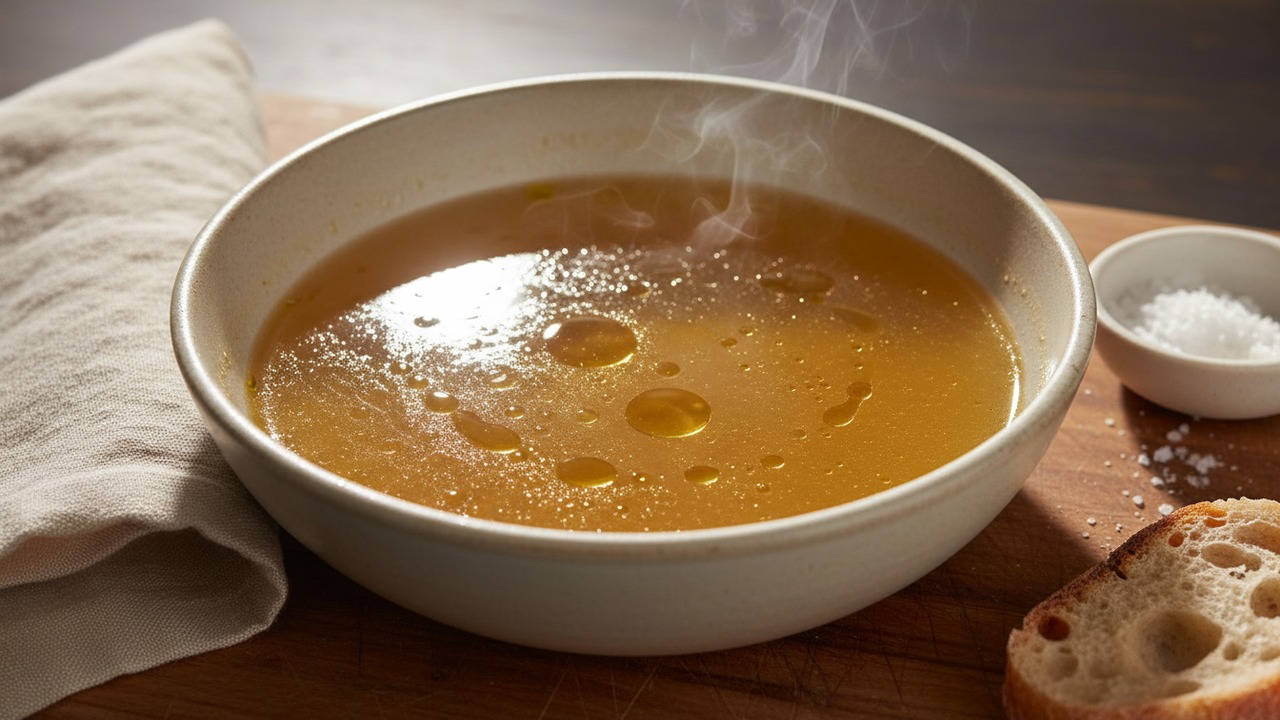
A rich, aromatic Dungeness crab stock made in the Instant Pot to extract maximum flavor from shells and spare crab parts. Use it as a base for chowders, bisques, risottos, or to deepen seafood sauces—this recipe helps you turn shells into liquid gold.
Ingredient Spotlight
Dungeness crab shells (backs, claws, legs — cracked)
Dungeness is a Pacific Northwest (U.S. West Coast) hard-shell crab prized for sweet, delicate meat; the cracked shells are used to make a rich, briny seafood stock. The aroma and flavor they give are distinctly sweet-and-oceanic, more mellow than some other shellfish. You’ll find them at coastal seafood markets, fishmongers, and larger grocery stores on the West Coast (fresh or frozen); if unavailable, substitute shells from other crabs, lobster or shrimp shells, or use fish bones/stock or good-quality canned seafood/fish broth as a practical alternative.
Jake Woods's note
"This recipe is designed so nothing good goes to waste—save shells from whole-crab meals and make a flavorful stock that elevates soups, risottos and sauces. Home cooks will love how the Instant Pot turns tough shells into a deep, seafood-forward liquid with minimal babysitting."
About This Recipe
Turning crab shells into a pot of shimmering, savory stock is one of those deceptively simple ways to lift every seafood dish you make, and Dungeness is particularly good at this because its shells carry a sweet, briny backbone and a generous hit of natural gelatin. Using the Instant Pot here isn’t a shortcut so much as a different kind of extraction: the high-pressure environment pulls flavor and body from legs and backs without hours of simmering, while a quick brown and a hit of tomato paste give the stock the roasted, umami depth that makes a chowder or bisque taste finished rather than flat.
This recipe is for cooks who want a reliable, versatile base—enough body to make a luxuriously creamy risotto but still delicate enough to let fresh crab, shellfish or a splash of lemon sing on top. Little choices matter: crack shells well so heat reaches the membranes, hold off on salting until you reduce, and save the parsley leaves and any picked crab meat for finishing; the stock itself should taste like concentrated seaside warmth, not salty glue. Make a double batch, freeze portions, and you’ll find it can turn a weekday dinner into something worth lingering over.
Ingredients for Homemade Dungeness Crab Stock for Soups and Risottos
- 2 lb Dungeness crab shells (backs, claws, legs — cracked)
- 2 tbsp Neutral oil (vegetable or canola) or light olive oil
- 1 medium Yellow onion, coarsely chopped
- 1 medium Carrot, coarsely chopped
- 3 cloves Garlic, crushed or smashed
- 1 tbsp Tomato paste
- 1 tsp Whole black peppercorns
- 2 leaf Bay leaves
- 1/2 cup Fresh parsley stems (reserve leaves for garnish), loosely packed
- 10 cups Cold water
How to Make Homemade Dungeness Crab Stock for Soups and Risottos
Step 1: Sauté shells and aromatics
Set the Instant Pot to Sauté and heat the oil until shimmering. Add the cracked Dungeness shells and brown them, stirring and pressing to expose the meat and color; this should take 4–6 minutes. Add chopped onion, carrot and garlic and cook until softened, about 3–4 minutes. Stir in the tomato paste and cook 1–2 minutes more until it darkens slightly—this builds depth of flavor.For this step
- 2 lbDungeness crab shells (backs, claws, legs — cracked)
- 2 tbspNeutral oil (vegetable or canola) or light olive oil
- 1 mediumYellow onion, coarsely chopped
- 1 mediumCarrot, coarsely chopped
- 3 clovesGarlic, crushed or smashed
- 1 tbspTomato paste
Step 2: Add seasonings and water
Add the whole black peppercorns, bay leaves and parsley stems to the pot. Pour in the cold water, using just enough to cover shells (about 10 cups for the quantities here), and scrape the bottom of the pot with a wooden spoon to deglaze and lift browned bits. Taste a spoonful of the cold liquid—do not add salt now if you plan to reduce the stock, as reduction concentrates saltiness.For this step
- 1 tspWhole black peppercorns
- 2 leafBay leaves
- 1/2 cupFresh parsley stems (reserve leaves for garnish), loosely packed
- 10 cupsCold water
Step 3: Pressure cook the stock
Secure the lid and set the valve to Sealing. Pressure Cook (Manual) on High for 20 minutes; once the cook cycle finishes, let the pressure release naturally for 15 minutes, then carefully quick-release any remaining pressure. The pressure and heat extract gelatin and flavor from the shells without long stovetop simmering.Step 4: Strain and clarify
Line a fine-mesh sieve with cheesecloth or a double layer of paper towel and strain the stock into a heatproof container, pressing on the solids to extract as much liquid as possible. Discard shells and solids. If you want a clearer stock, let it sit briefly, skim any foam or fat from the surface, then strain again through a fine sieve.Step 5: Reduce, season, and store
If you need a more concentrated flavor for risotto or sauces, reduce the strained stock on the stovetop over medium heat until the volume is reduced by one-third to one-half. Adjust salt only after tasting the finished reduced stock. Cool quickly in an ice bath, then refrigerate up to 3 days or freeze in portions (ice cube tray or 1½-cup portions) for up to 3 months—this batch yields about 8–10 cups (roughly 2–2.4 L) of stock, enough for several soups or 4–6 risottos.


- Set the Instant Pot to Sauté and heat the oil until shimmering. Add the cracked Dungeness shells and brown them, stirring and pressing to expose the meat and color; this should take 4–6 minutes. Add chopped onion, carrot and garlic and cook until softened, about 3–4 minutes. Stir in the tomato paste and cook 1–2 minutes more until it darkens slightly—this builds depth of flavor.
- Add the whole black peppercorns, bay leaves and parsley stems to the pot. Pour in the cold water, using just enough to cover shells (about 10 cups for the quantities here), and scrape the bottom of the pot with a wooden spoon to deglaze and lift browned bits. Taste a spoonful of the cold liquid—do not add salt now if you plan to reduce the stock, as reduction concentrates saltiness.
- Secure the lid and set the valve to Sealing. Pressure Cook (Manual) on High for 20 minutes; once the cook cycle finishes, let the pressure release naturally for 15 minutes, then carefully quick-release any remaining pressure. The pressure and heat extract gelatin and flavor from the shells without long stovetop simmering.
- Line a fine-mesh sieve with cheesecloth or a double layer of paper towel and strain the stock into a heatproof container, pressing on the solids to extract as much liquid as possible. Discard shells and solids. If you want a clearer stock, let it sit briefly, skim any foam or fat from the surface, then strain again through a fine sieve.
- If you need a more concentrated flavor for risotto or sauces, reduce the strained stock on the stovetop over medium heat until the volume is reduced by one-third to one-half. Adjust salt only after tasting the finished reduced stock. Cool quickly in an ice bath, then refrigerate up to 3 days or freeze in portions (ice cube tray or 1½-cup portions) for up to 3 months—this batch yields about 8–10 cups (roughly 2–2.4 L) of stock, enough for several soups or 4–6 risottos.
Homemade Dungeness Crab Stock for Soups and Risottos Tips
Crack shells thoroughly
Break shells into small pieces or crack joints so pressure and heat can access internal membranes and extract maximum flavor.
Brown shells for depth
Spend those 4–6 minutes getting shells a deep orange-brown—Maillard notes from browning and the tomato paste are why this stock tastes so roasted.
Deglaze the pot well
After adding water, scrape the browned bits off the bottom with a wooden spoon; those stuck bits are pure flavor and prevent the burn alert on the Instant Pot.
Delay salting until reduction
If you plan to concentrate the stock, don’t season it now—the salt will concentrate as it reduces and can easily become overpowering.
Check for gelatin as a quality test
Chill a spoonful: a jelly-like set indicates a rich, collagen-forward stock; if it’s thin, reduce gently to concentrate body and flavor.
Homemade Dungeness Crab Stock for Soups and Risottos Variations and Substitutions
Add shrimp shells
Mix in shrimp or prawn shells with the Dungeness for a fuller, slightly sweeter crustacean profile—reduce the added water slightly to keep it concentrated.
White wine and fennel
Deglaze with ½ cup dry white wine and add a couple slices of fennel bulb at step two for a brighter, anise-tinged stock that pairs beautifully with shellfish pastas.
Smoky chowder base
Stir in 1 teaspoon smoked paprika and a charred jalapeño with the aromatics to create a smoky, spicy foundation ideal for corn-and-crab chowders.
Lobster or rock crab substitute
If Dungeness isn’t available, lobster or rock crab shells work well—treat them the same, though lobster can yield an even richer, sweeter stock.
How to Store and Make Homemade Dungeness Crab Stock for Soups and Risottos Ahead
Cool the strained stock quickly in an ice bath before refrigerating to keep it safe and clear; it will keep in the fridge for up to 3 days. For longer storage, freeze in usable portions (1½-cup for recipes, or ice-cube trays for small additions) for up to 3 months. Reheat gently over low heat—avoid rolling boils to preserve clarity and texture—and if you reduced the stock to concentrate it, taste and dilute as needed before finishing soups or risottos.
What to Serve With Homemade Dungeness Crab Stock for Soups and Risottos
Use this stock as the liquid for a Dungeness risotto finished with reserved crab meat, lemon zest and chopped parsley leaves, or as the base of an old-fashioned clam-and-corn chowder served with grilled sourdough rubbed with garlic. For drinks, reach for a crisp, mineral white like Albariño or Muscadet, or a bright saison/Belgian wheat beer that complements the stock’s saline sweetness.
Homemade Dungeness Crab Stock for Soups and Risottos FAQs
Can I use shells from cooked crab?
Yes—shells from previously cooked crab still give excellent flavor; just brown them well in the pot to coax out roasted notes before pressure-cooking.
Do I need to remove the gills or viscera first?
If you have whole backs, discard the gills and any greenish tomalley to avoid bitter or off flavors, but claws and legs can go in as-is once cracked.
What if my stock isn’t gelatinous?
Gelatin content varies by shell type and age; if it’s thin, reduce the strained stock on the stove until it reaches the body you want, which will also concentrate flavor.
How do I make the stock clearer?
After chilling, skim the surface of any fat and foam, then strain again through a cheesecloth-lined fine sieve; for ultra-clear consommes you can use an egg-white raft, though that will mute some delicate seafood notes.
How should I use this for risotto—any ratio advice?
Keep the stock hot and ladle it in gradually as usual—about 3½–4 cups of stock per cup arborio is a starting point, but adjust if you’ve reduced the stock heavily, diluting it to a balanced savory strength first.
About the author
Jake WoodsHello, I'm Jake. I started this recipe site with the idea that I hated recipe websites that overwhelm you with long stories and ads just to see plain content that's not helpful. My goal is to provide you with quality recipes, simple ideas and a fun cooking experience. There's lots of fun things to cook, and I think as you browse the site you'll find that TopShelf.Recipes is the place for quality recipes on the web.
See all recipes by Jake Woods →Ratings & Reviews
Did you make this recipe?
Be the first to share your experience.
Nutrition Facts
Per serving: about 1½ cups (360g)
Nutrition values are estimated from USDA ingredient data and may vary based on preparation, brands, and portion sizes. Values are provided for informational purposes only.
Keep Reading
Guides & articles for this recipe

Recipes
12 Lobster Roll Variations
A practical roundup of 12 lobster roll ideas spanning regional classics, viral spins, plant-forward takes, and low-waste tips. Each section offers useful recipes, quick technique swaps, and fresh ideas you can make tonight.

Recipes
DIY Edible Monster Eyes Candy
Make safe, fun edible monster eyes for cupcakes, cookies, and candy trays. Step-by-step recipes show baking-soda balls, chocolate and fondant eyes, wafer-print options, plus assembly, storage, and kid-friendly safety tips.

Recipes
No-Bake Funny Halloween Treats: 15 Quick Recipes
15 no-bake, funny Halloween treats that busy hosts can assemble in minutes — kid-friendly sweets, savory bites, and easy cocktails that don’t need an oven. Built for last-minute parties, with pantry-staple shortcuts and quick decoration ideas.
More from Instant Pot
View all Instant Pot recipes →
Instant Pot Garlic Butter Pasta with Spinach and Parmesan

Instant Pot Beef Barbacoa Tacos with Warm Corn Tortillas and Pickled Jalapeños

Instant Pot Beef Chili

Classic Instant Pot Pot Roast with Red Wine and Root Vegetables

Instant Pot Bolognese for Busy Weeknights (Rich Ragu in 45 Minutes)

Instant Pot Weeknight Bolognese (Rich Ragu in 45 Minutes)

Instant Pot Shredded Beef Barbacoa Tacos with Pickled Onions

Roasted Pumpkin & Chorizo Caldo

Instant Pot Chicken Tortilla Soup (Quick Comfort Dinner)
Ask me anything about this recipe — substitutions, scaling, techniques, timing.
Powered by AI · 6 questions per 5 minutes, 30 per day