Honey Mustard Chicken Skewers
Quick, juicy grilled chicken skewers brushed with a bright honey-mustard glaze — perfect for weeknight dinners or a casual weekend cookout. Ready in about 25 minutes with an easy marinade that doubles as a finishing sauce.
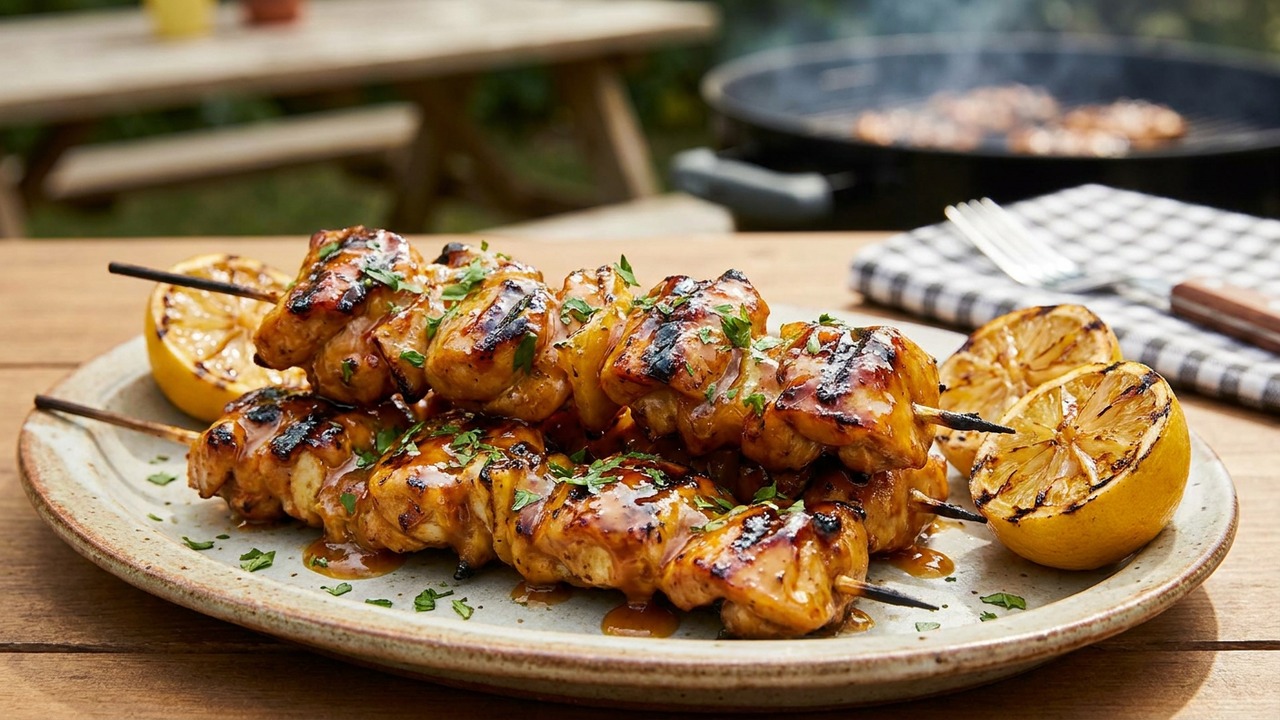
Jake Woods's note
"These skewers are fast to prep and forgiving on the grill, making them ideal for busy weeknights. The honey-mustard glaze caramelizes quickly for a sweet-savory finish that everyone loves."
About This Recipe
There’s a reason honey and mustard have been paired since someone first smeared two condiments together: the combination hits sweet, tangy, and savory in a single brush stroke. This version leans on boneless chicken thighs because their higher fat content keeps each 1-inch morsel forgiving on the grill—juicy interior, lightly charred edges—while the simple glaze of honey, Dijon, olive oil, lemon, and garlic forms a glossy lacquer that caramelizes quickly without flaking off. Reserve a little of the mixture before the raw chicken touches it and you’ve got an instant basting sauce that concentrates flavor rather than masks it.
It’s a recipe that performs whether you’re shepherding weeknight hunger or staging a casual backyard meal: the prep is under 10 minutes, the active grilling under 10, and the payoff is immediate. The key moments are uniform cutting, moderate heat, and a final quick brush to build that shiny, slightly sticky crust. If you don’t have a backyard grill, a well-seasoned grill pan or a hot broiler will produce the same caramelized notes—this is a reliable, crowd-pleasing skewer that’s both uncomplicated and distinctly satisfying.
Ingredients for Honey Mustard Chicken Skewers
- 1 1/2 lb Boneless skinless chicken thighs, trimmed and cut into 1-inch pieces
- 1/4 cup Honey
- 2 tbsp Dijon mustard
- 2 tbsp Olive oil
- 1 tbsp Fresh lemon juice
- 2 cloves Garlic, minced
- 1 tsp Kosher salt
- 1/2 tsp Freshly ground black pepper
- 8 pieces Wooden skewers (soaked 15 minutes) or metal skewers
- 2 tbsp Fresh parsley, chopped (optional garnish)
How to Make Honey Mustard Chicken Skewers
Step 1: Soak skewers and prep chicken
If using wooden skewers, place them in a shallow dish of water to soak for at least 15 minutes to prevent burning. Meanwhile, trim any excess fat from the chicken thighs and cut into 1-inch pieces so they cook quickly and evenly.For this step
- 1 1/2 lbBoneless skinless chicken thighs, trimmed and cut into 1-inch pieces
- 8 piecesWooden skewers (soaked 15 minutes) or metal skewers
Step 2: Make the honey-mustard marinade
In a medium bowl whisk together the honey, Dijon mustard, olive oil, lemon juice, minced garlic, kosher salt, and black pepper until smooth. Reserve about 2 tablespoons of the mixture for basting at the end, then add the chicken pieces to the bowl and toss to coat.For this step
- 1/4 cupHoney
- 2 tbspDijon mustard
- 2 tbspOlive oil
- 1 tbspFresh lemon juice
- 2 clovesGarlic, minced
- 1 tspKosher salt
- 1/2 tspFreshly ground black pepper
Step 3: Thread the chicken onto skewers
Thread 3–4 pieces of chicken onto each skewer, leaving a little space between pieces so heat circulates and they cook evenly. Arrange skewers on a platter and let them sit for 10–15 minutes while the grill heats (this brief rest also lets the flavors meld).Step 4: Grill the skewers
Preheat a grill or grill pan to medium-high (about 375–425°F / 190–220°C). Grill skewers 3–4 minutes per side, turning once, until the chicken reaches an internal temperature of 165°F (74°C) and has a bit of char. During the last minute of cooking, brush reserved glaze on both sides and flip once more to caramelize.Step 5: Rest and serve
Transfer skewers to a plate and let rest 3–5 minutes to retain juices. Sprinkle with chopped parsley if using and serve warm — 2 skewers per person is a good portion for a main course.For this step
- 2 tbspFresh parsley, chopped (optional garnish)


- If using wooden skewers, place them in a shallow dish of water to soak for at least 15 minutes to prevent burning. Meanwhile, trim any excess fat from the chicken thighs and cut into 1-inch pieces so they cook quickly and evenly.
- In a medium bowl whisk together the honey, Dijon mustard, olive oil, lemon juice, minced garlic, kosher salt, and black pepper until smooth. Reserve about 2 tablespoons of the mixture for basting at the end, then add the chicken pieces to the bowl and toss to coat.
- Thread 3–4 pieces of chicken onto each skewer, leaving a little space between pieces so heat circulates and they cook evenly. Arrange skewers on a platter and let them sit for 10–15 minutes while the grill heats (this brief rest also lets the flavors meld).
- Preheat a grill or grill pan to medium-high (about 375–425°F / 190–220°C). Grill skewers 3–4 minutes per side, turning once, until the chicken reaches an internal temperature of 165°F (74°C) and has a bit of char. During the last minute of cooking, brush reserved glaze on both sides and flip once more to caramelize.
- Transfer skewers to a plate and let rest 3–5 minutes to retain juices. Sprinkle with chopped parsley if using and serve warm — 2 skewers per person is a good portion for a main course.
Honey Mustard Chicken Skewers Tips
Cut Uniform Pieces
Trim and cut the thighs into 1-inch cubes so every piece cooks in the same time and nothing over- or undercooks on the skewers.
Reserve Glaze Separately
Spoon off about 2 tablespoons of the marinade before adding the raw chicken; use it later for basting or serving after heating it briefly to kill any surface bacteria.
Preheat and Oil Grates
Heat the grill or pan to medium-high and wipe the grates with an oiled paper towel to prevent sticking and encourage those attractive grill marks.
Don't Crowd The Skewers
Leave a little space between pieces so hot air circulates and you get even caramelization instead of steaming the chicken.
Use An Instant Thermometer
Aim for 165°F (74°C) at the thickest part for safety and juiciness—checking temperature is faster and more reliable than timing alone.
Quick Rest Before Serving
Let the skewers rest 3–5 minutes off heat to redistribute juices and let the glaze set so it doesn’t run off when plated.
Honey Mustard Chicken Skewers Variations and Substitutions
Spicy Honey Mustard
Add 1 teaspoon of Sriracha or 1/2 teaspoon of cayenne to the glaze and finish with a sprinkle of crushed red pepper for a lively kick.
Herbed Citrus Glaze
Stir in 1 tablespoon of finely chopped tarragon or thyme and increase lemon juice to 2 tablespoons for a fresher, herbal profile that pairs well with grilled spring vegetables.
Chicken Breast Swap
Use boneless skinless chicken breasts cut into slightly larger pieces and reduce grill time by a minute per side to avoid drying; brine briefly if you want extra margin for juiciness.
Pescatarian Shrimp Option
Thread large shrimp (peeled, deveined) onto skewers and grill 1–2 minutes per side—brush with the same glaze, but reserve less time before basting so the sugars don’t burn.
Low-Sugar Friendly
Swap half the honey for a light maple syrup or a sugar-free maple-style syrup and increase mustard by a teaspoon to maintain tang without extra sweetness.
How to Store and Make Honey Mustard Chicken Skewers Ahead
Store leftover cooked skewers in an airtight container in the refrigerator for up to 3–4 days; remove meat from skewers before stacking to save space. Reheat gently in a 325°F oven or in a skillet over medium heat with a splash of water or stock to restore juiciness; avoid high microwave heat which can toughen the chicken. You can freeze cooked, cooled skewered pieces (wrapped well) for up to 2 months and thaw overnight in the fridge before reheating.
What to Serve With Honey Mustard Chicken Skewers
Serve two skewers per person with charred corn, a lemony arugula salad, or herb-roasted baby potatoes to balance the glaze’s sweetness. Offer a small bowl of the warmed reserved glaze or a tangy yogurt dip on the side, and garnish with chopped parsley and lemon wedges for brightness. For drinks, a crisp lager, a bright Sauvignon Blanc, or a citrusy iced tea complements the sweet-tangy profile.
Honey Mustard Chicken Skewers FAQs
Can I marinate the chicken longer than 15 minutes?
Yes—up to 2 hours is fine for thighs and will deepen flavor, but avoid very long acidic marinades that can change texture; the recipe is designed to be quick, so even a short rest delivers good flavor.
Why reserve some of the glaze before marinating?
Reserving a portion prevents cross-contamination from raw chicken; reheat that reserved glaze before using it as a basting sauce or serving drizzle to make it safe.
How do I prevent the honey from burning on the grill?
Cook over medium-high rather than high heat and brush the reserved glaze only in the final minute or two of cooking so the sugars caramelize without scorching.
Is there a non-grill way to cook these skewers?
Yes—use a hot grill pan on the stovetop, or broil 4–6 inches from the element for 3–4 minutes per side, watching closely to achieve the same char and glaze.
Can I use wooden skewers without soaking them?
Soaking wooden skewers for at least 15 minutes reduces the chance they’ll burn under high heat and also helps hold the skewers together—soaking is recommended.
About the author
Jake WoodsHello, I'm Jake. I started this recipe site with the idea that I hated recipe websites that overwhelm you with long stories and ads just to see plain content that's not helpful. My goal is to provide you with quality recipes, simple ideas and a fun cooking experience. There's lots of fun things to cook, and I think as you browse the site you'll find that TopShelf.Recipes is the place for quality recipes on the web.
See all recipes by Jake Woods →Ratings & Reviews
Did you make this recipe?
Be the first to share your experience.
Nutrition Facts
Per serving: 1½ skewers
Nutrition values are estimated from USDA ingredient data and may vary based on preparation, brands, and portion sizes. Values are provided for informational purposes only.
Keep Reading
Guides & articles for this recipe

Guides
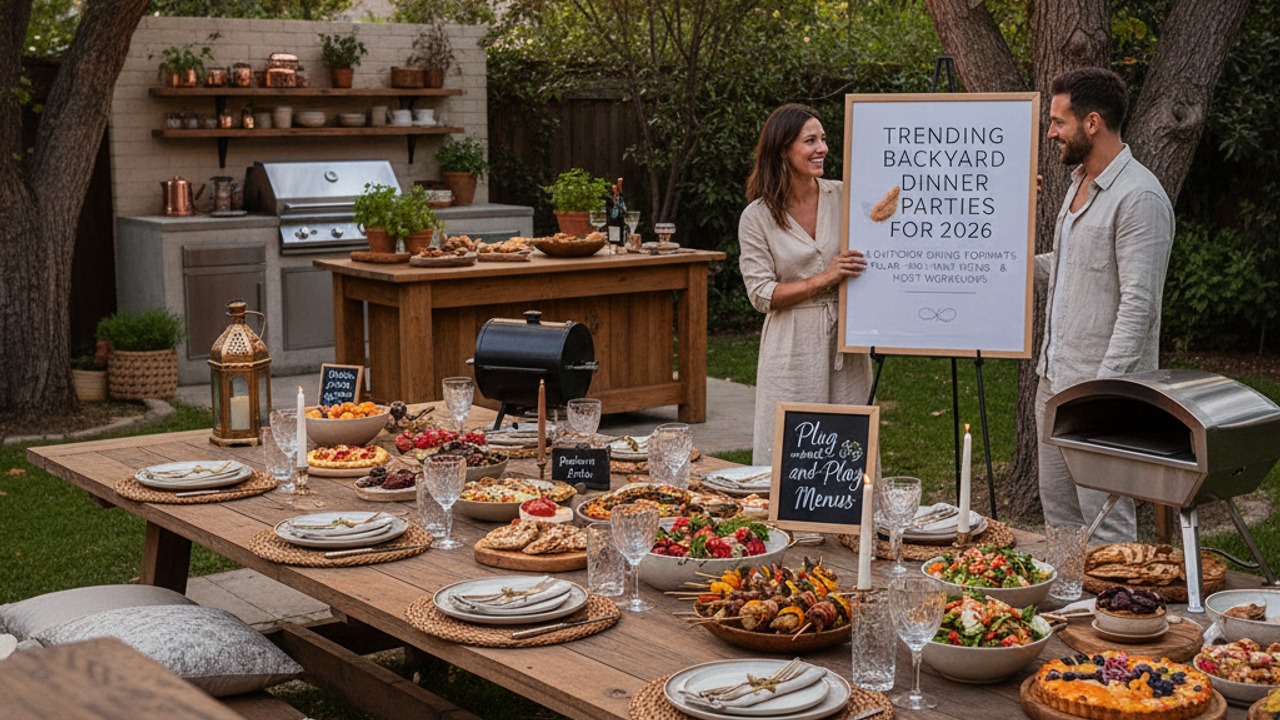
Trending Backyard Dinner Parties for 2026: 8 Outdoor Dining Formats, Ready‑Made Menus & Host Workflows
Discover the eight backyard dining formats taking off in 2026, with plug‑and‑play menu templates, grill timing and workflow checklists, decor shortcuts, and social‑media and sustainability tips. This practical guide turns your yard into a seamless, shareable dining experience—whether you're hosting a casual progressive grill or an intimate fireside chef demo.
Guides
Trending Backyard Dinner Parties for 2026: 8 Outdoor Dining Formats, Plug‑and‑Play Menus & Host Workflows
Discover eight backyard dinner-party formats taking off in 2026, each with plug‑and‑play menu templates, step‑by‑step host workflows, grill timing tips, decor shortcuts, and social & sustainable ideas. Turn your yard into a memorable, stress‑free dining experience.

Healthy Eating
Gluten-Free Weeknight Grilling Plan
A 7-day gluten-free weeknight grilling plan with quick, family-friendly recipes, prep-ahead timelines, and a printable shopping list that spotlights late-summer produce and pantry staples. Includes clear cross-contamination safety tips and simple swaps to keep dinners fast and crowd-pleasing.
More from Dinner
View all Dinner recipes →
Grilled Lemon Herb Chicken Pasta with Arugula and Pine Nuts

Air Fryer Crispy Chicken Cutlet Pasta with Garlic-Parmesan Butter

Classic Bacon Carbonara

Jamaican Jerk Chicken Marinade for Smoking or Grilling

Air Fryer Chicken Sliders

Smoked Chicken Burger

Beer-Can Grilled Whole Chicken

Grilled Chicken with Chimichurri

Campfire‑Smoked Potato Salad with Mustard‑Bacon Vinaigrette — A Labor Day Grilling Side for Steak
Ask me anything about this recipe — substitutions, scaling, techniques, timing.
Powered by AI · 6 questions per 5 minutes, 30 per day