Jamaican Jerk Grilled Chicken
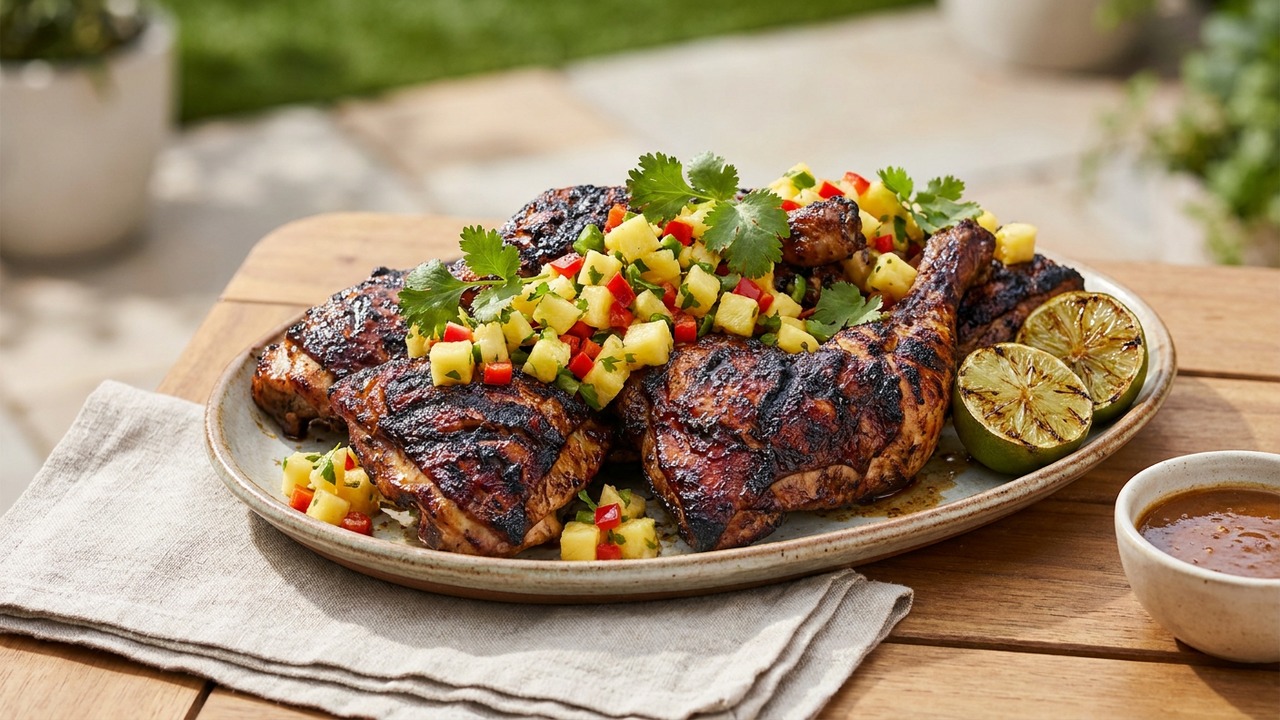
Bold, smoky Jamaican jerk grilled chicken with a bright, fresh pineapple salsa balances heat and sweetness for a flavor-forward summertime main. Perfect for backyard barbecues or weeknight dinners when you want something lively and crowd-pleasing.
Ingredient Spotlight
Scotch bonnet or habanero pepper (stem removed; seeds optional)
Very hot Caribbean/Mexican chili varieties: Scotch bonnet is most associated with Caribbean cooking (Jamaican jerk, Trinidadian sauces) while habanero is common in Mexico and Central America. Both are intensely spicy with a fruity, floral aroma and citrusy sweetness beneath the heat. Find them at Latin/Caribbean markets, well-stocked grocery stores, or use habanero in place of Scotch bonnet; for less heat substitute serrano or jalapeño (or reduce quantity) and always handle hot chiles with care (gloves/avoid touching eyes).
Ingredient Spotlight
Ground allspice (pimento)
Ground allspice is powdered dried berries of the Pimenta dioica tree, often called pimento in Caribbean contexts; it’s a staple in Caribbean, Middle Eastern, and Central American cuisines and a key note in jerk seasoning. Its flavor evokes a warm blend of cinnamon, cloves and nutmeg with a peppery undertone. You can find it in the spice aisle or at international markets; substitute a pinch (or equal parts) of ground cinnamon, cloves and nutmeg if you don’t have allspice, or use whole allspice berries freshly ground for brighter flavor.
Jake Woods's note
"This recipe captures authentic jerk aromatics without an intimidating ingredient list and shines at casual outdoor gatherings. Home cooks will love how the sweet-tart pineapple salsa brightens each smoky bite."
About This Recipe
Jamaican jerk is often thought of as an avalanche of heat, but the best versions are a layered balance of smoky char, warm allspice, bright citrus and an undercurrent of sweetness. Using bone-in, skin-on chicken thighs delivers the juiciest results on the grill: the bones insulate so the meat stays tender while the skin crisps and caramelizes from the sugar in the marinade. This recipe leans into that contrast and keeps the seasoning focussed — freshly ground allspice (pimento), garlic and scallions form the savory backbone, a touch of brown sugar helps with caramelization, and a single Scotch bonnet provides that authentic, fruity heat.
The bright pineapple salsa is not an afterthought but the counterpoint the dish needs; its acidity and crunchy peppers cut through the richness while cilantro and lime refresh every bite. I recommend starting the marinade a few hours ahead (or overnight for a deeper flavor) and following the direct-to-indirect grilling method so you get defined char without drying the thighs. Whether you’re firing up the weekend grill for friends or assembling a lively weeknight dinner, these jerk thighs feel celebratory without fuss — bold yet forgiving, and endlessly adaptable to what you have on hand.
Ingredients for Jamaican Jerk Grilled Chicken
- 4 pieces Bone-in, skin-on chicken thighs
- 1 piece Scotch bonnet or habanero pepper (stem removed; seeds optional)
- 4 stalks Green onions (scallions), roughly chopped
- 4 cloves Garlic cloves, smashed
- 1 tbsp Ground allspice (pimento)
- 2 tbsp Light brown sugar, packed
- 2 tbsp Fresh lime juice
- 2 tbsp Olive oil
- 1 tsp Kosher salt & freshly ground black pepper
- 1 cup Fresh pineapple salsa (fresh pineapple, red bell pepper, red onion, cilantro, lime)
How to Make Jamaican Jerk Grilled Chicken
Step 1: Make the jerk marinade
In a blender or food processor combine the Scotch bonnet, green onions, garlic, ground allspice, brown sugar, lime juice, olive oil and kosher salt & black pepper. Pulse to a coarse, saucy paste—scrape down the sides and blend until evenly combined. Taste carefully and adjust heat or salt as needed. Reserve 1–2 tablespoons of the marinade before adding raw chicken if you want to baste (do not use reserved raw marinade without cooking).For this step
- 1 pieceScotch bonnet or habanero pepper (stem removed; seeds optional)
- 4 stalksGreen onions (scallions), roughly chopped
- 4 clovesGarlic cloves, smashed
- 1 tbspGround allspice (pimento)
- 2 tbspLight brown sugar, packed
- 2 tbspFresh lime juice
- 2 tbspOlive oil
- 1 tspKosher salt & freshly ground black pepper
Step 2: Marinate the chicken
Place the chicken thighs in a large bowl or resealable bag and pour the jerk marinade over them, turning to coat evenly. Massage the marinade into the meat, remove excess air, and refrigerate at least 2 hours or up to overnight for best flavor. About 30 minutes before grilling, remove the chicken from the fridge to come toward room temperature.For this step
- 4 piecesBone-in, skin-on chicken thighs
Step 3: Prepare the grill
Preheat your grill to medium-high (about 400–450°F / 200–230°C) and clean the grates well. Oil the grates lightly (use a folded paper towel dipped in oil held with tongs) to prevent sticking. Set one side of the grill to medium or indirect heat so you can move pieces if they begin to char.Step 4: Grill the chicken
Place thighs skin-side down over direct heat and grill 5–7 minutes until the skin starts to crisp and has good char marks, then flip and move to indirect heat. Continue grilling, turning occasionally, until an instant-read thermometer inserted into the thickest part reads 165°F (74°C), about 15–20 more minutes depending on size. If you reserved 1–2 tablespoons of marinade, simmer it in a small saucepan for 2 minutes and brush on the chicken for extra flavor before the final minute of cooking.Step 5: Prepare the pineapple salsa
While the chicken grills or rests, combine 1 cup diced fresh pineapple, 1/4 cup finely diced red bell pepper, 2 tablespoons finely chopped red onion, 2 tablespoons chopped cilantro and a squeeze of lime juice in a bowl. Season lightly with salt and toss to combine; let sit 10–15 minutes so flavors meld. This bright, cooling salsa balances the heat of the jerk seasoning.For this step
- 1 cupFresh pineapple salsa (fresh pineapple, red bell pepper, red onion, cilantro, lime)
Step 6: Rest and serve
Transfer the chicken to a cutting board and let rest 5–10 minutes to redistribute juices. Serve each thigh with a generous spoonful of pineapple salsa and extra lime wedges on the side; pair with rice, grilled vegetables or a simple green salad.


- In a blender or food processor combine the Scotch bonnet, green onions, garlic, ground allspice, brown sugar, lime juice, olive oil and kosher salt & black pepper. Pulse to a coarse, saucy paste—scrape down the sides and blend until evenly combined. Taste carefully and adjust heat or salt as needed. Reserve 1–2 tablespoons of the marinade before adding raw chicken if you want to baste (do not use reserved raw marinade without cooking).
- Place the chicken thighs in a large bowl or resealable bag and pour the jerk marinade over them, turning to coat evenly. Massage the marinade into the meat, remove excess air, and refrigerate at least 2 hours or up to overnight for best flavor. About 30 minutes before grilling, remove the chicken from the fridge to come toward room temperature.
- Preheat your grill to medium-high (about 400–450°F / 200–230°C) and clean the grates well. Oil the grates lightly (use a folded paper towel dipped in oil held with tongs) to prevent sticking. Set one side of the grill to medium or indirect heat so you can move pieces if they begin to char.
- Place thighs skin-side down over direct heat and grill 5–7 minutes until the skin starts to crisp and has good char marks, then flip and move to indirect heat. Continue grilling, turning occasionally, until an instant-read thermometer inserted into the thickest part reads 165°F (74°C), about 15–20 more minutes depending on size. If you reserved 1–2 tablespoons of marinade, simmer it in a small saucepan for 2 minutes and brush on the chicken for extra flavor before the final minute of cooking.
- While the chicken grills or rests, combine 1 cup diced fresh pineapple, 1/4 cup finely diced red bell pepper, 2 tablespoons finely chopped red onion, 2 tablespoons chopped cilantro and a squeeze of lime juice in a bowl. Season lightly with salt and toss to combine; let sit 10–15 minutes so flavors meld. This bright, cooling salsa balances the heat of the jerk seasoning.
- Transfer the chicken to a cutting board and let rest 5–10 minutes to redistribute juices. Serve each thigh with a generous spoonful of pineapple salsa and extra lime wedges on the side; pair with rice, grilled vegetables or a simple green salad.
Jamaican Jerk Grilled Chicken Tips
Score the Skin
Lightly score the skin in a few places without cutting into the meat to help the marinade flavor penetrate and promote even crisping on the grill.
Reserve Marinade Safely
Set aside 1–2 tablespoons of the blended marinade before you add raw chicken, and only simmer the reserved portion for a couple minutes if you plan to baste.
Manage Grill Heat
Start skin-side down over direct heat to render fat and build color, then move thighs to indirect heat to finish cooking through without charring.
Probe for Doneness
Use an instant-read thermometer and pull the thighs at 165°F (74°C), then rest 5–10 minutes so residual heat evens out and juices redistribute.
Balance the Salsa
Let the pineapple salsa sit 10–15 minutes after seasoning so the lime softens the onion and the juices marry, which tames raw bite and brightens sweetness.
Jamaican Jerk Grilled Chicken Variations and Substitutions
Make It Mild
Swap the Scotch bonnet for a seeded jalapeño and add a pinch of smoked paprika to retain the smokiness without overwhelming heat.
Poultry Swap
Use bone-in chicken leg quarters or split chicken breasts; reduce cooking time slightly for breasts and watch closely so they don’t dry out.
Caribbean Shrimp
Turn the same marinade into a quick shrimp version—marinate peeled shrimp 15–30 minutes and grill 2–3 minutes per side until just opaque.
Vegan Tropical
Marinate firm tofu or thick eggplant slices in the jerk paste, grill until charred and serve with the pineapple salsa for a plant-forward alternative.
How to Store and Make Jamaican Jerk Grilled Chicken Ahead
Refrigerate leftover chicken in an airtight container for up to 3 days; store the pineapple salsa separately to preserve texture. To reheat, warm gently in a 350°F oven covered with foil for 10–15 minutes or finish on a medium grill for 4–6 minutes to revive the skin’s crispness. Avoid microwaving if possible, as it will make the skin rubbery and the meat unevenly heated.
What to Serve With Jamaican Jerk Grilled Chicken
Serve the thighs over coconut rice or with a scoop of seasoned black beans to lean into Caribbean flavors, and add grilled corn or charred plantains for sweetness and texture. For drinks, a crisp lager, a tart ginger beer, or a rum punch complement the smoky, spicy profile; garnish plates with lime wedges and extra cilantro for brightness.
Jamaican Jerk Grilled Chicken FAQs
Can I use boneless chicken?
Yes—boneless thighs work well and cook faster; reduce the total grilling time and watch for 165°F internal temperature as they’ll reach it sooner than bone-in pieces.
How spicy will this be?
Using a single Scotch bonnet yields pronounced, fruity heat; removing seeds reduces the intensity, and you can substitute a smaller pepper or jalapeño for a milder result.
Why brown sugar in the marinade?
Brown sugar promotes caramelization and helps the skin develop a deep, glossy char on the grill while adding a counterpoint to the heat and acidity.
Can I make the marinade ahead?
Yes—the blended marinade keeps 2–3 days refrigerated in an airtight container; for best texture and flavor, marinate the chicken overnight or at least a few hours before grilling.
What if my grill flames up?
Move the chicken to the cooler side of the grill immediately and close the lid briefly to reduce oxygen; trim excess fat next time or finish over indirect heat to minimize flare-ups.
About the author
Jake WoodsHello, I'm Jake. I started this recipe site with the idea that I hated recipe websites that overwhelm you with long stories and ads just to see plain content that's not helpful. My goal is to provide you with quality recipes, simple ideas and a fun cooking experience. There's lots of fun things to cook, and I think as you browse the site you'll find that TopShelf.Recipes is the place for quality recipes on the web.
See all recipes by Jake Woods →Ratings & Reviews
Did you make this recipe?
Be the first to share your experience.
Nutrition Facts
Per serving: 1 thigh
Nutrition values are estimated from USDA ingredient data and may vary based on preparation, brands, and portion sizes. Values are provided for informational purposes only.
Keep Reading
Guides & articles for this recipe

Guides
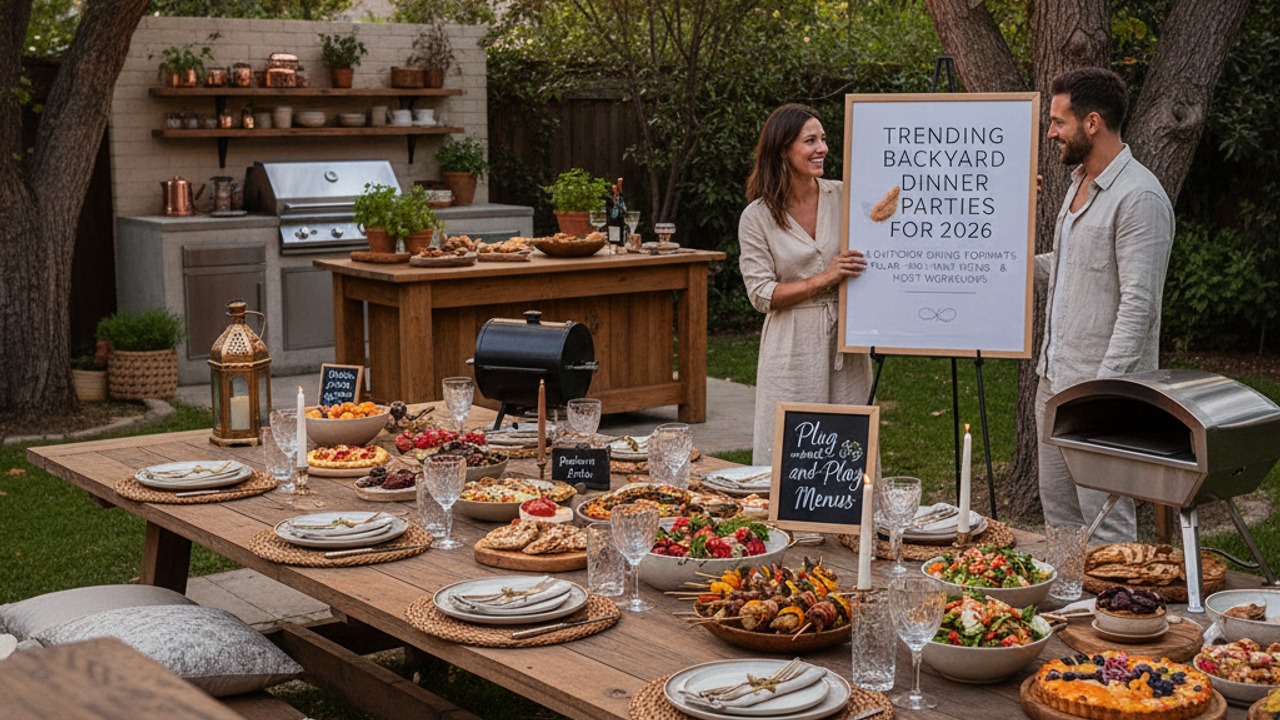
Trending Backyard Dinner Parties for 2026: 8 Outdoor Dining Formats, Ready‑Made Menus & Host Workflows
Discover the eight backyard dining formats taking off in 2026, with plug‑and‑play menu templates, grill timing and workflow checklists, decor shortcuts, and social‑media and sustainability tips. This practical guide turns your yard into a seamless, shareable dining experience—whether you're hosting a casual progressive grill or an intimate fireside chef demo.
Guides
Trending Backyard Dinner Parties for 2026: 8 Outdoor Dining Formats, Plug‑and‑Play Menus & Host Workflows
Discover eight backyard dinner-party formats taking off in 2026, each with plug‑and‑play menu templates, step‑by‑step host workflows, grill timing tips, decor shortcuts, and social & sustainable ideas. Turn your yard into a memorable, stress‑free dining experience.

Healthy Eating
Gluten-Free Weeknight Grilling Plan
A 7-day gluten-free weeknight grilling plan with quick, family-friendly recipes, prep-ahead timelines, and a printable shopping list that spotlights late-summer produce and pantry staples. Includes clear cross-contamination safety tips and simple swaps to keep dinners fast and crowd-pleasing.
More from Dinner
View all Dinner recipes →
Grilled Lemon Herb Chicken Pasta with Arugula and Pine Nuts

Air Fryer Crispy Chicken Cutlet Pasta with Garlic-Parmesan Butter

Al Pastor Tacos

Classic Bacon Carbonara

Jamaican Jerk Chicken Marinade for Smoking or Grilling

Air Fryer Chicken Sliders

Smoked Chicken Burger

Beer-Can Grilled Whole Chicken

Grilled Chicken with Chimichurri
Ask me anything about this recipe — substitutions, scaling, techniques, timing.
Powered by AI · 6 questions per 5 minutes, 30 per day