Moroccan-Spiced Whole Grilled Cauliflower with Chermoula, Preserved Lemon Yogurt & Almond Dukkah
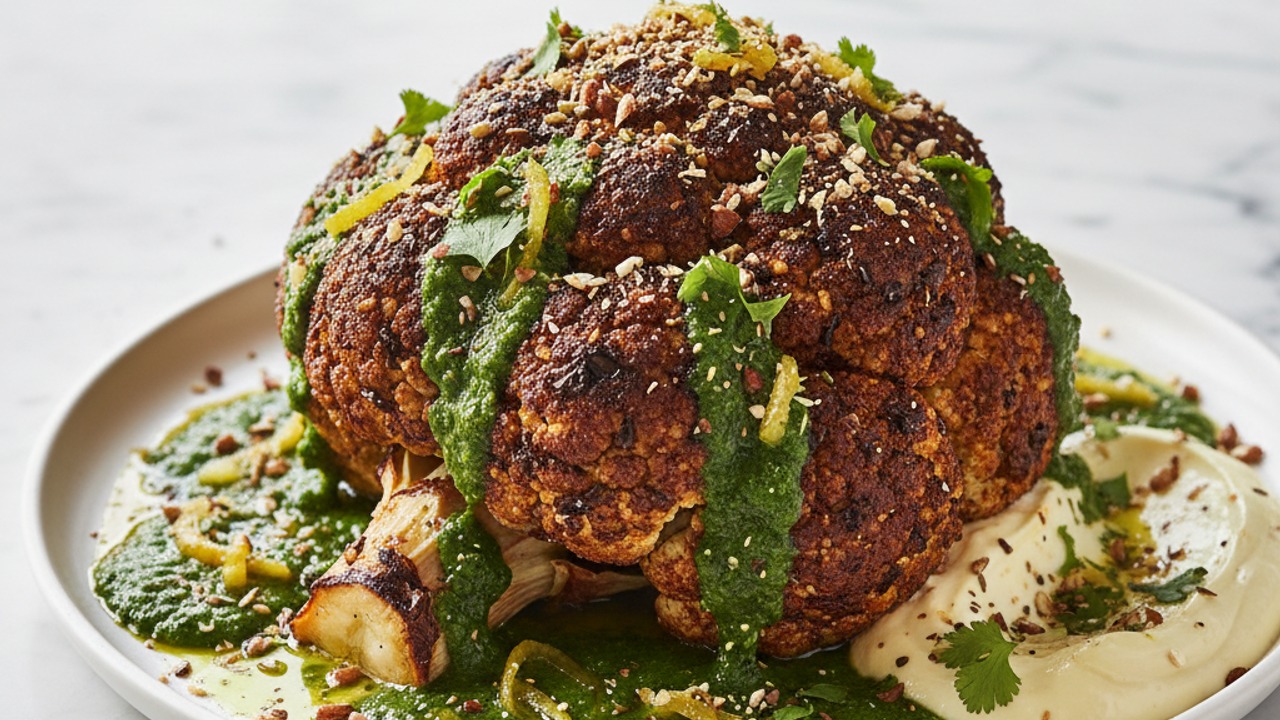
A showstopping vegetarian centerpiece: a whole cauliflower is rubbed with warm Moroccan spices, grilled until deeply charred and tender, then finished with bright herbaceous chermoula, tangy preserved‑lemon yogurt and crunchy almond dukkah. Perfect for a weeknight that needs a little theatre or as an impressive main for dinner guests.
Ingredient Spotlight
Chermoula
Chermoula is a North African (especially Moroccan, Algerian and Tunisian) herb-and-spice condiment made from parsley, cilantro, garlic, lemon, olive oil and warm spices like cumin and paprika. It tastes bright, herbaceous and garlicky with citrusy acidity and a background of warm spice. You can find jarred or fresh versions at Middle Eastern/North African markets or online, or make it fresh by pulsing parsley, cilantro, garlic, lemon juice, olive oil, cumin and a bit of chili.
Ingredient Spotlight
Preserved lemon
Preserved lemons are whole lemons cured in salt (and sometimes their own juice) common in Moroccan cooking; cooks typically use the softened, intensely salty and fermented rind rather than the flesh. The flavor is bright, salty, floral-citrus with an umami tang that mellows raw lemon sharpness. Find them jarred in Middle Eastern markets, specialty grocers or online; in a pinch substitute finely grated lemon zest with a pinch of salt and a little extra lemon juice (or a small amount of chopped capers/olives) to mimic the briny complexity.
Ingredient Spotlight
Almond dukkah
Dukkah is an Egyptian crunchy condiment of toasted nuts and seeds—this almond dukkah combines toasted almonds, sesame seeds and toasted coriander and cumin seeds with flaky salt. It offers nutty, toasty, warm-spiced and savory flavors and is used as a seasoning or dip coating. You can buy ready-made dukkah at specialty or Middle Eastern stores and online, or quickly make a substitute by toasting and coarsely grinding almonds with sesame seeds, a bit of ground cumin/coriander and salt (or use toasted hazelnuts/pistachios for a different profile).
Jake Woods's note
"This is one of those recipes that looks like a restaurant showstopper but is totally achievable at home; the two‑zone grill method gives deep char without overcooking. Serve with warm flatbread, fluffy couscous or herbed rice so guests can scoop up every bright, crunchy bite."
About This Recipe
This Moroccan-spiced whole grilled cauliflower is built around contrasts: a deeply charred exterior that yields to a tender, almost meaty center; bright, herbaceous chermoula that cuts through the toastiness; cool preserved‑lemon yogurt for a tangy counterpoint; and crunchy almond dukkah for texture. Rubbing the head with an oil-based spice paste before grilling gives the spices a chance to permeate the outer florets while the two‑zone method prevents the core from turning to mush. The result is not just a roasted vegetable but a composed centerpiece that feels celebratory without fuss.
It works equally well as simple weeknight theatre—slice it at the table while it steams and pairs beautifully with warm flatbread—or as the main attraction for dinner guests, where the visual drama and layered flavors spark conversation. Small touches make the difference here: a lick of chermoula immediately before serving keeps the herbs bright, preserved lemon in the yogurt adds a bitter-salty lift, and a generous scattering of dukkah gives every bite a satisfying crackle. This version leans Moroccan in its spice profile but stays flexible enough to adapt to other culinary moods.
Ingredients for Moroccan-Spiced Whole Grilled Cauliflower with Chermoula, Preserved Lemon Yogurt & Almond Dukkah
- 1 head Whole cauliflower (1.25–1.5 lb / 600–700 g), core trimmed so head stays intact
- 3 tbsp Extra‑virgin olive oil
- 2 tbsp Moroccan spice rub (ground cumin, ground coriander, smoked paprika, turmeric, a pinch cinnamon, cayenne)
- 1 tsp Kosher salt (plus more to taste)
- 1 cup Chermoula (packed herbs — parsley & cilantro, 1–2 garlic cloves, lemon juice, red pepper, olive oil, ground cumin, salt)
- 1 cup Plain Greek yogurt
- 2 tbsp Preserved lemon (rind only), finely chopped
- 3 tbsp Almond dukkah (toasted almonds, sesame seeds, coriander & cumin seeds, flaky salt)
How to Make Moroccan-Spiced Whole Grilled Cauliflower with Chermoula, Preserved Lemon Yogurt & Almond Dukkah
Step 1: Prep the cauliflower and spice rub
Remove outer leaves and trim the stem so the cauliflower sits flat but keep the head intact. In a small bowl whisk the olive oil with the Moroccan spice rub and kosher salt into a paste; brush or rub all over the cauliflower, working between the florets so the spice mix coats the entire head.For this step
- 1 headWhole cauliflower (1.25–1.5 lb / 600–700 g), core trimmed so head stays intact
- 3 tbspExtra‑virgin olive oil
- 2 tbspMoroccan spice rub (ground cumin, ground coriander, smoked paprika, turmeric, a pinch cinnamon, cayenne)
- 1 tspKosher salt (plus more to taste)
Step 2: Set up a two‑zone grill and char the cauliflower
Prepare a two‑zone fire on a gas or charcoal grill: one side hot (direct heat) and one side cooler (indirect heat). Place the cauliflower on the hot side first, stem down, and sear 6–8 minutes until deeply charred on the bottom, then move to the indirect side, cover and grill 30–40 minutes more, rotating every 10 minutes, until a knife or skewer slides into the core with slight resistance and the exterior has deep color.Step 3: Make the chermoula
While the cauliflower grills, pulse the chermoula ingredients in a food processor or chop very finely by hand: packed parsley and cilantro, 1–2 garlic cloves, 2–3 tbsp lemon juice, 2–3 tbsp olive oil, 1/2 tsp ground cumin, a pinch of chili, and salt to taste. Taste and adjust acidity or salt; the chermoula should be bright and herbaceous.For this step
- 1 cupChermoula (packed herbs — parsley & cilantro, 1–2 garlic cloves, lemon juice, red pepper, olive oil, ground cumin, salt)
Step 4: Mix preserved‑lemon yogurt
Stir the preserved lemon into the Greek yogurt with a little lemon zest if desired and a pinch of salt. Keep chilled until the cauliflower is nearly done; the yogurt adds tang and a cooling contrast to the warm spices.For this step
- 1 cupPlain Greek yogurt
- 2 tbspPreserved lemon (rind only), finely chopped
Step 5: Toast and grind the almond dukkah
Toast almonds, sesame seeds and whole coriander & cumin seeds in a dry skillet until fragrant and lightly browned, then let cool and pulse coarsely with flaky salt to make a crunchy dukkah. Finish with a drizzle of olive oil if you like for an extra glossy crunch.For this step
- 3 tbspAlmond dukkah (toasted almonds, sesame seeds, coriander & cumin seeds, flaky salt)
Step 6: Finish, assemble and serve
Transfer the grilled cauliflower to a platter, spoon chermoula over the top and around the base, dollop the preserved‑lemon yogurt, then scatter almond dukkah generously. Serve immediately with warm flatbread, fluffy couscous or herbed rice and lemon wedges so guests can tear and scoop — this whole cauliflower serves 4 as a main.


- Remove outer leaves and trim the stem so the cauliflower sits flat but keep the head intact. In a small bowl whisk the olive oil with the Moroccan spice rub and kosher salt into a paste; brush or rub all over the cauliflower, working between the florets so the spice mix coats the entire head.
- Prepare a two‑zone fire on a gas or charcoal grill: one side hot (direct heat) and one side cooler (indirect heat). Place the cauliflower on the hot side first, stem down, and sear 6–8 minutes until deeply charred on the bottom, then move to the indirect side, cover and grill 30–40 minutes more, rotating every 10 minutes, until a knife or skewer slides into the core with slight resistance and the exterior has deep color.
- While the cauliflower grills, pulse the chermoula ingredients in a food processor or chop very finely by hand: packed parsley and cilantro, 1–2 garlic cloves, 2–3 tbsp lemon juice, 2–3 tbsp olive oil, 1/2 tsp ground cumin, a pinch of chili, and salt to taste. Taste and adjust acidity or salt; the chermoula should be bright and herbaceous.
- Stir the preserved lemon into the Greek yogurt with a little lemon zest if desired and a pinch of salt. Keep chilled until the cauliflower is nearly done; the yogurt adds tang and a cooling contrast to the warm spices.
- Toast almonds, sesame seeds and whole coriander & cumin seeds in a dry skillet until fragrant and lightly browned, then let cool and pulse coarsely with flaky salt to make a crunchy dukkah. Finish with a drizzle of olive oil if you like for an extra glossy crunch.
- Transfer the grilled cauliflower to a platter, spoon chermoula over the top and around the base, dollop the preserved‑lemon yogurt, then scatter almond dukkah generously. Serve immediately with warm flatbread, fluffy couscous or herbed rice and lemon wedges so guests can tear and scoop — this whole cauliflower serves 4 as a main.
Moroccan-Spiced Whole Grilled Cauliflower with Chermoula, Preserved Lemon Yogurt & Almond Dukkah Tips
Trim but preserve core
Trim the stem so the cauliflower sits flat but avoid cutting too deep—keeping the core intact holds the head together during grilling and helps it cook evenly.
Make a spice paste
Whisking the dry spices into olive oil creates a paste that tucks into the crevices and adheres during searing, delivering deeper flavor than a dry rub alone.
Use two‑zone grilling
Start stem‑down over direct heat to build a flavorful char, then move to indirect heat and cover to cook through without burning the exterior.
Test doneness strategically
Insert a skewer into the core and check for slight resistance—soft but not falling apart—rather than relying on a fixed time, since head size and grill heat vary.
Toast dukkah last
Toast and pulse the almond dukkah while the cauliflower rests so the nuts stay crisp and the aroma is at its peak when you serve.
Moroccan-Spiced Whole Grilled Cauliflower with Chermoula, Preserved Lemon Yogurt & Almond Dukkah Variations and Substitutions
Oven‑roasted alternative
If you don’t have a grill, roast the spiced head at 425°F (220°C) on a baking tray for 40–60 minutes, flipping halfway and finishing under the broiler to develop char.
Tahini yogurt swap
Replace preserved‑lemon yogurt with a tahini‑lemon sauce for a creamier, nuttier contrast—stir 2 tbsp tahini with yogurt and lemon juice until smooth and season to taste.
Make it vegan
Use coconut or soy yogurt in place of Greek yogurt and skip the dukkah's honey (if used); consider adding toasted pumpkin seeds to the dukkah for extra richness.
Spice profile tweak
Swap smoked paprika for sweet paprika and add a teaspoon of ras el hanout for a more complex North African aroma if you have it on hand.
How to Store and Make Moroccan-Spiced Whole Grilled Cauliflower with Chermoula, Preserved Lemon Yogurt & Almond Dukkah Ahead
Leftover cauliflower keeps well refrigerated in an airtight container for up to 3 days; store the grilled head, chermoula, yogurt and dukkah separately to preserve texture. Reheat gently in a 350°F (175°C) oven until warmed through, then reapply fresh chermoula and sprinkle the dukkah just before serving so it remains crunchy.
What to Serve With Moroccan-Spiced Whole Grilled Cauliflower with Chermoula, Preserved Lemon Yogurt & Almond Dukkah
Serve the cauliflower on a shallow platter lined with a smear of preserved‑lemon yogurt and pools of chermoula so guests can tear and spoon. Accompany with warm flatbreads or herbed couscous, a crisp green salad with a lemon vinaigrette, and bright white wines like Vermentino or a chilled rosé to balance the spice and char.
Moroccan-Spiced Whole Grilled Cauliflower with Chermoula, Preserved Lemon Yogurt & Almond Dukkah FAQs
How do I know when the cauliflower is fully cooked?
Pierce the core with a long skewer or knife; it should slide in with slight resistance and the florets around the edge should be tender. Avoid overcooking until it collapses—you're aiming for tender but intact.
Can I make the chermoula and yogurt ahead?
Yes—chermoula and preserved‑lemon yogurt can be made a day ahead; keep them chilled separately and bring the chermoula to room temperature before serving so the flavors brighten.
What if my cauliflower chars too quickly?
If the exterior is browning faster than the core is cooking, move it to the cooler side of the grill and reduce direct heat; tent with foil for a few minutes to let the center steam through without additional charring.
How can I accommodate nut allergies?
Omit the almond dukkah and use a toasted seed dukkah made from pumpkin and sunflower seeds with sesame for the same crunchy contrast without tree nuts.
Is preserved lemon essential?
Preserved lemon adds a unique saline‑bitter lift to the yogurt, but you can substitute finely grated lemon zest plus a pinch of flaky salt and a splash of lemon juice in a pinch.
About the author
Jake WoodsHello, I'm Jake. I started this recipe site with the idea that I hated recipe websites that overwhelm you with long stories and ads just to see plain content that's not helpful. My goal is to provide you with quality recipes, simple ideas and a fun cooking experience. There's lots of fun things to cook, and I think as you browse the site you'll find that TopShelf.Recipes is the place for quality recipes on the web.
See all recipes by Jake Woods →Ratings & Reviews
Did you make this recipe?
Be the first to share your experience.
Nutrition Facts
Per serving: about 1 cup
Nutrition values are estimated from USDA ingredient data and may vary based on preparation, brands, and portion sizes. Values are provided for informational purposes only.
Keep Reading
Guides & articles for this recipe
Guides
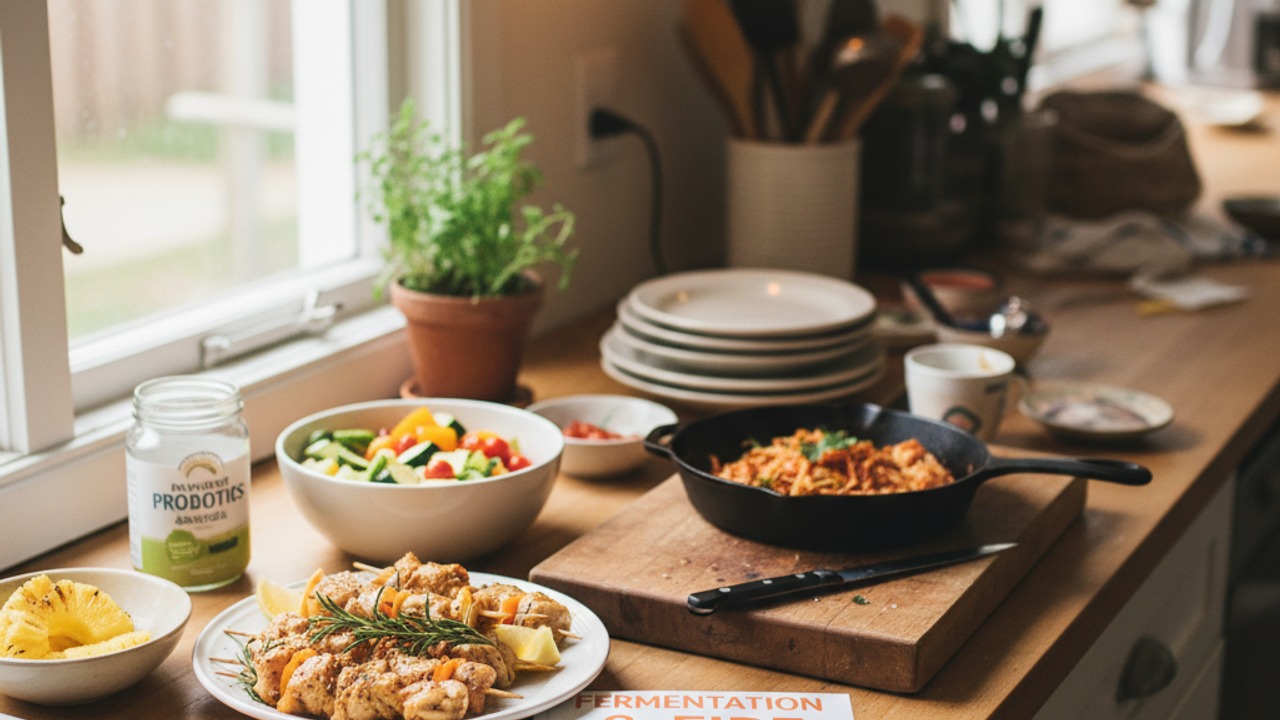
Gut-Friendly Grilling Trends
Build grill-forward menus that support your microbiome with smart ingredient choices, fermented finishes and gentle cooking techniques. This guide explains which **prebiotic** ingredients to spotlight, how to use **fermented condiments** safely, and low-heat or quick-sear tactics that preserve beneficial compounds while delivering big flavor.
Guides
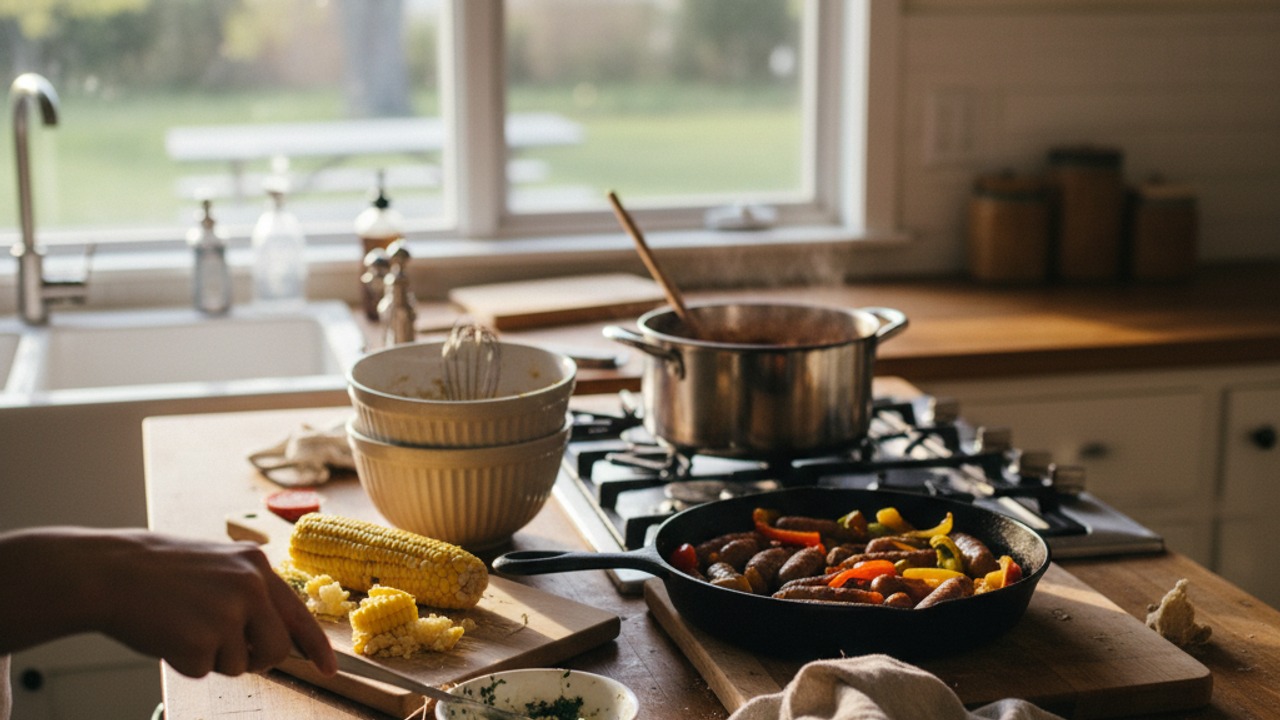
Hot‑Swap Labor Day Menus
Practical make‑ahead grill menus for Labor Day weekend that travel, hold, and reheat without losing fresh‑off‑the‑grill flavor. Six theme‑ready menus, timing charts, gear picks, and crowd‑scaling tips let you host an effortless long‑weekend cookout.
Guides
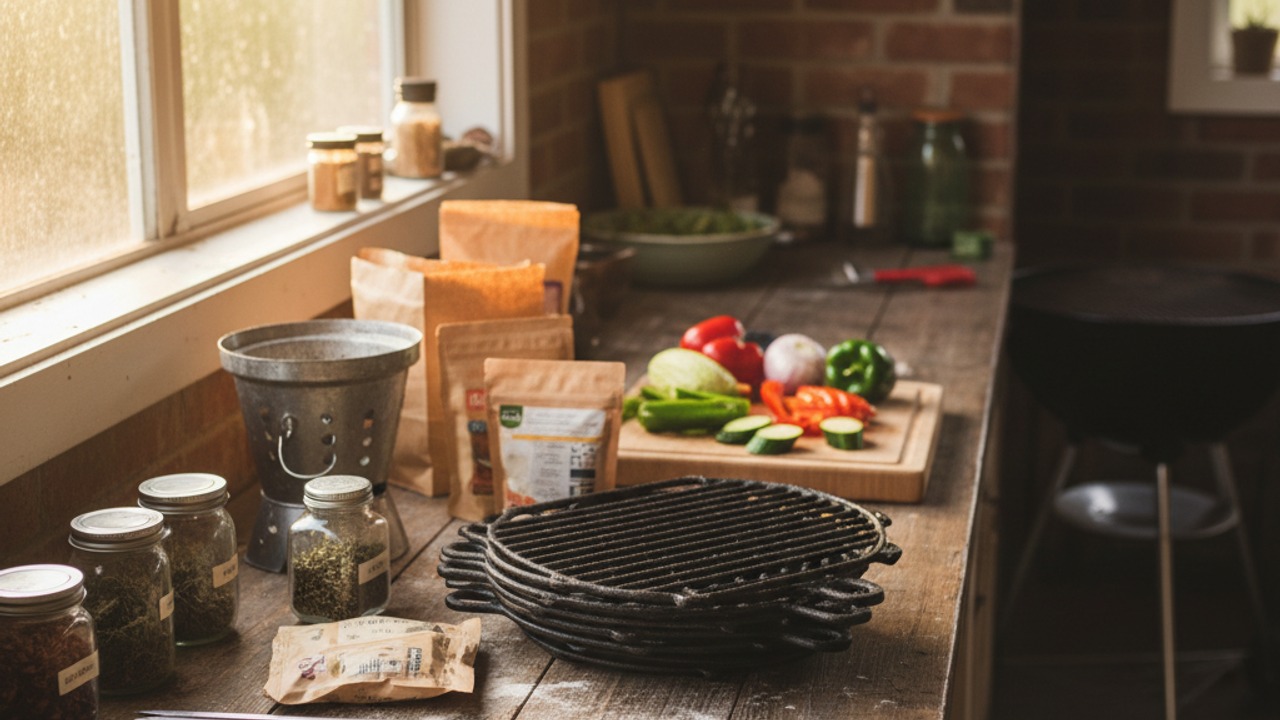
Labor Day DIY Grill Kits
Eight themed, make-ahead grill-kit templates to assemble before Labor Day weekend — designed for last-minute hosts and tailgaters. Each kit includes balanced menu suggestions, shopping lists, packaging/labeling tips, final-grill instructions, and a printable food-safety timeline to hand to guests.
More from Grilling
View all Grilling recipes →
Grilled Shrimp & Charred Corn Warm Salad

Smoky Grilled Meringue Skewers

Charred Caramel Apple Pretzel Bites

Coffee‑Chile Rubbed Flank Steak Tacos with Charred Pineapple Salsa

Grilled Ras el Hanout Chicken Thighs with Charred Apricot-Chickpea Tagine

Cedar-Plank Grilled Swordfish Steaks with Warm Olive-Tomato Tapenade and Charred Fennel-Orange Salad

Grilled Chocolate-Stuffed Pumpkin Bites

Grilled Flatbread Crostini with Whipped Feta, Charred Cherry Tomatoes & Basil Oil

Coffee-Rubbed Grilled Flank Steak with Chimichurri
Ask me anything about this recipe — substitutions, scaling, techniques, timing.
Powered by AI · 6 questions per 5 minutes, 30 per day