Non-Alcoholic Spritz
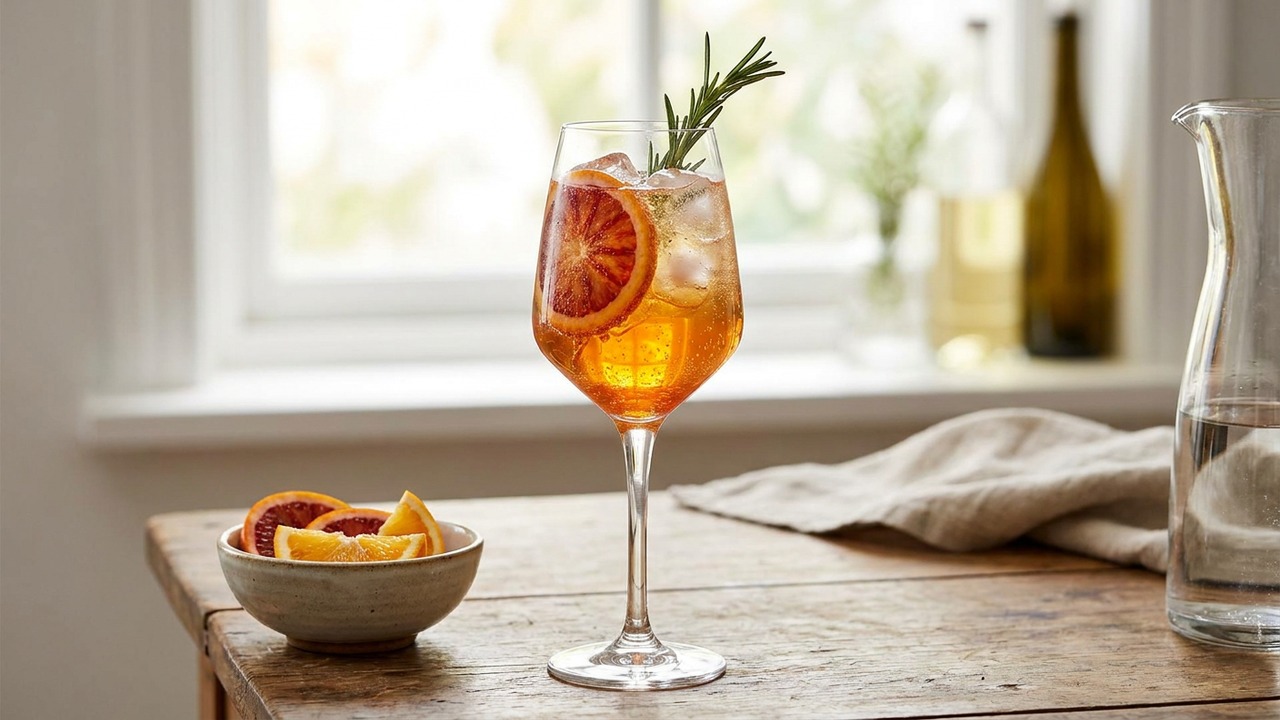
A bright, bubbly non-alcoholic spritz that captures the bittersweet, effervescent spirit of a classic spritz without the alcohol. Easy to scale for gatherings, it pairs sparkling non-alc wine with a citrus lift and a splash of non-alc aperitif for a festive, low- and no-alc friendly drink.
Ingredient Spotlight
Non-alcoholic aperitif (bitter orange or similar)
A non-alcoholic aperitif is a bottled, ready-to-drink bitter-sweet beverage designed to mimic classic European aperitifs (think Aperol or Campari from Italy) without the alcohol. It typically smells citrusy and herbal with pronounced bitter-orange, gentian or botanical notes and is used to add a bright, slightly bitter backbone to cocktails. You can find commercial versions (e.g., Crodino, Lyre’s apéritif blends, or various bitter syrups) in well-stocked liquor stores, specialty grocers, or online. If you can’t find one, substitute with a small amount of Aperol/Campari if alcohol is acceptable, or mix fresh orange juice with tonic or sparkling water plus a few drops of non‑alcoholic bitter syrup or aromatic bitters to approximate the bitter-citrus profile.
Ingredient Spotlight
Non-alcoholic sparkling wine or sparkling grape beverage
This is a carbonated, alcohol-free alternative to Champagne or Prosecco—often a dealcoholized sparkling wine or sparkling grape juice—used for celebratory or cocktail applications. It tastes fizzy and grape- or wine-like, ranging from sweet to semi-dry, and offers bubbles and body similar to sparkling wine. Look for it in supermarket non‑alcoholic aisles, specialty beverage shops, or online (brands vary regionally); dealcoholized sparkling wines are usually in the wine section. A practical substitute is chilled sparkling water or soda water with a splash of white grape or apple juice (or sparkling cider) to add sweetness and flavor while keeping the fizz.
Jake Woods's note
"This spritz is perfect for brunches, summer patios, or anytime you want a celebratory drink without alcohol. Home hosts will love how quickly it comes together and how elegant it looks in wine glasses."
About This Recipe
This non-alcoholic spritz leans on the same bones as its classic cousin: a bitter-citrus backbone lifted by sparkling bubbles. Bitter orange non-alc aperitif gives the drink an adult, slightly herbal bitterness while fresh orange juice adds bright, immediate sweetness; a touch of simple syrup smooths the edges so the fizz can sing. Using a non-alcoholic sparkling wine rather than plain soda brings weight and a wine-like mouthfeel, while a splash of sparkling water preserves liveliness and keeps the palate clean.
It’s a convivial, forgiving recipe meant for weekend brunches, baby showers, or evenings when someone in the group prefers to skip alcohol without missing the ritual of a spritz. The technique is simple — keep everything cold, build in the glass, and balance bitterness with citrus and a whisper of sugar — and it scales easily for a pitcher. Small details, like chilling glasses and using big ice, make a noticeable difference in texture and temperature, so the finished drink tastes deliberate rather than watered down.
Ingredients for Non-Alcoholic Spritz
- 4 cups Ice cubes
- 3/4 cup Non-alcoholic aperitif (bitter orange or similar)
- 1/2 cup Fresh orange juice
- 2 tbsp Simple syrup (1:1 sugar to water)
- 2 cups Non-alcoholic sparkling wine or sparkling grape beverage
- 1 cup Sparkling water (plain or lightly citrus-flavored)
- 4 slices Orange slices (for garnish)
How to Make Non-Alcoholic Spritz
Step 1: Chill glasses and add ice
If possible, chill four wine or large stemmed glasses in the fridge for a few minutes. Fill each glass generously with ice so the drink stays cold and looks crisp.For this step
- 4 cupsIce cubes
Step 2: Mix aperitif, orange juice and syrup
Divide the non-alcoholic aperitif, fresh orange juice, and simple syrup evenly between the prepared glasses. Give each glass a gentle stir to combine the flavors — this is the bitter-citrus backbone of the spritz.For this step
- 3/4 cupNon-alcoholic aperitif (bitter orange or similar)
- 1/2 cupFresh orange juice
- 2 tbspSimple syrup (1:1 sugar to water)
Step 3: Top with sparkling wine and sparkling water
Carefully top each glass with the non-alcoholic sparkling wine followed by a splash of sparkling water to your taste. Stir once gently to marry the bubbles without flattening them; the ratio should be roughly 3 parts sparkling wine : 1 part soda for a classic spritz mouthfeel.For this step
- 2 cupsNon-alcoholic sparkling wine or sparkling grape beverage
- 1 cupSparkling water (plain or lightly citrus-flavored)
Step 4: Garnish and serve
Garnish each glass with an orange slice on the rim or floated in the drink. Serve immediately while cold and effervescent.For this step
- 4 slicesOrange slices (for garnish)


- If possible, chill four wine or large stemmed glasses in the fridge for a few minutes. Fill each glass generously with ice so the drink stays cold and looks crisp.
- Divide the non-alcoholic aperitif, fresh orange juice, and simple syrup evenly between the prepared glasses. Give each glass a gentle stir to combine the flavors — this is the bitter-citrus backbone of the spritz.
- Carefully top each glass with the non-alcoholic sparkling wine followed by a splash of sparkling water to your taste. Stir once gently to marry the bubbles without flattening them; the ratio should be roughly 3 parts sparkling wine : 1 part soda for a classic spritz mouthfeel.
- Garnish each glass with an orange slice on the rim or floated in the drink. Serve immediately while cold and effervescent.
Non-Alcoholic Spritz Tips
Chill everything first
Cold glasses, chilled sparkling components, and cold juice preserve bubbles and keep dilution to a minimum.
Use large ice cubes
Big cubes melt slower than crushed ice, maintaining chill without rapidly watering down the spritz.
Build in the glass
Divide the aperitif, juice, and syrup into each glass before topping with bubbles to keep proportions consistent and prevent over-stirring.
Adjust sweetness last
Add the simple syrup sparingly and taste after the sparkling wine is added, since the wine’s flavor alters perceived sweetness.
Serve immediately
Once topped with sparkling wine and water, the drink is at its fizziest — present it right away for best texture.
Non-Alcoholic Spritz Variations and Substitutions
Grapefruit spritz
Substitute half the orange juice with fresh pink grapefruit juice for a more bitter, aromatic spritz; reduce syrup slightly to let grapefruit brightness come through.
Herbal-citrus spritz
Muddle a small sprig of rosemary or basil in the glass before adding the aperitif for an herbal lift that pairs beautifully with bitter orange.
Lower-sugar option
Omit the simple syrup and use extra-dry non-alc sparkling wine plus a squeeze of lemon to keep the drink crisp with less sweetness.
Red-berry twist
Replace half the sparkling wine with chilled sparkling rosé grape beverage and add a splash of raspberry purée for a fruitier, pink-hued spritz.
How to Store and Make Non-Alcoholic Spritz Ahead
This spritz is best enjoyed immediately; once mixed with sparkling wine it will lose effervescence within an hour. For make-ahead convenience, combine just the aperitif, orange juice, and simple syrup and refrigerate the base for up to 24 hours; keep sparkling wine and sparkling water chilled and add them at serving time. If you have leftovers, store them in a sealed bottle in the fridge but expect a flat profile — revive with fresh soda or sparkling wine before serving.
What to Serve With Non-Alcoholic Spritz
Serve with light, briny or citrus-accented bites like marinated olives, salt-cod crostini, or prosciutto-wrapped melon to echo the drink’s bitter-sweet notes. For a full non-alc spread, add chilled shrimp cocktail, herby flatbreads, and a bowl of mixed nuts; present drinks in large wine goblets with an orange slice or twist for a festive look.
Non-Alcoholic Spritz FAQs
Can I use bottled orange juice instead of fresh?
You can, but fresh orange juice gives brighter acidity and fresher aromatics; if using bottled juice, taste first and reduce the simple syrup because bottled juice can be sweeter or more oxidized.
What exactly is a non-alcoholic aperitif?
It’s a bitter, aromatic mixer made to mimic the herbal and citrus notes of classic aperitifs but without the alcohol; look for products labeled non-alcoholic or alcohol-removed and choose one with noticeable bitter orange or gentian notes for authenticity.
How do I keep the drink fizzy for a party?
Pre-mix only the non-sparkling components and keep them chilled; add the sparkling wine and sparkling water to each glass just before serving so every pour is freshly effervescent.
Can I substitute regular soda for the non-alc sparkling wine?
You can use a dry sparkling grape juice or soda in a pinch, but choose a less sweet option so the cocktail maintains a wine-like dryness; sweeter sodas will make the spritz cloying.
Is this recipe completely alcohol-free?
Most non-alcoholic labeled products contain trace amounts of alcohol (typically under 0.5% ABV), so if you need 100% zero alcohol for medical or religious reasons, check labels carefully or choose certified alcohol-free alternatives.
About the author
Jake WoodsHello, I'm Jake. I started this recipe site with the idea that I hated recipe websites that overwhelm you with long stories and ads just to see plain content that's not helpful. My goal is to provide you with quality recipes, simple ideas and a fun cooking experience. There's lots of fun things to cook, and I think as you browse the site you'll find that TopShelf.Recipes is the place for quality recipes on the web.
See all recipes by Jake Woods →Ratings & Reviews
Did you make this recipe?
Be the first to share your experience.
Nutrition Facts
Per serving: about 17 fl oz
Nutrition values are estimated from USDA ingredient data and may vary based on preparation, brands, and portion sizes. Values are provided for informational purposes only.
Keep Reading
Guides & articles for this recipe
Guides
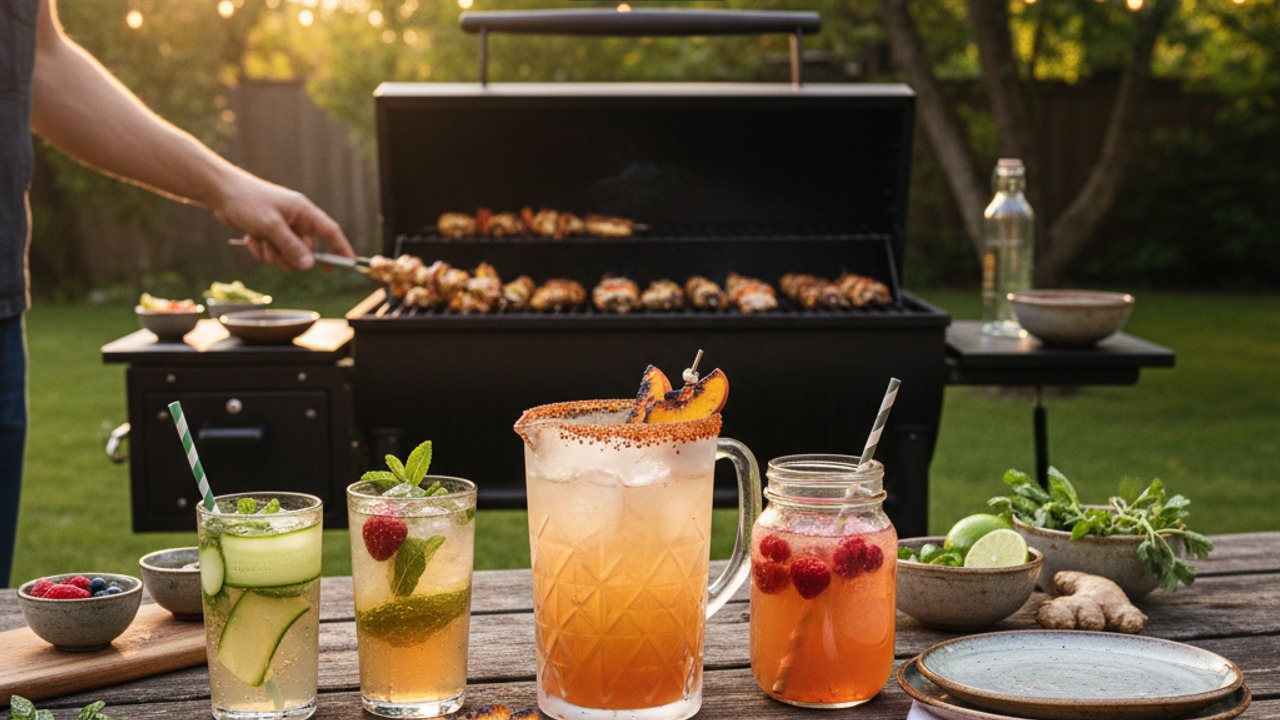
Trending Grillside Drinks for 2026: Cocktails, Low‑ABV Sippers, and Non‑Alcoholic Pairings to Elevate Backyard BBQ
Discover the hottest drinks to serve alongside summer grilling in 2026 — from smoked‑syrup cocktails and barrel‑aged RTDs to low‑ABV spritzes, shrubs, kombuchas, and tea blends. Includes batch-making tips, safety notes, and pairing suggestions for common grilled proteins and sides.
Recipes
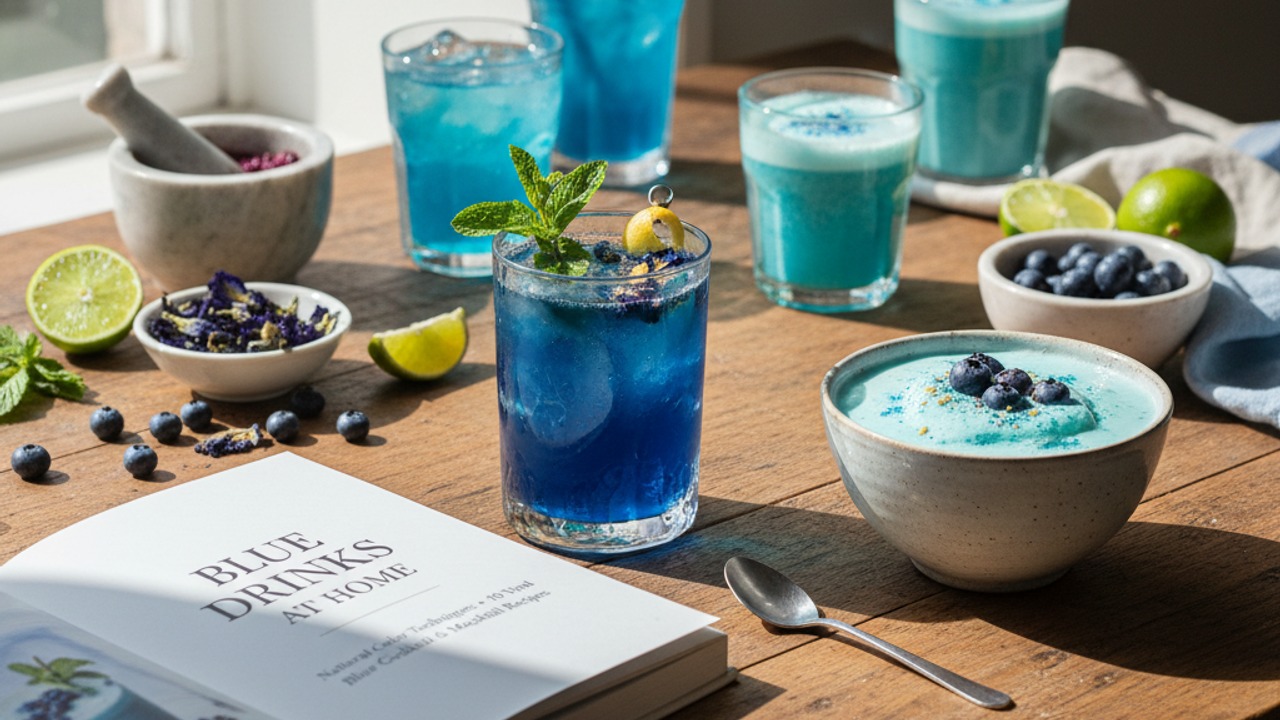
Blue Drinks at Home: Natural Color Techniques + 10 Viral Blue Cocktail & Mocktail Recipes
Discover how to make stunning blue drinks at home using natural ingredients like butterfly pea and blue spirulina. This guide includes practical techniques, storage tips, and 10 viral cocktail and mocktail recipes — many with grilled-garnish ideas for backyard entertaining.

Healthy Eating
Gluten-Free Weeknight Grilling Plan
A 7-day gluten-free weeknight grilling plan with quick, family-friendly recipes, prep-ahead timelines, and a printable shopping list that spotlights late-summer produce and pantry staples. Includes clear cross-contamination safety tips and simple swaps to keep dinners fast and crowd-pleasing.
More from Drinks
View all Drinks recipes →
Blueberry Lavender Vodka

Cucumber Spritz

Watermelon Agua Fresca (Easy Blender Recipe)

Rum Mojito Classic

Dark n Stormy Rum

White Russian Cocktail

Kahlua Cold Brew Cocktail

Bacon Maple Old Fashioned

Grilled Lime Margarita
Ask me anything about this recipe — substitutions, scaling, techniques, timing.
Powered by AI · 6 questions per 5 minutes, 30 per day