Popcorn Chicken
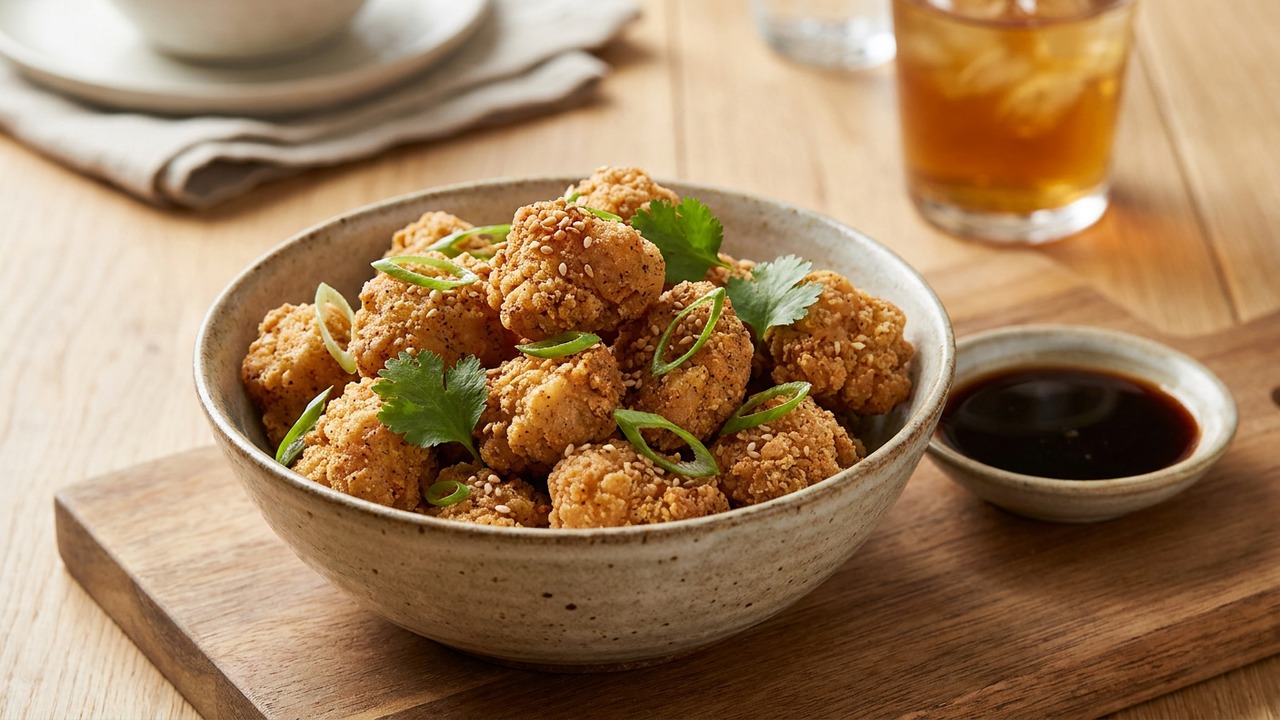
Bite-sized popcorn chicken with a crunchy double-coating and a distinctive Chinese five-spice twist. Quick to make and perfect for parties, lunchboxes, or kid-friendly dinners, this recipe balances savory, aromatic spice with a tender, juicy interior.
Ingredient Spotlight
Chinese five-spice powder
Chinese five-spice powder is a traditional Chinese spice blend typically made from star anise, Szechuan (Sichuan) peppercorns, cloves, cinnamon (or cassia) and fennel or fennel seed. It tastes warm and aromatic with sweet-savory and licorice-like notes from star anise and cinnamon, plus a citrusy, slightly numbing peppercorn undertone. You can find it in most grocery spice aisles, Asian markets, or online; as a substitute, mix equal parts ground star anise, ground cloves, ground cinnamon and ground fennel with a pinch of ground Szechuan or black pepper and adjust to taste.
(paid link) — as an Amazon Associate we earn from qualifying purchases.
Jake Woods's note
"This popcorn chicken gets a memorable lift from five-spice—great for gatherings when you want something familiar with a little twist. Home cooks will love how fast it comes together and how reliably crispy it stays."
About This Recipe
Popcorn Chicken is the small‑bite comfort food that plays both sides of the fence: nostalgic and modern. In this recipe, a short buttermilk-and-egg soak infuses the chicken with tang and keeps the interior juicy, while a double-coating of a flour–cornstarch mix plus a touch of baking powder builds a light, glassy crunch that resists sogginess. Chinese five‑spice lends an unexpected warm, aromatic lift—star anise and cinnamon notes that cut through the richness without turning the dish Chinese takeout literal. The result is bite-sized pieces with a whisper-crisp shell and a tender center that hold up well on platters or in lunchboxes.
This version works because every ingredient has a job: buttermilk for acid and moisture, cornstarch for brittle crunch, baking powder for micro‑bubbles, and a reserved dusting to reawaken the crust right before serving. You don’t need hours to marinate—15–120 minutes is plenty—so it’s practical for weeknight dinners, last‑minute gatherings, or making a big batch for snacking. Toss a light extra dust of the dry mix or a final pinch of five‑spice as the pieces come out of the oil to amplify aroma, and keep the fried pieces single-layered on a rack to remain crackling-crisp.
Ingredients for Popcorn Chicken
- 1 1/2 lb Boneless skinless chicken breasts, cut into 1-inch pieces
- 1 cup Buttermilk
- 1 piece Large egg
- 1 1/2 teaspoons Chinese five-spice powder
- 1 teaspoon Garlic powder
- 1 teaspoon Kosher salt
- 1 cup All-purpose flour
- 1/2 cup Cornstarch
- 1/2 teaspoon Baking powder
- 2 cups Neutral frying oil (vegetable or canola)
🛒 = paid link — as an Amazon Associate we earn from qualifying purchases.
How to Make Popcorn Chicken
Step 1: Cut and marinate the chicken
Trim and cut chicken into 1-inch bite-sized pieces. In a bowl whisk buttermilk, egg, five-spice, garlic powder, and kosher salt until combined, add the chicken and toss to coat; refrigerate at least 15 minutes (up to 2 hours) to tenderize and infuse flavor.For this step
- 1 1/2 lbBoneless skinless chicken breasts, cut into 1-inch pieces
- 1 cupButtermilk
- 1 pieceLarge egg
- 1 1/2 teaspoonsChinese five-spice powder
- 1 teaspoonGarlic powder
- 1 teaspoonKosher salt
Step 2: Prepare the dry coating
While the chicken marinates, combine the all-purpose flour, cornstarch, and baking powder in a shallow bowl or rimmed plate and whisk to remove lumps. Reserve a few tablespoons of the dry mix in a separate bowl for a final dusting if you like extra crispness.For this step
- 1 cupAll-purpose flour
- 1/2 cupCornstarch
- 1/2 teaspoonBaking powder
Step 3: Dredge and heat the oil
Remove chicken from the marinade, shaking off excess, then dredge pieces in the flour-cornstarch mix until evenly coated. Heat oil in a heavy skillet or pot to 350°F (175°C) over medium-high heat; test with one piece to ensure it sizzles and browns without burning.For this step
- 2 cupsNeutral frying oil (vegetable or canola)
Step 4: Fry in batches
Fry chicken in small batches so the oil temperature holds, about 3–5 minutes per batch, turning occasionally until golden brown and an internal temperature of 165°F (74°C) is reached. Transfer to a wire rack set over a baking sheet to drain and keep crispy; do not stack pieces or they will steam.Step 5: Serve and finish
Let rest 2 minutes, then toss with a light sprinkle of reserved dry mix or an extra pinch of five-spice if desired for aroma. Serve hot with your favorite dipping sauces—honey mustard, sweet chili, or ketchup all pair well.


- Trim and cut chicken into 1-inch bite-sized pieces. In a bowl whisk buttermilk, egg, five-spice, garlic powder, and kosher salt until combined, add the chicken and toss to coat; refrigerate at least 15 minutes (up to 2 hours) to tenderize and infuse flavor.
- While the chicken marinates, combine the all-purpose flour, cornstarch, and baking powder in a shallow bowl or rimmed plate and whisk to remove lumps. Reserve a few tablespoons of the dry mix in a separate bowl for a final dusting if you like extra crispness.
- Remove chicken from the marinade, shaking off excess, then dredge pieces in the flour-cornstarch mix until evenly coated. Heat oil in a heavy skillet or pot to 350°F (175°C) over medium-high heat; test with one piece to ensure it sizzles and browns without burning.
- Fry chicken in small batches so the oil temperature holds, about 3–5 minutes per batch, turning occasionally until golden brown and an internal temperature of 165°F (74°C) is reached. Transfer to a wire rack set over a baking sheet to drain and keep crispy; do not stack pieces or they will steam.
- Let rest 2 minutes, then toss with a light sprinkle of reserved dry mix or an extra pinch of five-spice if desired for aroma. Serve hot with your favorite dipping sauces—honey mustard, sweet chili, or ketchup all pair well.
Popcorn Chicken Tips
Keep oil at 350°F
Maintain 350°F (175°C) as you fry; if the temperature drops the coating will absorb oil and go greasy, and if it’s too hot the exterior will brown before the inside cooks. Use a thermometer and fry in small batches so the oil recovers quickly.
Pat chicken dry
Shake off excess marinade before dredging—too wet and the coating will slip; too dry and the crust won’t adhere. A light hand when removing excess liquid helps the double coat stick evenly.
Reserve extra dry mix
Keeping a few tablespoons of the flour‑cornstarch mix for a final dusting freshens the crust right before serving and restores crispness lost to steam. Tossing hot pieces briefly in the reserved dust also boosts surface seasoning.
Use a wire rack
Drain fried chicken on a wire rack over a sheet pan instead of paper towels so air circulates and the coating stays crunchy. Avoid stacking pieces, which creates steam and soggy spots.
Check doneness reliably
Test one larger piece with an instant‑read thermometer (165°F/74°C) rather than relying only on color, since sugar in the five‑spice can accelerate browning. If you prefer, do a two-stage fry—short initial fry, rest, then quick re-fry—to ensure perfect crispness.
Popcorn Chicken Variations and Substitutions
Use dark meat
Substitute boneless skinless chicken thighs for juicier results; reduce initial marinate time slightly and watch cooking time because thighs can brown faster.
Gluten-free crunch
Swap the all-purpose flour for a 1:1 gluten-free flour blend and use tapioca or potato starch in place of cornstarch for an equally crisp coating.
Air-fryer method
For a lower‑oil option, lightly spray dredged pieces with oil and cook at 400°F in a single layer for 8–10 minutes, flipping halfway, then finish with a brief 2–3 minute high‑heat blast for extra crunch.
Spicy Sichuan twist
Add 1/2–1 teaspoon ground Sichuan pepper and a pinch of cayenne to the dry mix for numbing heat, or toss finished pieces with chili oil and toasted sesame for an addictive glaze.
How to Store and Make Popcorn Chicken Ahead
Store leftover popcorn chicken in an airtight container in the refrigerator for up to 3 days; keep pieces single-layered or separated with parchment to preserve crispness. To reheat, arrange on a wire rack in a 375°F (190°C) oven for 8–12 minutes until warmed through and the crust re-crisps; avoid the microwave which will make the coating soggy. You can freeze fully cooled pieces on a tray, then transfer to a bag for up to 2 months and reheat from frozen at 400°F for about 12–15 minutes.
What to Serve With Popcorn Chicken
Serve this popcorn chicken on a large platter with dipping sauces like honey mustard, sweet chili, or a soy-sesame glaze, and scatter scallions or sesame seeds for color and aroma. Complement with crisp, acidic sides—quick pickled cucumbers or a bright coleslaw—to cut the richness, and pair with a cold lager or citrusy sparkling tea for refreshing contrast.
Popcorn Chicken FAQs
Can I use chicken thighs instead of breast?
Yes—boneless skinless thighs give more fat and forgiving juiciness. Monitor browning closely and check internal temperature since thighs can cook differently than breast meat.
Is the buttermilk necessary?
Buttermilk tenderizes and adds tang, helping the coating adhere; if you don't have it, thin plain yogurt or milk plus a tablespoon of lemon juice or vinegar will work as a quick substitute.
Why include cornstarch and baking powder?
Cornstarch reduces protein binding and creates a brittle, crackly crust, while baking powder produces tiny gas bubbles that make the coating light and extra crisp—together they markedly improve texture versus flour alone.
Can I make these ahead for parties?
Fry the chicken and keep it warm on a rack in a 200°F oven for up to 30 minutes, then refresh with a few minutes at higher heat before serving; for longer holds, fry, chill, and re-crisp in a hot oven or fryer just before guests arrive.
My coating falls off—what went wrong?
Common causes are too-wet pieces, oil that’s too cool, or overcrowding during frying; pat chicken lightly to remove excess marinade, keep oil temperature steady, and fry in small batches to maintain adhesion.
About the author
Jake WoodsHello, I'm Jake. I started this recipe site with the idea that I hated recipe websites that overwhelm you with long stories and ads just to see plain content that's not helpful. My goal is to provide you with quality recipes, simple ideas and a fun cooking experience. There's lots of fun things to cook, and I think as you browse the site you'll find that TopShelf.Recipes is the place for quality recipes on the web.
See all recipes by Jake Woods →Ratings & Reviews
Did you make this recipe?
Be the first to share your experience.
Nutrition Facts
Per serving: 1 serving
Nutrition values are estimated from USDA ingredient data and may vary based on preparation, brands, and portion sizes. Values are provided for informational purposes only.
Keep Reading
Guides & articles for this recipe

Healthy Eating
Gluten-Free Weeknight Grilling Plan
A 7-day gluten-free weeknight grilling plan with quick, family-friendly recipes, prep-ahead timelines, and a printable shopping list that spotlights late-summer produce and pantry staples. Includes clear cross-contamination safety tips and simple swaps to keep dinners fast and crowd-pleasing.

Healthy Eating
Low-Fat Grill Swaps for Big Flavor
A practical guide to trimming fat from grilled meals without losing juiciness or char. Learn yogurt- and citrus-based marinades, lean protein picks, searing and indirect-heat tricks, plus 5 quick low-fat marinades and a simple weeknight plan.

Recipes
DIY Edible Monster Eyes Candy
Make safe, fun edible monster eyes for cupcakes, cookies, and candy trays. Step-by-step recipes show baking-soda balls, chocolate and fondant eyes, wafer-print options, plus assembly, storage, and kid-friendly safety tips.
More from Snacks
View all Snacks recipes →
Labor Day Grilled Lobster Rolls with Charred Scallion Brown Butter & Lemon‑Herb Aioli

Easy Peanut Butter Bars

Salt & Vinegar Potato Chips

Holiday Cranberry Maple Chex Mix

Snake River Farms Beef Tallow Crispy Air Fryer Chicken Wings

Strawberry Yogurt Bark

Buffalo Chicken Dip

Snake River Farms Beef Tallow Popcorn with Parmesan and Herbs

Truffle Parmesan Butter Board with Crispy Breadcrumbs
Ask me anything about this recipe — substitutions, scaling, techniques, timing.
Powered by AI · 6 questions per 5 minutes, 30 per day