Brisket Burnt Ends
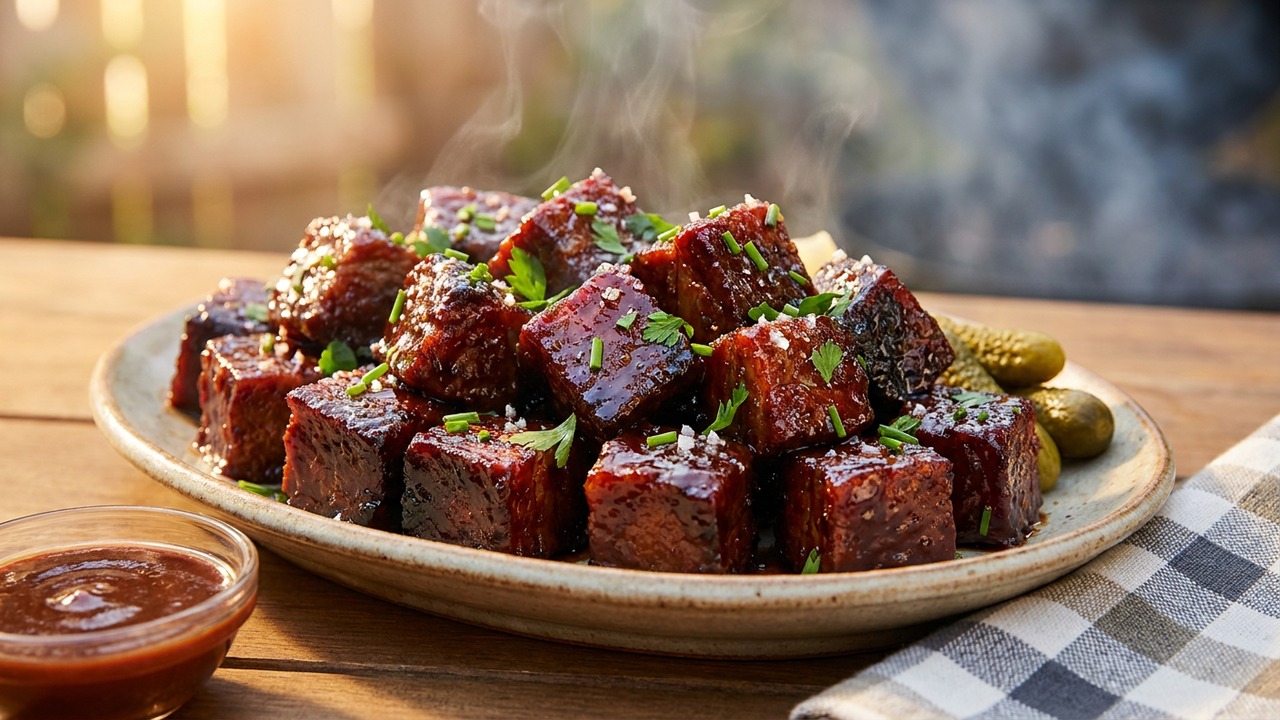
Rich, caramelized beef cubes made from the brisket point, finished in a sweet-savory glaze until sticky and tender. These smoky burnt ends are perfect for sharing at backyard gatherings or as a show-stopping appetizer.
Ingredient Spotlight
Beef brisket point (trimmed)
The brisket point is the thicker, fattier end of a whole beef brisket—a cut central to American/especially Texas-style barbecue and commonly used for smoked brisket and burnt ends. It’s richer and more marbled than the leaner brisket flat, producing intense beefy flavor and a melt-in-your-mouth texture as the fat renders during long, low cooking; when smoked it also carries a deep savory, smoky aroma. You’ll usually find it at a butcher or well-stocked supermarket (ask for a whole 'packer' brisket or specifically for the 'point'); if you can’t get the point, use the whole brisket or the brisket flat for a leaner result, or substitute a beef chuck roast for braising though the flavor and texture will differ.
Jake Woods's note
"This recipe transforms the flavorful brisket point into bite-sized, caramelized morsels — ideal for parties or a cozy weekend cook. Home cooks will love how forgiving the method is and how big the reward tastes."
About This Recipe
Burnt ends are the part of barbecue that live somewhere between candy and comfort food — cubes of brisket point that have rendered down, barked up, and been lacquered until shiny, sticky, and wildly addictive. Using the point cut is the secret here: the extra intramuscular fat and loose grain break down during a hot, steady smoke, giving you that custardy interior and a toothsome, caramelized exterior. In this version the modest rub of kosher salt, coarse black pepper, garlic powder and a touch of dark brown sugar builds a savory-sweet base while periodic apple-juice spritzes keep the bark from hardening too early and encourage that glossy mahogany finish.
Finishing the cubed point in butter, Worcestershire and a favorite BBQ sauce concentrates those rendered beef juices into a caramel glaze — the butter adds silk, Worcestershire sharpens the umami, and the sugar in the sauce creates the blistered edges you crave. It’s a hands-on recipe that rewards patience more than technique, perfect for the weekend pitmaster who wants something showy for a backyard crowd or a smaller-scale feast; pile them on buns, tuck them into charred corn, or serve them as the culinary centerpiece of a game-day spread.
Ingredients for Brisket Burnt Ends
- 3 1/2 lb Beef brisket point (trimmed)
- 2 tbsp Kosher salt
- 1 tbsp Coarse black pepper
- 1 tbsp Garlic powder
- 2 tbsp Dark brown sugar
- 1 cup Apple juice (for spritzing)
- 1/4 cup Unsalted butter
- 2 tbsp Worcestershire sauce
- 1 cup Your favorite BBQ sauce
How to Make Brisket Burnt Ends
Step 1: Trim and apply rub
Trim excess fat from the brisket point, leaving about a 1/8–1/4-inch fat cap for flavor. Mix kosher salt, coarse black pepper, garlic powder and dark brown sugar in a small bowl and evenly coat the meat; let rest while you preheat the smoker.For this step
- 3 1/2 lbBeef brisket point (trimmed)
- 2 tbspKosher salt
- 1 tbspCoarse black pepper
- 1 tbspGarlic powder
- 2 tbspDark brown sugar
Step 2: Preheat smoker and begin smoking
Preheat your smoker to a steady 225°F (107°C) using your preferred hardwood (oak, hickory, or post oak work well). Place the seasoned brisket point on the grate fat-side up and smoke unwrapped, spritzing lightly with apple juice every 45–60 minutes to maintain moisture and build a good bark.For this step
- 1 cupApple juice (for spritzing)
Step 3: Smoke to doneness
Continue smoking until the internal temperature reaches 195–203°F (90–95°C) and the point is tender when probed, about 3–4 hours for a 3–4 lb point (times vary). Once in range, remove the point from the smoker and let it rest 10–15 minutes to make cubing easier.Step 4: Cube and sauce the burnt ends
Cut the rested point into 1-inch cubes, removing any excessively large fat pieces. Toss the cubes in a foil pan with melted unsalted butter, Worcestershire sauce and your favorite BBQ sauce until well coated; for extra sweetness, sprinkle a touch more brown sugar if desired.For this step
- 1/4 cupUnsalted butter
- 2 tbspWorcestershire sauce
- 1 cupYour favorite BBQ sauce
Step 5: Caramelize and finish on the smoker
Return the foil pan of sauced cubes to the smoker at 225°F and cook uncovered for 60–120 minutes, stirring occasionally, until the sauce is thick, sticky and caramelized on the edges. Remove, let rest 5–10 minutes, then serve hot as a main or shared appetizer.


- Trim excess fat from the brisket point, leaving about a 1/8–1/4-inch fat cap for flavor. Mix kosher salt, coarse black pepper, garlic powder and dark brown sugar in a small bowl and evenly coat the meat; let rest while you preheat the smoker.
- Preheat your smoker to a steady 225°F (107°C) using your preferred hardwood (oak, hickory, or post oak work well). Place the seasoned brisket point on the grate fat-side up and smoke unwrapped, spritzing lightly with apple juice every 45–60 minutes to maintain moisture and build a good bark.
- Continue smoking until the internal temperature reaches 195–203°F (90–95°C) and the point is tender when probed, about 3–4 hours for a 3–4 lb point (times vary). Once in range, remove the point from the smoker and let it rest 10–15 minutes to make cubing easier.
- Cut the rested point into 1-inch cubes, removing any excessively large fat pieces. Toss the cubes in a foil pan with melted unsalted butter, Worcestershire sauce and your favorite BBQ sauce until well coated; for extra sweetness, sprinkle a touch more brown sugar if desired.
- Return the foil pan of sauced cubes to the smoker at 225°F and cook uncovered for 60–120 minutes, stirring occasionally, until the sauce is thick, sticky and caramelized on the edges. Remove, let rest 5–10 minutes, then serve hot as a main or shared appetizer.
Brisket Burnt Ends Tips
Trim, but keep fat
Leave about 1/8–1/4 inch of fat so the point renders without leaving huge chewy pockets; trim silver skin and big hard seams of fat instead.
Temperature over time
Trust the probe and tenderness rather than exact hours — the 195–203°F range is a guideline, but gentle probing for give tells you when it’s ready to cube.
Light, regular spritzing
Spritzing apple juice every 45–60 minutes helps form a flexible bark that will glaze rather than crack, but avoid dousing — you want a light sheen, not steaming the meat.
Sauce late, caramelize
Toss cubes in butter, Worcestershire, and sauce only after the point is fully smoked; saucing earlier can prevent proper bark formation and prolong rendering.
Use high-smoke wood
Oak, hickory or post oak provide a solid medium smoke that stands up to the sweet glaze without overpowering the beef.
Stir for even glaze
During the final 60–120 minutes stir the pan every 20–30 minutes to expose different faces of the cubes to the heat and avoid burning.
Brisket Burnt Ends Variations and Substitutions
Spicy Kansas City
Add 1–2 tsp smoked paprika and a pinch of cayenne to the rub, and finish with a molasses-forward BBQ sauce for a sweet, spicy Kansas City–style profile.
Vinegar-Tang Finish
Swap half the apple juice spritz for apple cider vinegar and mix a tangy vinegar-based sauce into the butter for a Carolina-ish contrast to the fatty point.
Smoker-Free Oven
Slow-roast the seasoned point at 275°F until tender, then cube and finish under a 375°F broiler in a foil pan to caramelize the sauce, watching closely to avoid burning.
Lower-Fat Option
Trim slightly more fat and drain large pools from the foil pan before saucing, and replace half the butter with beef broth to cut richness while keeping moisture.
How to Store and Make Brisket Burnt Ends Ahead
Cool burnt ends to room temperature before refrigerating in an airtight container; they keep well for up to 4 days. For longer storage, freeze in portions for up to 3 months; thaw overnight in the fridge. Reheat gently in a 250°F oven or smoker covered with foil (add a splash of beef broth or apple juice) until warmed through to preserve tenderness and prevent the glaze from scorching.
What to Serve With Brisket Burnt Ends
Serve burnt ends piled on soft brioche buns with pickles and a swipe of coleslaw for texture contrast, or present them on a board with smoky baked beans, grilled corn, and a vinegary slaw. For drinks, pair with an ice-cold hoppy IPA to cut the fat or a medium-bodied red like Malbec; nonalcoholic cola or ginger beer also stand up nicely. Garnish with sliced scallions for color and a squeeze of lemon or vinegar if the glaze needs brightening.
Brisket Burnt Ends FAQs
Can I use the whole brisket instead of just the point?
Yes — trim and smoke the whole brisket, but separate the point from the flat after cooking so you can cube the point for burnt ends; the flat is leaner and better sliced thin for sandwiches.
Why is the target temperature so high (195–203°F)?
That range reflects connective tissue breakdown; the collagen needs higher temperatures to turn into gelatin, producing the tender, almost custardy interior that defines good burnt ends.
How do I tell if the point is tender enough to cube?
Use a probe or skewer — it should slide in with little resistance and the meat should feel soft rather than springy; if it resists, continue smoking even if the thermometer is in range.
Is spritzing necessary?
It’s not mandatory, but light apple-juice spritzes help keep the surface moist, encourage a glossy bark, and add a touch of acidity that balances the fat; avoid over-spritzing which cools the meat.
My finished burnt ends are too saucy or soupy — how can I fix them?
Return the pan to the smoker or oven uncovered to reduce and caramelize the sauce, stirring occasionally; if edges burn before thickening, remove burnt pieces and finish the rest at a lower temperature.
About the author
Jake WoodsHello, I'm Jake. I started this recipe site with the idea that I hated recipe websites that overwhelm you with long stories and ads just to see plain content that's not helpful. My goal is to provide you with quality recipes, simple ideas and a fun cooking experience. There's lots of fun things to cook, and I think as you browse the site you'll find that TopShelf.Recipes is the place for quality recipes on the web.
See all recipes by Jake Woods →Ratings & Reviews
Did you make this recipe?
Be the first to share your experience.
Nutrition Facts
Per serving: 4 oz brisket
Nutrition values are estimated from USDA ingredient data and may vary based on preparation, brands, and portion sizes. Values are provided for informational purposes only.
Keep Reading
Guides & articles for this recipe
Guides
Labour Day Smoking Playbook
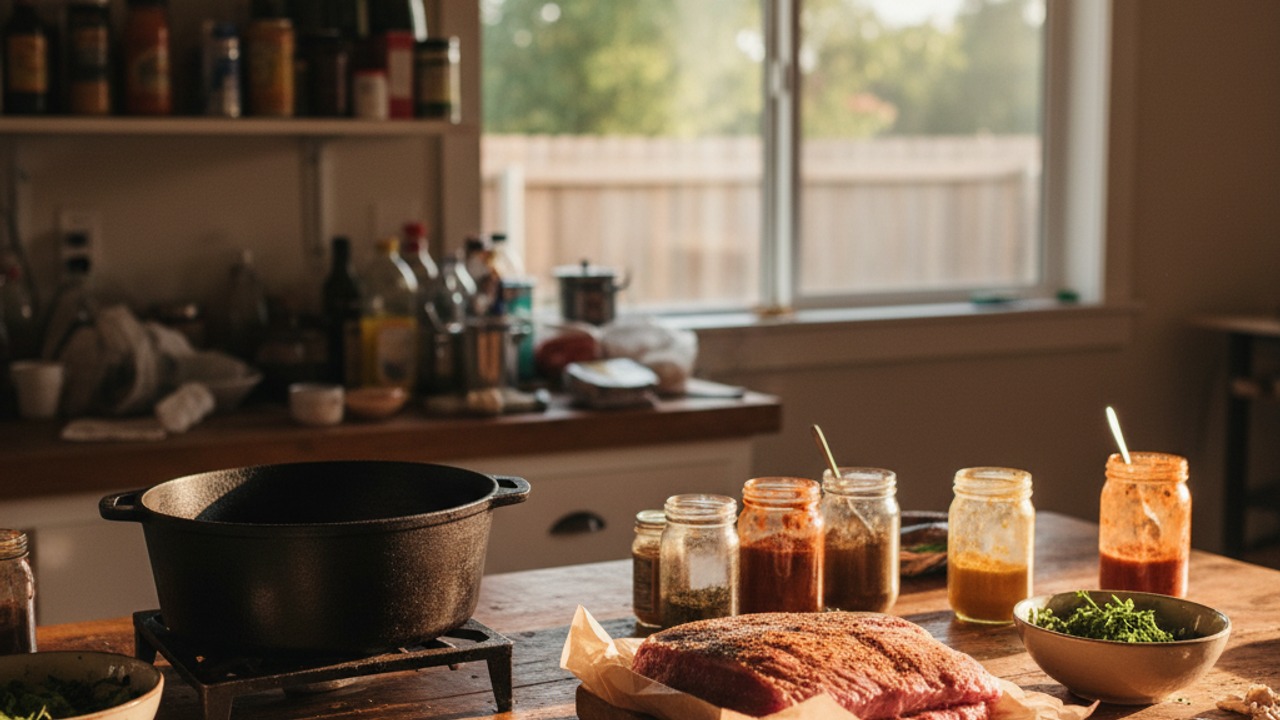
Seven ready-to-run smoke-first menus with exact start/hold/serve timelines so you can plan an overnight pit and a stress-free Labour Day spread. Includes make-ahead side pairings, cooler-transport tips, fuel and wood picks for late-summer weather, and safety + hold strategies so hosts can relax and enjoy the holiday.
Tips & Techniques
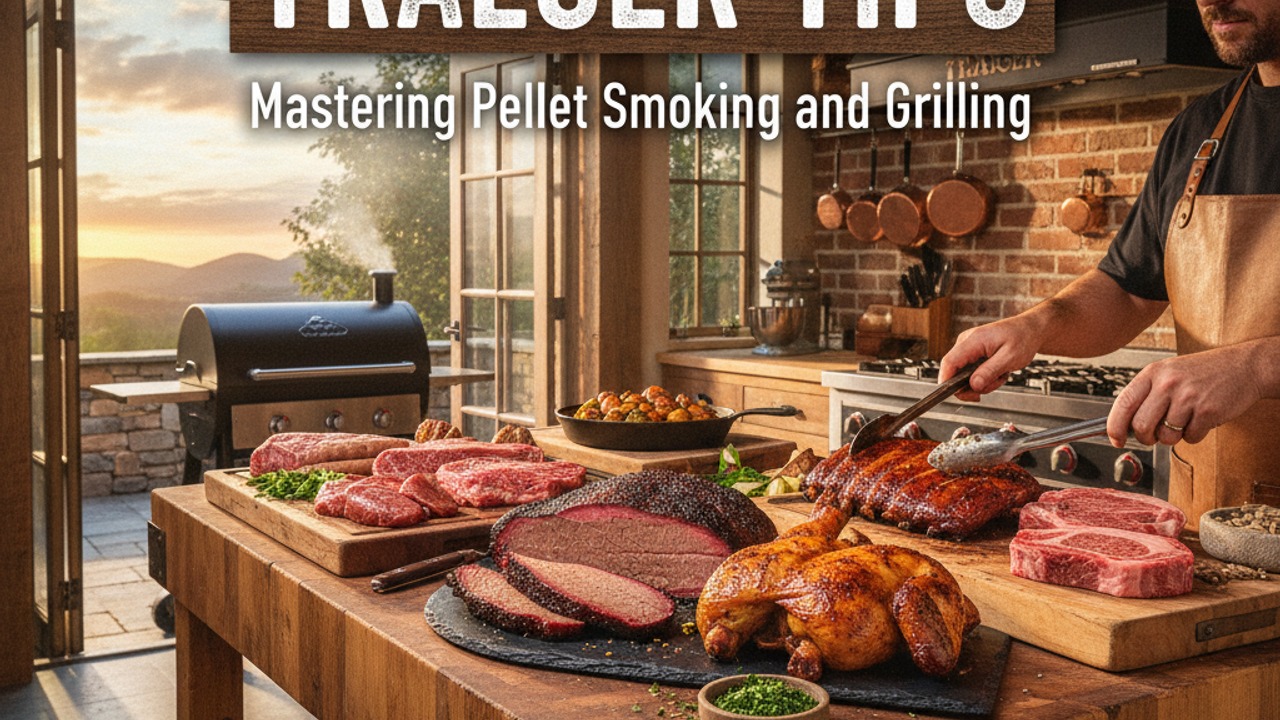
Traeger Tips: Mastering Pellet Smoking and Grilling
Practical, hands-on Traeger tips for better smoke, cleaner maintenance, and consistently great results. Learn pellet selection, temperature control, maintenance routines, and cook-specific advice for spectacular brisket, ribs, poultry and more.

Healthy Eating
Gluten-Free Weeknight Grilling Plan
A 7-day gluten-free weeknight grilling plan with quick, family-friendly recipes, prep-ahead timelines, and a printable shopping list that spotlights late-summer produce and pantry staples. Includes clear cross-contamination safety tips and simple swaps to keep dinners fast and crowd-pleasing.
More from Smoking
View all Smoking recipes →
Smoked Lamb Kabobs with Sumac and Pine Nut Gremolata

Smoked Chex Mix

Smoked Coffee-Chile Rubbed Pork Roast for Pellet or Offset Smokers

Smoked Pizza with Smoked Mozzarella

Smoked Pulled Pork Meal Prep

Eggs Benedict Pulled Pork

Smoked BBQ Beef Meatballs with Cherry Chipotle Glaze

Traeger Burnt Ends from Brisket Tips with Molasses Glaze

Campfire‑Smoked Potato Salad with Mustard‑Bacon Vinaigrette — A Labor Day Grilling Side for Steak
Ask me anything about this recipe — substitutions, scaling, techniques, timing.
Powered by AI · 6 questions per 5 minutes, 30 per day