Brown Butter Sage Roasted Butternut Squash
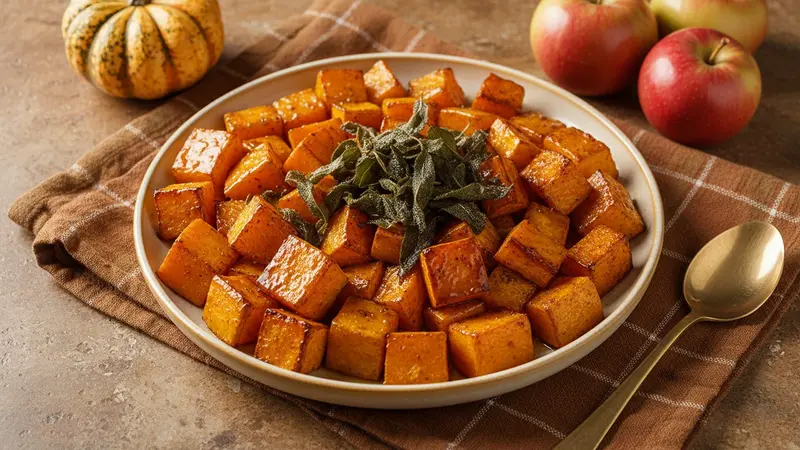
Simple cubed butternut squash roasted until caramelized, then tossed with nutty brown butter and crisped sage for a warm, aromatic Thanksgiving side. Ready in about an hour with a short hands-on prep and an easy stovetop finish that coats the squash with a glossy, savory glaze.
Jake Woods's note
"Cut the squash into consistent 1-inch cubes so pieces roast and caramelize evenly; uneven sizes are the most common reason for a few underdone bites. Watch the brown butter closely — when it smells nutty and takes a deep amber tone, pull it off the heat immediately to avoid bitterness, then add the sage for 20–30 seconds to get crisp texture without burning."
About This Recipe
This Brown Butter Sage Roasted Butternut Squash is all about focused contrasts: sweet, creamy squash with pockets of crisped, aromatic sage and a glossy, nutty glaze that clings to caramelized edges. The stovetop finish — six tablespoons of butter reduced until the milk solids caramelize — builds a deeper savory note than butter added cold, and a brief return to the oven sets that glaze so slices keep their sheen and bite. The optional tablespoon of maple syrup brightens the natural sugars without turning the dish syrupy.
Because the recipe calls for 1-inch cubes and a single layer on a rimmed sheet, you get reliable caramelization rather than steaming; the finished batch makes about 4 cups of roasted squash, which the recipe portions as roughly 2/3 cup (≈150 g) per person for six servings. This is a simple, elevated side that slots easily into a holiday spread, a roast dinner, or a weekday bowl with grain, greens, and a drizzle of any leftover brown butter.
Ingredients for Brown Butter Sage Roasted Butternut Squash
- 2 medium (total ~2½ lb / 1.15 kg) Butternut squash, peeled, seeded and cut into 1-inch (2.5 cm) cubes
- 1 tablespoon Olive oil
- 1 1/2 teaspoons Kosher salt
- 1/2 teaspoon Freshly ground black pepper
- 6 tablespoons Unsalted butter
- 12 leaves Fresh sage leaves
- 1 tablespoon (optional) Pure maple syrup (optional)
How to Make Brown Butter Sage Roasted Butternut Squash
Step 1: Prep the squash
Active 20 min
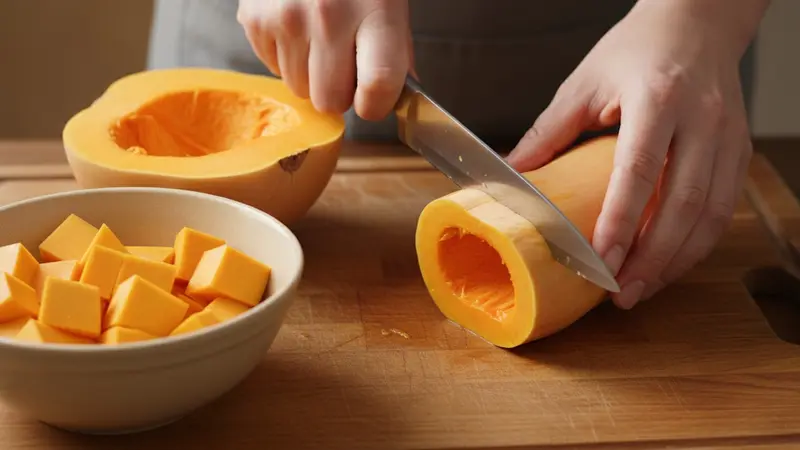
Preheat the oven to 425°F (220°C). Peel the butternut squash, cut off the stem and base, halve lengthwise, scoop out the seeds, and cut the flesh into roughly 1-inch (2.5 cm) cubes so they roast evenly. Aim for uniform pieces so cooking time in step 3 is consistent.For this step
- 2 medium (total ~2½ lb / 1.15 kg)Butternut squash, peeled, seeded and cut into 1-inch (2.5 cm) cubes
Step 2: Toss and arrange for roasting
Active 8 min
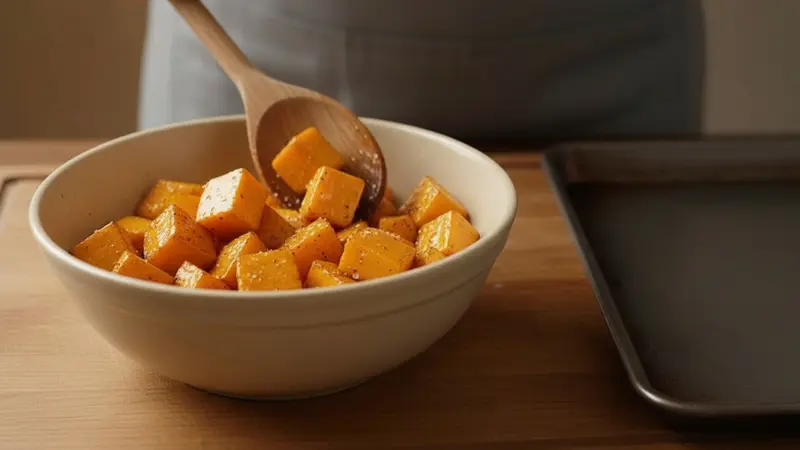
Place the cubed butternut squash in a large bowl and add the olive oil, kosher salt, and freshly ground black pepper; toss to coat. Spread the cubes in a single layer on a rimmed baking sheet (use two sheets if needed to avoid crowding) so the pieces have space to caramelize.For this step
- 1 tablespoonOlive oil
- 1 1/2 teaspoonsKosher salt
- 1/2 teaspoonFreshly ground black pepper
Step 3: Roast until tender and caramelized
Active 5 min · Passive 30 min
Roast the squash on the middle rack for 25–30 minutes, stirring and turning once halfway through (about 12–15 minutes) so all sides brown. Finish when the edges are golden and a fork slides into the biggest cubes with slight resistance; total oven time here is about 25–30 minutes.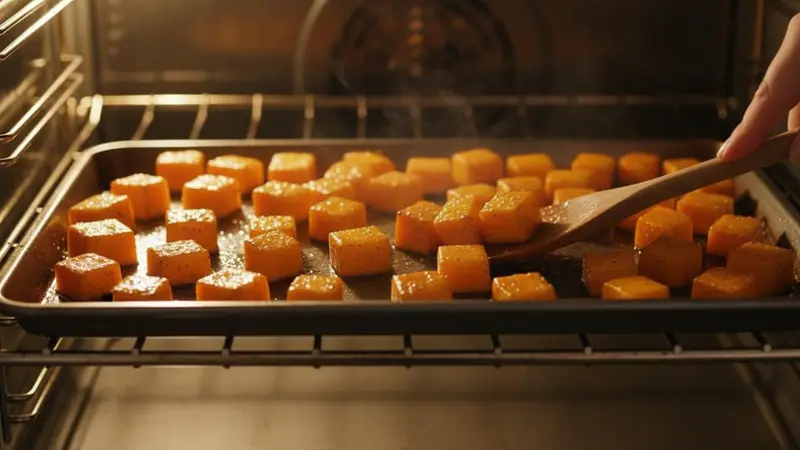
Step 4: Make brown butter and crisp the sage
Active 8 min
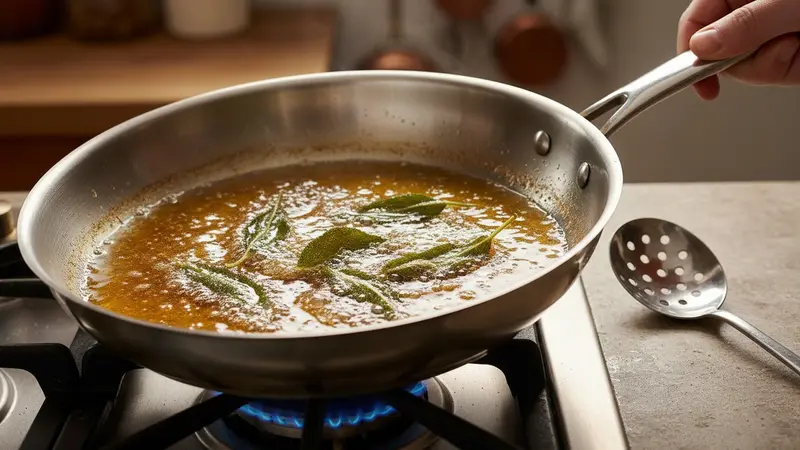
While the squash roasts, melt the unsalted butter in a medium skillet over medium heat. Swirl the pan as the butter foams; continue cooking until the milk solids turn deep golden-brown and the butter smells nutty (about 4–6 minutes). Add the fresh sage leaves and fry 20–30 seconds until the leaves darken and crisp; use a slotted spoon to transfer the leaves to a paper towel to drain and keep the browned butter in the skillet off the heat.For this step
- 6 tablespoonsUnsalted butter
- 12 leavesFresh sage leaves
Step 5: Toss squash with brown butter and finish
Active 6 min · Passive 7 min
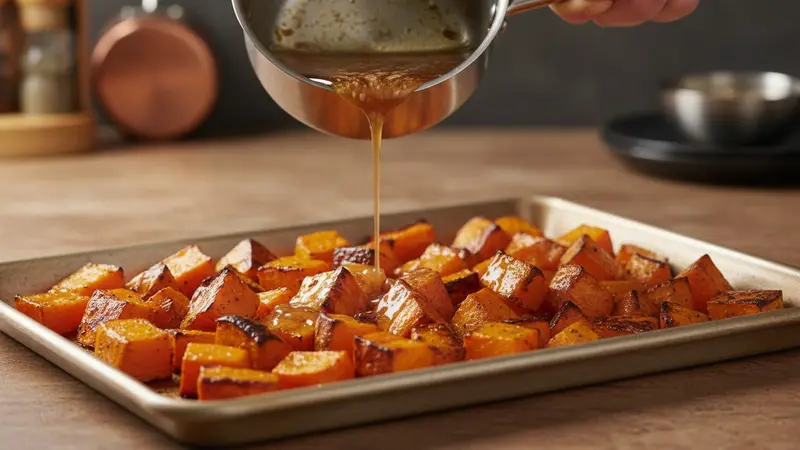
When the squash is roasted, return the baking sheet to a work surface and pour the browned butter over the hot cubes, tossing gently to coat. If using, drizzle the maple syrup now and toss again for a touch of sweetness; spread the coated squash back in a single layer and return to the oven for 5–7 minutes to set the glaze and deepen caramelization.For this step
- 1 tablespoon (optional)Pure maple syrup (optional)
Step 6: Finish, garnish and serve
Active 5 min
Remove the squash from the oven, sprinkle the crisped sage leaves over the top, transfer to a serving dish, and taste for seasoning, adding a little more kosher salt if needed. Refrigerate any leftovers within 2 hours and reheat to 165°F/74°C before serving. Makes about 4 cups roasted squash; serve about 2/3 cup (≈150g) per serving (serves 6).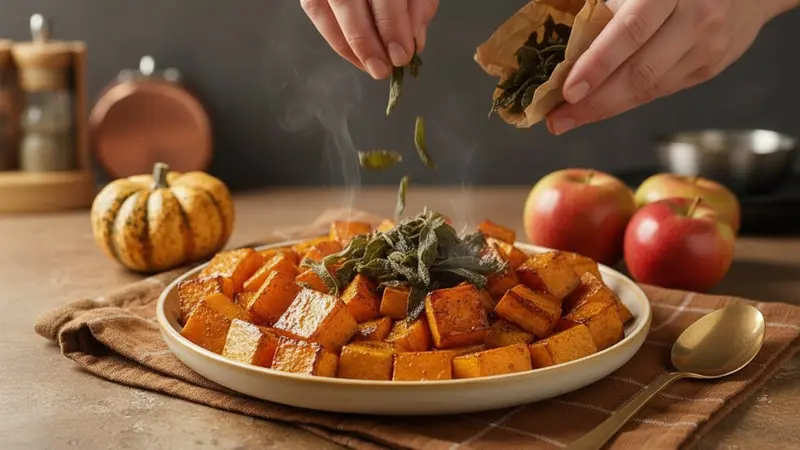
- Preheat the oven to 425°F (220°C). Peel the butternut squash, cut off the stem and base, halve lengthwise, scoop out the seeds, and cut the flesh into roughly 1-inch (2.5 cm) cubes so they roast evenly. Aim for uniform pieces so cooking time in step 3 is consistent.
- Place the cubed butternut squash in a large bowl and add the olive oil, kosher salt, and freshly ground black pepper; toss to coat. Spread the cubes in a single layer on a rimmed baking sheet (use two sheets if needed to avoid crowding) so the pieces have space to caramelize.
- Roast the squash on the middle rack for 25–30 minutes, stirring and turning once halfway through (about 12–15 minutes) so all sides brown. Finish when the edges are golden and a fork slides into the biggest cubes with slight resistance; total oven time here is about 25–30 minutes.
- While the squash roasts, melt the unsalted butter in a medium skillet over medium heat. Swirl the pan as the butter foams; continue cooking until the milk solids turn deep golden-brown and the butter smells nutty (about 4–6 minutes). Add the fresh sage leaves and fry 20–30 seconds until the leaves darken and crisp; use a slotted spoon to transfer the leaves to a paper towel to drain and keep the browned butter in the skillet off the heat.
- When the squash is roasted, return the baking sheet to a work surface and pour the browned butter over the hot cubes, tossing gently to coat. If using, drizzle the maple syrup now and toss again for a touch of sweetness; spread the coated squash back in a single layer and return to the oven for 5–7 minutes to set the glaze and deepen caramelization.
- Remove the squash from the oven, sprinkle the crisped sage leaves over the top, transfer to a serving dish, and taste for seasoning, adding a little more kosher salt if needed. Refrigerate any leftovers within 2 hours and reheat to 165°F/74°C before serving. Makes about 4 cups roasted squash; serve about 2/3 cup (≈150g) per serving (serves 6).
Brown Butter Sage Roasted Butternut Squash Tips
Uniform 1-inch cubes
Aim for roughly 1-inch (2.5 cm) pieces—smaller cubes will overbrown and larger ones will stay firm; use a bench scraper or chef’s knife to keep cuts consistent.
Avoid crowding pan
Spread the squash in a single layer with space between pieces; use two rimmed sheets if needed so steam can escape and edges brown.
Nail the brown butter
Swirl the pan and watch for foam to subside and milk solids to turn deep amber; remove from heat immediately and the residual warmth will keep it from burning.
Crisp sage correctly
Add sage to hot browned butter for only 20–30 seconds until the leaves darken and become crisp—too long makes them brittle and bitter.
Set the glaze
After tossing with brown butter, return the tray to the oven for 5–7 minutes so the glaze bonds to the squash and edges deepen in color.
Brown Butter Sage Roasted Butternut Squash Variations and Substitutions
Make it vegan
Replace butter with 4 tablespoons olive oil plus 2 tablespoons neutral oil (or a high-quality plant-based butter), brown gently over medium-low heat and crisp the sage in that mixture.
Maple–spice finish
Stir 1 tablespoon pure maple syrup with 1/4 teaspoon ground cinnamon and a pinch of cayenne into the brown butter for warm, autumnal spice and a touch of heat.
Nutty Parmesan option
After the final oven step, sprinkle 1/4 cup finely grated Parmesan and 1/4 cup toasted chopped walnuts over the hot squash for salty-crunch contrast.
Swap herbs
If you don’t have sage, use thyme or rosemary—add these earlier in the brown butter so their woodier flavors have time to infuse the fat.
How to Store and Make Brown Butter Sage Roasted Butternut Squash Ahead
Refrigerate leftovers in an airtight container within 2 hours and use within 3–4 days. To reheat and recrisp, warm on a rimmed baking sheet in a 350°F (175°C) oven until the interior reaches 165°F (74°C) and the edges re-brown, or reheat in a skillet over medium until hot and glossy.
What to Serve With Brown Butter Sage Roasted Butternut Squash
Serve alongside roasted turkey or pork chops where the brown butter echoes other savory dishes, or spoon over cooked farro and dressed arugula for a vegetarian main. For drinks, a medium-bodied white like Chenin Blanc or a malt-forward saison pairs well with the nuttiness and autumnal sweetness.
Brown Butter Sage Roasted Butternut Squash FAQs
My squash pieces are soft but not browning—what went wrong?
They were likely crowded on the pan, causing them to steam. Roast in a single layer with space between pieces or use a second sheet pan so hot air hits the edges and creates caramelization.
Can I use frozen butternut squash?
Yes, but thaw and pat the cubes dry to remove excess moisture before tossing with oil; roast a little longer to encourage browning and expect a softer texture than fresh.
How can I tell when the brown butter is done?
Look for the foaming to subside and the milk solids to take on an even golden–amber color and a pronounced nutty aroma; once that happens, remove the pan from heat to stop the cooking.
Can I brown the butter ahead of time?
Yes—cool and refrigerate stored brown butter for up to 3 days, then gently reheat before adding sage; reheat slowly because pre-browned solids will brown faster and can burn.
How should I handle the crisped sage if it softens in storage?
Store sage and squash separately if possible; if the sage softens, re-crisp in a 350°F (175°C) oven for a few minutes or briefly pan-fry in a little oil before serving.
About the author
Jake WoodsHello, I'm Jake. I started this recipe site with the idea that I hated recipe websites that overwhelm you with long stories and ads just to see plain content that's not helpful. My goal is to provide you with quality recipes, simple ideas and a fun cooking experience. There's lots of fun things to cook, and I think as you browse the site you'll find that TopShelf.Recipes is the place for quality recipes on the web.
See all recipes by Jake Woods →Ratings & Reviews
Did you make this recipe?
Be the first to share your experience.
Nutrition Facts
Per serving: 2/3 cup (approx. 150g)
Nutrition values are estimated from USDA ingredient data and may vary based on preparation, brands, and portion sizes. Values are provided for informational purposes only.
Keep Reading
Guides & articles for this recipe
Seasonal
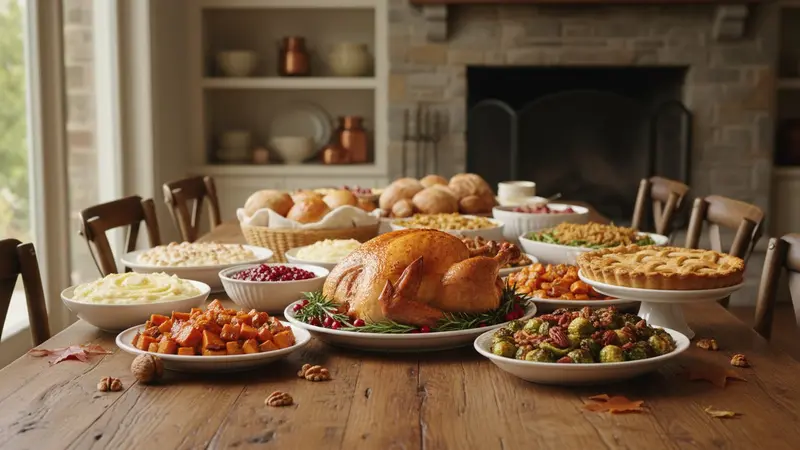
Mastering Thanksgiving Sides
A practical roundup of Thanksgiving side dishes that balance make-ahead ease with crowd-pleasing flavor. Find vegetable roasts, creamy potatoes, classic casseroles, and breads to round out your holiday table.
Tips & Techniques
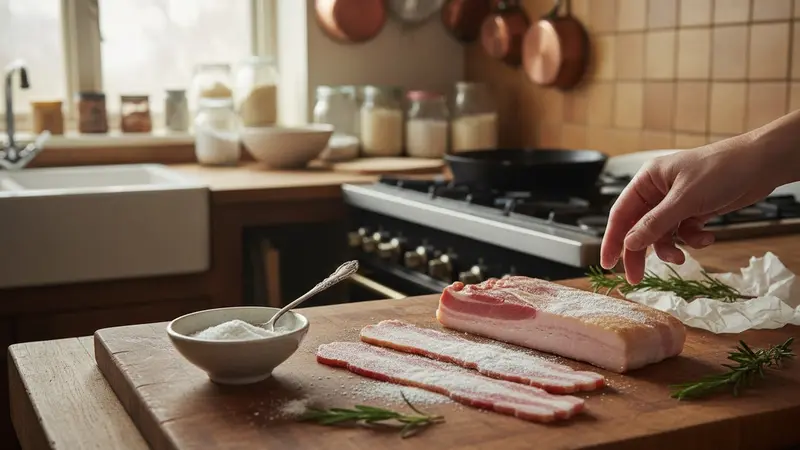
Does Baking Soda Make Bacon Better?
A practical look at the claim that a sprinkle of baking soda makes bacon crisper and better. We test the idea against what you’ll taste, the chemistry behind it, the right way to try it, and safer alternatives.
Tips & Techniques
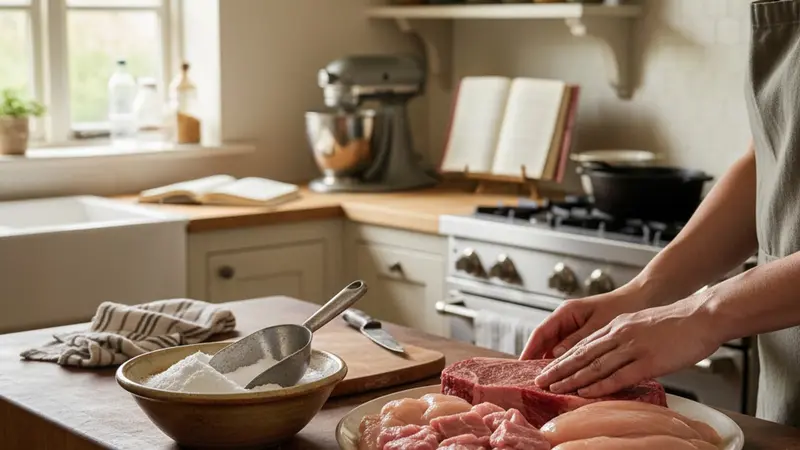
Baking Soda and Tenderized Beef
Learn how baking soda can tenderize, boost browning, and improve moisture for ground beef and other meats. This practical guide covers the science, step-by-step techniques, common mistakes, and recipes to try.
More from Baking
View all Baking recipes →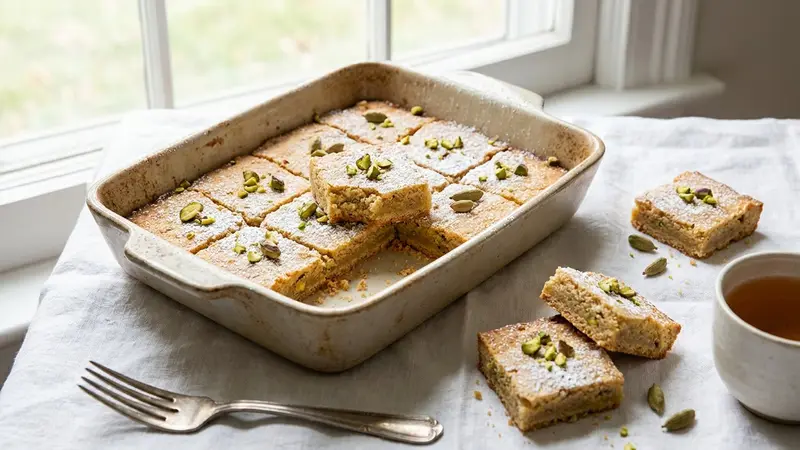
Cardamom Pistachio Shortbread
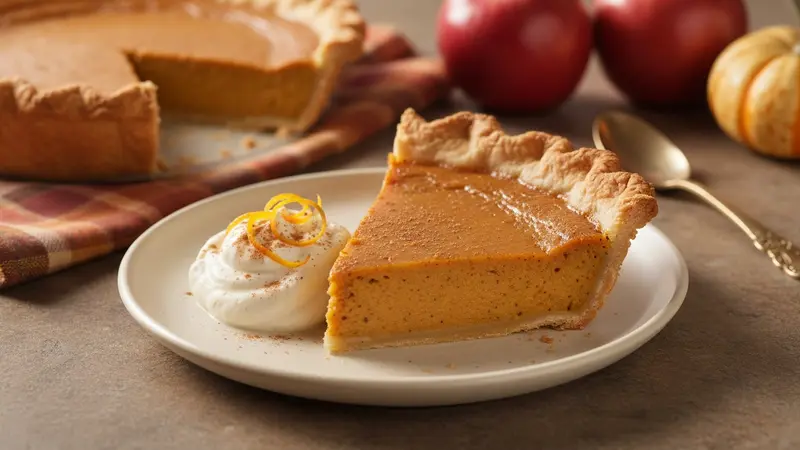
Classic Pumpkin Pie
Crispy Gluten-Free Bagels (Chewy Interior, Boil-and-Bake Method)
Mike's Hot Honey Roasted Carrots with Tahini and Pistachios
No-Knead Artisan Bread (Easy Home Loaf)
Cheesy Beef Potato Casserole

Sicilian Cast-Iron Pizza
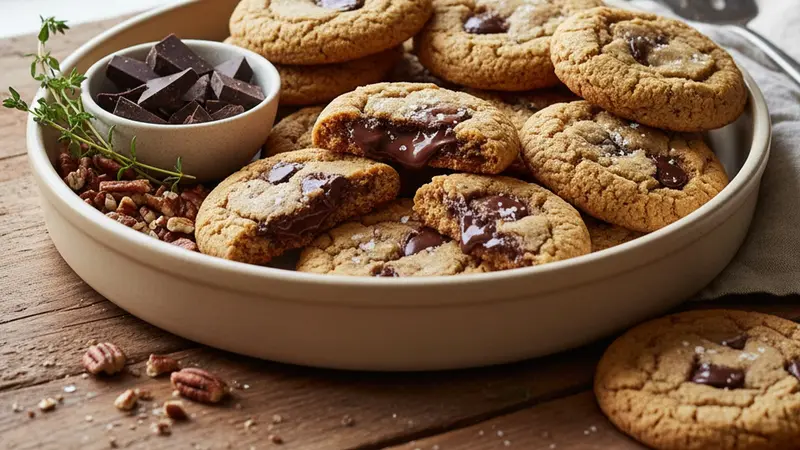
Brown Butter Chocolate Chip Cookies
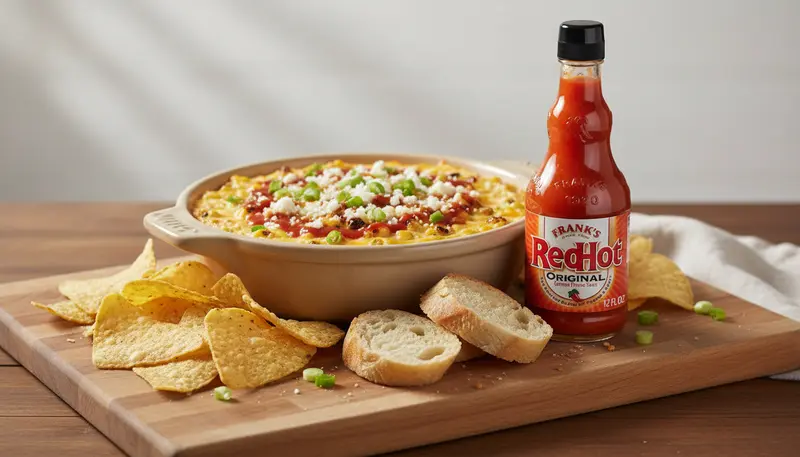
Frank's Red Hot Buffalo Street Corn Dip
Ask me anything about this recipe — substitutions, scaling, techniques, timing.
Powered by AI · 6 questions per 5 minutes, 30 per day