Butterflake Dinner Rolls
Soft, layered butterflake dinner rolls with a tender crumb and a glossy, buttery finish. These oven-baked rolls are made from scratch with simple ingredients and a layering technique that creates delicate, flakey layers perfect for holidays or weeknight dinners.

Jake Woods's note
"These rolls shine at holiday tables but are simple enough for a weekend bake. Home cooks will love the buttery layered pull-apart texture and the easy, single-pan bake."
About This Recipe
These butterflake dinner rolls sit somewhere between a classic soft roll and a laminated pastry — tender, pillowy interiors with thin, tear-apart layers that catch butter and gravies in their little pockets. The technique is intentionally simple: a single fold and a roll yield delicate layers without the fuss of repeated lamination, while an egg and a generous dose of melted butter in the dough build richness and an even crumb. Baked until golden and brushed with more butter for a glossy finish, they come out warm, aromatic, and irresistibly soft.
This version works because it balances approachability with a reliable layering trick: roll, butter, fold, and roll again to create the “flake” structure. The modest rise times keep the schedule friendly for weeknight dinners but still give enough fermentation to develop flavor. These rolls are for anyone who wants an elevated dinner table without a day-long commitment — home bakers who love buttery texture, hosts looking for make-ahead options, and families who will happily grab one straight from the pan.
Ingredients for Butterflake Dinner Rolls
- 3/4 cup whole milk
- 2 1/4 tsp active dry yeast
- 3 tbsp granulated sugar
- 3 1/2 cups all-purpose flour
- 1 1/2 tsp salt
- 6 tbsp unsalted butter
- 1 large large egg
How to Make Butterflake Dinner Rolls
Step 1: Warm milk and proof the yeast
Active 5 min · Passive 10 min
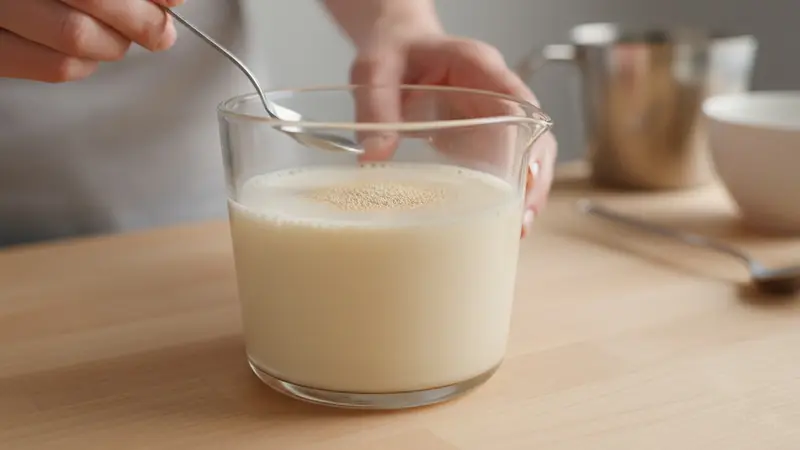
Warm 3/4 cup whole milk to about 100–110°F (warm to the touch). Stir in 1 tablespoon of the granulated sugar, sprinkle 2 1/4 teaspoons active dry yeast over the surface, and let sit until foamy, about 10 minutes. If the mixture fails to foam, discard and start with fresh yeast.For this step
- 3/4 cupwhole milk
- 2 1/4 tspactive dry yeast
Step 2: Mix the dough
Active 15 min
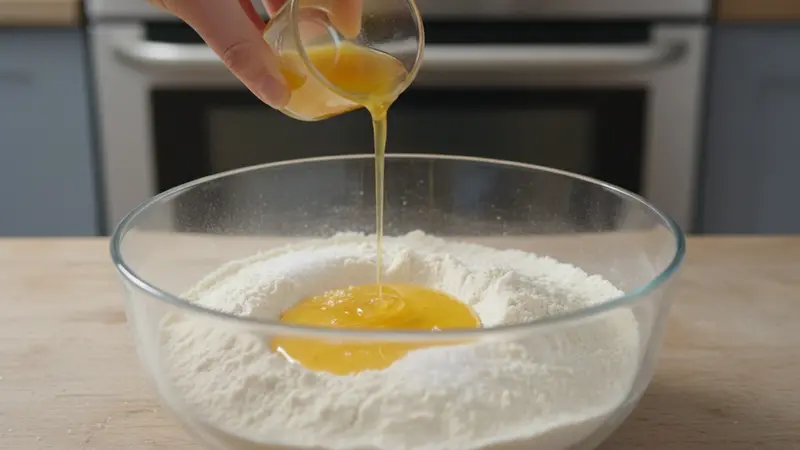
Melt 6 tablespoons unsalted butter and measure out 3 tablespoons; reserve the remaining 3 tablespoons for later (you will use 2 tablespoons during shaping and 1 tablespoon for brushing after baking). In a large bowl, combine 3 1/2 cups all-purpose flour and 1 1/2 teaspoons salt, then add the remaining 2 tablespoons granulated sugar. Add the reserved 3 tablespoons melted butter and 1 large egg, then pour in the proofed milk mixture. Stir until a shaggy dough forms, then turn onto a lightly floured surface and knead until smooth and elastic, about 8–10 minutes total.For this step
- 3 1/2 cupsall-purpose flour
- 1 1/2 tspsalt
- 1 largelarge egg
Step 3: First rise
Active 5 min · Passive 45 min
Lightly oil a clean bowl, place the kneaded dough inside, turn to coat, and cover the bowl with plastic wrap or a damp towel. Let the dough rise in a warm spot until roughly doubled in size, about 45 minutes.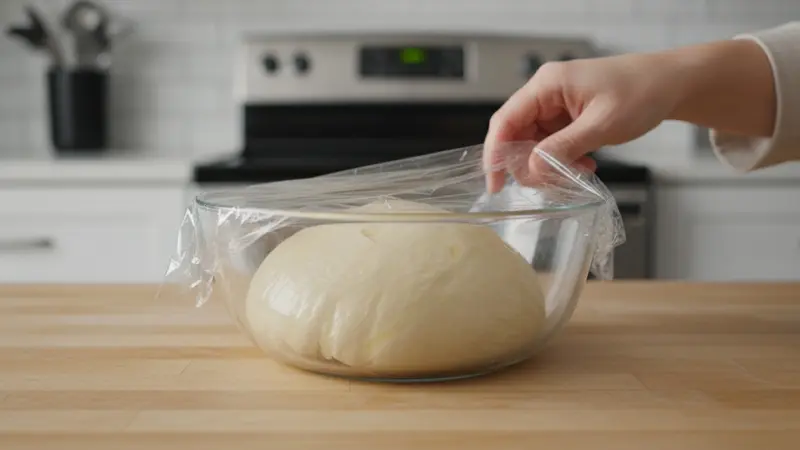
Step 4: Shape into layered butterflake rolls
Active 15 min
Punch down the risen dough and roll it out on a lightly floured surface to a roughly 12 x 8-inch rectangle. Brush the surface with 2 tablespoons of the reserved melted unsalted butter, then fold the dough into thirds (like a letter). Lightly press and turn the folded dough, then brush the top with the remaining 1 tablespoon of the reserved melted butter. Roll the dough into a tight log from the long side and cut the log crosswise into 12 equal pieces; place the 12 pieces cut-side up in a greased 9-inch round or 8x8-inch square baking pan. (This recipe yields 12 rolls.)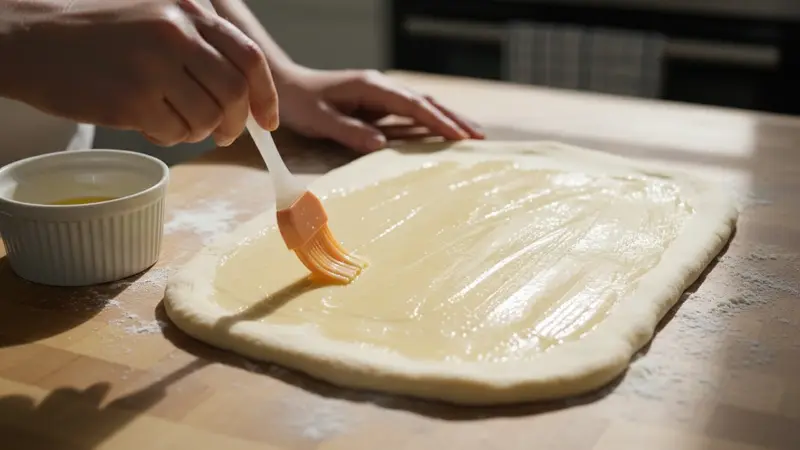
Step 5: Final proof and preheat
Active 5 min · Passive 20 min
Cover the pan loosely with a towel or plastic wrap and let the rolls rise until puffy, about 20 minutes, while you preheat the oven to 375°F (190°C).Step 6: Bake the rolls
Active 2 min · Passive 18 min
Bake the risen rolls in the preheated oven for about 18 minutes, until the tops are golden brown and an instant-read thermometer inserted into the center of a roll reads about 190°F (88°C). Remove from oven.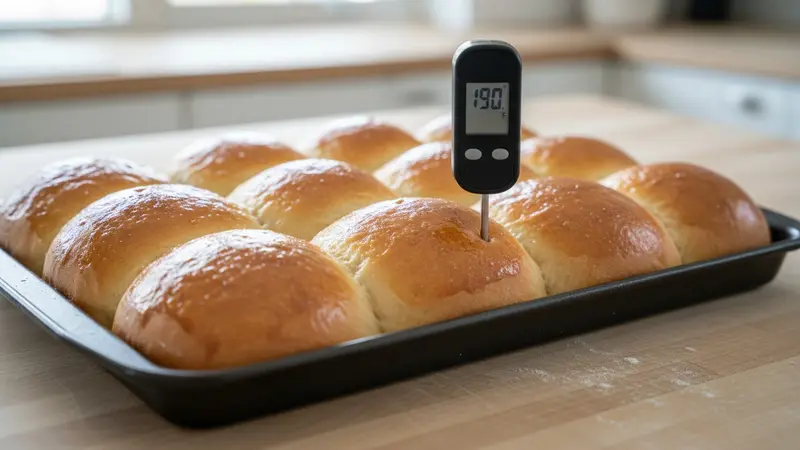
Step 7: Finish and cool
Active 3 min · Passive 10 min
Brush the warm rolls with the remaining 1 tablespoon melted unsalted butter for shine and extra richness. Let the rolls cool in the pan for about 10 minutes before serving warm.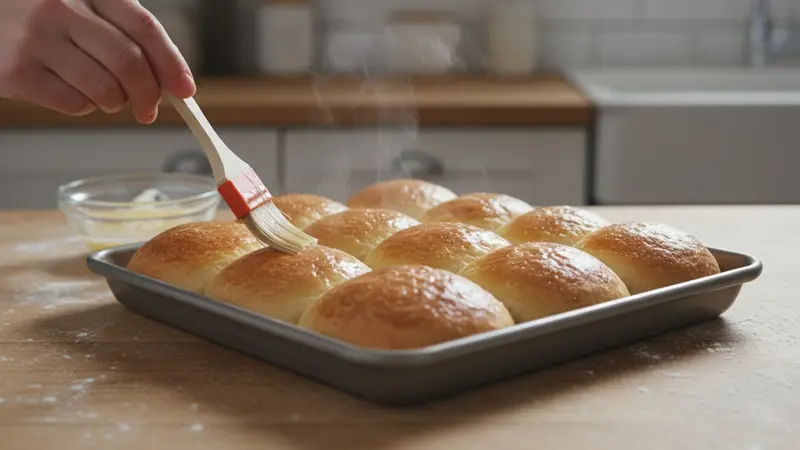
- Warm 3/4 cup whole milk to about 100–110°F (warm to the touch). Stir in 1 tablespoon of the granulated sugar, sprinkle 2 1/4 teaspoons active dry yeast over the surface, and let sit until foamy, about 10 minutes. If the mixture fails to foam, discard and start with fresh yeast.
- Melt 6 tablespoons unsalted butter and measure out 3 tablespoons; reserve the remaining 3 tablespoons for later (you will use 2 tablespoons during shaping and 1 tablespoon for brushing after baking). In a large bowl, combine 3 1/2 cups all-purpose flour and 1 1/2 teaspoons salt, then add the remaining 2 tablespoons granulated sugar. Add the reserved 3 tablespoons melted butter and 1 large egg, then pour in the proofed milk mixture. Stir until a shaggy dough forms, then turn onto a lightly floured surface and knead until smooth and elastic, about 8–10 minutes total.
- Lightly oil a clean bowl, place the kneaded dough inside, turn to coat, and cover the bowl with plastic wrap or a damp towel. Let the dough rise in a warm spot until roughly doubled in size, about 45 minutes.
- Punch down the risen dough and roll it out on a lightly floured surface to a roughly 12 x 8-inch rectangle. Brush the surface with 2 tablespoons of the reserved melted unsalted butter, then fold the dough into thirds (like a letter). Lightly press and turn the folded dough, then brush the top with the remaining 1 tablespoon of the reserved melted butter. Roll the dough into a tight log from the long side and cut the log crosswise into 12 equal pieces; place the 12 pieces cut-side up in a greased 9-inch round or 8x8-inch square baking pan. (This recipe yields 12 rolls.)
- Cover the pan loosely with a towel or plastic wrap and let the rolls rise until puffy, about 20 minutes, while you preheat the oven to 375°F (190°C).
- Bake the risen rolls in the preheated oven for about 18 minutes, until the tops are golden brown and an instant-read thermometer inserted into the center of a roll reads about 190°F (88°C). Remove from oven.
- Brush the warm rolls with the remaining 1 tablespoon melted unsalted butter for shine and extra richness. Let the rolls cool in the pan for about 10 minutes before serving warm.
Butterflake Dinner Rolls Tips
Milk temperature matters
Keep milk between 100–110°F to wake the yeast without killing it; use a thermometer or test by touch (warm, not hot).
Measure melted butter
Melt then measure the butter so you can reserve exact amounts for the dough, shaping, and finishing to maintain the recipe's fat balance.
Knead by feel
Stop kneading when the dough is smooth and slightly tacky — about 8–10 minutes — it should spring back and hold a windowpane without tearing.
Cut evenly for layers
Use a bench scraper and a ruler or weigh the log if you want perfectly uniform rolls; cleaner cuts preserve the layered appearance.
Watch the proof
Final proof is short; let them become puffy rather than doubled to avoid overproofing, which collapses the layers when baked.
Butterflake Dinner Rolls Variations and Substitutions
Garlic‑Herb Butter
Mix softened butter with minced garlic, chopped parsley, and a pinch of salt, then brush over the rolls right after baking for a savory twist.
Honey‑Brown Sugar
Replace the granulated sugar with equal parts honey and brown sugar for a deeper, caramel-like sweetness and a darker crust.
Whole Wheat Blend
Swap up to half the all-purpose flour for whole wheat pastry flour and add 1–2 tablespoons extra milk if the dough feels stiff to keep the crumb tender.
Vegan Butterflake
Use a plant-based butter and replace the egg with 3 tablespoons aquafaba (chickpea brine) or a flax egg; expect a slightly different crumb but the same layered effect.
How to Store and Make Butterflake Dinner Rolls Ahead
Store cooled rolls in an airtight container at room temperature for up to 2 days to preserve their softness. For longer storage, freeze individual rolls wrapped tightly in plastic and foil for up to 3 months; thaw at room temperature and warm in a 300°F oven for 8–10 minutes. Reheat refrigerated rolls briefly in a low oven or wrapped in foil to avoid drying out.
What to Serve With Butterflake Dinner Rolls
Serve warm from the pan with a dish that benefits from butter-catching layers: roasted chicken, a saucy pot roast, or creamy soups like butternut squash or clam chowder. Offer compound butters (honey‑thyme, roasted garlic) and flaky sea salt on the side, and pair with a crisp white wine or mulled cider for holiday tables.
Butterflake Dinner Rolls FAQs
My yeast didn't foam — what should I do?
If your yeast fails to foam within 10–12 minutes, it’s likely dead or the liquid was too hot/cold; discard and start over with fresh yeast and properly warmed milk. Always proof in a warm, draft-free spot.
Why are my rolls dense instead of fluffy?
Dense rolls usually come from under-kneading, under-proofing, or using too much flour; aim for a smooth, slightly tacky dough and let the first rise reach roughly double before shaping.
Can I make the dough ahead of time?
Yes — after kneading, refrigerate the dough in an oiled bowl, covered, for up to 24 hours; bring it up to room temperature before shaping and proceed with the recipe for best final rise.
Should I use an egg wash for extra shine?
An egg wash will give a shinier, deeper brown crust, but it changes the surface texture; if you prefer a pure buttery finish and extra tenderness, stick with the melted butter brush after baking.
How can I tell when the rolls are done?
They should be golden brown on top and register about 190°F (88°C) in the center with an instant-read thermometer; a hollow sound when tapped is another good indicator.
About the author
Jake WoodsHello, I'm Jake. I started this recipe site with the idea that I hated recipe websites that overwhelm you with long stories and ads just to see plain content that's not helpful. My goal is to provide you with quality recipes, simple ideas and a fun cooking experience. There's lots of fun things to cook, and I think as you browse the site you'll find that TopShelf.Recipes is the place for quality recipes on the web.
See all recipes by Jake Woods →Ratings & Reviews
Did you make this recipe?
Be the first to share your experience.
Nutrition Facts
Per serving: 1 serving
Nutrition values are estimated from USDA ingredient data and may vary based on preparation, brands, and portion sizes. Values are provided for informational purposes only.
Keep Reading
Guides & articles for this recipe
Tips & Techniques
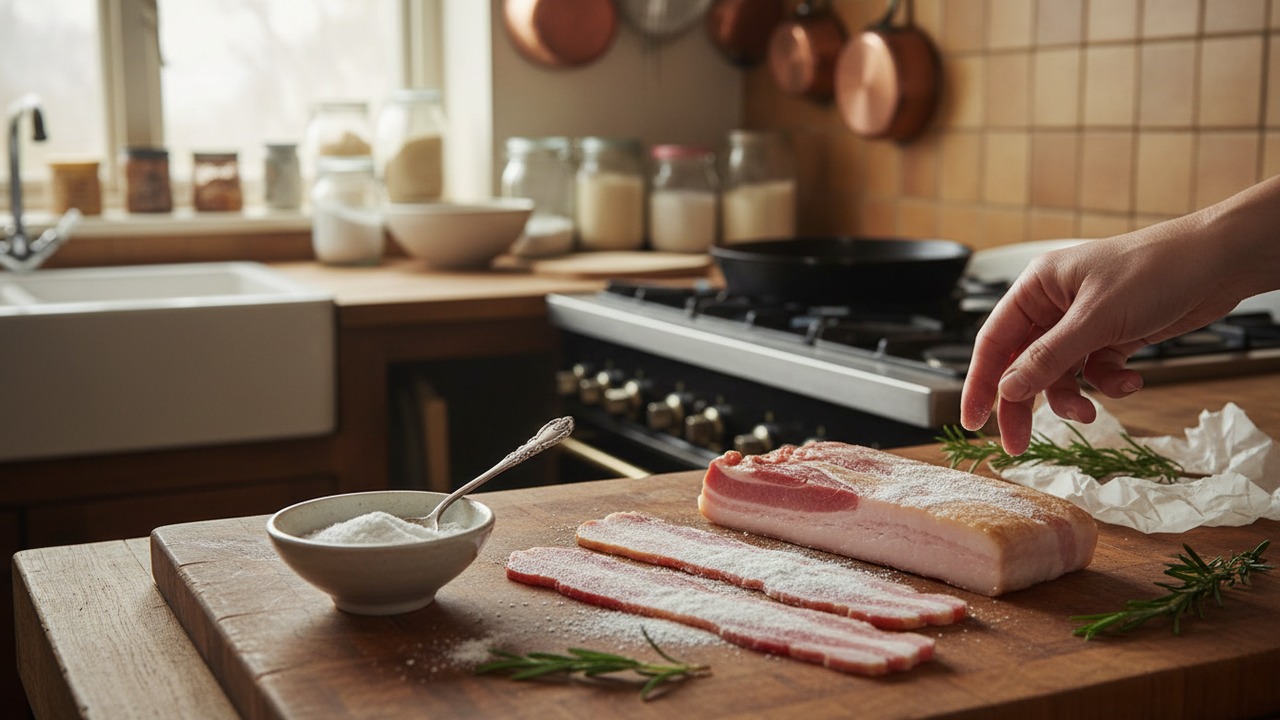
Does Baking Soda Make Bacon Better?
A practical look at the claim that a sprinkle of baking soda makes bacon crisper and better. We test the idea against what you’ll taste, the chemistry behind it, the right way to try it, and safer alternatives.
Recipes
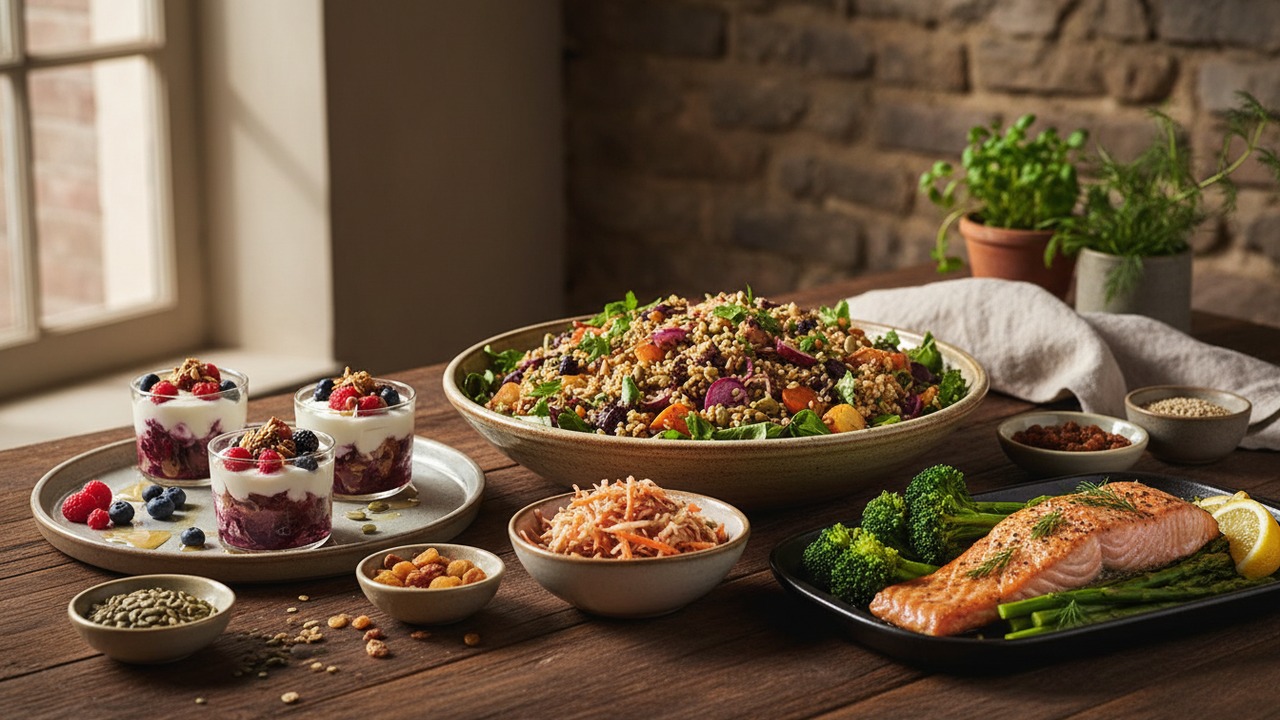
Gut-Healthy Recipe Roundup
A practical collection of recipes that emphasize fiber, prebiotics, and fermented foods to support a diverse microbiome. Mix breakfasts, snacks, bowls and mains to build meals that feel good to eat and are gentle on digestion.
Recipes
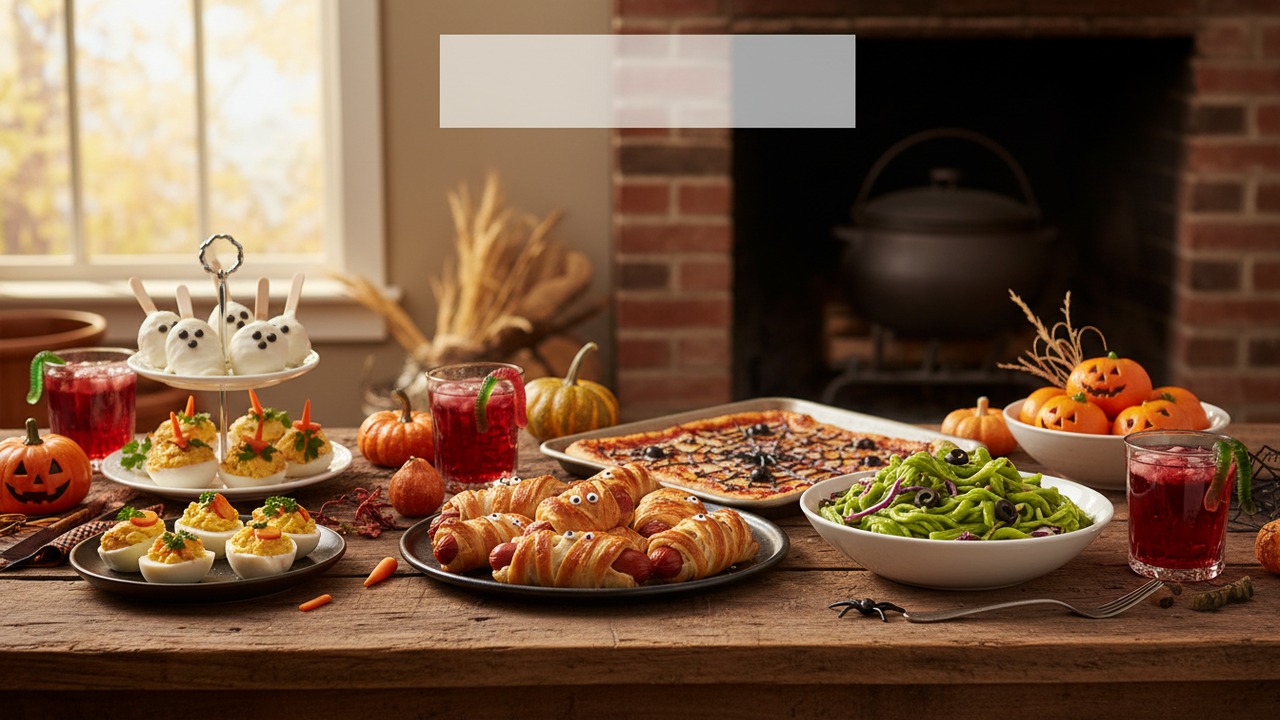
Fun Kid-Friendly Halloween Recipes
Easy, playful Halloween recipes that kids can help make or will happily eat. From no-bake classroom treats to spooky grilled sweets, this roundup groups tried ideas for parties, after-school snacks, and trick-or-treat gatherings.
More from Biscuits and Rolls
View all Biscuits and Rolls recipes →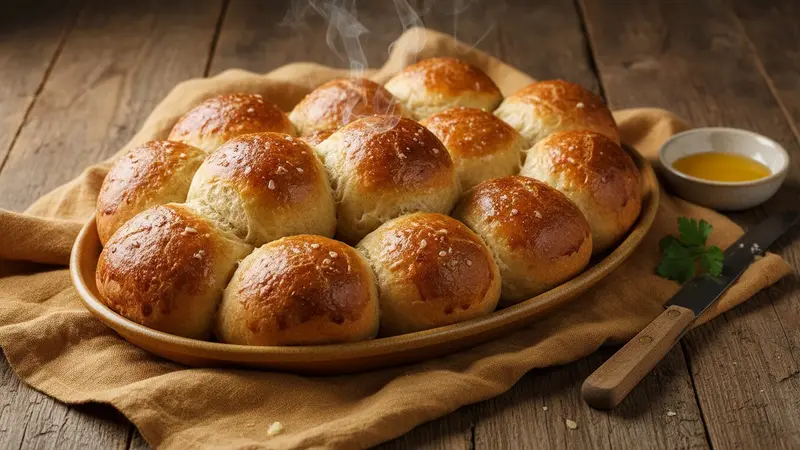
Ask me anything about this recipe — substitutions, scaling, techniques, timing.
Powered by AI · 6 questions per 5 minutes, 30 per day