Cannellini Bean Flatbread
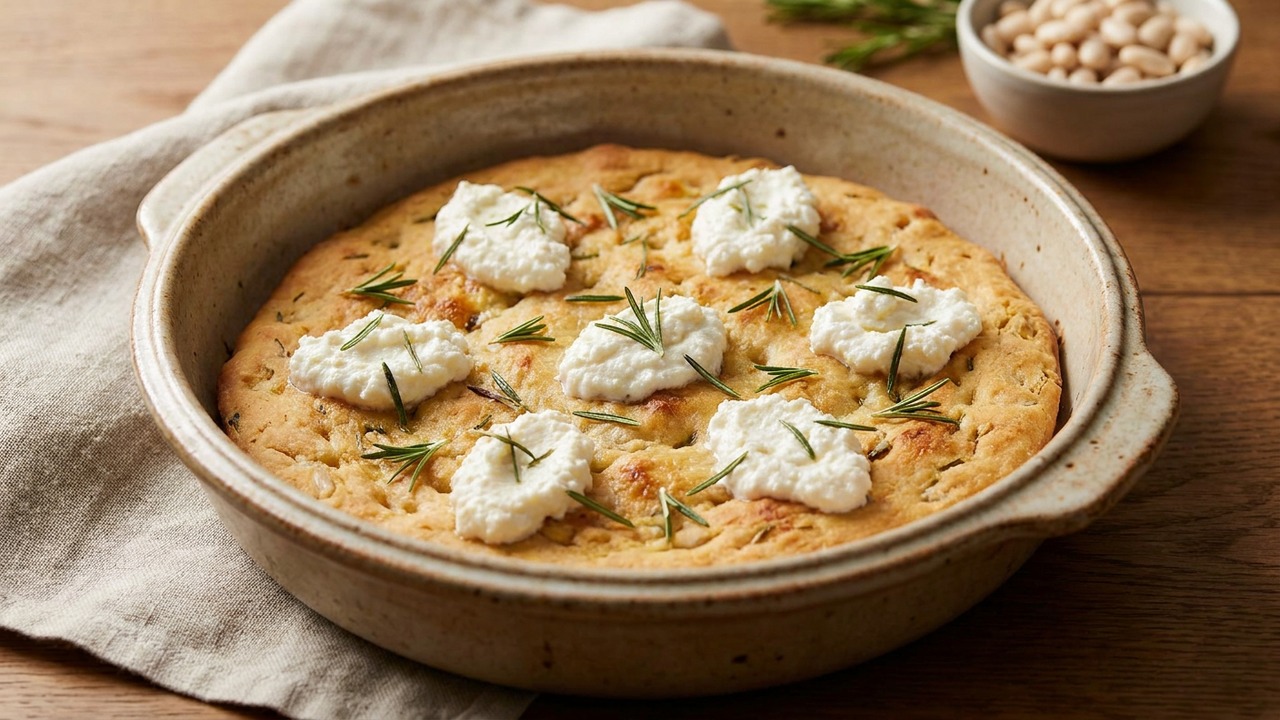
A savory, bean-forward flatbread that folds creamy cannellini paste into the dough for tender crumb, extra protein, and a subtle nutty flavor. It bakes up like a pizza-adjacent flatbread—crispy at the edges and soft inside—perfect for weeknight dinners, grazing boards, or as an unexpected base for toppings.
Ingredient Spotlight
Cannellini beans (canned, drained and rinsed)
Cannellini are white kidney beans common in Italian and broader Mediterranean cooking; canned ones are convenient and already cooked. They have a mild, slightly nutty flavor and a creamy, tender texture that makes them excellent for purees, soups, and salads. Find them in the canned-beans aisle of most supermarkets; good substitutes are Great Northern or navy beans, which have a similar size and texture (or cook dried cannellini if you prefer).
Ingredient Spotlight
Soft ricotta (for finishing)
Soft ricotta is a fresh Italian whey cheese that’s light, mildly sweet, and very creamy—often used as a finishing dollop or in desserts and fillings. It has a delicate milky aroma rather than a pungent cheese smell, and adds richness and a smooth mouthfeel. Available in tubs in the dairy section; if you can’t find it, use mascarpone for a richer swap, or blend and drain cottage cheese or well-strained Greek yogurt to approximate the texture and mild flavor.
Jake Woods's note
"This recipe turns pantry cannellini beans into a flavorful, protein-rich dough that bakes like a rustic flatbread. It shines for casual dinners, sharing with friends, or anytime you want a creative, bean-forward twist on pizza."
About This Recipe
This cannellini bean flatbread is a small reimagining of two familiar ideas: the humble white bean spread and thin, blistered flatbread. Folding a creamy cannellini purée directly into the dough gives the bread gentle moisture and a faintly nutty, beany backbone that you taste even before toppings arrive. Baked at high heat it develops a crisp, bronzed edge while the interior stays tender and slightly pillowy — think pizza-adjacent but silkier. Garlic and rosemary are kept simple so the bean character can carry the loaf, and a finishing brush of olive oil keeps the crust glossy and fragrant.
This version works because the beans add both flavor and structure: the purée contributes fat-like tenderness without weighing the dough down, and the small quantity of yeast creates lift without an overproofed sponge. It’s versatile enough to show up on a weeknight as a fast base for sautéed greens and anchovies, or on a grazing board alongside cheeses and marinated olives. Home bakers who enjoy building layers of flavor will appreciate that the bean paste requires only a few minutes in a food processor yet yields a dough with surprising depth.
Ingredients for Cannellini Bean Flatbread
- 1 tsp active dry yeast
- 3/4 cup warm water (about 105–115°F / 40–46°C)
- 1 tsp granulated sugar
- 1 1/2 cups cannellini beans, drained and rinsed
- 2 cloves garlic, peeled and minced
- 3 tbsp extra-virgin olive oil
- 1 1/2 tsp fine sea salt
- 2 cups all-purpose flour
- 1 tbsp fresh rosemary, finely chopped
How to Make Cannellini Bean Flatbread
Step 1: Activate the yeast
Whisk the warm water and sugar in a small bowl until dissolved, then sprinkle the active dry yeast over the surface. Let sit 5–10 minutes until foamy and aromatic; if it doesn't foam, start with fresh yeast. This creates the lift for the dough.For this step
- 1 tspactive dry yeast
- 3/4 cupwarm water (about 105–115°F / 40–46°C)
- 1 tspgranulated sugar
Step 2: Make the cannellini bean paste
In a food processor or blender, combine drained cannellini beans, minced garlic, 2 tablespoons of the olive oil, 1 teaspoon of the sea salt, and the chopped rosemary. Pulse until a smooth, spreadable paste forms, scraping down the sides once; the paste should be creamy but not watery.For this step
- 1 1/2 cupscannellini beans, drained and rinsed
- 2 clovesgarlic, peeled and minced
- 1 tbspfresh rosemary, finely chopped
Step 3: Combine flour, bean paste, and yeast mixture
In a large bowl, stir the all-purpose flour with the remaining 1/2 teaspoon salt. Add the bean paste and the activated yeast mixture, then mix until a shaggy dough forms. If the mixture feels too dry, add up to 1–2 tablespoons additional warm water; if too sticky, dust with a tablespoon more flour.For this step
- 2 cupsall-purpose flour
Step 4: Knead and first rise
Turn the dough onto a lightly floured surface and knead 5–7 minutes until smooth and elastic; alternatively knead in the bowl for 3–4 minutes. Lightly oil a bowl, place the dough inside, cover with a towel or plastic wrap, and let rise in a warm place about 45–60 minutes, until puffy and roughly doubled.Step 5: Shape and rest
Preheat the oven to 475°F (245°C) with a baking stone or sheet inside. Divide the dough into four equal pieces and gently stretch or roll each into a 9–10" oval on parchment; brush with the remaining tablespoon of olive oil and sprinkle a few extra rosemary leaves. Let the shaped flatbreads rest 10–15 minutes while the oven heats.Step 6: Bake and finish
Slide the parchment with one or two flatbreads onto the preheated stone or sheet and bake 8–12 minutes, rotating once, until edges are golden and blistered. Remove, brush with a light drizzle of olive oil and a pinch of sea salt if desired, then cool slightly before slicing and serving.


- Whisk the warm water and sugar in a small bowl until dissolved, then sprinkle the active dry yeast over the surface. Let sit 5–10 minutes until foamy and aromatic; if it doesn't foam, start with fresh yeast. This creates the lift for the dough.
- In a food processor or blender, combine drained cannellini beans, minced garlic, 2 tablespoons of the olive oil, 1 teaspoon of the sea salt, and the chopped rosemary. Pulse until a smooth, spreadable paste forms, scraping down the sides once; the paste should be creamy but not watery.
- In a large bowl, stir the all-purpose flour with the remaining 1/2 teaspoon salt. Add the bean paste and the activated yeast mixture, then mix until a shaggy dough forms. If the mixture feels too dry, add up to 1–2 tablespoons additional warm water; if too sticky, dust with a tablespoon more flour.
- Turn the dough onto a lightly floured surface and knead 5–7 minutes until smooth and elastic; alternatively knead in the bowl for 3–4 minutes. Lightly oil a bowl, place the dough inside, cover with a towel or plastic wrap, and let rise in a warm place about 45–60 minutes, until puffy and roughly doubled.
- Preheat the oven to 475°F (245°C) with a baking stone or sheet inside. Divide the dough into four equal pieces and gently stretch or roll each into a 9–10" oval on parchment; brush with the remaining tablespoon of olive oil and sprinkle a few extra rosemary leaves. Let the shaped flatbreads rest 10–15 minutes while the oven heats.
- Slide the parchment with one or two flatbreads onto the preheated stone or sheet and bake 8–12 minutes, rotating once, until edges are golden and blistered. Remove, brush with a light drizzle of olive oil and a pinch of sea salt if desired, then cool slightly before slicing and serving.
Cannellini Bean Flatbread Tips
Check yeast temperature
Use water between 105–115°F (40–46°C); cooler water slows activation and hotter kills the yeast, so test with a kitchen thermometer when in doubt.
Adjust paste moisture
Aim for a spreadable but not watery bean paste — if it’s too thin, the dough will be slack; if too thick, add a teaspoon of water at a time while pulsing.
Knead to elasticity
Knead until the dough is smooth and springs back when poked; the bean purée shortens gluten slightly, so give an extra minute or two to develop structure.
Use a hot surface
Preheat a baking stone or inverted sheet at 475°F so the flatbreads get instant oven spring and blistered edges rather than steaming in a cool pan.
Finish with oil
Brushing with olive oil immediately after baking enhances flavor and keeps the crust tender; add a pinch of sea salt while the oil is warm.
Cannellini Bean Flatbread Variations and Substitutions
Herb and citrus twist
Stir 1 teaspoon lemon zest and chopped thyme into the bean paste for a brighter profile that pairs well with goat cheese or arugula.
Roasted garlic option
Swap raw garlic for 1–2 cloves roasted until soft — the flavor becomes sweet and mellow and won’t risk a raw garlic bite in the dough.
Gluten-free adaptation
Use a 1:1 gluten-free flour blend plus 1 teaspoon xanthan gum to replace gluten’s structure, and reduce water slightly since many GF flours absorb less.
Cheesy enrichment
Fold 1/2 cup grated pecorino or Parmesan into the dough or sprinkle on top before baking for savory umami and crisper browning.
How to Store and Make Cannellini Bean Flatbread Ahead
Store cooled flatbreads wrapped tightly in plastic or in an airtight container at room temperature for up to 2 days, or refrigerate for up to 4 days. For longer storage, freeze individual baked flatbreads between sheets of parchment in a zipper bag for up to 1 month. Reheat from frozen in a 400°F oven directly on a baking sheet for 6–8 minutes (or in a skillet over medium heat) to revive crisp edges and warm the crumb.
What to Serve With Cannellini Bean Flatbread
Serve warm slices with a bowl of herbed labneh, marinated olives, or roasted cherry tomatoes for contrast in acidity and creaminess. For a main, top with sautéed mushrooms, wilted spinach and a drizzle of chili oil, or build a grazing platter with cured meats and aged cheeses. Pair with a crisp white wine like Vermentino or a citrus-forward pale ale to complement the nutty bean flavor.
Cannellini Bean Flatbread FAQs
Can I use canned cannellini beans?
Yes — the recipe assumes drained, rinsed canned beans; rinse well to remove brine and pulse thoroughly so the paste becomes smooth without excess water.
My dough is sticky — what now?
If the dough is sticky to handle, dust your work surface and hands with a tablespoon of flour at a time and knead gently; you can also oil your hands to prevent sticking without drying the dough out.
Can I make the dough ahead?
Yes — after the first brief knead, place the dough in an oiled bowl, cover tightly and refrigerate for up to 24 hours for a slow ferment; bring back to room temperature before shaping and baking.
What if my flatbreads aren’t crisping?
They may be too thick or the oven/stone isn’t hot enough; roll thinner, preheat the baking surface thoroughly, and finish with a minute or two under the broiler if necessary while watching carefully.
Can I omit the garlic?
Yes — omitting garlic makes the bean flavor more subtle; alternatively swap in roasted garlic for a milder, sweeter note that integrates seamlessly into the dough.
About the author
Jake WoodsHello, I'm Jake. I started this recipe site with the idea that I hated recipe websites that overwhelm you with long stories and ads just to see plain content that's not helpful. My goal is to provide you with quality recipes, simple ideas and a fun cooking experience. There's lots of fun things to cook, and I think as you browse the site you'll find that TopShelf.Recipes is the place for quality recipes on the web.
See all recipes by Jake Woods →Ratings & Reviews
Did you make this recipe?
Be the first to share your experience.
Nutrition Facts
Per serving: 1 flatbread
Nutrition values are estimated from USDA ingredient data and may vary based on preparation, brands, and portion sizes. Values are provided for informational purposes only.
Keep Reading
Guides & articles for this recipe
Tips & Techniques
Baking Soda and Tenderized Beef
Learn how baking soda can tenderize, boost browning, and improve moisture for ground beef and other meats. This practical guide covers the science, step-by-step techniques, common mistakes, and recipes to try.

Healthy Eating
Gluten-Free Weeknight Grilling Plan
A 7-day gluten-free weeknight grilling plan with quick, family-friendly recipes, prep-ahead timelines, and a printable shopping list that spotlights late-summer produce and pantry staples. Includes clear cross-contamination safety tips and simple swaps to keep dinners fast and crowd-pleasing.

Healthy Eating
Low-Fat Grill Swaps for Big Flavor
A practical guide to trimming fat from grilled meals without losing juiciness or char. Learn yogurt- and citrus-based marinades, lean protein picks, searing and indirect-heat tricks, plus 5 quick low-fat marinades and a simple weeknight plan.
More from Baking
View all Baking recipes →
Cloud Bread Sandwiches

Honey Mustard Chicken Nuggets

Cheddar Jalapeño Corn Muffins

Basque Burnt Cheesecake

30-Minute Sticky Baked Honey Garlic Chicken Thighs with Crisp Edges

Lemon Butter Salmon

Spritz Cookies

Brown Butter Vanilla Syrup

Honey Glazed Easter Ham
Ask me anything about this recipe — substitutions, scaling, techniques, timing.
Powered by AI · 6 questions per 5 minutes, 30 per day