Classic Horseradish‑Cheddar Twice‑Baked Potatoes — Steakhouse Roast Beef Side
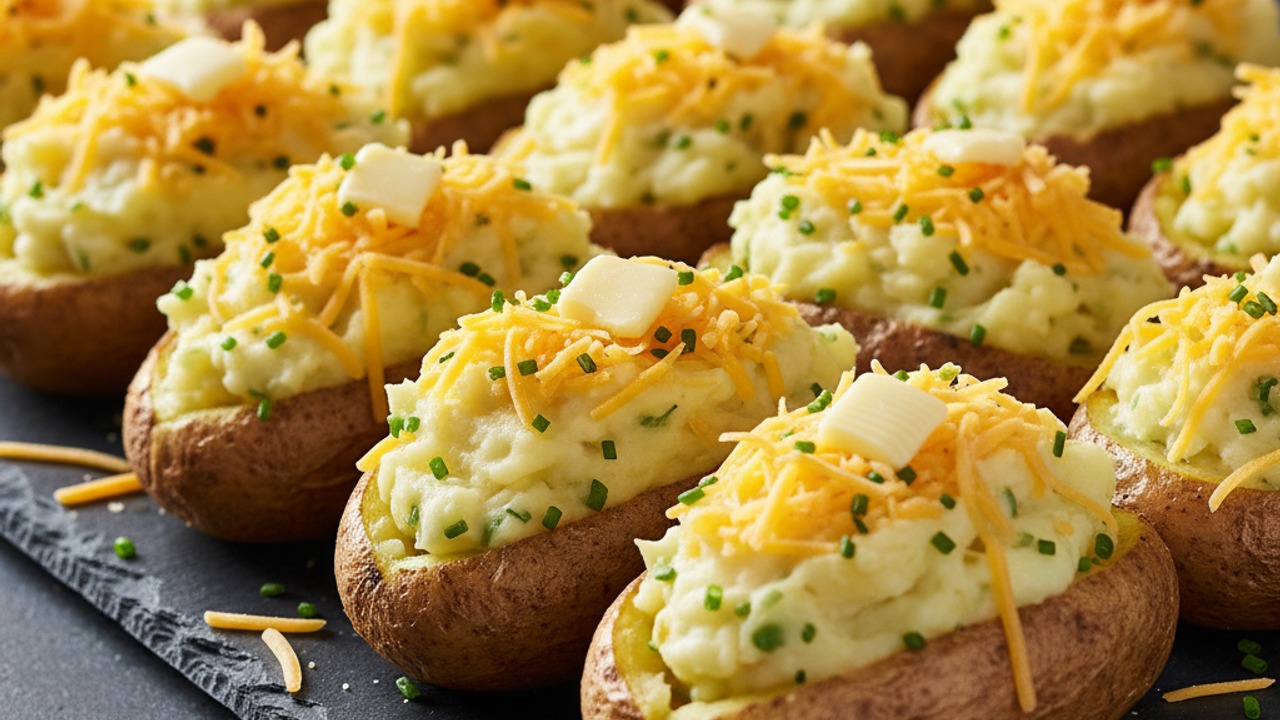
A rich, make-ahead steakhouse side: oven-baked russets scooped and mashed with sharp cheddar, creamy prepared horseradish, butter and chives, then returned to their skins and baked until golden. Hearty and slightly tangy, these twice-baked potatoes are made to shine alongside roast beef or a grilled steak.
Ingredient Spotlight
Prepared horseradish (adjust to taste)
Prepared horseradish is a jarred condiment made from grated horseradish root mixed with vinegar (and sometimes salt or sugar); it has roots in European cuisines and is common in Jewish and British cooking. It delivers a sharp, sinus-clearing, mustardy heat and pungent aroma rather than chili-style spiciness. You can find it in most grocery stores in the refrigerated condiments or pickle aisle; a good substitute is freshly grated horseradish diluted with a little vinegar, or, if unavailable, a small amount of wasabi or Dijon mustard for heat and tang (though the flavor will differ).
Jake Woods's note
"This is a celebratory, slightly tangy side that stands up to robust beef — make the filling ahead to save time on dinner night. Home cooks will love how simple techniques yield a restaurant-style twice-baked potato with terrific texture and flavor."
About This Recipe
These horseradish-cheddar twice-baked potatoes are the kind of steakhouse side that earns its place on a holiday plate or next to a weeknight roast with equal confidence. I favor russets here because their dry, fluffy interiors mash into a filling that holds cheese and horseradish without getting gummy, while the skins crisp up when you give them a final high-heat finish. The interplay is simple but deliberate: sharp cheddar for savory depth, prepared horseradish for a clean, bright burn that cuts through butter and cream, and chives for a green lift that keeps every bite from feeling flat.
What makes this version work is the balance between texture and punch — don’t overwork the flesh, warm your cream so it incorporates without cooling the mix, and taste as you go on the horseradish so it complements rather than dominates. Because these are so make-ahead friendly, they’re great for entertaining: roast the potatoes earlier, assemble them, then slide them back in the oven as guests arrive so the tops are bubbling and the skins are crisp. Serve them alongside roast beef, prime rib or a charred ribeye and you’ll understand why steak joints keep a platter of twice-bakes on steady rotation.
Ingredients for Classic Horseradish‑Cheddar Twice‑Baked Potatoes — Steakhouse Roast Beef Side
- 6 medium Medium russet potatoes
- 1 tbsp Olive oil
- 2 tsp Kosher salt
- 6 tbsp Unsalted butter
- 1/2 cup Heavy cream, warmed
- 3 tbsp Prepared horseradish (adjust to taste)
- 1 1/2 cups Sharp cheddar, shredded
- 1/4 cup Sour cream (optional, for tang and extra creaminess)
- 2 tbsp Fresh chives, finely chopped
- 1 tsp Freshly ground black pepper
How to Make Classic Horseradish‑Cheddar Twice‑Baked Potatoes — Steakhouse Roast Beef Side
Step 1: Roast the potatoes until tender
Preheat the oven to 400°F (200°C). Scrub the russets dry, prick a couple of times with a fork, rub with olive oil and sprinkle with 1 teaspoon of the kosher salt. Arrange directly on a rimmed baking sheet and roast 60–70 minutes, until a skewer or knife slides into the center with little resistance. (Tip: for busy nights you can par-bake the potatoes earlier in the day, cool, then finish later.)For this step
- 6 mediumMedium russet potatoes
- 1 tbspOlive oil
Step 2: Halve, scoop and mash with butter
Let the potatoes cool 8–10 minutes until they’re cool enough to handle. Cut each potato lengthwise and scoop the flesh into a large bowl, leaving intact skins on the pan. Add the unsalted butter to the hot potato flesh and gently mash with a potato masher or fork until mostly smooth but still a little textured — avoid overworking to prevent gluey potatoes.For this step
- 6 tbspUnsalted butter
Step 3: Enrich with cream, horseradish, cheddar and chives
Warm the heavy cream (microwave or stovetop) and fold it into the mashed potato along with the prepared horseradish, optional sour cream, shredded sharp cheddar, chopped chives and the remaining salt and black pepper to taste. Stir until combined and creamy; add a splash more warm cream if the filling is too stiff. Taste and adjust horseradish and salt — the tang should cut through the richness without overpowering.For this step
- 1/2 cupHeavy cream, warmed
- 3 tbspPrepared horseradish (adjust to taste)
- 1 1/2 cupsSharp cheddar, shredded
- 1/4 cupSour cream (optional, for tang and extra creaminess)
- 2 tbspFresh chives, finely chopped
- 1 tspFreshly ground black pepper
Step 4: Refill the skins and top
Spoon the potato-cheese mixture back into the reserved skins, mounding slightly. Sprinkle a little extra shredded cheddar on top of each potato and dot with a small bit of butter or brush the skins with a touch more olive oil for extra crispness.Step 5: Bake until golden and bubbling
Increase the oven to 425°F (220°C) and bake the filled potatoes 15–20 minutes, until heated through, cheese is melted and edges are golden. For a browned top, broil 1–2 minutes, watching carefully. If baking from refrigerated (see make-ahead), allow a few extra minutes until center reaches piping hot.Step 6: Make-ahead, texture tips, and pairing notes
Make-ahead options: you can roast the potatoes and refrigerate whole for up to 24 hours, or assemble the filled skins (covered) and refrigerate for up to 24 hours; bake 25–35 minutes from chilled at 400°F until hot. Texture tips: for silkier filling, push hot potato flesh through a ricer or food mill before adding dairy; for a heartier texture, mash by hand and fold ingredients gently. Pairing: serve warm with roast beef, prime rib or a grilled steak — the horseradish-cheddar tang complements beef and stands up to pan sauces or au jus. Garnish with extra chives and a spoonful of horseradish cream if you like an extra kick.


- Preheat the oven to 400°F (200°C). Scrub the russets dry, prick a couple of times with a fork, rub with olive oil and sprinkle with 1 teaspoon of the kosher salt. Arrange directly on a rimmed baking sheet and roast 60–70 minutes, until a skewer or knife slides into the center with little resistance. (Tip: for busy nights you can par-bake the potatoes earlier in the day, cool, then finish later.)
- Let the potatoes cool 8–10 minutes until they’re cool enough to handle. Cut each potato lengthwise and scoop the flesh into a large bowl, leaving intact skins on the pan. Add the unsalted butter to the hot potato flesh and gently mash with a potato masher or fork until mostly smooth but still a little textured — avoid overworking to prevent gluey potatoes.
- Warm the heavy cream (microwave or stovetop) and fold it into the mashed potato along with the prepared horseradish, optional sour cream, shredded sharp cheddar, chopped chives and the remaining salt and black pepper to taste. Stir until combined and creamy; add a splash more warm cream if the filling is too stiff. Taste and adjust horseradish and salt — the tang should cut through the richness without overpowering.
- Spoon the potato-cheese mixture back into the reserved skins, mounding slightly. Sprinkle a little extra shredded cheddar on top of each potato and dot with a small bit of butter or brush the skins with a touch more olive oil for extra crispness.
- Increase the oven to 425°F (220°C) and bake the filled potatoes 15–20 minutes, until heated through, cheese is melted and edges are golden. For a browned top, broil 1–2 minutes, watching carefully. If baking from refrigerated (see make-ahead), allow a few extra minutes until center reaches piping hot.
- Make-ahead options: you can roast the potatoes and refrigerate whole for up to 24 hours, or assemble the filled skins (covered) and refrigerate for up to 24 hours; bake 25–35 minutes from chilled at 400°F until hot. Texture tips: for silkier filling, push hot potato flesh through a ricer or food mill before adding dairy; for a heartier texture, mash by hand and fold ingredients gently. Pairing: serve warm with roast beef, prime rib or a grilled steak — the horseradish-cheddar tang complements beef and stands up to pan sauces or au jus. Garnish with extra chives and a spoonful of horseradish cream if you like an extra kick.
Classic Horseradish‑Cheddar Twice‑Baked Potatoes — Steakhouse Roast Beef Side Tips
Choose the right potato
Use medium russets for a fluffy interior and sturdy skins; waxy varieties get gluey when mashed with lots of dairy.
Warm dairy before adding
Heat the cream (and sour cream if using) slightly so it blends smoothly into hot potatoes without cooling or seizing the mixture.
Avoid overworking
Mash gently with a masher or fork and stop when mostly smooth; overmixing activates starch and makes the filling gluey.
Balance the horseradish
Fold in a baseline amount, then taste and add more in small increments—prepared horseradish varies wildly in heat.
Crisp the skins
Brush the reserved skins with olive oil or dot with butter before the final bake to get golden, slightly blistered edges.
Classic Horseradish‑Cheddar Twice‑Baked Potatoes — Steakhouse Roast Beef Side Variations and Substitutions
Bacon & Scallion Boost
Fold in 4–6 slices of crispy chopped bacon and swap half the chives for thinly sliced scallions for a smoky, savory lift that plays well with cheddar.
Gruyère & Dijon Twist
Replace sharp cheddar with grated Gruyère and add 1 teaspoon Dijon mustard for a nutty, slightly tangy profile that pairs beautifully with roast beef.
Blue Cheese Kick
Stir in 3–4 tablespoons crumbled blue cheese in place of some cheddar for assertive umami; reduce horseradish if you want the blue to shine.
Dairy-Free Option
Use a neutral oil or vegan butter and a full-fat unsweetened oat or cashew cream, plus a dairy-free cheddar-style shred, to keep texture rich while remaining vegan-friendly.
How to Store and Make Classic Horseradish‑Cheddar Twice‑Baked Potatoes — Steakhouse Roast Beef Side Ahead
Store leftover baked potatoes in an airtight container in the refrigerator for up to 3–4 days; assembled but unbaked filled skins will keep up to 24 hours. To reheat, warm in a 350°F (175°C) oven for 15–20 minutes covered, then uncover and broil 1–2 minutes to re-crisp the tops; microwaving is fine for a quick single portion but won’t preserve skin crispness. You can freeze the mashed filling (without skins) for up to 2 months — thaw overnight in the fridge before refilling shells and baking.
What to Serve With Classic Horseradish‑Cheddar Twice‑Baked Potatoes — Steakhouse Roast Beef Side
Plate on a warm serving tray sprinkled with extra chopped chives and a few small ramekins of prepared horseradish and au jus for guests to add as they like. These potatoes stand up to bold mains — serve with roast beef, prime rib, or a charred ribeye — and accompany rich red wines like Cabernet Sauvignon or Malbec, or a sturdy brown ale if you prefer beer.
Classic Horseradish‑Cheddar Twice‑Baked Potatoes — Steakhouse Roast Beef Side FAQs
Can I use Yukon Gold or red potatoes instead of russets?
You can, but expect a denser, creamier filling; Yukon Golds are great if you prefer silkier texture but use less cream to avoid becoming heavy, while reds will hold shape and give a chunkier bite.
Why did my filling turn gluey and pasty?
That’s usually from overworking starchy potatoes or using a high-speed mixer; mash gently by hand and consider ricing hot potatoes if you want an ultra-silky texture without activating starch.
How do I tame overly spicy prepared horseradish?
Stir in more sour cream or cream gradually to mellow the heat, or add a touch of sugar to blunt sharpness; always add horseradish in small amounts and taste as you go.
Can I assemble these ahead and bake later?
Yes — you can fully roast the potatoes or even refill the skins and refrigerate them covered for up to 24 hours; give them extra baking time from chilled (about 25–35 minutes at 400°F) until hot in the center.
Should I shred cheddar from a block or use pre-shredded cheese?
Shred from a block when you can — it melts better because it lacks the anti-caking agents found in pre-shredded cheeses that can inhibit smooth melting.
About the author
Jake WoodsHello, I'm Jake. I started this recipe site with the idea that I hated recipe websites that overwhelm you with long stories and ads just to see plain content that's not helpful. My goal is to provide you with quality recipes, simple ideas and a fun cooking experience. There's lots of fun things to cook, and I think as you browse the site you'll find that TopShelf.Recipes is the place for quality recipes on the web.
See all recipes by Jake Woods →Ratings & Reviews
Did you make this recipe?
Be the first to share your experience.
Nutrition Facts
Per serving: about 1½ cups
Nutrition values are estimated from USDA ingredient data and may vary based on preparation, brands, and portion sizes. Values are provided for informational purposes only.
Keep Reading
Guides & articles for this recipe

Guides
Trending Backyard Dinner Parties for 2026: 8 Outdoor Dining Formats, Ready‑Made Menus & Host Workflows
Discover the eight backyard dining formats taking off in 2026, with plug‑and‑play menu templates, grill timing and workflow checklists, decor shortcuts, and social‑media and sustainability tips. This practical guide turns your yard into a seamless, shareable dining experience—whether you're hosting a casual progressive grill or an intimate fireside chef demo.

Guides
Trending Backyard Dinner Parties for 2026: 8 Outdoor Dining Formats, Plug‑and‑Play Menus & Host Workflows
Discover eight backyard dinner-party formats taking off in 2026, each with plug‑and‑play menu templates, step‑by‑step host workflows, grill timing tips, decor shortcuts, and social & sustainable ideas. Turn your yard into a memorable, stress‑free dining experience.

Recipes
DIY Edible Monster Eyes Candy
Make safe, fun edible monster eyes for cupcakes, cookies, and candy trays. Step-by-step recipes show baking-soda balls, chocolate and fondant eyes, wafer-print options, plus assembly, storage, and kid-friendly safety tips.
More from Dinner
View all Dinner recipes →
Low-Carb Lettuce Wrapped Chipotle Lime Chicken Burger with Avocado

Coffee‑Chile Rubbed Flank Steak Tacos with Charred Pineapple Salsa

Chicken Marsala Pasta

Jamaican Jerk Chicken Marinade for Smoking or Grilling

Classic Bacon-Balsamic Brussels Sprouts — Crispy Roast Beef Side

Classic Celeriac Purée (Celery Root Purée) — Silky Steakhouse Side

Classic Steakhouse Beer-Battered Onion Rings

Stovetop Peach BBQ Chicken

Quick 20-Minute Butter Chicken
Ask me anything about this recipe — substitutions, scaling, techniques, timing.
Powered by AI · 6 questions per 5 minutes, 30 per day