Classic Snickerdoodles
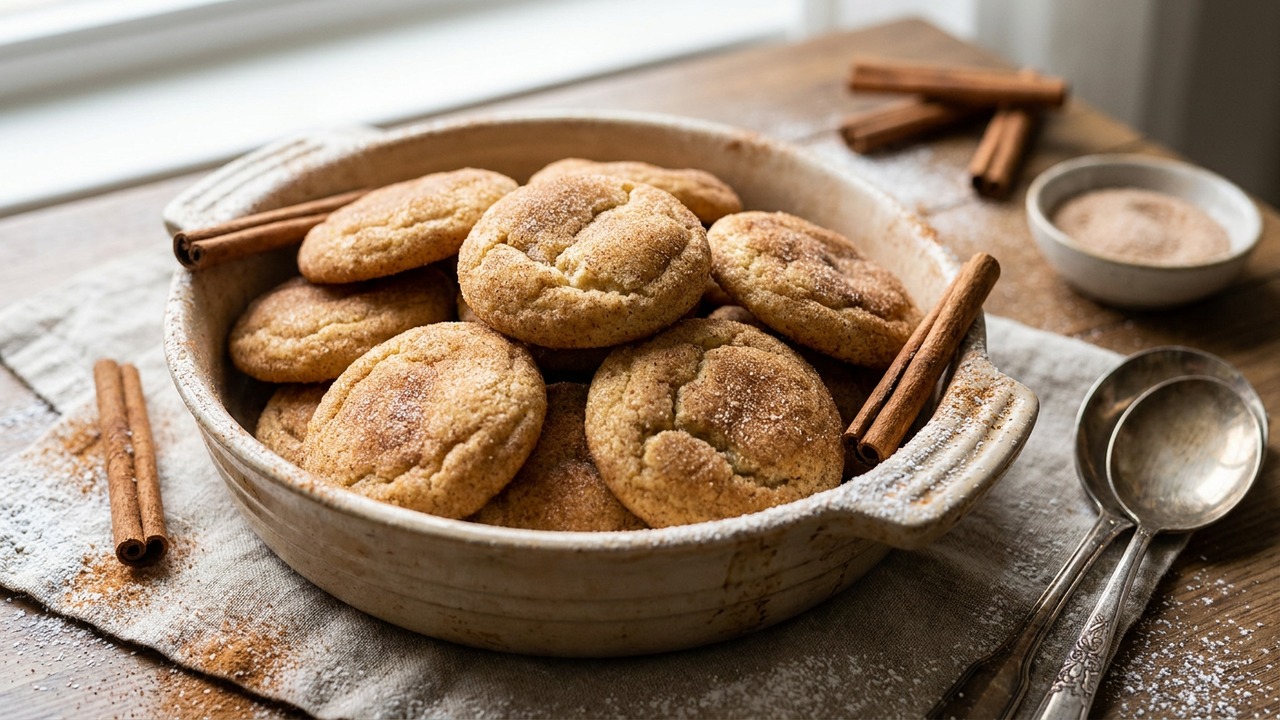
Classic Snickerdoodles are soft, tangy-sweet cookies rolled in a crackly cinnamon-sugar coating. This reliable recipe highlights the tang from cream of tartar and simple technique tips to achieve a tender, slightly chewy interior and perfectly crinkled top — ideal for Cookie Week or any cozy baking day.
Jake Woods's note
"These snickerdoodles shine when you want a nostalgic cookie with a bright lemony tang from cream of tartar and a soft, chewy center. They're perfect for gifting, holiday cookie swaps, or an afternoon with a hot cup of tea."
About This Recipe
Snickerdoodles are small, unfussy cookies that deliver a surprising amount of personality: a tender, slightly chewy crumb with that singular tang from cream of tartar and a crackly, cinnamon-sugar jacket that melts on the tongue. This version is built to be reliably consistent — the balance of granulated and light brown sugar gives both lift and moistness, while a pinch of baking soda works with the cream of tartar to create the classic snickerdoodle bite and those signature crinkles on top. A brief chill firms the dough so the cookies don’t spread too thin, preserving a soft center and golden edge.
These cookies are forgiving for bakers of all levels and especially good when you want quick, crowd-pleasing results: scoop, roll, bake. Small technique choices — using fully softened butter, measuring flour correctly, and rolling balls tightly before coating in the cinnamon sugar — are what separate a good snickerdoodle from a great one. Make them for school bake sales, midweek coffee breaks, or whenever you want a warm, nostalgic cookie that still tastes fresh and lively rather than cloyingly sweet.
Ingredients for Classic Snickerdoodles
- 1 cup unsalted butter, softened
- 1 1/4 cups granulated sugar (total; reserve 1/3 cup for rolling)
- 1/2 cup light brown sugar, packed
- 2 large large eggs
- 1 teaspoon vanilla extract
- 2 3/4 cups all-purpose flour
- 2 teaspoons cream of tartar
- 1 teaspoon baking soda
- 1/2 teaspoon fine salt
- 2 tablespoons ground cinnamon (for rolling)
How to Make Classic Snickerdoodles
Step 1: Measure and cream the wet ingredients
Measure the total granulated sugar and set aside 1/3 cup (about 67 g) to use later for rolling. In a large bowl, beat the softened butter with the remaining granulated sugar and the brown sugar until light and fluffy, about 2–3 minutes. Add the eggs one at a time, mixing until incorporated, then stir in the vanilla. Scrape the bowl well to ensure even mixing.For this step
- 1 cupunsalted butter, softened
- 1 1/4 cupsgranulated sugar (total; reserve 1/3 cup for rolling)
- 1/2 cuplight brown sugar, packed
- 2 largelarge eggs
- 1 teaspoonvanilla extract
Step 2: Mix dry ingredients and combine
In a separate bowl whisk together the all-purpose flour, cream of tartar, baking soda, and salt until evenly distributed. Add the dry ingredients to the butter-sugar mixture and mix on low speed (or fold by hand) just until the dough comes together — avoid overmixing to keep the cookies tender.For this step
- 2 3/4 cupsall-purpose flour
- 2 teaspoonscream of tartar
- 1 teaspoonbaking soda
- 1/2 teaspoonfine salt
Step 3: Chill the dough
Cover the bowl and refrigerate the dough for 15–30 minutes to firm up; chilling helps control spread and improves texture. If short on time, 15 minutes will still yield good results, but longer chilling yields thicker cookies.Step 4: Shape and roll in cinnamon-sugar
Preheat the oven to 375°F (190°C) and line baking sheets with parchment. In a small bowl combine the reserved 1/3 cup granulated sugar with the ground cinnamon. Scoop tablespoon-sized portions of dough and roll into balls, then roll each ball in the cinnamon-sugar until evenly coated. Place the dough balls 2 inches apart on the prepared sheets.For this step
- 2 tablespoonsground cinnamon (for rolling)
Step 5: Bake until set and cool
Bake for 10–12 minutes, until the edges are set and centers look slightly puffed — cookies will continue to set as they cool. Let the cookies cool on the baking sheet for 5 minutes, then transfer to a wire rack to cool completely. Store in an airtight container for up to 4 days.


- Measure the total granulated sugar and set aside 1/3 cup (about 67 g) to use later for rolling. In a large bowl, beat the softened butter with the remaining granulated sugar and the brown sugar until light and fluffy, about 2–3 minutes. Add the eggs one at a time, mixing until incorporated, then stir in the vanilla. Scrape the bowl well to ensure even mixing.
- In a separate bowl whisk together the all-purpose flour, cream of tartar, baking soda, and salt until evenly distributed. Add the dry ingredients to the butter-sugar mixture and mix on low speed (or fold by hand) just until the dough comes together — avoid overmixing to keep the cookies tender.
- Cover the bowl and refrigerate the dough for 15–30 minutes to firm up; chilling helps control spread and improves texture. If short on time, 15 minutes will still yield good results, but longer chilling yields thicker cookies.
- Preheat the oven to 375°F (190°C) and line baking sheets with parchment. In a small bowl combine the reserved 1/3 cup granulated sugar with the ground cinnamon. Scoop tablespoon-sized portions of dough and roll into balls, then roll each ball in the cinnamon-sugar until evenly coated. Place the dough balls 2 inches apart on the prepared sheets.
- Bake for 10–12 minutes, until the edges are set and centers look slightly puffed — cookies will continue to set as they cool. Let the cookies cool on the baking sheet for 5 minutes, then transfer to a wire rack to cool completely. Store in an airtight container for up to 4 days.
Classic Snickerdoodles Tips
Soften butter properly
Butter should dent with a finger but not be greasy; this ensures it creams with sugar into a light, aerated base that helps the cookies rise and stay tender.
Spoon-and-level flour
Scoop flour into your measuring cup with a spoon then level it off — too much flour makes dense cookies, while too little makes them over-spread.
Chill for control
Chill the dough 15–30 minutes to limit spread; for thicker cookies, refrigerate up to an hour or freeze balls for 20 minutes before baking.
Roll tightly
Roll dough into compact balls before coating in cinnamon sugar — smoother, tighter balls produce the even crackle and round shape you want.
Bake on cool sheets
Let baking sheets cool between batches to prevent premature spreading and to keep bake times consistent from batch to batch.
Classic Snickerdoodles Variations and Substitutions
Vegan snickerdoodles
Replace butter with a neutral vegetable shortening or vegan butter and swap eggs for 2 tablespoons ground flaxseed mixed with 6 tablespoons water; the texture will be slightly cakier but still cinnamon-forward.
Browned-butter upgrade
Brown the butter until nutty and cooled, then use in place of the softened butter for deeper, toasty flavor that contrasts beautifully with the cinnamon sugar.
Warm spice mix
Add 1/2 teaspoon ground cardamom and 1/4 teaspoon ground ginger to the cinnamon-sugar for a spicier, chai-like profile without changing the dough.
Stuffed cookie option
Flatten each ball and place a small square of chocolate or dollop of cookie butter inside, then seal and roll — bake a minute longer if needed for a gooey center.
How to Store and Make Classic Snickerdoodles Ahead
Store cooled cookies in an airtight container at room temperature for up to four days, layering parchment between them to prevent sticking. For longer storage, freeze baked cookies in a single layer, then transfer to a freezer bag for up to 3 months; thaw at room temperature or rewarm briefly in a 300°F oven for 5–7 minutes. You can also freeze shaped dough balls on a tray, then bag them and bake from frozen adding 1–2 minutes to the bake time.
What to Serve With Classic Snickerdoodles
Serve warm with a tall glass of cold milk, café au lait, or a spiced apple cider for autumnal pairing. For a dessert plate, place a warm snickerdoodle alongside a scoop of vanilla bean ice cream and a drizzle of caramel for a simple and nostalgic sweet course.
Classic Snickerdoodles FAQs
What does cream of tartar do in snickerdoodles?
Cream of tartar gives snickerdoodles their characteristic tang and reacts with baking soda to help create lift and those crackled tops; it also tenderizes the dough slightly by inhibiting gluten development.
Can I skip chilling the dough?
You can skip a long chill if pressed for time, but a 15–30 minute rest firms the butter, reduces spread, and yields a thicker cookie with a chewier center.
Why do my snickerdoodles spread too much?
Common causes are overly soft butter, too-warm dough, too little flour, or hot baking sheets; firm the dough in the fridge, measure flour properly, and cool sheets between batches to prevent excess spread.
How can I get more pronounced crinkles?
Roll balls tightly and coat generously in the cinnamon-sugar; higher oven heat (375°F as written) helps the edges set quickly while the center puffs and cracks, creating that classic crinkled top.
Can I freeze the dough?
Yes — shape dough into balls, flash-freeze on a tray, then bag them; bake from frozen, adding a minute or two to the bake time, for fresh cookies anytime.
About the author
Jake WoodsHello, I'm Jake. I started this recipe site with the idea that I hated recipe websites that overwhelm you with long stories and ads just to see plain content that's not helpful. My goal is to provide you with quality recipes, simple ideas and a fun cooking experience. There's lots of fun things to cook, and I think as you browse the site you'll find that TopShelf.Recipes is the place for quality recipes on the web.
See all recipes by Jake Woods →Ratings & Reviews
Did you make this recipe?
Be the first to share your experience.
Nutrition Facts
Per serving: about ¾ cup
Nutrition values are estimated from USDA ingredient data and may vary based on preparation, brands, and portion sizes. Values are provided for informational purposes only.
Keep Reading
Guides & articles for this recipe

Tips & Techniques
Baking Soda and Tenderized Beef
Learn how baking soda can tenderize, boost browning, and improve moisture for ground beef and other meats. This practical guide covers the science, step-by-step techniques, common mistakes, and recipes to try.

Healthy Eating
Gluten-Free Weeknight Grilling Plan
A 7-day gluten-free weeknight grilling plan with quick, family-friendly recipes, prep-ahead timelines, and a printable shopping list that spotlights late-summer produce and pantry staples. Includes clear cross-contamination safety tips and simple swaps to keep dinners fast and crowd-pleasing.

Healthy Eating
Low-Fat Grill Swaps for Big Flavor
A practical guide to trimming fat from grilled meals without losing juiciness or char. Learn yogurt- and citrus-based marinades, lean protein picks, searing and indirect-heat tricks, plus 5 quick low-fat marinades and a simple weeknight plan.
More from Baking
View all Baking recipes →
Gluten-Free Soft Pretzels

Sticky Gochujang Spare Ribs (Oven-Baked Korean-Inspired)

Apple Cider Muffins

Baked Buffalo Chicken Wings with Blue Cheese Dip (Crispy Oven Method)

Gluten-Free Honey Garlic Chicken Thighs with Tamari and Toasted Sesame

Sheet Pan Baked Honey Garlic Chicken Breasts with Roasted Vegetables

Juicy Oven-Baked Chicken Breasts (No-Dryness Method)

Cloud Bread Sandwiches

Honey Mustard Chicken Nuggets
Ask me anything about this recipe — substitutions, scaling, techniques, timing.
Powered by AI · 6 questions per 5 minutes, 30 per day