Sticky Gochujang Spare Ribs (Oven-Baked Korean-Inspired)
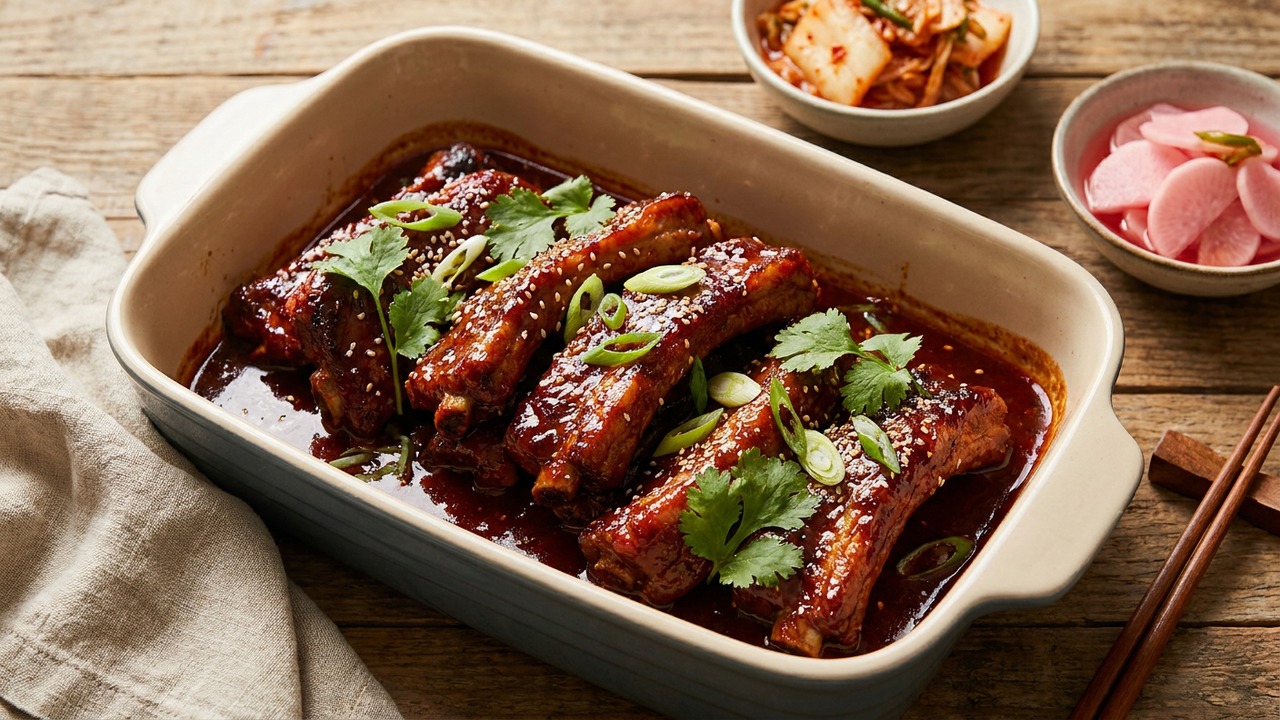
Tender oven-baked spare ribs glazed in a sweet-spicy gochujang sauce that delivers bold Korean flavors without a grill. Slow-roasting makes the meat fall-off-the-bone tender, then a quick broil caramelizes a sticky finish perfect for weeknights or casual gatherings.
Ingredient Spotlight
Gochujang (Korean chili paste)
Gochujang is a traditional Korean fermented paste made from red chili powder (gochugaru), glutinous rice, fermented soybeans, and salt. It’s thick and sticky with a layered flavor—spicy and earthy from the chilies, mildly sweet from the rice, and deeply savory/umami from fermentation. Find it in Korean or Asian grocery stores, many supermarkets, or online; as a quick substitute, blend a chili paste like sambal oelek or sriracha with a bit of miso (or soy sauce) and brown sugar or honey to mimic the sweet-spicy-umami balance.
(paid link) — as an Amazon Associate we earn from qualifying purchases.
Jake Woods's note
"This recipe brings the bright, savory heat of gochujang to a backyard classic using just a home oven. It shines at casual dinners or potlucks—make it when you want impressive flavor with mostly hands-off cooking."
About This Recipe
These Sticky Gochujang Spare Ribs are an oven-friendly shortcut to the bold, lacquered ribs you expect from a Korean barbecue without needing a grill or hours of babysitting a smoker. Slow-roasting at a low temperature turns baby back ribs silky and tender, while a concentrated glaze of gochujang, soy, brown sugar and rice vinegar gives a balanced punch of heat, umami and sweet-tart brightness. The final brush of honey and a quick broil create that addictive sticky, slightly charred finish — the sort of contrast between molten glaze and yielding meat that makes people reach for napkins and seconds.
What makes this version work is the two-stage approach: gentle oven cooking to break down collagen and render fat, then high heat to caramelize sugars in the paste without drying the rib meat. Small choices matter here — low-sodium soy to control saltiness, removing the membrane so the glaze penetrates, and adding rice vinegar to lift the dense flavors. It’s a great weeknight centerpiece that also holds up for casual dinner parties: you can make it ahead and finish under the broiler just before guests arrive for that fresh, glossy finish.
Ingredients for Sticky Gochujang Spare Ribs (Oven-Baked Korean-Inspired)
- 2 1/2 lb Baby back pork ribs (trimmed of excess fat and membrane removed)
- 1 tsp Kosher salt and freshly ground black pepper
- 1/2 cup Gochujang (Korean chili paste)
- 1/4 cup Low-sodium soy sauce
- 1/4 cup Light brown sugar (packed)
- 2 tbsp Rice vinegar
- 4 cloves Fresh garlic, minced (about 4 cloves)
- 1 tbsp Toasted sesame oil
- 2 tbsp Honey (for finishing glaze)
- 2 tbsp Toasted sesame seeds and thinly sliced scallions (for garnish)
🛒 = paid link — as an Amazon Associate we earn from qualifying purchases.
How to Make Sticky Gochujang Spare Ribs (Oven-Baked Korean-Inspired)
Step 1: Prep the ribs and oven
Preheat the oven to 300°F (150°C). Remove the membrane from the back of the ribs if present, pat ribs dry with paper towels, then season both sides evenly with kosher salt and freshly ground black pepper.For this step
- 2 1/2 lbBaby back pork ribs (trimmed of excess fat and membrane removed)
- 1 tspKosher salt and freshly ground black pepper
Step 2: Make the gochujang glaze
Whisk together gochujang, low-sodium soy sauce, light brown sugar, rice vinegar, minced garlic, and toasted sesame oil in a bowl until smooth and glossy. Taste and adjust balance—add a touch more sugar for sweetness or a splash more vinegar for brightness.For this step
- 1/2 cupGochujang (Korean chili paste)
- 1/4 cupLow-sodium soy sauce
- 1/4 cupLight brown sugar (packed)
- 2 tbspRice vinegar
- 4 clovesFresh garlic, minced (about 4 cloves)
- 1 tbspToasted sesame oil
Step 3: Slow-roast the ribs covered
Line a rimmed baking sheet with foil and place the ribs bone-side down. Brush a generous layer of the glaze over both sides, then tightly cover the ribs with another sheet of foil to seal. Bake at 300°F (150°C) for 2 1/2 to 3 hours, until the meat is very tender and pulls slightly away from the bone.Step 4: Glaze and caramelize under high heat
Carefully remove the top foil, brush the ribs with additional glaze mixed with honey for extra shine and stickiness, and set the oven to broil (or 500°F/260°C). Broil 3 to 6 minutes, watching closely, until the glaze is bubbling and caramelized—rotate the pan as needed to avoid burning.For this step
- 2 tbspHoney (for finishing glaze)
Step 5: Rest, slice, and garnish
Let the ribs rest for 10 minutes to let juices redistribute, then slice between the bones into individual portions. Sprinkle with toasted sesame seeds and sliced scallions, and serve warm with extra glaze on the side if desired.For this step
- 2 tbspToasted sesame seeds and thinly sliced scallions (for garnish)


- Preheat the oven to 300°F (150°C). Remove the membrane from the back of the ribs if present, pat ribs dry with paper towels, then season both sides evenly with kosher salt and freshly ground black pepper.
- Whisk together gochujang, low-sodium soy sauce, light brown sugar, rice vinegar, minced garlic, and toasted sesame oil in a bowl until smooth and glossy. Taste and adjust balance—add a touch more sugar for sweetness or a splash more vinegar for brightness.
- Line a rimmed baking sheet with foil and place the ribs bone-side down. Brush a generous layer of the glaze over both sides, then tightly cover the ribs with another sheet of foil to seal. Bake at 300°F (150°C) for 2 1/2 to 3 hours, until the meat is very tender and pulls slightly away from the bone.
- Carefully remove the top foil, brush the ribs with additional glaze mixed with honey for extra shine and stickiness, and set the oven to broil (or 500°F/260°C). Broil 3 to 6 minutes, watching closely, until the glaze is bubbling and caramelized—rotate the pan as needed to avoid burning.
- Let the ribs rest for 10 minutes to let juices redistribute, then slice between the bones into individual portions. Sprinkle with toasted sesame seeds and sliced scallions, and serve warm with extra glaze on the side if desired.
Sticky Gochujang Spare Ribs (Oven-Baked Korean-Inspired) Tips
Remove the membrane
Peel off the silver skin from the bone side so the glaze penetrates and the ribs become more tender; use a paper towel for grip and it comes away cleanly.
Use a shallow rack
Elevate the ribs on a wire rack set over the foil-lined sheet so air circulates and drippings don’t steam the meat, producing a better crust during broiling.
Taste and balance
Adjust the glaze before glazing: add a touch more brown sugar if you want sweeter caramelization or an extra splash of rice vinegar for brighter acidity.
Build layers of glaze
Brush on two to three thin coats during the last 20 minutes and finish with the honey mix just before broiling to avoid burning while maximizing stickiness.
Watch the broiler
Stay by the oven during the 3–6 minute caramelizing step and rotate the pan every 1–2 minutes to prevent hot spots from charring the sugars.
Sticky Gochujang Spare Ribs (Oven-Baked Korean-Inspired) Variations and Substitutions
Spicy-sweet tweak
Stir 1–2 teaspoons of gochugaru (Korean chili flakes) into the glaze for a smoky heat and sprinkle extra flakes after broiling for texture and color.
Gluten-free swap
Replace low-sodium soy sauce with tamari or coconut aminos to keep the savory backbone while maintaining a gluten-free profile.
Honey alternative
Use equal parts maple syrup or agave for the finishing glaze to change the sweetness profile and create a slightly different shine when broiled.
Instant Pot shortcut
Pressure-cook the ribs 25–30 minutes to speed tenderness, then transfer to a baking sheet, glaze, and broil for caramelization following the recipe’s final steps.
How to Store and Make Sticky Gochujang Spare Ribs (Oven-Baked Korean-Inspired) Ahead
Cool the ribs completely, then store in an airtight container in the refrigerator for up to 4 days or freeze for up to 3 months. Reheat gently in a 300°F oven covered with foil until warmed through, then uncover and brush with extra glaze and broil briefly to restore stickiness and shine. Thawed frozen ribs benefit from a short rest at room temperature before reheating to ensure even warming.
What to Serve With Sticky Gochujang Spare Ribs (Oven-Baked Korean-Inspired)
Serve with a simple cucumber kimchi or quick slaw to cut the richness, and steamed short-grain rice or scallion pancakes to soak up the glaze. For drinks, pair with a chilled lager or a fruity Riesling to balance heat and umami, and present the ribs on a wooden board with extra glaze in a small bowl for dunking.
Sticky Gochujang Spare Ribs (Oven-Baked Korean-Inspired) FAQs
How do I know the ribs are done?
Look for meat that has pulled back from the ends of the bones and a probe or fork that slides in with little resistance; the low-and-slow method makes them fall-off-the-bone tender after about 2 1/2–3 hours.
Can I use St. Louis-style or baby back ribs?
Yes — baby back ribs cook slightly faster since they're leaner; St. Louis-style may need an extra 20–30 minutes at 300°F to reach the same tenderness.
What if my glaze burns under the broiler?
If sugars scorch, tent the ribs with foil and lower the oven rack away from the broiler, then finish at 450–500°F for a few minutes instead; brushing on a thinner coat will also reduce burning risk.
Can I make the glaze ahead?
Absolutely — the gochujang glaze keeps in the fridge for up to a week; bring it to room temperature and whisk before using, and reserve the honey for the final glaze to prevent it from crystallizing.
How spicy are these ribs?
Gochujang provides a deep, fermented heat that's moderate rather than fiery; you can tame the heat by adding more brown sugar or honey, or increase it with extra gochugaru or a teaspoon of chili paste.
About the author
Jake WoodsHello, I'm Jake. I started this recipe site with the idea that I hated recipe websites that overwhelm you with long stories and ads just to see plain content that's not helpful. My goal is to provide you with quality recipes, simple ideas and a fun cooking experience. There's lots of fun things to cook, and I think as you browse the site you'll find that TopShelf.Recipes is the place for quality recipes on the web.
See all recipes by Jake Woods →Ratings & Reviews
Did you make this recipe?
Be the first to share your experience.
Nutrition Facts
Per serving: 4 oz rib
Nutrition values are estimated from USDA ingredient data and may vary based on preparation, brands, and portion sizes. Values are provided for informational purposes only.
Keep Reading
Guides & articles for this recipe
Tips & Techniques
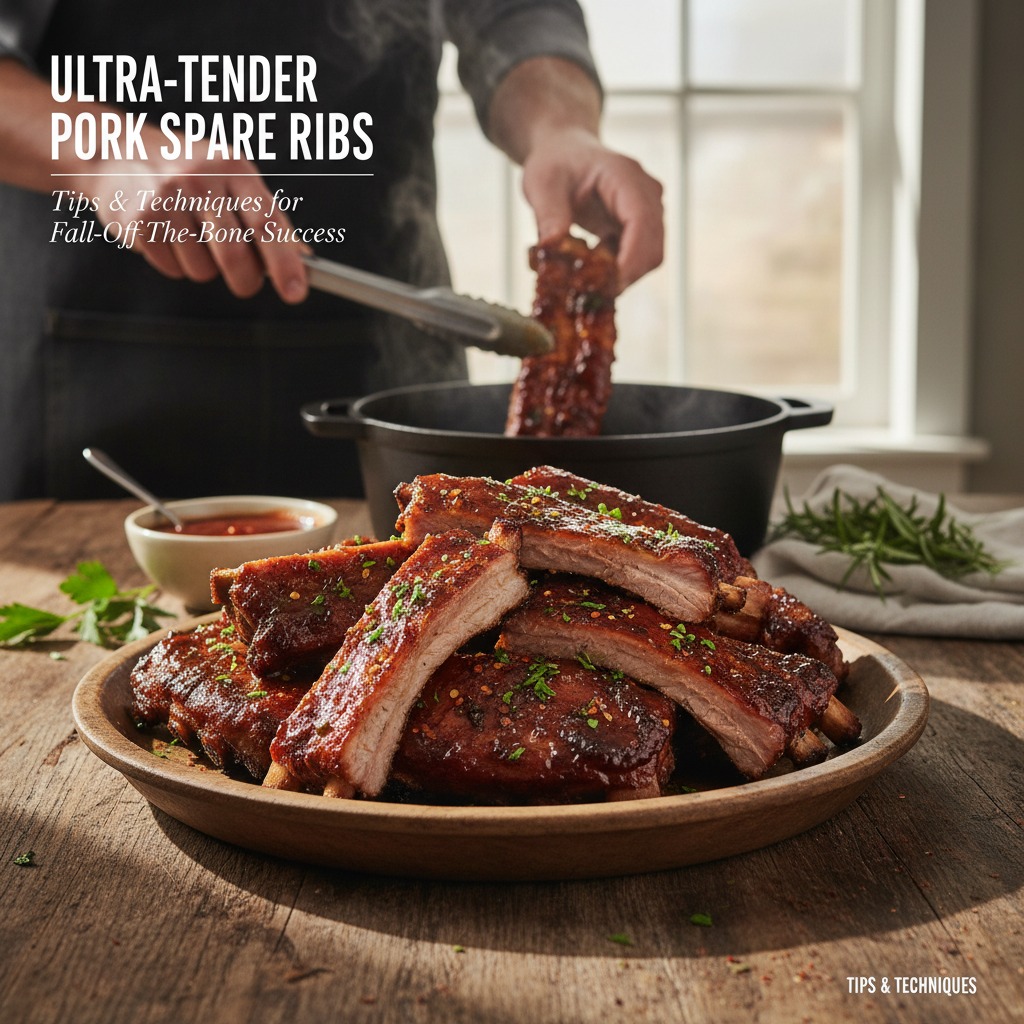
Ultra-Tender Pork Spare Ribs: Tips & Techniques for Fall-Off-the-Bone Success
Master the craft of ultra-tender pork spare ribs with practical, no-nonsense techniques for selecting, prepping, smoking, and finishing. This guide focuses on what matters—temperature control, testing for doneness, wrapping choices, and common fixes—so your next rack comes out juicy, tender, and perfectly sauced.
Tips & Techniques
Baking Soda and Tenderized Beef
Learn how baking soda can tenderize, boost browning, and improve moisture for ground beef and other meats. This practical guide covers the science, step-by-step techniques, common mistakes, and recipes to try.

Healthy Eating
Gluten-Free Weeknight Grilling Plan
A 7-day gluten-free weeknight grilling plan with quick, family-friendly recipes, prep-ahead timelines, and a printable shopping list that spotlights late-summer produce and pantry staples. Includes clear cross-contamination safety tips and simple swaps to keep dinners fast and crowd-pleasing.
More from Baking
View all Baking recipes →
Cloud Bread Sandwiches

Honey Mustard Chicken Nuggets

Cheddar Jalapeño Corn Muffins

Basque Burnt Cheesecake

30-Minute Sticky Baked Honey Garlic Chicken Thighs with Crisp Edges

Lemon Butter Salmon

Spritz Cookies

Brown Butter Vanilla Syrup

Honey Glazed Easter Ham
Ask me anything about this recipe — substitutions, scaling, techniques, timing.
Powered by AI · 6 questions per 5 minutes, 30 per day