Juicy Oven-Baked Chicken Breasts (No-Dryness Method)
Reliable, foolproof oven-baked chicken breasts that stay moist every time by using a quick dry-brine, an even thickness, high-heat roasting, and a carryover-rest finish. Focused timing and simple technique take the guesswork out of perfectly cooked, juicy chicken.
About This Recipe
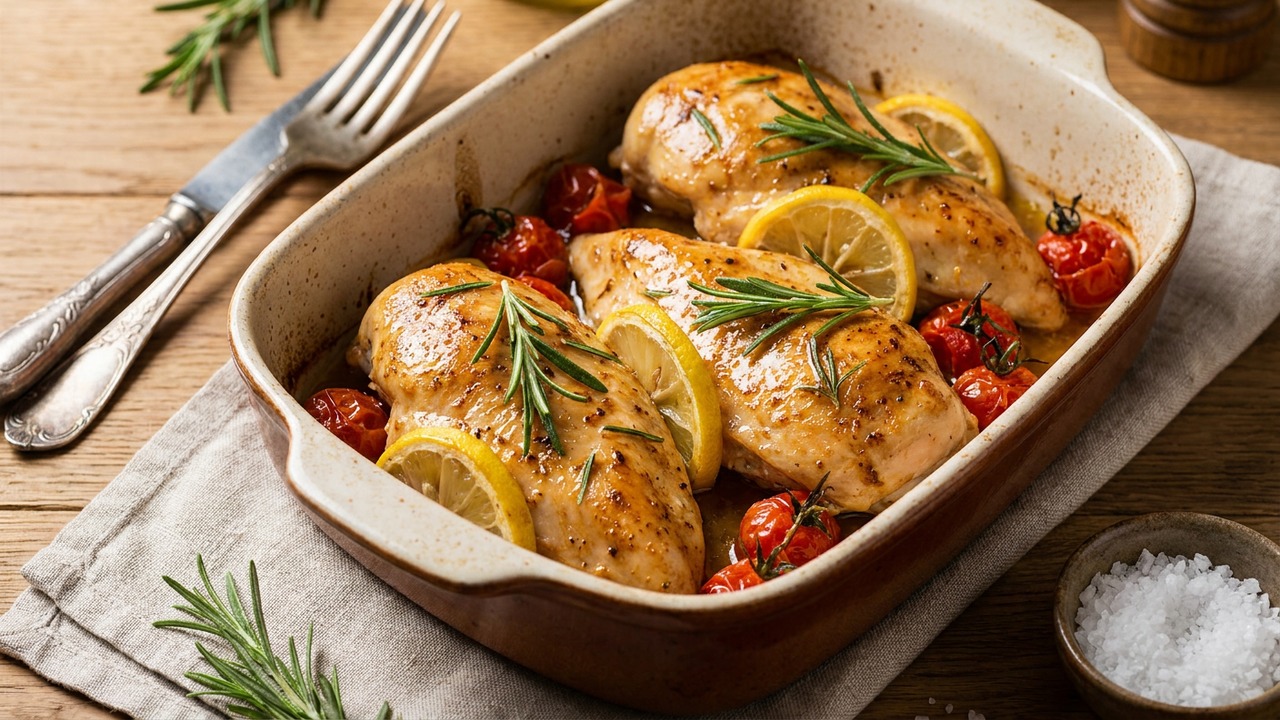
So many weeknight meals hinge on one thing: perfectly cooked chicken that isn’t dry or rubbery. This recipe strips the guesswork away by combining a quick dry-brine with a little mechanical leveling, a short high-heat roast, and a brief carryover-rest finish—simple moves that change how the bird behaves in the oven. The seasoning is intentionally straightforward: garlic powder, smoked paprika, lemon zest, and thyme let the chicken sing while the butter-and-lemon finish adds gloss and brightness. The result is a very sliceable breast with a lightly bronzed exterior and tender, juicy interior that works for dinner or for slicing cold into salads and sandwiches.
What makes this version reliable is timing and physics rather than lengthy marinades: salt and optional sugar draw flavor into the meat while the pound-to-even-thickness step ensures uniform cooking; roasting on a rack promotes even airflow and browning; and removing the breasts a few degrees shy of final temperature guarantees they finish at 165°F without overcooking. It’s a method meant for cooks who want consistent, repeatable results—no constant prodding, just a quick check with an instant-read thermometer and a five- to ten-minute rest that transforms the texture.
Ingredients for Juicy Oven-Baked Chicken Breasts (No-Dryness Method)
- 4 pieces Boneless skinless chicken breasts
- 2 tsp Kosher salt
- 1 tsp Granulated sugar (optional, quick dry-brine)
- 2 tbsp Extra-virgin olive oil
- 1 tsp Freshly ground black pepper
- 1 tsp Garlic powder
- 1 tsp Smoked paprika
- 1 whole Fresh lemon (zest + optional finish juice)
- 1 tbsp Fresh thyme leaves (or 1 tsp dried)
- 2 tbsp Unsalted butter (for finishing)
How to Make Juicy Oven-Baked Chicken Breasts (No-Dryness Method)
Step 1: Dry-brine and even the thickness
Pat chicken breasts dry with paper towels, then sprinkle both sides evenly with kosher salt and the optional sugar for a quick dry-brine. If breasts are uneven, place them between plastic wrap and gently pound to an even thickness (about 3/4–1 inch) so they cook uniformly. Let rest at room temperature for 15–20 minutes (or refrigerate up to 2 hours) so the salt penetrates and the meat relaxes.For this step
- 4 piecesBoneless skinless chicken breasts
- 2 tspKosher salt
- 1 tspGranulated sugar (optional, quick dry-brine)
Step 2: Preheat oven and make the seasoning rub
Preheat the oven to 425°F (220°C) and position a rack in the center; line a rimmed baking sheet with foil and set a wire rack on top for even airflow. Combine olive oil, black pepper, garlic powder, smoked paprika, lemon zest (reserve lemon for finishing), and thyme in a small bowl. Brush or rub the mixture over both sides of each breast so they are evenly coated.For this step
- 2 tbspExtra-virgin olive oil
- 1 tspFreshly ground black pepper
- 1 tspGarlic powder
- 1 tspSmoked paprika
- 1 wholeFresh lemon (zest + optional finish juice)
- 1 tbspFresh thyme leaves (or 1 tsp dried)
Step 3: Roast at high heat until just under target temp
Arrange the breasts on the prepared rack with space between them and roast in the preheated oven for about 12–20 minutes, depending on thickness — most 6–8 oz breasts finish in 14–18 minutes. Begin checking internal temperature at the earliest time: use an instant-read thermometer in the thickest part and remove the chicken when it reads 158–160°F (70–71°C). Cooking to this slightly lower temperature prevents overcooking while allowing carryover to bring it to a safe temperature during rest.Step 4: Rest and finish for maximum juiciness
Remove the breasts to a cutting board and immediately top each with a pat of unsalted butter and a squeeze of reserved lemon juice; tent loosely with foil and rest for 5–10 minutes. During this rest the internal temperature will rise to 165°F (74°C) and the juices will redistribute, ensuring tender, moist meat. If desired, spoon the melted butter and juices over the breasts before slicing.For this step
- 2 tbspUnsalted butter (for finishing)
Step 5: Slice and serve with tips
Slice the breasts against the grain to maximize tenderness and serve immediately with pan juices or a simple sauce. Leftovers keep well and reheat gently (covered in the oven or sliced and warm in a skillet) to avoid drying out; use for salads, sandwiches, or quick dinners.


- Pat chicken breasts dry with paper towels, then sprinkle both sides evenly with kosher salt and the optional sugar for a quick dry-brine. If breasts are uneven, place them between plastic wrap and gently pound to an even thickness (about 3/4–1 inch) so they cook uniformly. Let rest at room temperature for 15–20 minutes (or refrigerate up to 2 hours) so the salt penetrates and the meat relaxes.
- Preheat the oven to 425°F (220°C) and position a rack in the center; line a rimmed baking sheet with foil and set a wire rack on top for even airflow. Combine olive oil, black pepper, garlic powder, smoked paprika, lemon zest (reserve lemon for finishing), and thyme in a small bowl. Brush or rub the mixture over both sides of each breast so they are evenly coated.
- Arrange the breasts on the prepared rack with space between them and roast in the preheated oven for about 12–20 minutes, depending on thickness — most 6–8 oz breasts finish in 14–18 minutes. Begin checking internal temperature at the earliest time: use an instant-read thermometer in the thickest part and remove the chicken when it reads 158–160°F (70–71°C). Cooking to this slightly lower temperature prevents overcooking while allowing carryover to bring it to a safe temperature during rest.
- Remove the breasts to a cutting board and immediately top each with a pat of unsalted butter and a squeeze of reserved lemon juice; tent loosely with foil and rest for 5–10 minutes. During this rest the internal temperature will rise to 165°F (74°C) and the juices will redistribute, ensuring tender, moist meat. If desired, spoon the melted butter and juices over the breasts before slicing.
- Slice the breasts against the grain to maximize tenderness and serve immediately with pan juices or a simple sauce. Leftovers keep well and reheat gently (covered in the oven or sliced and warm in a skillet) to avoid drying out; use for salads, sandwiches, or quick dinners.
Juicy Oven-Baked Chicken Breasts (No-Dryness Method) Tips
Even Thickness Matters
Pound uneven breasts to about 3/4–1 inch so the thick and thin ends finish together and you avoid a dry tail end.
Salt Early, Not Heavily
A 15–20 minute dry-brine is enough for flavor and moisture retention; you don’t need a mountain of salt—2 teaspoons for four breasts is sufficient.
Trust Your Thermometer
Remove the chicken at 158–160°F; carryover will bring it to 165°F during the rest without overcooking the protein.
Roast On A Rack
A wire rack lifts the breasts so hot air circulates underneath, giving more even browning and faster, gentler cooking.
Finish With Fat & Acid
Top each breast with butter and a squeeze of lemon immediately after roasting to round flavors and add a glossy mouthfeel.
Juicy Oven-Baked Chicken Breasts (No-Dryness Method) Variations and Substitutions
Herby Yogurt Marinade
Replace the olive oil rub with 3 tablespoons plain yogurt mixed with lemon zest, thyme, garlic powder, and paprika, then roast as directed for tangy, tender results.
Smoky-Chile Kick
Swap smoked paprika for half smoked and half ancho or chipotle powder for a deeper smoky-heat profile that plays well with the lemon finish.
Dairy-Free Finish
Skip the butter and finish with an extra drizzle of good olive oil and lemon; add a pinch of flaky sea salt for the same glossy, savory finish.
Bone-In Alternative
For bone-in breasts, increase roast time and remove at 155–157°F so carryover brings them to 165°F; expect an extra 8–12 minutes depending on size.
How to Store and Make Juicy Oven-Baked Chicken Breasts (No-Dryness Method) Ahead
Store cooled chicken breasts in an airtight container in the refrigerator for up to 3–4 days, keeping any pan juices separate to spoon over when reheating. Freeze cooked breasts up to 2–3 months; thaw overnight in the fridge before reheating. Reheat gently in a 300°F oven covered for 10–15 minutes or slice and warm briefly in a skillet with a splash of broth to prevent drying.
What to Serve With Juicy Oven-Baked Chicken Breasts (No-Dryness Method)
Slice against the grain and spoon the melted butter and lemon juices over the top; serve alongside roasted potatoes or a bright lemon-parsley rice and quick blistered green beans. For a light meal, pile slices over mixed greens with shaved fennel and a mustard-vinaigrette, and pair with an unoaked Chardonnay or a dry rosé to complement the lemon-herb notes.
Juicy Oven-Baked Chicken Breasts (No-Dryness Method) FAQs
Can I use skin-on breasts with this method?
Yes—leave the skin on, increase oven time slightly, and roast skin-side up so it renders and crisps; remove at the same internal temp (158–160°F) and rest to finish to 165°F.
Is 158–160°F safe to remove from the oven?
Yes; poultry reaches a safe final temperature during resting through carryover cooking, which will raise the internal temp to 165°F while preserving juiciness.
What if my breasts are much larger or smaller?
Adjust roast time based on thickness rather than weight: thinner pieces may take under 12 minutes, and thick ones up to 20; always use an instant-read thermometer in the thickest part for accuracy.
Can I dry-brine longer than 20 minutes?
You can refrigerate salted breasts for up to 2 hours after the quick dry-brine; longer than that and you should use a slightly lighter hand with salt or pat dry before seasoning to avoid overly salty meat.
How do I avoid the edges overcooking while waiting for the center?
Pounding to an even thickness and spacing breasts apart on a rack minimizes edge overcooking; if edges are browning too quickly, tent loosely with foil for the last few minutes while monitoring temp.
About the author
Jake WoodsHello, I'm Jake. I started this recipe site with the idea that I hated recipe websites that overwhelm you with long stories and ads just to see plain content that's not helpful. My goal is to provide you with quality recipes, simple ideas and a fun cooking experience. There's lots of fun things to cook, and I think as you browse the site you'll find that TopShelf.Recipes is the place for quality recipes on the web.
See all recipes by Jake Woods →Ratings & Reviews
Did you make this recipe?
Be the first to share your experience.
Nutrition Facts
Per serving: 1 serving
Nutrition values are estimated from USDA ingredient data and may vary based on preparation, brands, and portion sizes. Values are provided for informational purposes only.
Keep Reading
Guides & articles for this recipe
Tips & Techniques
Baking Soda and Tenderized Beef
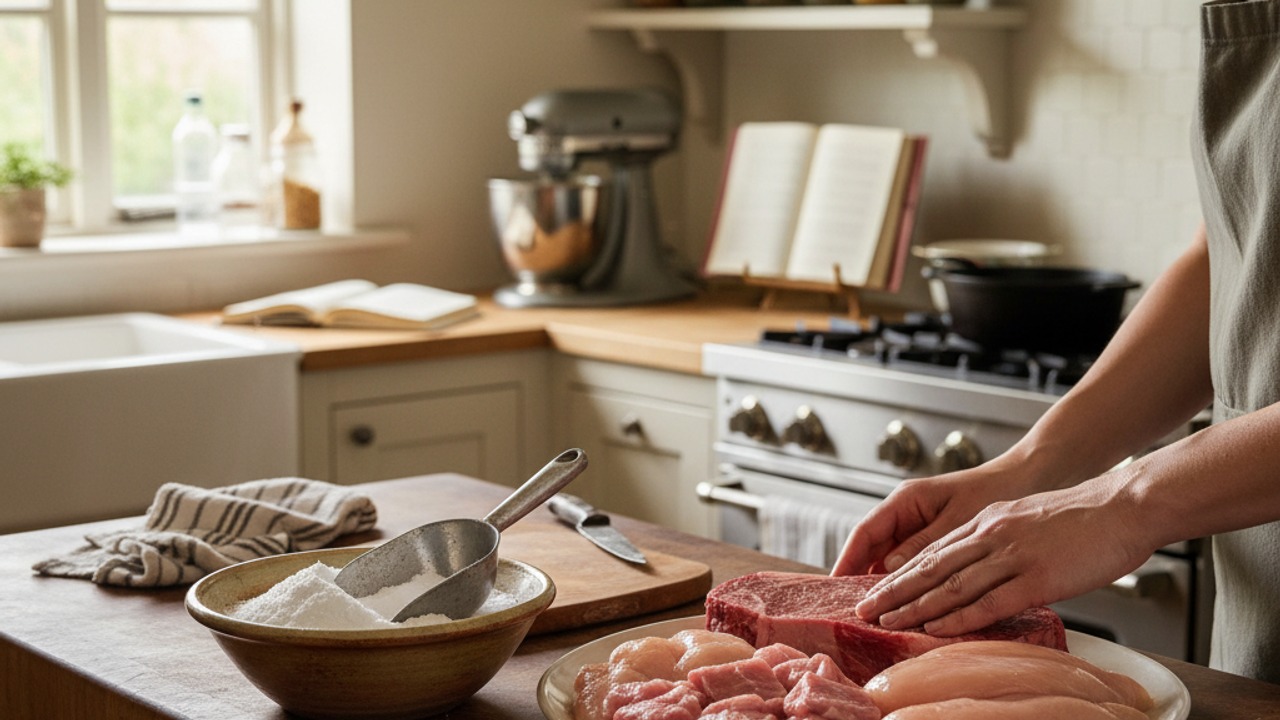
Learn how baking soda can tenderize, boost browning, and improve moisture for ground beef and other meats. This practical guide covers the science, step-by-step techniques, common mistakes, and recipes to try.

Healthy Eating
Gluten-Free Weeknight Grilling Plan
A 7-day gluten-free weeknight grilling plan with quick, family-friendly recipes, prep-ahead timelines, and a printable shopping list that spotlights late-summer produce and pantry staples. Includes clear cross-contamination safety tips and simple swaps to keep dinners fast and crowd-pleasing.

Healthy Eating
Low-Fat Grill Swaps for Big Flavor
A practical guide to trimming fat from grilled meals without losing juiciness or char. Learn yogurt- and citrus-based marinades, lean protein picks, searing and indirect-heat tricks, plus 5 quick low-fat marinades and a simple weeknight plan.
More from Baking
View all Baking recipes →
Cloud Bread Sandwiches

Honey Mustard Chicken Nuggets

Cheddar Jalapeño Corn Muffins

Basque Burnt Cheesecake

30-Minute Sticky Baked Honey Garlic Chicken Thighs with Crisp Edges

Lemon Butter Salmon

Spritz Cookies

Brown Butter Vanilla Syrup

Honey Glazed Easter Ham
Ask me anything about this recipe — substitutions, scaling, techniques, timing.
Powered by AI · 6 questions per 5 minutes, 30 per day