Corn Tortillas
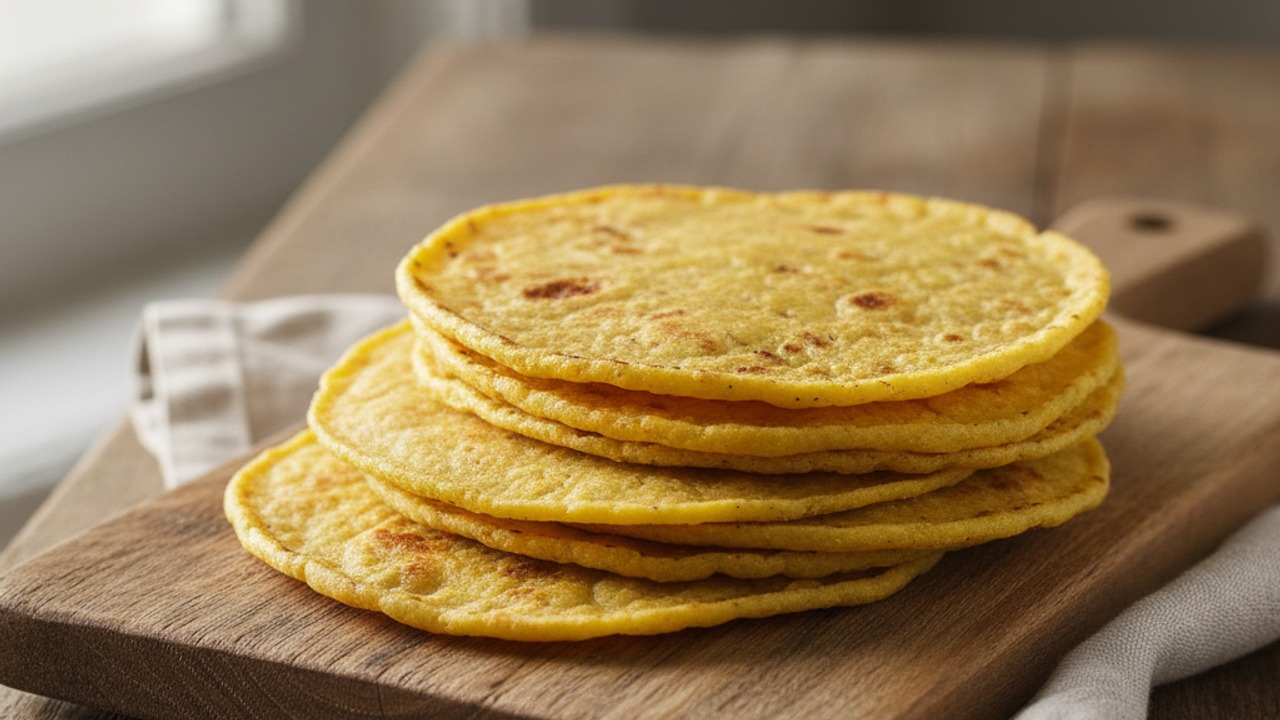
Simple, authentic corn tortillas made from masa harina for tender, slightly chewy rounds ideal for tacos, quesadillas, or simply warmed and buttered. This straightforward stovetop method produces pliable tortillas with a toasty, slightly nutty corn flavor.
Ingredient Spotlight
Masa harina (masa)
Masa harina is a nixtamalized dried corn flour made from hominy and is the traditional base for Mexican tortillas, tamales and other corn masa dishes. It has a distinct earthy, slightly sweet corn flavor and a faint toasted aroma that differs markedly from regular cornmeal or corn flour. You can find it in the Latin/international aisle of most supermarkets, Mexican groceries, or online; a good substitute for texture (but not exact flavor) is fresh masa (if available) or, for a different but workable result, use all-purpose flour to make flour tortillas.
Ingredient Spotlight
Rendered lard
Rendered lard is purified pork fat that’s been melted and strained; in Mexican cooking it’s traditionally used in masa dough to add moisture, richness and a tender, slightly porky savory note. It tastes rich and fatty with a mild pork aroma and produces flakier, more flavorful tortillas than neutral oils alone. You can buy it jarred at many grocery stores, Mexican markets or from a butcher; good substitutes are vegetable shortening or a neutral oil (which will change texture and flavor), or butter for a richer taste though it will impart a dairy note.
Jake Woods's note
"These tortillas shine when cooked on a hot comal or cast-iron skillet and eaten fresh — they’re perfect for a weeknight taco night or for prepping and freezing for quick meals. Home cooks will love how few ingredients deliver authentic flavor and pliability."
About This Recipe
These corn tortillas are a focused, unfussy take on an everyday staple: masa harina mixed with warm water, a touch of fat, and a little patience. The result is tender, slightly chewy rounds with a toasted, nutty corn flavor that reads as distinctly corn rather than a neutral wrapper—perfect for bright, salsa-forward tacos or folded up into blistered quesadillas. A spoonful of rendered lard gives a silkier mouthfeel and authentic depth, while neutral oil keeps the profile clean; the optional baking powder adds a little loft if you prefer puffy street-taco-style rounds.
What makes this version reliable is the small but essential technique choices: warm water to coax the masa into a supple dough, a brief knead followed by a 20–30 minute rest so the grain fully hydrates, and a hot cast-iron comal to produce quick browning without drying. Pressing to about 1.5–2 mm and keeping formed tortillas covered prevents cracks, and finishing them wrapped in a towel preserves steam and pliability. These are for cooks who want fresh-tasting tortillas fast—better than store-bought, entirely approachable, and versatile enough to be the backbone of tacos, breakfast bowls, or simple buttered snacks.
Ingredients for Corn Tortillas
- 2 cups Masa harina (masa)
- 1 teaspoon Fine sea salt
- 1/2 teaspoon Baking powder (optional, for slightly puffier tortillas)
- 1 tablespoon Neutral oil or rendered lard (for the dough)
- 1 1/4 cups Warm water
- 1 teaspoon Additional neutral oil for the skillet (or a light brush of oil)
How to Make Corn Tortillas
Step 1: Mix the dry ingredients
In a large bowl, whisk together the masa harina, fine sea salt, and baking powder (if using) until evenly combined. Breaking up any lumps with your fingertips ensures a smooth dough when liquid is added.For this step
- 2 cupsMasa harina (masa)
- 1 teaspoonFine sea salt
- 1/2 teaspoonBaking powder (optional, for slightly puffier tortillas)
Step 2: Add oil and water; form the dough
Stir the oil into the dry mix, then pour in the warm water a little at a time, mixing with your hand until a soft, slightly tacky dough forms (not sticky). Knead in the bowl for 1–2 minutes; cover with a damp towel and rest 20–30 minutes to hydrate. This recipe will make about 12 six-inch tortillas.For this step
- 1 tablespoonNeutral oil or rendered lard (for the dough)
- 1 1/4 cupsWarm water
Step 3: Portion and shape
Divide the dough into 12 equal pieces (about 1½ ounces / 40g each) and roll into smooth balls. Use a tortilla press lined with plastic (or roll between two sheets of parchment) to press each ball into a roughly 6-inch round about 1.5–2 mm thick. Keep formed tortillas covered with a damp cloth while you work to prevent drying.Step 4: Cook on a hot skillet (comal)
Heat a cast-iron skillet or heavy flat griddle over medium-high heat until very hot. Lightly brush the surface with the additional teaspoon of oil or use a dry pan and skip oil if preferred. Cook each tortilla 30–45 seconds per side, flipping when brown spots appear and the tortilla puffs slightly; adjust heat as needed to avoid burning. Transfer cooked tortillas to a clean towel and wrap to keep warm.For this step
- 1 teaspoonAdditional neutral oil for the skillet (or a light brush of oil)
Step 5: Serve or store
Serve hot, or cool completely before storing in an airtight bag in the fridge for up to 2 days or freeze flat for up to 3 months. Rewarm gently on a hot skillet or steamed briefly in a towel-wrapped stack.


- In a large bowl, whisk together the masa harina, fine sea salt, and baking powder (if using) until evenly combined. Breaking up any lumps with your fingertips ensures a smooth dough when liquid is added.
- Stir the oil into the dry mix, then pour in the warm water a little at a time, mixing with your hand until a soft, slightly tacky dough forms (not sticky). Knead in the bowl for 1–2 minutes; cover with a damp towel and rest 20–30 minutes to hydrate. This recipe will make about 12 six-inch tortillas.
- Divide the dough into 12 equal pieces (about 1½ ounces / 40g each) and roll into smooth balls. Use a tortilla press lined with plastic (or roll between two sheets of parchment) to press each ball into a roughly 6-inch round about 1.5–2 mm thick. Keep formed tortillas covered with a damp cloth while you work to prevent drying.
- Heat a cast-iron skillet or heavy flat griddle over medium-high heat until very hot. Lightly brush the surface with the additional teaspoon of oil or use a dry pan and skip oil if preferred. Cook each tortilla 30–45 seconds per side, flipping when brown spots appear and the tortilla puffs slightly; adjust heat as needed to avoid burning. Transfer cooked tortillas to a clean towel and wrap to keep warm.
- Serve hot, or cool completely before storing in an airtight bag in the fridge for up to 2 days or freeze flat for up to 3 months. Rewarm gently on a hot skillet or steamed briefly in a towel-wrapped stack.
Corn Tortillas Tips
Aim for tacky, not sticky
The right dough should feel slightly tacky to the touch but not cling to your fingers; add water a tablespoon at a time if dry and dust with masa (not flour) if too wet.
Rest for hydration
Let the covered dough sit 20–30 minutes so the masa fully absorbs liquid—skipping this makes tortillas crumbly and prone to cracking.
Use plastic or parchment
Line your press with cut pieces of plastic (or press between parchment) to get clean circles and prevent sticking without adding extra masa.
Hot pan, controlled heat
Bring the skillet very hot before the first tortilla, then lower to medium-high so the tortillas brown and puff without burning.
Keep them steamy
Nestle cooked tortillas in a clean towel or tortilla warmer right away to trap steam and keep them pliable for serving.
Corn Tortillas Variations and Substitutions
Blue corn tortillas
Swap in blue masa harina 1:1 for a visually striking, slightly nuttier tortilla—treat it the same for hydration and resting times.
Gordita-style (thicker)
Press rounds to 3–4 mm and cook a bit longer on each side to make thick pockets that can be split and stuffed like gorditas.
Sweet corn fold-ins
Stir 1/4 cup pureed fresh or thawed frozen corn into the dough and reduce water by 2–3 tablespoons for a subtly sweet, tender tortilla.
Vegan-friendly fat swap
Use neutral vegetable oil in place of lard for a vegan tortilla; flavor will be cleaner, and texture will remain pliable if hydration is correct.
How to Store and Make Corn Tortillas Ahead
Cool tortillas completely before packing to avoid trapped steam turning them soggy. Store in an airtight bag in the refrigerator for up to 2 days or freeze flat between sheets of parchment for up to 3 months; thaw before reheating. Rewarm on a hot skillet for 15–30 seconds per side or steam a stack wrapped in a damp towel for 20–30 seconds to restore pliability.
What to Serve With Corn Tortillas
Serve warm tortillas with grilled carne asada, citrus-marinated fish, or a simple filling of refried beans and crumbled queso fresco; top with bright salsa verde, chopped onion, and cilantro. For a casual spread, present a stack wrapped in a towel in a basket alongside pickled red onions, lime wedges, and a pitcher of agua de jamaica or a crisp Mexican lager.
Corn Tortillas FAQs
Why must I use masa harina and not cornmeal?
Masa harina is nixtamalized—treated with alkali—so it dissolves and binds into a cohesive dough; regular cornmeal won't hydrate the same way and will produce gritty, crumbly tortillas.
My tortillas keep cracking—what am I doing wrong?
Cracks usually mean the dough is too dry or the tortilla was pressed too thin; knead in a little more water, let the dough rest longer, and press slightly thicker to prevent breaks.
Is the baking powder necessary?
No—baking powder is optional and gives a lightly puffed, softer tortilla; omit it for a denser, more traditional texture.
How do I know when a tortilla is cooked?
Cook until pale brown spots appear and the tortilla shows a little puffing; it should have a few toasted blisters but remain pliable in the center.
Can I make the dough ahead of time?
Yes—formed dough balls can be refrigerated, tightly covered, for up to 24 hours; bring them to room temperature before pressing and cooking for best results.
About the author
Jake WoodsHello, I'm Jake. I started this recipe site with the idea that I hated recipe websites that overwhelm you with long stories and ads just to see plain content that's not helpful. My goal is to provide you with quality recipes, simple ideas and a fun cooking experience. There's lots of fun things to cook, and I think as you browse the site you'll find that TopShelf.Recipes is the place for quality recipes on the web.
See all recipes by Jake Woods →Ratings & Reviews
Did you make this recipe?
Be the first to share your experience.
Nutrition Facts
Per serving: 1 tortilla
Nutrition values are estimated from USDA ingredient data and may vary based on preparation, brands, and portion sizes. Values are provided for informational purposes only.
Keep Reading
Guides & articles for this recipe

Healthy Eating
Gluten-Free Weeknight Grilling Plan
A 7-day gluten-free weeknight grilling plan with quick, family-friendly recipes, prep-ahead timelines, and a printable shopping list that spotlights late-summer produce and pantry staples. Includes clear cross-contamination safety tips and simple swaps to keep dinners fast and crowd-pleasing.

Healthy Eating
Low-Fat Grill Swaps for Big Flavor
A practical guide to trimming fat from grilled meals without losing juiciness or char. Learn yogurt- and citrus-based marinades, lean protein picks, searing and indirect-heat tricks, plus 5 quick low-fat marinades and a simple weeknight plan.

Recipes
DIY Edible Monster Eyes Candy
Make safe, fun edible monster eyes for cupcakes, cookies, and candy trays. Step-by-step recipes show baking-soda balls, chocolate and fondant eyes, wafer-print options, plus assembly, storage, and kid-friendly safety tips.
More from General
View all General recipes →
Easy Peanut Butter Bars

Lemon Butter Salmon

Carbonara Garlic Cream Sauce

Honey Garlic Glazed Salmon

One-pot Portuguese Chicken and Rice

Huli Huli Chicken

Summer Berry Trifle

Blueberry Cheesecake Cookies

Viral Dr Pepper Butter
Ask me anything about this recipe — substitutions, scaling, techniques, timing.
Powered by AI · 6 questions per 5 minutes, 30 per day