Crispy Roast Potatoes
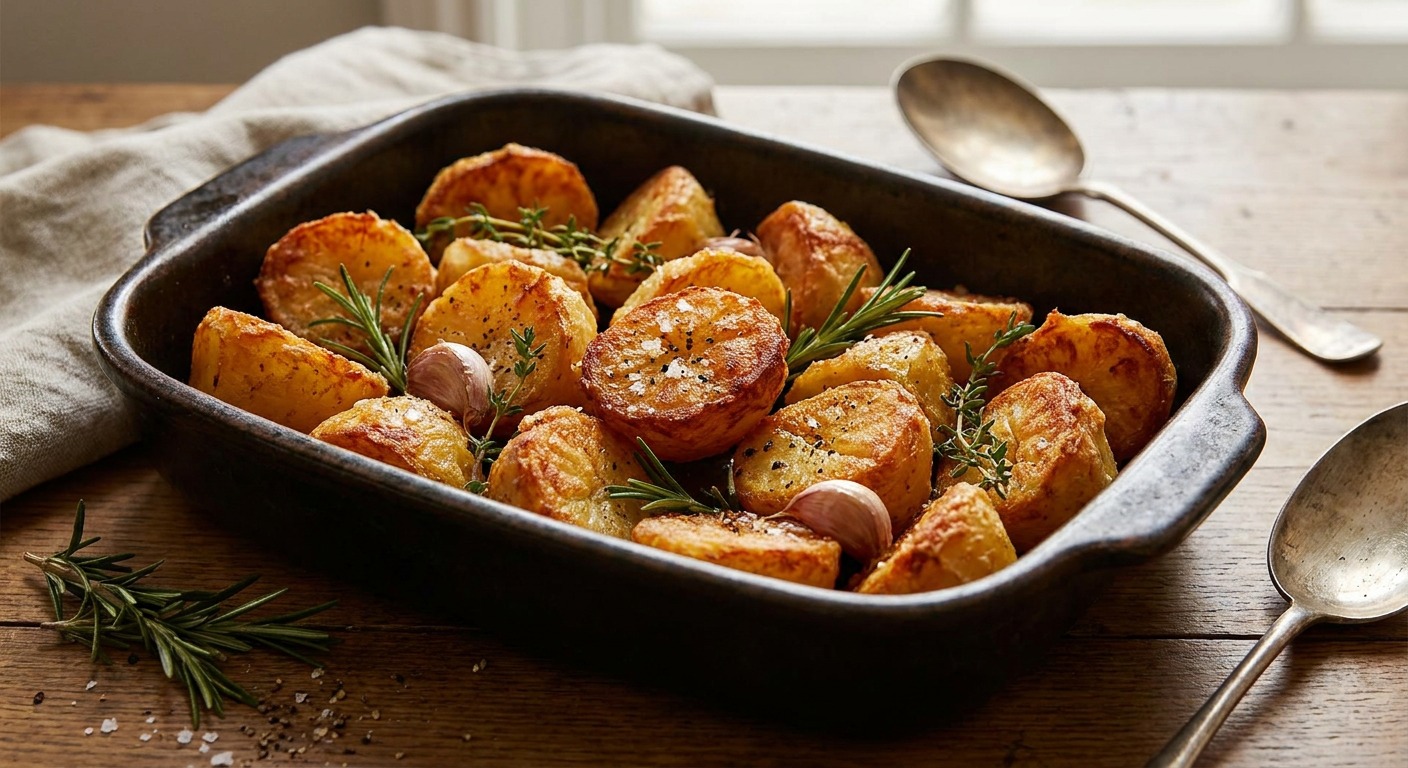
Ultra-crispy roast potatoes with a fluffy interior and deeply golden, crackly exterior — a definitive holiday-side method. Parboiling, roughing the surfaces, and roasting in very hot fat produce reliably crisp results that stand up to long feasts.
Ingredient Spotlight
Maris Piper potatoes
A British potato cultivar prized in the U.K. for roasting and making chips; it’s a fairly floury, dry potato that crisps on the outside and flakes nicely inside. Many home cooks in the U.S. may not encounter it in supermarkets outside specialty or import shops. Flavor is mild and starchy rather than buttery, and good substitutes are Yukon Gold (for a slightly waxier texture) or Russet/Idaho (for a drier, fluffier result).
Ingredient Spotlight
Duck/goose fat
Rendered fat from duck or goose commonly used in French and British cooking to roast vegetables and confit meats; it has a rich, savory, slightly meaty aroma and helps produce an exceptionally crisp, golden exterior. It’s sold at specialty butchers, gourmet grocers, or online, and some upscale supermarkets carry tubs of it. Substitute with high-heat neutral oils (canola, peanut) for technique, or with lard, chicken schmaltz, or clarified butter for a richer flavor, noting each will impart different aromas and mouthfeel.
Jake Woods's note
"These roast potatoes shine on a holiday table but are easy enough for a weeknight when you want a perfect crispy side. Expect a golden, crunchy exterior and a tender, fluffy center every time."
About This Recipe
Crispy roast potatoes are one of those deceptively simple dishes that reward attention to technique rather than fancy ingredients. This version leans into three predictable moves — a brief parboil, a deliberate roughing of the edges, and roasting in very hot fat — to produce a deeply golden, crackly exterior and a cottony interior that can stand up to gravy, jus, or thick sauces. I favor Yukon Gold for its buttery flesh and Maris Piper when you want a drier, more distinct crumb; both respond beautifully to the baking soda trick and vigorous shaking that create more surface area to brown. The addition of butter with oil gives flavor without burning, and rosemary plus smashed garlic lend classic aromatics that flavor the fat as the potatoes roast.
What sets this recipe apart is the choreographed downtime and heat: steaming off excess surface moisture in the warm pot concentrates starch on the surface so it crisps, and preheating the fat ensures immediate sizzle and blistering on contact. The method is forgiving — you can parboil several hours ahead and finish just before serving — and scalable for holiday tables. If you want reliably crisp, roast-potato perfection that holds up through service, these are the steps to commit to.
Ingredients for Crispy Roast Potatoes
- 3 lb Yukon Gold or Maris Piper potatoes, peeled and cut into 1½–2 inch pieces
- 8 cups Water (enough to cover potatoes)
- 2 tsp Kosher salt (for parboil and seasoning)
- 1/4 tsp Baking soda (optional; helps roughen edges)
- 6 tbsp High-heat oil (vegetable, canola, or duck/goose fat)
- 2 tbsp Unsalted butter
- 2 sprigs Fresh rosemary sprigs
- 4 cloves Garlic cloves, smashed (skin left on if roasting in skin)
- 1/2 tsp Freshly ground black pepper
How to Make Crispy Roast Potatoes
Step 1: Cut and parboil the potatoes
Place peeled, evenly sized potato pieces in a large pot and cover with cold water. Add 2 tsp kosher salt and 1/4 tsp baking soda, bring to a boil, then simmer 8–10 minutes until edges are starting to soften but centers are still firm when pierced.For this step
- 3 lbYukon Gold or Maris Piper potatoes, peeled and cut into 1½–2 inch pieces
- 8 cupsWater (enough to cover potatoes)
- 2 tspKosher salt (for parboil and seasoning)
- 1/4 tspBaking soda (optional; helps roughen edges)
Step 2: Drain and roughen the edges
Drain the potatoes in a colander and give them a vigorous shake or toss for 30–60 seconds to roughen the surfaces — this creates textured edges that crisp beautifully. Return potatoes to the (still-warm) empty pot for 1–2 minutes to let excess surface moisture steam off.Step 3: Preheat oven and heat the fat
Heat the oven to 450°F (230°C). Put the oil and butter in a large heavy roasting pan and place it in the oven to heat until the fat is very hot and shimmering, 8–10 minutes (be careful — the pan will be extremely hot).For this step
- 6 tbspHigh-heat oil (vegetable, canola, or duck/goose fat)
- 2 tbspUnsalted butter
Step 4: Roast the potatoes in the hot fat
Carefully transfer the parboiled potatoes into the hot roasting pan and turn them once in the fat to coat. Scatter rosemary and smashed garlic among the potatoes, season with freshly ground pepper and a little extra salt if needed, then spread potatoes in a single layer.For this step
- 2 sprigsFresh rosemary sprigs
- 4 clovesGarlic cloves, smashed (skin left on if roasting in skin)
- 1/2 tspFreshly ground black pepper
Step 5: Cook until deep golden and turn once
Roast for 40–50 minutes, turning the potatoes with a spatula once or twice so all sides get brown and crisp. If needed, increase the oven to 475°F (245°C) for the last 5–8 minutes to deepen the crust.Step 6: Finish and serve immediately
Remove the pan from the oven, discard rosemary stems and garlic skins if desired, and transfer potatoes to a warm serving dish. Sprinkle with flaky salt and serve immediately for best crunch.


- Place peeled, evenly sized potato pieces in a large pot and cover with cold water. Add 2 tsp kosher salt and 1/4 tsp baking soda, bring to a boil, then simmer 8–10 minutes until edges are starting to soften but centers are still firm when pierced.
- Drain the potatoes in a colander and give them a vigorous shake or toss for 30–60 seconds to roughen the surfaces — this creates textured edges that crisp beautifully. Return potatoes to the (still-warm) empty pot for 1–2 minutes to let excess surface moisture steam off.
- Heat the oven to 450°F (230°C). Put the oil and butter in a large heavy roasting pan and place it in the oven to heat until the fat is very hot and shimmering, 8–10 minutes (be careful — the pan will be extremely hot).
- Carefully transfer the parboiled potatoes into the hot roasting pan and turn them once in the fat to coat. Scatter rosemary and smashed garlic among the potatoes, season with freshly ground pepper and a little extra salt if needed, then spread potatoes in a single layer.
- Roast for 40–50 minutes, turning the potatoes with a spatula once or twice so all sides get brown and crisp. If needed, increase the oven to 475°F (245°C) for the last 5–8 minutes to deepen the crust.
- Remove the pan from the oven, discard rosemary stems and garlic skins if desired, and transfer potatoes to a warm serving dish. Sprinkle with flaky salt and serve immediately for best crunch.
Crispy Roast Potatoes Tips
Parboil, don’t overcook
Aim for tender edges with a firm center; 8–10 minutes is a guideline because pot size and potato variety change cooking speed.
Use baking soda sparingly
A quarter teaspoon roughens the surface by breaking down some starch — enough to promote craggy edges without making the potatoes gummy.
Roughen for texture
Shake the drained potatoes in a colander or toss them in the pot to knock off bits of starch and create nooks that capture fat and crisp up.
Heat the fat thoroughly
Put the oil and butter in the pan while the oven preheats so the fat is shimmering; cold fat means soggy, not crackly, potatoes.
Single layer and space
Crowding cools the fat and steams the potatoes; spread them in a single layer with a little breathing room for the best browning.
Finish with high heat
If the crust needs deepening, bump the oven to 475°F (245°C) for the last 5–8 minutes to intensify browning without drying the interior.
Crispy Roast Potatoes Variations and Substitutions
Duck or goose fat
Swap all or part of the oil for rendered duck/goose fat for a richer, traditional roast-potato flavor—use the same high-heat method to crisp them.
Herb and citrus finish
Toss the hot potatoes with chopped parsley, lemon zest, and a splash of lemon juice after roasting for a brighter, fresher profile.
Garlic-free or vegan
Omit the smashed garlic and use all oil (no butter) to keep the dish vegan while still getting maximum crunch from the hot fat.
Parmesan crust
During the last 10 minutes, sprinkle grated Parmesan over the potatoes so it melts and forms a nutty, extra-crispy crust.
Sweet potato adaptation
Use firm sweet potatoes but reduce parboil time and roast at slightly lower temp (425°F) to avoid burning sugars; they won’t get as crackly but will caramelize beautifully.
How to Store and Make Crispy Roast Potatoes Ahead
Store leftovers in an airtight container in the refrigerator for up to 3 days. Re-crisp in a 425°F oven or a hot skillet with a teaspoon of oil, turning occasionally; avoid microwaving, which makes them limp. You can parboil the potatoes a day ahead, drain and dry them, then keep covered in the fridge and roast from cold when ready.
What to Serve With Crispy Roast Potatoes
These potatoes pair beautifully with roast beef, roast chicken, or a herbaceous leg of lamb and stand up well to gravy and rich sauces. For a holiday plate, add a bright vegetable such as roasted Brussels sprouts with balsamic or a green pea purée to cut the richness; finish the potatoes with flaky salt and a scattering of chopped parsley. Serve with a medium-bodied red like Côtes du Rhône or a malty brown ale to balance the roasted flavors.
Crispy Roast Potatoes FAQs
Why add baking soda to the parboil?
The small amount of baking soda raises the pH at the potato surface, breaking down some starches and promoting a rough, floury exterior that browns and crisps more readily.
Can I skip the parboil and roast from raw?
You can, but raw-roasted potatoes take much longer and rarely get the same fluffy interior; parboiling ensures the centers are cooked before the exterior is deeply browned.
What potato variety is best?
Yukon Gold gives a creamier, buttery interior and crisp exterior, while Maris Piper or other floury varieties yield a drier crumb and more pronounced flakiness; either works with this method.
My potatoes browned unevenly — what happened?
Uneven browning usually comes from crowding, uneven pan heat, or insufficiently hot fat; spread potatoes in a single layer and ensure the oil is shimmering before adding them.
How do I get them crisp again after storing?
Reheat on a baking sheet in a 425°F oven or in a hot skillet with a little oil, turning occasionally; this reactivates the fats and restores the crust far better than a microwave.
About the author
Jake WoodsHello, I'm Jake. I started this recipe site with the idea that I hated recipe websites that overwhelm you with long stories and ads just to see plain content that's not helpful. My goal is to provide you with quality recipes, simple ideas and a fun cooking experience. There's lots of fun things to cook, and I think as you browse the site you'll find that TopShelf.Recipes is the place for quality recipes on the web.
See all recipes by Jake Woods →Ratings & Reviews
Did you make this recipe?
Be the first to share your experience.
Nutrition Facts
Per serving: 1 serving
Nutrition values are estimated from USDA ingredient data and may vary based on preparation, brands, and portion sizes. Values are provided for informational purposes only.
Keep Reading
Guides & articles for this recipe
Tips & Techniques
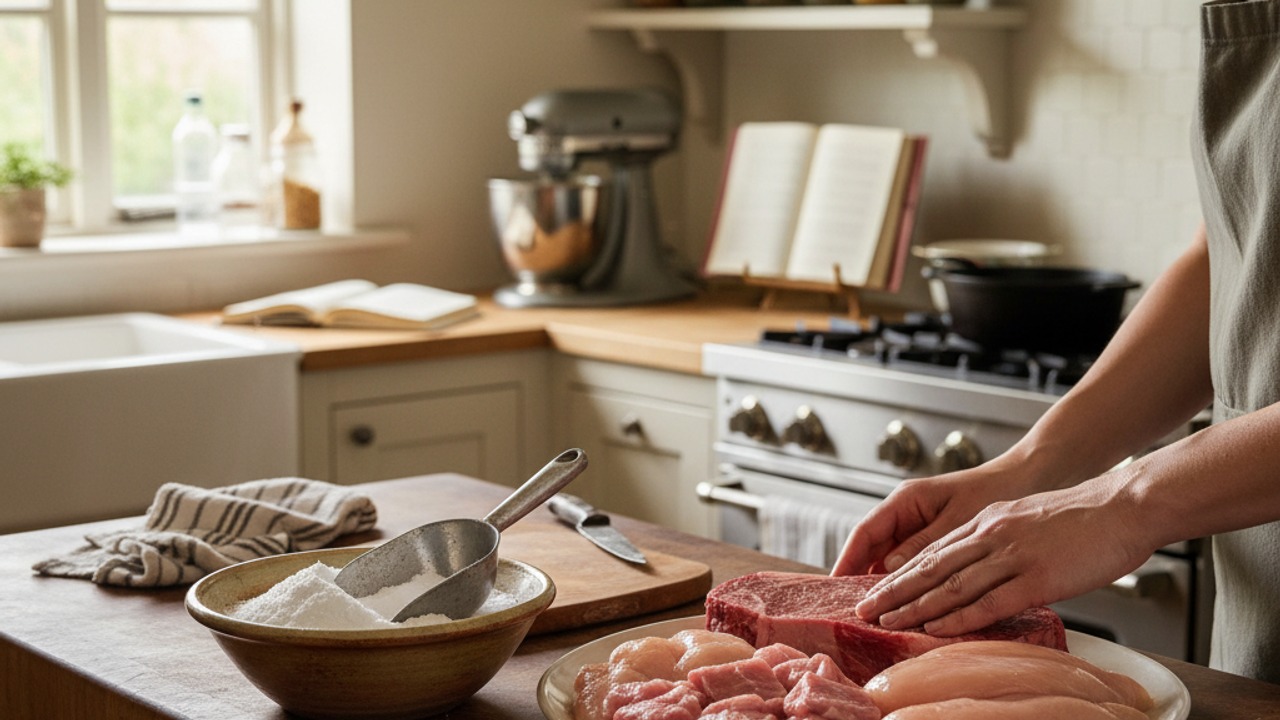
Baking Soda and Tenderized Beef
Learn how baking soda can tenderize, boost browning, and improve moisture for ground beef and other meats. This practical guide covers the science, step-by-step techniques, common mistakes, and recipes to try.

Healthy Eating
Gluten-Free Weeknight Grilling Plan
A 7-day gluten-free weeknight grilling plan with quick, family-friendly recipes, prep-ahead timelines, and a printable shopping list that spotlights late-summer produce and pantry staples. Includes clear cross-contamination safety tips and simple swaps to keep dinners fast and crowd-pleasing.

Healthy Eating
Low-Fat Grill Swaps for Big Flavor
A practical guide to trimming fat from grilled meals without losing juiciness or char. Learn yogurt- and citrus-based marinades, lean protein picks, searing and indirect-heat tricks, plus 5 quick low-fat marinades and a simple weeknight plan.
More from Baking
View all Baking recipes →
Cloud Bread Sandwiches

Honey Mustard Chicken Nuggets

Cheddar Jalapeño Corn Muffins

Basque Burnt Cheesecake

30-Minute Sticky Baked Honey Garlic Chicken Thighs with Crisp Edges

Lemon Butter Salmon

Spritz Cookies

Brown Butter Vanilla Syrup

Honey Glazed Easter Ham
Ask me anything about this recipe — substitutions, scaling, techniques, timing.
Powered by AI · 6 questions per 5 minutes, 30 per day