Cuban Pernil Roast Pork Shoulder with Mojo Marinade and Crispy Skin
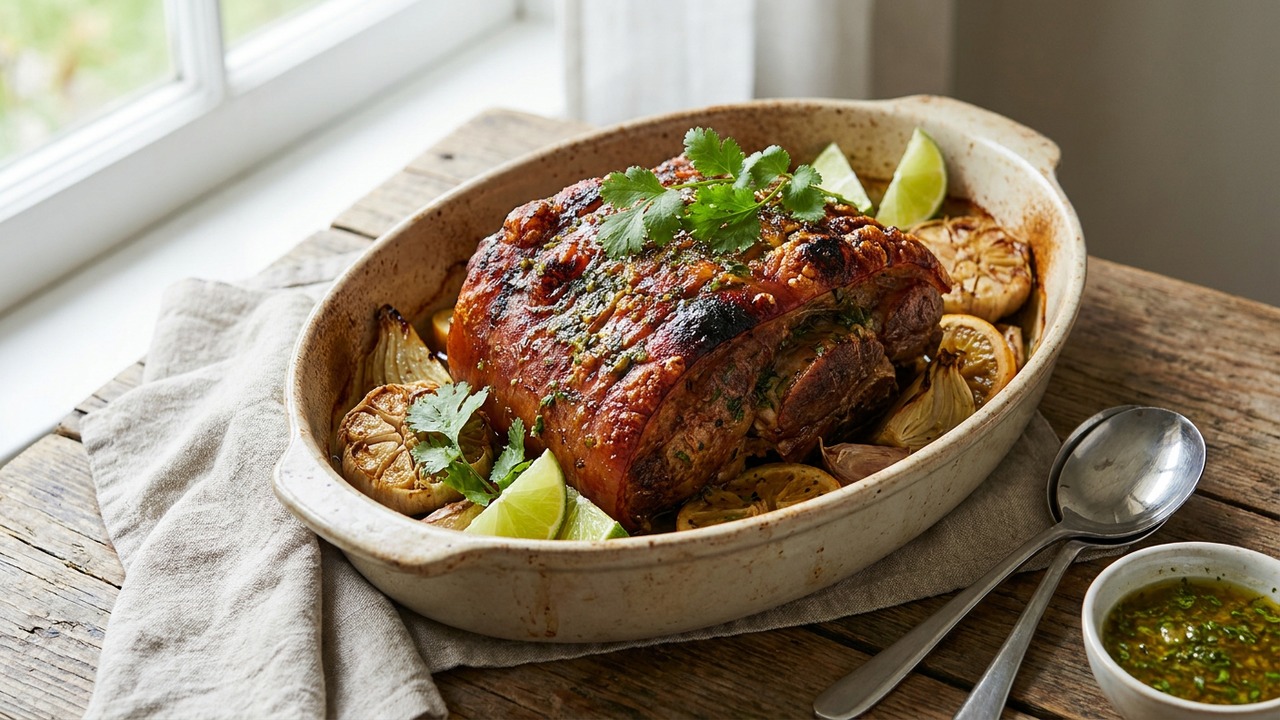
Classic Cuban pernil: a bone-in pork shoulder marinated in bright, garlicky mojo, slow-roasted until meltingly tender and finished with blistered, crackling skin. This show-stopping roast is perfect for holiday feasts or weekend gatherings where bold citrus and garlic flavors shine.
Ingredient Spotlight
Bone-in pork shoulder (pernil)
Pernil is the Spanish/Caribbean name for a bone-in pork shoulder traditionally marinated and slow-roasted until very tender; it’s a signature dish in Puerto Rican, Dominican and Cuban cuisines. The cut is richly marbled and often roasted with the skin on so it can be crisped into crackling, giving a combination of succulent meat and crispy skin. In the U.S. you’ll find it at Latino markets or by asking a butcher for 'bone-in pork shoulder' or 'Boston butt' labeled as pernil; if you can’t find a labeled pernil, any bone-in pork shoulder with skin is an appropriate substitute.
Ingredient Spotlight
Fresh orange juice (or sour orange), preferably fresh
Sour orange (naranja agria or Seville orange) is a bitter-tart citrus commonly used in Caribbean and Latin American marinades — it has a sharper, more astringent and floral profile than sweet orange juice. It’s prized for adding bright acidity and a slight bitter complexity to pernil marinades. You can find sour oranges at Latin markets, specialty produce stalls, or as bottled Seville/sour orange juice; a good home substitute is fresh orange juice mixed with lime juice (roughly 3:1 orange to lime) or a 50/50 mix of orange and grapefruit juice to mimic the acidity and bitterness.
Jake Woods's note
"This pernil sings at holiday dinners or any special weekend meal — the mojo marinade brightens rich pork while a short high-heat finish gives you irresistible crispy skin. Home cooks will love that most work is hands-off roasting; the results are both impressive and forgiving."
About This Recipe
Pernil is the kind of roast that quietly owns a holiday table: beneath a thin, crackling skin there’s a shoulder of pork rendered almost custard-soft by long, gentle heat, perfumed with a bright, garlicky citrus mojo that cuts through the richness. In Cuba the sauce—mojo criollo—leans hard on garlic and sour orange; here I use fresh orange balanced with a splash of white vinegar so you get that acidic lift even if true sour orange isn’t available. The bone-in shoulder and intact skin deliver maximum flavor and texture, the bone lending depth to the meat while the fat keeps the roast juicy during the low-and-slow phase.
This version is built around two small but essential moves: saturating the meat with a garlicky citrus marinade that’s pushed under the skin, and then aggressively drying the skin and dusting it with baking powder so it puffs and cracks when finished under very high heat. It’s a show-stopping centerpiece for a festive meal, forgiving enough for weekend projects, and excellent for make-ahead entertaining because the pork benefits from an overnight marinade and reheats beautifully without losing character.
Ingredients for Cuban Pernil Roast Pork Shoulder with Mojo Marinade and Crispy Skin
- 4 1/2 lb Bone-in pork shoulder (pernil), skin on
- 3 tbsp Kosher salt (divided)
- 10 cloves Garlic cloves, peeled
- 1 1/4 cups Fresh orange juice (or sour orange), preferably fresh
- 2 tbsp White vinegar
- 1/4 cup Extra-virgin olive oil
- 1 tbsp Dried oregano
- 1 tsp Ground cumin
- 1 tsp Freshly ground black pepper
- 1 tbsp Baking powder (for skin crisping)
How to Make Cuban Pernil Roast Pork Shoulder with Mojo Marinade and Crispy Skin
Step 1: Make the mojo and marinate the pork
In a blender or food processor, combine garlic, orange juice, vinegar, olive oil, oregano, cumin, black pepper and 2 tablespoons of the kosher salt; blend until smooth to make a bright mojo. Place the pork shoulder in a large nonreactive container or resealable bag and pour the mojo over the meat, massaging some of the marinade under the skin and into any incisions. Cover and refrigerate at least 8 hours or preferably overnight to let the flavors penetrate.For this step
- 4 1/2 lbBone-in pork shoulder (pernil), skin on
- 10 clovesGarlic cloves, peeled
- 1 1/4 cupsFresh orange juice (or sour orange), preferably fresh
- 2 tbspWhite vinegar
- 1/4 cupExtra-virgin olive oil
- 1 tbspDried oregano
- 1 tspGround cumin
- 1 tspFreshly ground black pepper
Step 2: Prep the skin for crisping
Remove the marinated pork from the fridge and pat the skin completely dry with paper towels. Using a sharp knife, score the skin in a crosshatch pattern (don't cut deeply into the meat) and mix the remaining 1 tablespoon kosher salt with the baking powder; rub this mixture into the scored skin and the exposed fat. Place the pork uncovered on a rack set over a tray and refrigerate for at least 4 hours or up to overnight to dry the skin, which helps it crisp in the oven.For this step
- 1 tbspBaking powder (for skin crisping)
Step 3: Low-and-slow roast until tender
Preheat the oven to 325°F (163°C). Place the shoulder fat-side up on a rack in a roasting pan and add about 1/2 cup water to the pan to keep the drippings from burning. Roast, uncovered or loosely tented with foil, until the internal temperature reaches about 180–195°F (82–90°C) and the meat is very tender when pierced, roughly 3 to 4.5 hours for a 4–5 lb shoulder; check after 3 hours and baste pan juices over the meat occasionally.Step 4: Finish hot to blister the skin
Increase the oven to 475–500°F (246–260°C) or switch to broil and return the roast to the oven to blister and crisp the skin, 10–20 minutes depending on your oven. Watch very carefully during this step to avoid burning; rotate the pan if parts are browning faster. The skin should puff and become deeply golden and crackly.Step 5: Rest, carve and serve with mojo
Remove the roast and tent loosely with foil; let it rest for 20–30 minutes to redistribute juices. Skim pan juices into a small saucepan, simmer briefly to concentrate if desired, and slice or pull the meat, serving pieces with crisp skin on top and extra mojo or pan jus on the side. Garnish with chopped fresh herbs or sliced onions if you like and serve with rice and beans or fried plantains.


- In a blender or food processor, combine garlic, orange juice, vinegar, olive oil, oregano, cumin, black pepper and 2 tablespoons of the kosher salt; blend until smooth to make a bright mojo. Place the pork shoulder in a large nonreactive container or resealable bag and pour the mojo over the meat, massaging some of the marinade under the skin and into any incisions. Cover and refrigerate at least 8 hours or preferably overnight to let the flavors penetrate.
- Remove the marinated pork from the fridge and pat the skin completely dry with paper towels. Using a sharp knife, score the skin in a crosshatch pattern (don't cut deeply into the meat) and mix the remaining 1 tablespoon kosher salt with the baking powder; rub this mixture into the scored skin and the exposed fat. Place the pork uncovered on a rack set over a tray and refrigerate for at least 4 hours or up to overnight to dry the skin, which helps it crisp in the oven.
- Preheat the oven to 325°F (163°C). Place the shoulder fat-side up on a rack in a roasting pan and add about 1/2 cup water to the pan to keep the drippings from burning. Roast, uncovered or loosely tented with foil, until the internal temperature reaches about 180–195°F (82–90°C) and the meat is very tender when pierced, roughly 3 to 4.5 hours for a 4–5 lb shoulder; check after 3 hours and baste pan juices over the meat occasionally.
- Increase the oven to 475–500°F (246–260°C) or switch to broil and return the roast to the oven to blister and crisp the skin, 10–20 minutes depending on your oven. Watch very carefully during this step to avoid burning; rotate the pan if parts are browning faster. The skin should puff and become deeply golden and crackly.
- Remove the roast and tent loosely with foil; let it rest for 20–30 minutes to redistribute juices. Skim pan juices into a small saucepan, simmer briefly to concentrate if desired, and slice or pull the meat, serving pieces with crisp skin on top and extra mojo or pan jus on the side. Garnish with chopped fresh herbs or sliced onions if you like and serve with rice and beans or fried plantains.
Cuban Pernil Roast Pork Shoulder with Mojo Marinade and Crispy Skin Tips
Massage marinade under skin
Lift the skin and push mojo directly onto the flesh in several spots so the citrus and garlic penetrate deeply rather than just flavoring the surface.
Dry skin thoroughly
Pat the skin paper-dry and chill uncovered for hours; removing surface moisture is the single best predictor of successful crackling.
Use baking powder sparingly
The baking powder helps blister the skin by raising pH and drawing moisture; mix it with salt and rub only into the skin and fat, not the meat.
Monitor internal temperature
Aim for 180–195°F (82–90°C) for pull-apart tenderness; check with an instant-read probe near the bone for the most reliable result.
Finish hot, watch closely
When you blast the skin under high heat or broil, stay by the oven and rotate the pan every few minutes to avoid scorching and to encourage even puffing.
Cuban Pernil Roast Pork Shoulder with Mojo Marinade and Crispy Skin Variations and Substitutions
Boneless shoulder option
Use a 4–5 lb boneless shoulder if you can’t get a bone-in pernil; reduce roasting time slightly and tie the roast so it cooks evenly, though you’ll lose some depth of flavor from the bone.
Spicy mojo
Add 1–2 finely chopped jalapeños or a teaspoon of red pepper flakes to the blender for a chile kick that complements the citrus and garlic.
Sour orange substitute
If you don’t have sour orange, mix 1 cup fresh orange juice with 2 tablespoons lime juice or 1 tablespoon white vinegar to replicate the tartness.
Slow-cooker adaptation
After marinating, brown the roast briefly on all sides, then cook fat-side up in a slow cooker on low for 8–10 hours; transfer to a hot oven or broiler for 10–15 minutes to crisp the skin.
How to Store and Make Cuban Pernil Roast Pork Shoulder with Mojo Marinade and Crispy Skin Ahead
Cool the roast to room temperature, then refrigerate sliced or pulled pork in an airtight container for up to 3–4 days; store the crackling separately if possible to keep it crisp. Freeze portions (without the skin) for up to 3 months in freezer-safe bags. Reheat gently in a 300°F oven covered with foil until warm, then re-crisp skin under the broiler or in a hot skillet for a few minutes.
What to Serve With Cuban Pernil Roast Pork Shoulder with Mojo Marinade and Crispy Skin
Serve pernil over fluffy white rice with black beans (moros y cristianos) and fried sweet plantains for a classic Cuban spread, and offer extra mojo and pan jus for spooning. Bright pickled red onions or a simple cabbage slaw add acidity and crunch; pair with a citrus-forward mojito, a crisp lager, or a medium-bodied red like a Garnacha.
Cuban Pernil Roast Pork Shoulder with Mojo Marinade and Crispy Skin FAQs
Can I skip the overnight marinade?
You can marinate for as little as 4 hours in a pinch, but overnight yields much deeper garlic-and-citrus flavor and better penetration, especially if you push the mojo under the skin.
What if my oven doesn't reach 500°F?
Set the oven as high as it goes (450–475°F) and use the broiler if available; keep the meat a safe distance from the broiler and watch continuously while crisping to prevent burning.
How do I know the pork is done and tender?
Target 180–195°F near the bone and look for meat that yields easily to a fork or probe; at that range the collagen has broken down and the shoulder will pull apart instead of slicing cleanly.
Why did my skin not puff or crackle?
Common causes are residual moisture, insufficient salt/baking powder on the skin, or not finishing at high enough heat; ensure the skin is bone-dry and well coated with the salt/baking powder mix and increase the finishing temperature.
Can I make the mojo ahead of time?
Yes—mojo keeps well in the fridge for 3–4 days and the flavors meld; if storing longer, freeze in portions and thaw overnight before using.
Is it okay to carve immediately after roasting?
Let the roast rest 20–30 minutes tented with foil so juices redistribute; carving too soon can cause the meat to lose moisture, while a rest also firms the meat slightly for cleaner slices.
About the author
Jake WoodsHello, I'm Jake. I started this recipe site with the idea that I hated recipe websites that overwhelm you with long stories and ads just to see plain content that's not helpful. My goal is to provide you with quality recipes, simple ideas and a fun cooking experience. There's lots of fun things to cook, and I think as you browse the site you'll find that TopShelf.Recipes is the place for quality recipes on the web.
See all recipes by Jake Woods →Ratings & Reviews
Did you make this recipe?
Be the first to share your experience.
Nutrition Facts
Per serving: 1 serving
Nutrition values are estimated from USDA ingredient data and may vary based on preparation, brands, and portion sizes. Values are provided for informational purposes only.
Keep Reading
Guides & articles for this recipe
Tips & Techniques
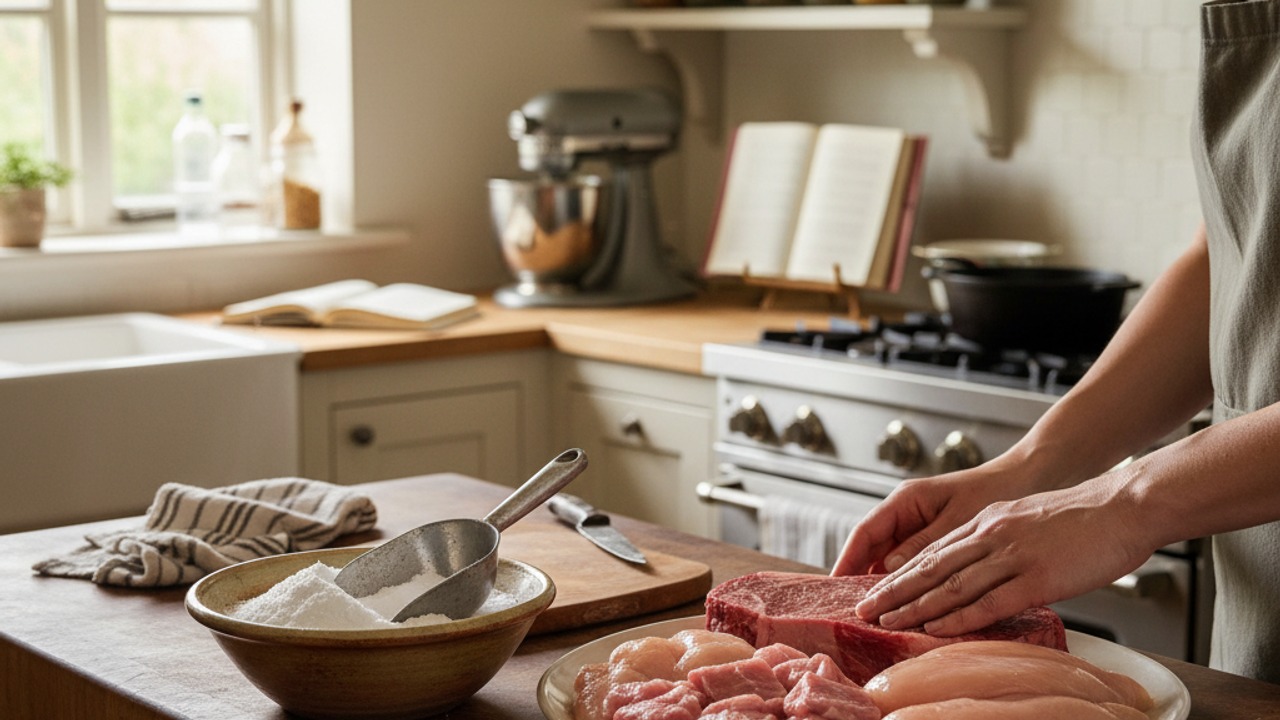
Baking Soda and Tenderized Beef
Learn how baking soda can tenderize, boost browning, and improve moisture for ground beef and other meats. This practical guide covers the science, step-by-step techniques, common mistakes, and recipes to try.

Healthy Eating
Gluten-Free Weeknight Grilling Plan
A 7-day gluten-free weeknight grilling plan with quick, family-friendly recipes, prep-ahead timelines, and a printable shopping list that spotlights late-summer produce and pantry staples. Includes clear cross-contamination safety tips and simple swaps to keep dinners fast and crowd-pleasing.

Healthy Eating
Low-Fat Grill Swaps for Big Flavor
A practical guide to trimming fat from grilled meals without losing juiciness or char. Learn yogurt- and citrus-based marinades, lean protein picks, searing and indirect-heat tricks, plus 5 quick low-fat marinades and a simple weeknight plan.
More from Baking
View all Baking recipes →
Cloud Bread Sandwiches

Honey Mustard Chicken Nuggets

Cheddar Jalapeño Corn Muffins

Basque Burnt Cheesecake

30-Minute Sticky Baked Honey Garlic Chicken Thighs with Crisp Edges

Lemon Butter Salmon

Spritz Cookies

Brown Butter Vanilla Syrup

Honey Glazed Easter Ham
Ask me anything about this recipe — substitutions, scaling, techniques, timing.
Powered by AI · 6 questions per 5 minutes, 30 per day