Gluten-Free Thanksgiving Turkey (No Stuffing)
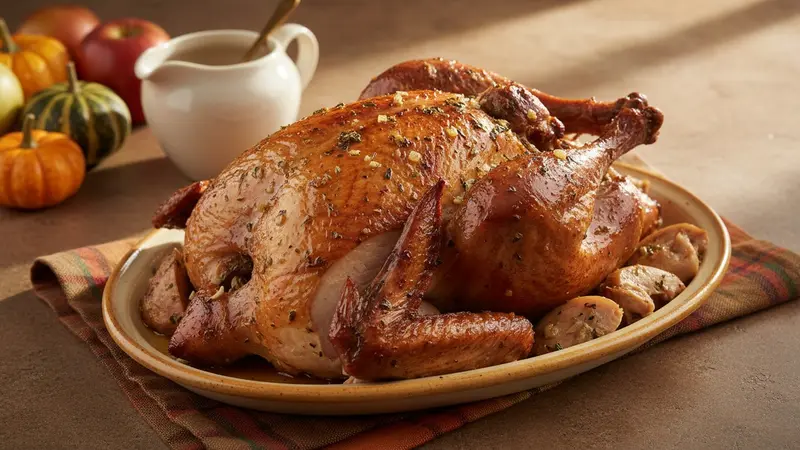
A straightforward, gluten-free oven-roasted Thanksgiving turkey using a simple overnight dry-brine and an herb butter tucked under the skin for moist meat and crisp skin. The method avoids cavity stuffing and gluten-containing sauces while delivering reliably brown skin and safe, well-rested meat.
Jake Woods's note
"Give the salt the full 12 hours to do its work—this firms the skin and seasons the meat without adding moisture. Be gentle when sliding your hand under the skin: small tears let the herb butter escape, so work from the center outward until the breast skin lifts easily; a properly loosened skin will feel noticeably mobile over the meat."
About This Recipe
This simple, gluten-free oven-roasted turkey leans on two modest but high-impact moves: an overnight dry-brine and a lemon‑herb butter tucked under the breast skin. The dry-brine firms the skin and seasons the meat evenly without any wet brining that can dilute flavor, while the butter under the skin bastes the breast directly so the white meat stays juicy even when the dark meat needs a little more time to come up to temperature.
The recipe deliberately avoids cavity stuffing and gluten-containing pan sauces, making timing and food-safety decisions easier on the cook. The aromatic lemon halves and quartered onion in the cavity add perfume and pan-drip flavor without crowding, and rubbing the remaining compound butter on top of the skin plus a light brush of olive oil promotes a reliably brown, crisp finish. If you want a straightforward, dependable centerpiece that pairs well with vibrant, acidic sides, this roast does the heavy lifting while keeping technique approachable.
Plan your timing
Ingredients for Gluten-Free Thanksgiving Turkey (No Stuffing)
- 12 pounds Whole turkey (12 lb / 5.4 kg), thawed
- 3 tablespoons Kosher salt
- 8 tablespoons Unsalted butter, softened
- 4 cloves Garlic, minced
- 2 tablespoons Fresh thyme, chopped
- 2 tablespoons Fresh rosemary, chopped
- 1 large Lemon (zest and halves)
- 1 teaspoon Black pepper, freshly ground
- 2 tablespoons Olive oil
- 1 medium Onion, quartered
How to Make Gluten-Free Thanksgiving Turkey (No Stuffing)
Step 1: Thaw (if needed) and dry-brine the turkey
Active 20 min · Passive 720 min
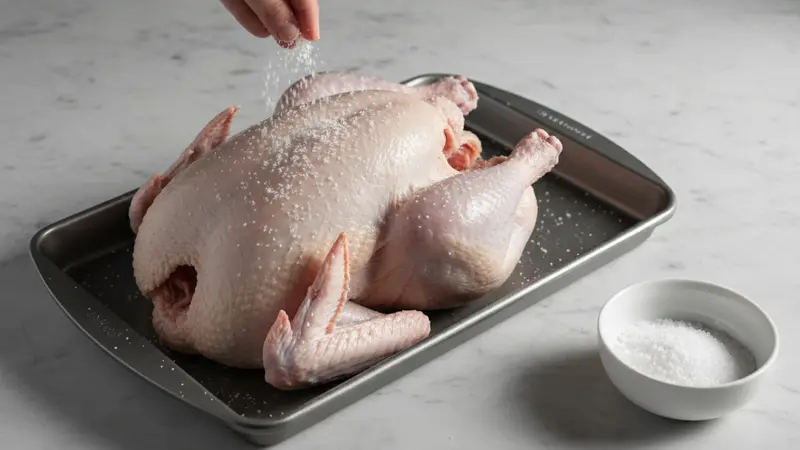
If your turkey is frozen, thaw it in the refrigerator (allow about 24 hours per 4–5 lb). Pat the thawed whole turkey dry with paper towels and place it breast-side up on a rimmed sheet pan or in a shallow roasting pan. Evenly rub the outside and inside cavity with the kosher salt (3 tablespoons total); do not rinse the turkey after salting. Refrigerate uncovered or loosely tented for 12 hours to dry-brine and firm the skin (active: patting and salting; passive: 720 minutes).For this step
- 12 poundsWhole turkey (12 lb / 5.4 kg), thawed
- 3 tablespoonsKosher salt
Step 2: Make the herb butter
Active 15 min
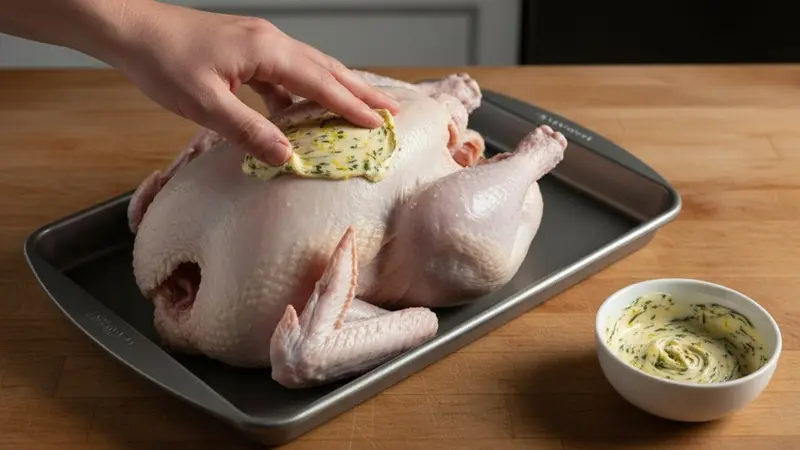
In a bowl combine the softened unsalted butter (8 tablespoons), minced garlic (4 cloves), chopped fresh thyme (2 tablespoons), chopped fresh rosemary (2 tablespoons), the zest of the lemon (reserve the lemon halves for the cavity), and the black pepper (1 teaspoon). Mix until evenly combined. Slide your hand gently beneath the breast skin to separate it from the meat and spread about two-thirds of the herb butter directly onto the breast meat under the skin; reserve the remaining butter for rubbing on the skin before roasting.For this step
- 8 tablespoonsUnsalted butter, softened
- 4 clovesGarlic, minced
- 2 tablespoonsFresh thyme, chopped
- 2 tablespoonsFresh rosemary, chopped
- 1 largeLemon (zest and halves)
- 1 teaspoonBlack pepper, freshly ground
Step 3: Preheat oven and prepare turkey for roasting
Active 20 min
Preheat the oven to 325°F (160°C). Pat the turkey skin dry again if needed, brush the skin lightly with the olive oil (2 tablespoons), and rub the remaining herb butter over the top of the skin. Place the quartered onion and the reserved lemon halves into the turkey cavity (do not pack tightly). Tuck wing tips under the bird and tie the legs with kitchen twine if desired so the turkey roasts evenly.For this step
- 2 tablespoonsOlive oil
- 1 mediumOnion, quartered
Step 4: Roast the turkey, checking temperature
Active 10 min · Passive 210 min
Place the turkey breast-side up on a roasting rack set in a roasting pan and transfer to the preheated oven. Roast at 325°F (160°C) for about 3 to 3 1/2 hours, checking after 2 1/2 hours; total oven time will be approximately 210 minutes. If the skin is browning too quickly, tent the breast loosely with foil. Begin checking internal temperature in the thickest part of the thigh (not touching bone) about 30 minutes before the expected finish; the turkey is done when both thigh and the thickest part of the breast reach 165°F (74°C). Use the oven for passive cooking and 10 minutes active hands-on time for basing or tenting as needed.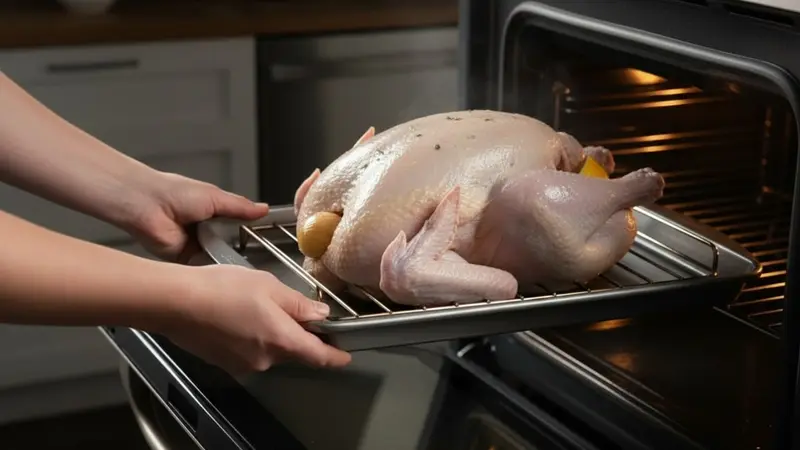
Step 5: Rest then carve
Active 10 min · Passive 20 min
Remove the turkey from the oven when the thermometer reads 165°F (74°C); transfer to a cutting board and tent loosely with foil. Let rest for 20 minutes to allow juices to redistribute (passive: 20 minutes). After resting, carve the turkey into portions — first breasts, then thighs, drumsticks and wings — and arrange on a warmed platter.Step 6: Serve and safety notes
Active 10 min
Serve the carved turkey immediately, and refrigerate leftover turkey within 2 hours in shallow containers; reheat leftovers to 165°F (74°C) before serving. Makes one 12‑lb (5.4 kg) roasted turkey; carve into about eight main-course servings — serve 1 serving (about 350g) per person (serves 8).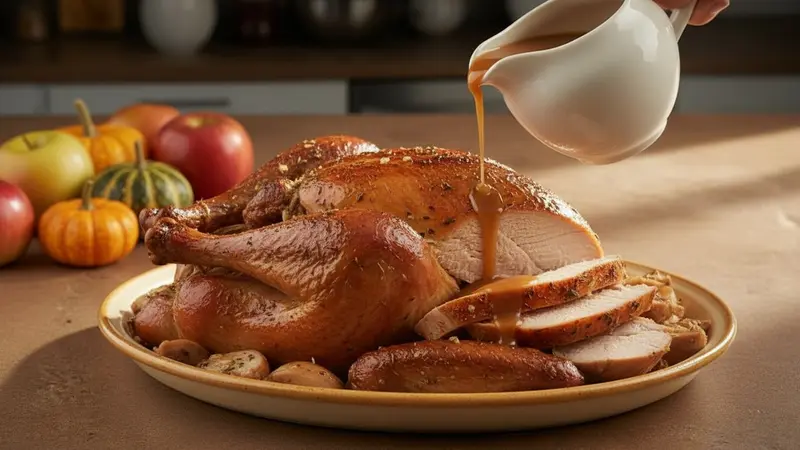
- If your turkey is frozen, thaw it in the refrigerator (allow about 24 hours per 4–5 lb). Pat the thawed whole turkey dry with paper towels and place it breast-side up on a rimmed sheet pan or in a shallow roasting pan. Evenly rub the outside and inside cavity with the kosher salt (3 tablespoons total); do not rinse the turkey after salting. Refrigerate uncovered or loosely tented for 12 hours to dry-brine and firm the skin (active: patting and salting; passive: 720 minutes).
- In a bowl combine the softened unsalted butter (8 tablespoons), minced garlic (4 cloves), chopped fresh thyme (2 tablespoons), chopped fresh rosemary (2 tablespoons), the zest of the lemon (reserve the lemon halves for the cavity), and the black pepper (1 teaspoon). Mix until evenly combined. Slide your hand gently beneath the breast skin to separate it from the meat and spread about two-thirds of the herb butter directly onto the breast meat under the skin; reserve the remaining butter for rubbing on the skin before roasting.
- Preheat the oven to 325°F (160°C). Pat the turkey skin dry again if needed, brush the skin lightly with the olive oil (2 tablespoons), and rub the remaining herb butter over the top of the skin. Place the quartered onion and the reserved lemon halves into the turkey cavity (do not pack tightly). Tuck wing tips under the bird and tie the legs with kitchen twine if desired so the turkey roasts evenly.
- Place the turkey breast-side up on a roasting rack set in a roasting pan and transfer to the preheated oven. Roast at 325°F (160°C) for about 3 to 3 1/2 hours, checking after 2 1/2 hours; total oven time will be approximately 210 minutes. If the skin is browning too quickly, tent the breast loosely with foil. Begin checking internal temperature in the thickest part of the thigh (not touching bone) about 30 minutes before the expected finish; the turkey is done when both thigh and the thickest part of the breast reach 165°F (74°C). Use the oven for passive cooking and 10 minutes active hands-on time for basing or tenting as needed.
- Remove the turkey from the oven when the thermometer reads 165°F (74°C); transfer to a cutting board and tent loosely with foil. Let rest for 20 minutes to allow juices to redistribute (passive: 20 minutes). After resting, carve the turkey into portions — first breasts, then thighs, drumsticks and wings — and arrange on a warmed platter.
- Serve the carved turkey immediately, and refrigerate leftover turkey within 2 hours in shallow containers; reheat leftovers to 165°F (74°C) before serving. Makes one 12‑lb (5.4 kg) roasted turkey; carve into about eight main-course servings — serve 1 serving (about 350g) per person (serves 8).
Gluten-Free Thanksgiving Turkey (No Stuffing) Tips
Salt distribution matters
Sprinkle the 3 tablespoons of kosher salt evenly — don’t pile it in one spot — and be sure to salt the cavity as well for balanced seasoning.
Butter allocation
Use about 5 tablespoons of the 8 for under the breast skin and reserve 3 tablespoons for the surface; softened but cool butter spreads best without tearing the skin.
Thermometer placement
Insert the probe into the thickest part of the thigh without touching bone and verify the breast reaches 165°F (74°C) as well for safe, even doneness.
Keep skin dry
Pat the skin dry before oiling and buttering; any surface moisture will slow browning and encourage steaming instead of crisping.
Roasting pan clearance
Use a roasting pan with a rack so air circulates; there should be at least 1–2 inches of space around the bird so heat can reach the skin evenly.
Gluten-Free Thanksgiving Turkey (No Stuffing) Variations and Substitutions
Citrus‑herb swap
Replace lemon zest and halves with orange or a mix of orange and lemon for a sweeter, brighter flavor; keep the same quantities of zest and two citrus halves.
Sage and shallot butter
Use 2 tablespoons chopped fresh sage and 1 tablespoon minced shallot instead of rosemary and thyme for a classic Thanksgiving profile; proceed exactly the same way.
Lower‑sodium option
Reduce the dry‑brine to 2 teaspoons kosher salt and bring the turkey to room temperature for 30 minutes before roasting so the reduced salt still seasons the surface.
Make a pan jus
After roasting, pour off fat, deglaze the pan with 1 cup low‑sodium chicken stock and a splash of white wine, then simmer and skim to make an easy gravy that stays gluten‑free if you thicken with a cornstarch slurry.
How to Store and Make Gluten-Free Thanksgiving Turkey (No Stuffing) Ahead
Refrigerate carved turkey within 2 hours in shallow containers and use within 3–4 days. To reheat, warm slices covered in a low oven (about 300°F/150°C) with a splash of stock until the center reaches 165°F (74°C); freeze leftovers for best quality up to 4 months.
What to Serve With Gluten-Free Thanksgiving Turkey (No Stuffing)
Serve thinly sliced breasts and larger pieces of dark meat on a warmed platter with a small pitcher of strained pan jus or warm stock on the side. Bright or acidic sides—cranberry sauce, lemony green beans, or a sharp slaw—cut through the richness, and pair with a medium-bodied white (oaked Chardonnay) or a chilled Pinot Noir for red.
Gluten-Free Thanksgiving Turkey (No Stuffing) FAQs
Can I dry‑brine the turkey longer than 12 hours?
Yes; you can dry‑brine up to 24 hours for deeper seasoning and drier skin. Beyond 24 hours the meat may become noticeably saltier and the texture firmer, so stick to 12–24 hours for best results.
What if the dark meat hits 165°F before the breast?
Remove the legs and thighs to rest while leaving the breast in the oven to finish, tenting removed pieces with foil to keep them warm; continue cooking until the breast registers 165°F (74°C).
How do I avoid tearing the breast skin when inserting the butter?
Work gently with your fingers or a small offset spatula, starting at the neck end and creating a pocket by moving from the center outward; if a tear happens, press the edges together and continue—the butter will still baste the meat.
Is it necessary to use unsalted butter?
Unsalted butter gives you precise control over overall salt because the dry‑brine provides the primary seasoning; if you use salted butter, reduce the dry‑brine by about 1 teaspoon of kosher salt.
How can I get extra‑crispy skin without overcooking the meat?
Pat the skin dry before roasting and brush with the olive oil and remaining butter; if the skin still isn't browned near the end, you can briefly increase oven heat to 425°F (220°C) for 8–12 minutes while monitoring internal temperatures closely.
About the author
Jake WoodsHello, I'm Jake. I started this recipe site with the idea that I hated recipe websites that overwhelm you with long stories and ads just to see plain content that's not helpful. My goal is to provide you with quality recipes, simple ideas and a fun cooking experience. There's lots of fun things to cook, and I think as you browse the site you'll find that TopShelf.Recipes is the place for quality recipes on the web.
See all recipes by Jake Woods →Ratings & Reviews
Did you make this recipe?
Be the first to share your experience.
Nutrition Facts
Per serving: 350g carved turkey
Nutrition values are estimated from USDA ingredient data and may vary based on preparation, brands, and portion sizes. Values are provided for informational purposes only.
Keep Reading
Guides & articles for this recipe
Recipes
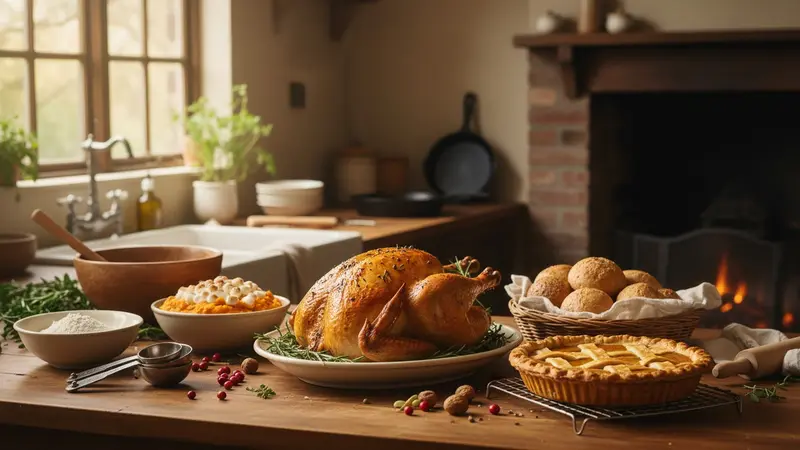
Gluten-Free Thanksgiving Guide
A practical, reader-first guide to planning and executing a gluten-free Thanksgiving that tastes like tradition — turkey, sides, stuffing, gravy, and desserts. Includes safety, shopping, and make-ahead strategies to keep your holiday calm and cross-contamination-free.
Seasonal
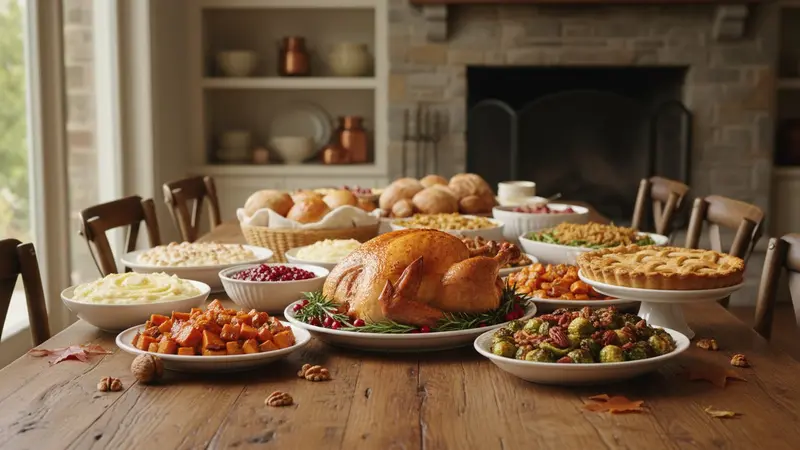
Mastering Thanksgiving Sides
A practical roundup of Thanksgiving side dishes that balance make-ahead ease with crowd-pleasing flavor. Find vegetable roasts, creamy potatoes, classic casseroles, and breads to round out your holiday table.
Seasonal
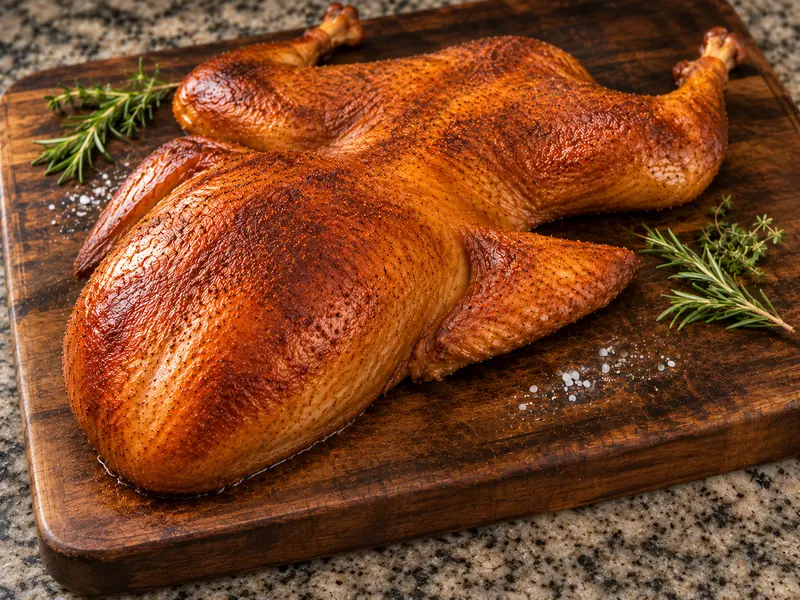
Frog-Style Thanksgiving Turkey
A practical guide to frogging (Al Frugoni) a Thanksgiving turkey: what frog-style means, how it differs from spatchcocking, step-by-step butchery and roasting timing, and seasonal flavoring and serving tips to make the technique work for your holiday table.
More from Thanksgiving
View all Thanksgiving recipes →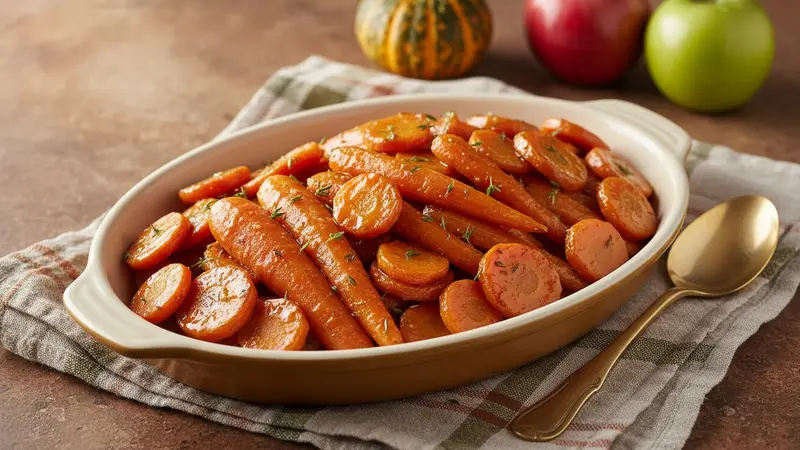
Maple Glazed Carrots

Cranberry Brie Bites with Puff Pastry and Toasted Pecans
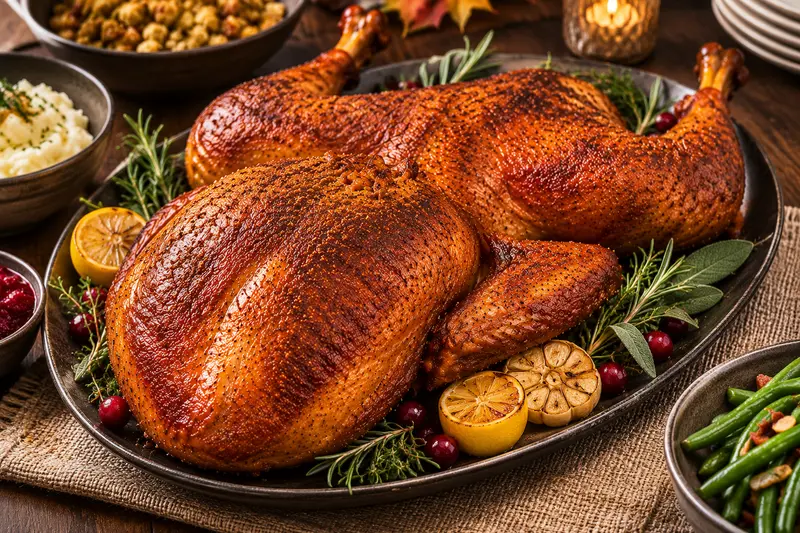
Frog Style Turkey
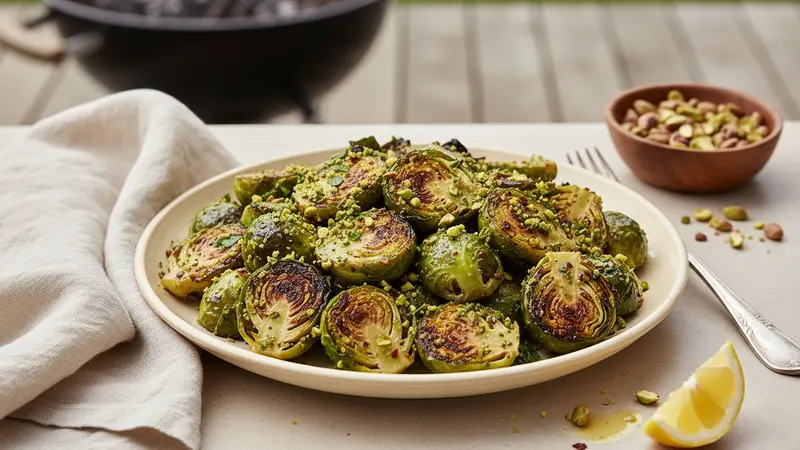
Grilled Brussels Sprouts with Pistachio Gremolata
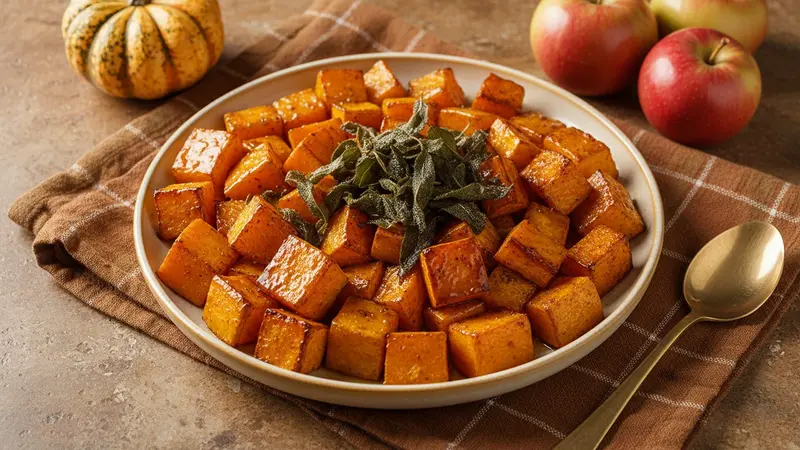
Brown Butter Sage Roasted Butternut Squash
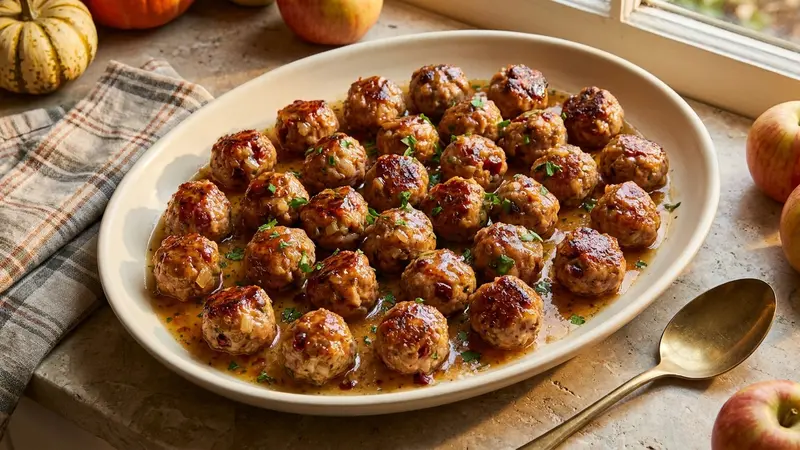
Cranberry-Orange Meatballs
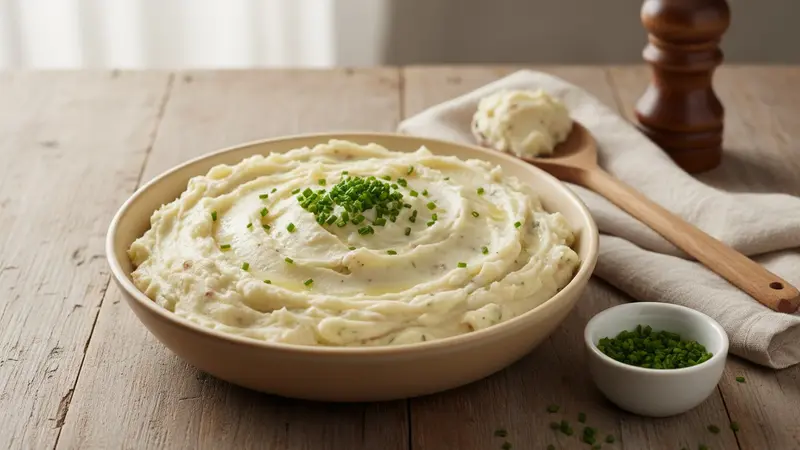
Creamy Boursin Mashed Potatoes with Chives
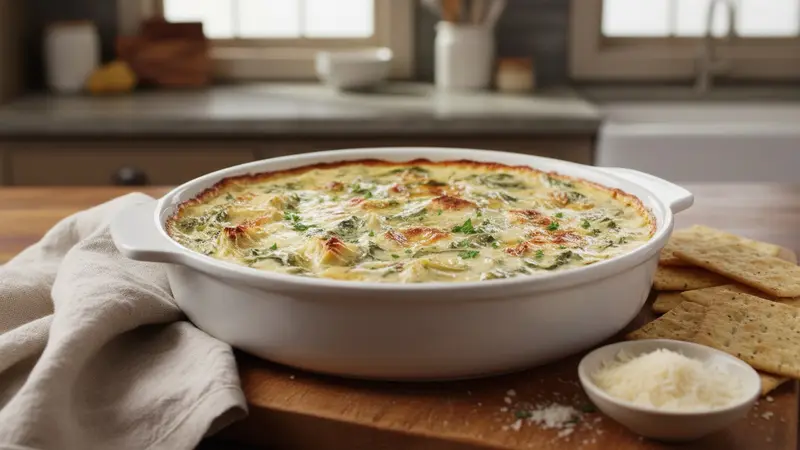
Hot Boursin Spinach Artichoke Dip (Creamy Oven-Baked)
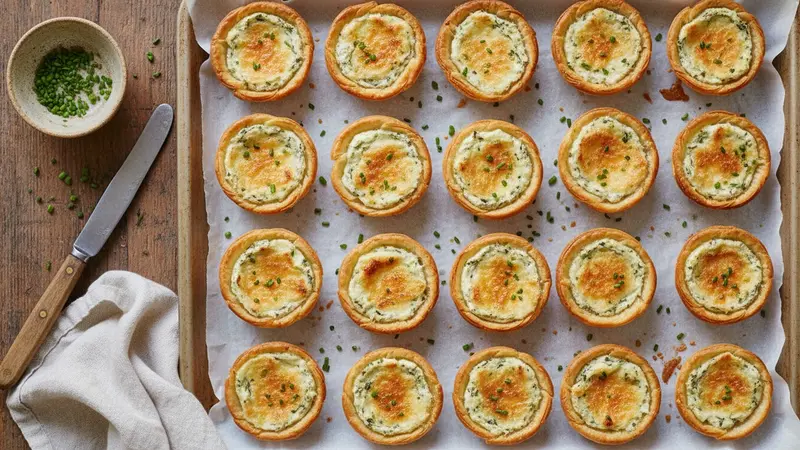
Crispy Baked Parmesan Boursin
Ask me anything about this recipe — substitutions, scaling, techniques, timing.
Powered by AI · 6 questions per 5 minutes, 30 per day